.png)
SMS collections vs email-only reminders
SMS Collections vs Email-Only Reminders: Open Rates and Response Speeds
The SMS collections vs email-only reminders debate has a clear data winner: SMS messages can reach a 98% open rate, while email averages 20-30%. In collections, where timing directly affects recovery, that gap matters more than most teams realize.
SMS messages are typically read within three minutes of receipt. Email sits in crowded inboxes and may be ignored for hours--or days. When an account is overdue, that delay accelerates aging and erodes recovery rates.
Key Insight: Collections-specific response rates show the sharpest contrast. SMS reminders can generate reply rates up to 45%, compared to roughly 6% for email. Faster engagement aligns directly with higher payment recovery.
Cost and Compliance Factors
| Factor | SMS Collections | Email-Only Reminders |
|---|---|---|
| Open Rate | Up to 98% | 20-30% |
| Average Response Time | Under 3 minutes | Hours to days |
| TCPA Compliance Requirement | Written consent required | Lower consent burden |
| FDCPA Applicability | Applicable when FDCPA applies | Applicable when FDCPA applies |
| Dash Compliance Guardrails | Built-in, automated | Built-in, automated |
TCPA violations tied to unconsented SMS outreach can carry fines up to $1,500 per message. Dash's built-in compliance guardrails automate consent tracking and contact-time restrictions, reducing exposure for healthcare, finance, and property management teams alike.
When to Choose SMS Over Email-Only for Overdue Receivables
Industry Use Cases in Finance, Healthcare, and Property Management
Finance teams recovering short-term balances benefit from SMS urgency--the faster a message lands, the sooner a payment decision gets made. Healthcare billing departments operating under HIPAA and, where applicable, FDCPA need compliant workflows that Dash provides out of the box. Property managers pursuing rent arrears consistently report faster resolutions with SMS than with email-only outreach.
The channel choice isn't just about open rates--it's about matching the communication format to the moment. Urgent balances demand immediate visibility. Detailed invoices and payment plans benefit from the structure email provides. Knowing which to deploy, and when, is where strategy separates good teams from great ones.
SMS Collections Strengths
- Near-instant visibility supports faster payment decisions
- Higher engagement across many demographic groups
- Supports payment links and plan options in the message
Email Reminder Strengths
- Lower consent requirements for initial outreach
- Better suited for detailed invoice documentation
- Cost-effective for low-urgency, early-stage reminders
Why Dash Combines SMS and Email
Choosing between SMS collections vs email-only reminders is often a false dilemma. The most effective collections programs don't pick one--they sequence both. SMS handles time-sensitive touchpoints where speed drives action. Email handles documentation-heavy communication where detail supports resolution.
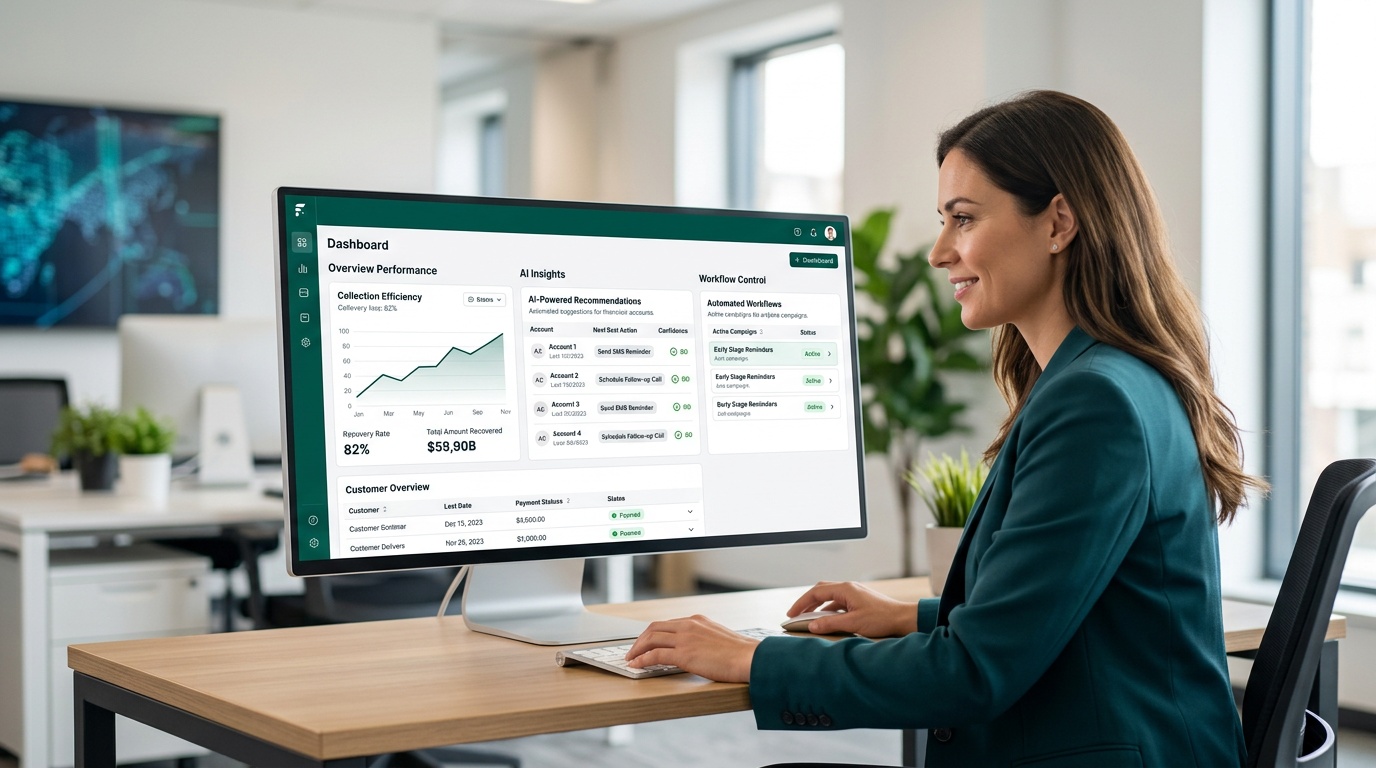
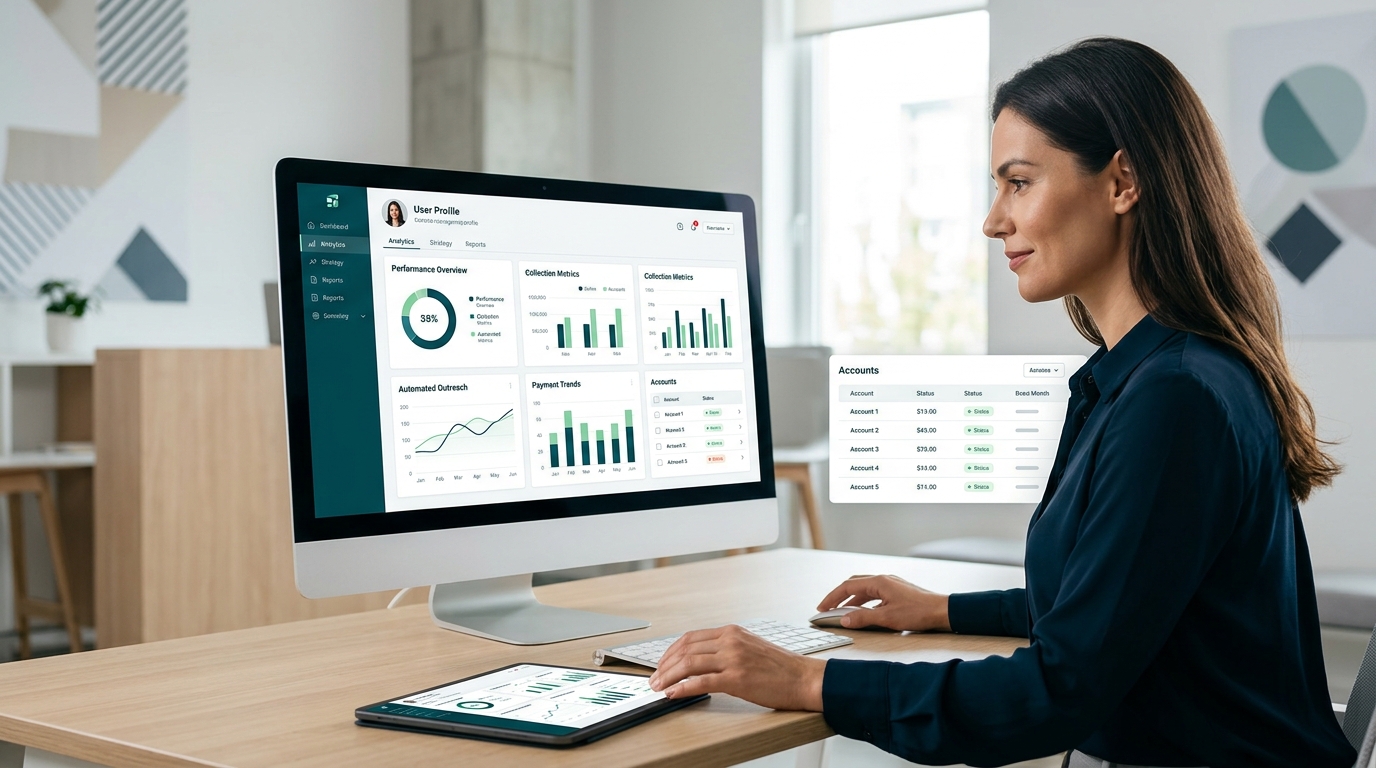
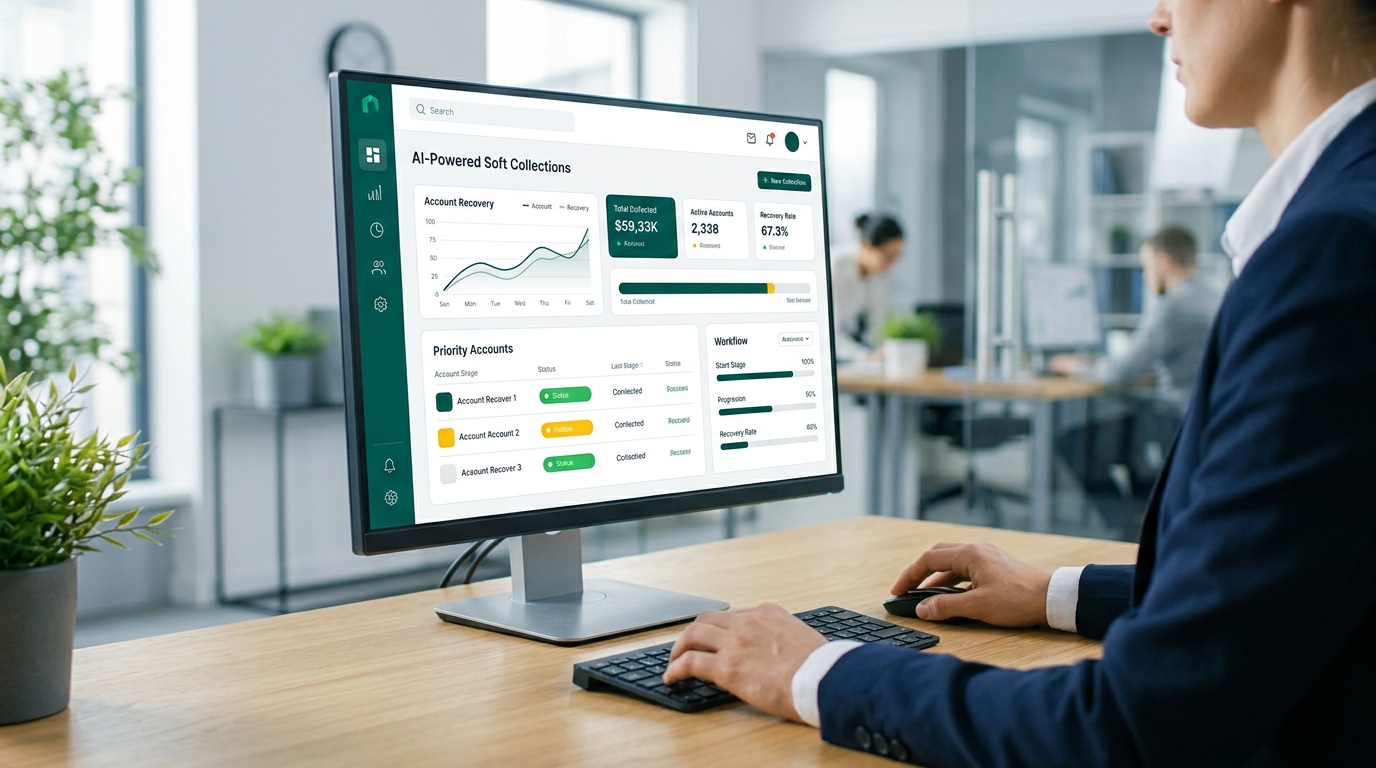
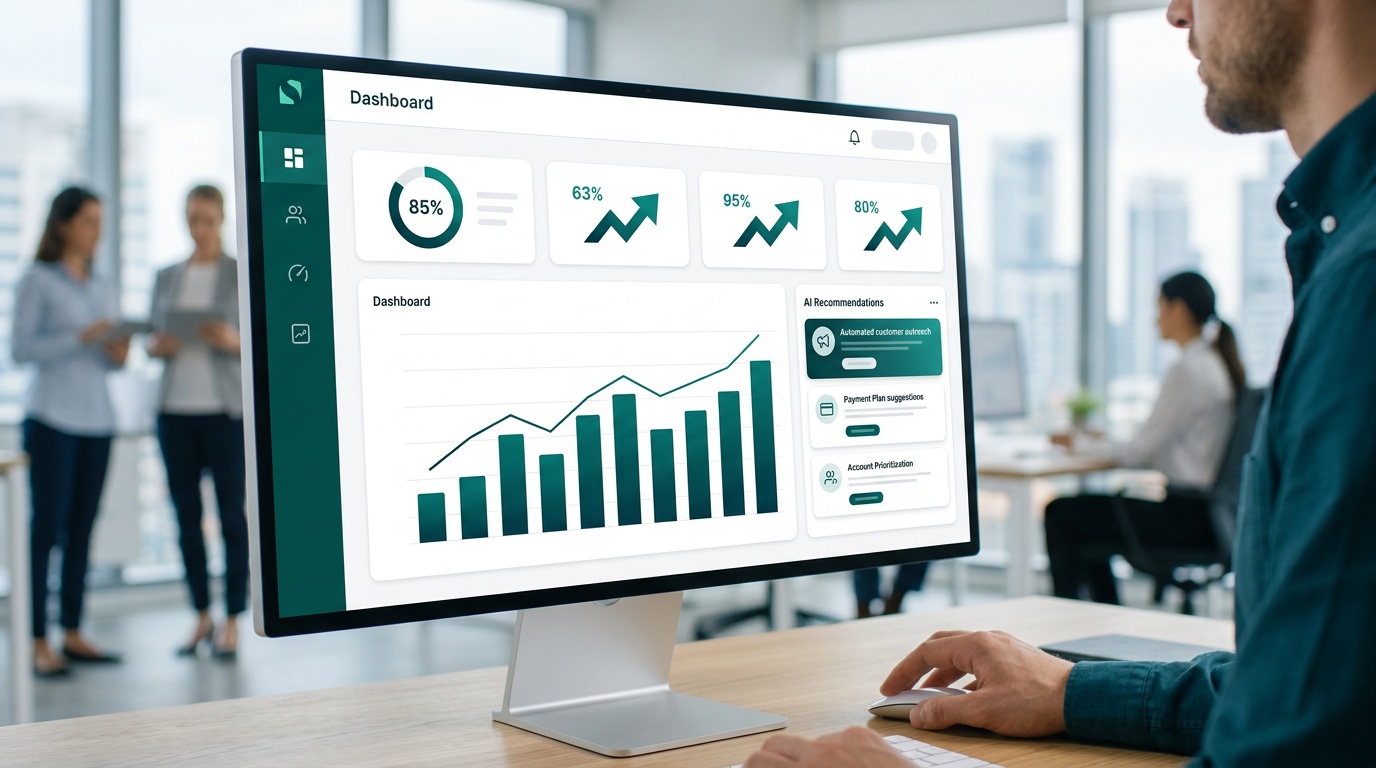
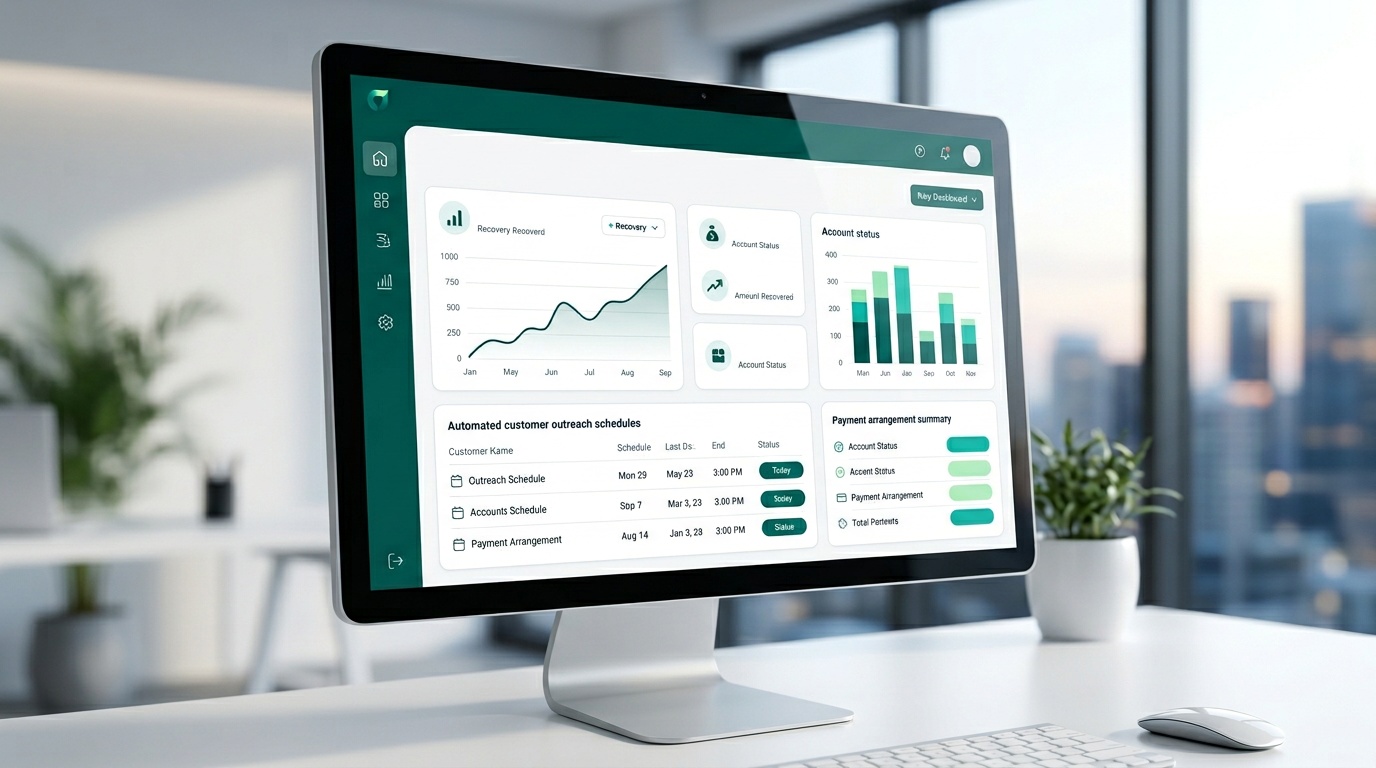
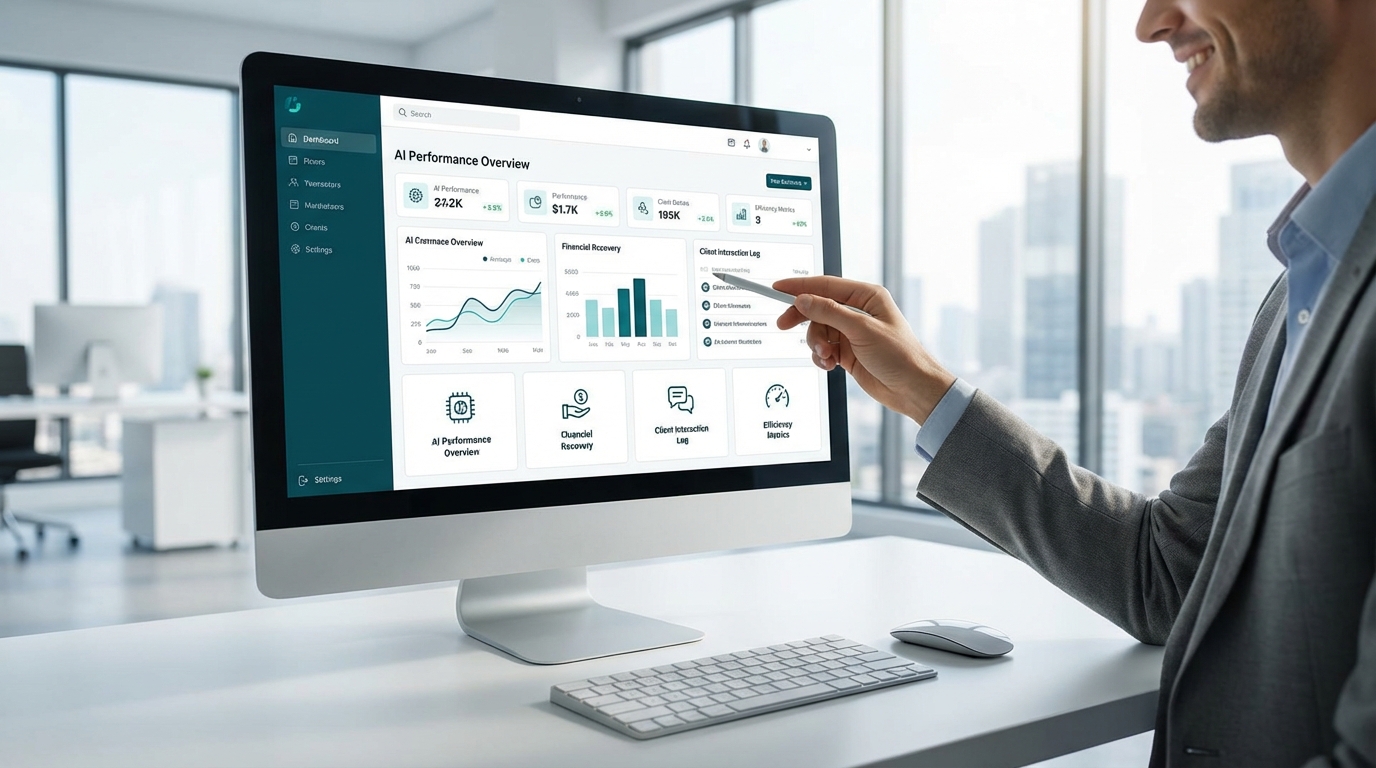
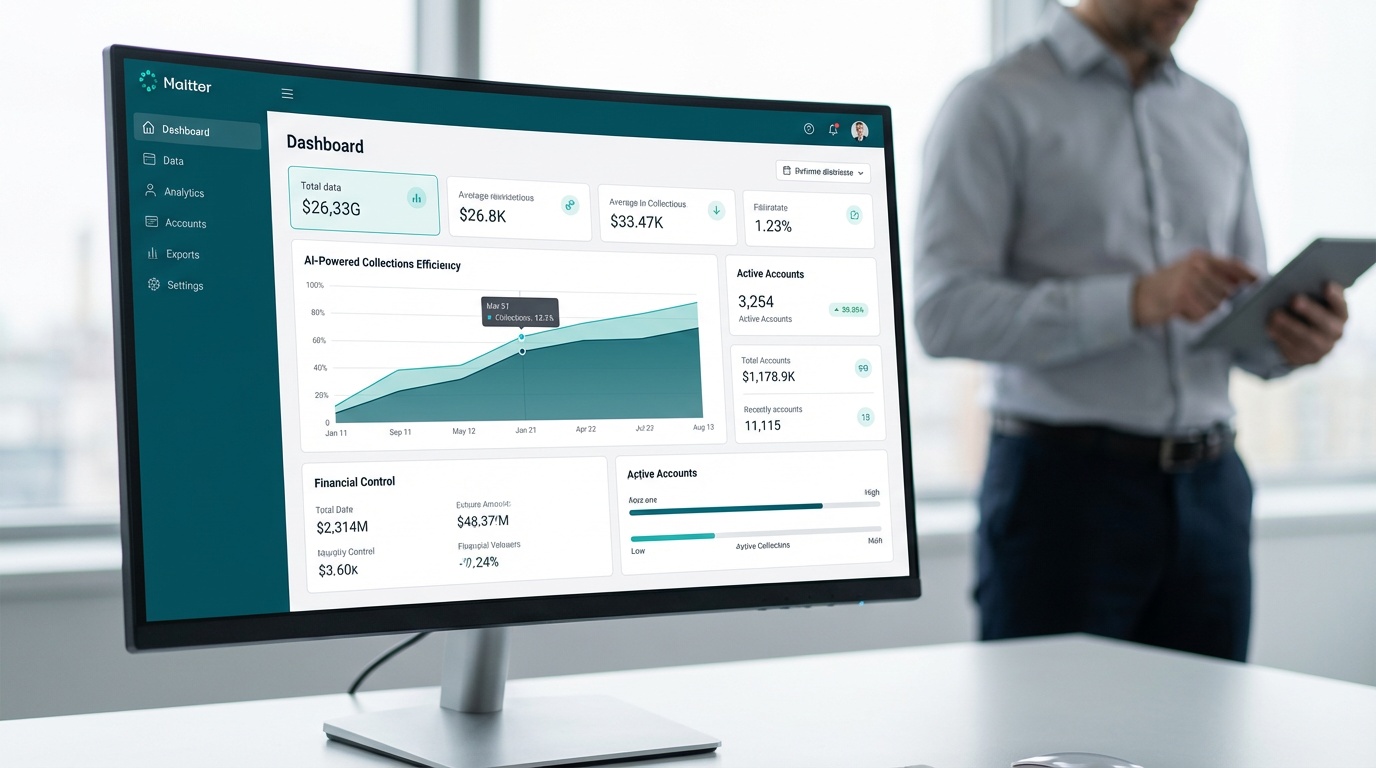
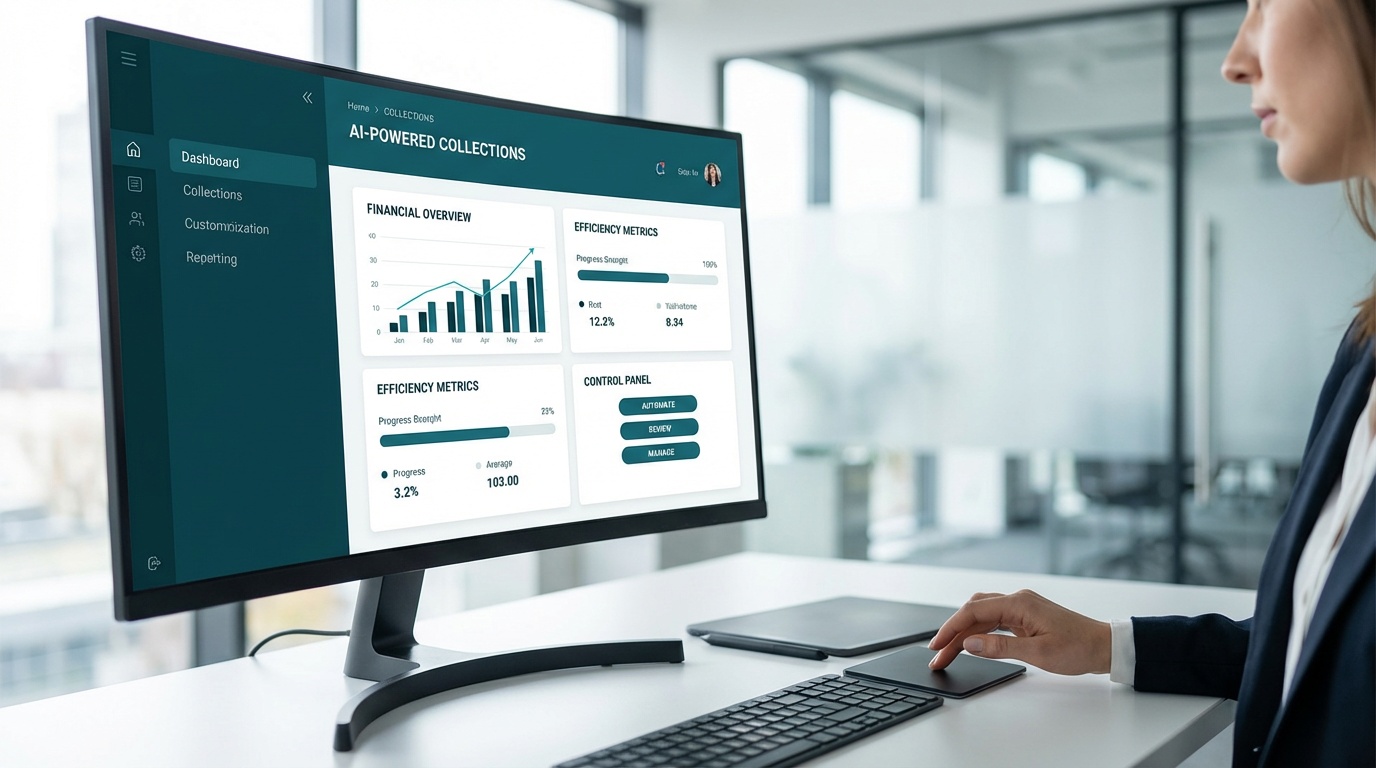
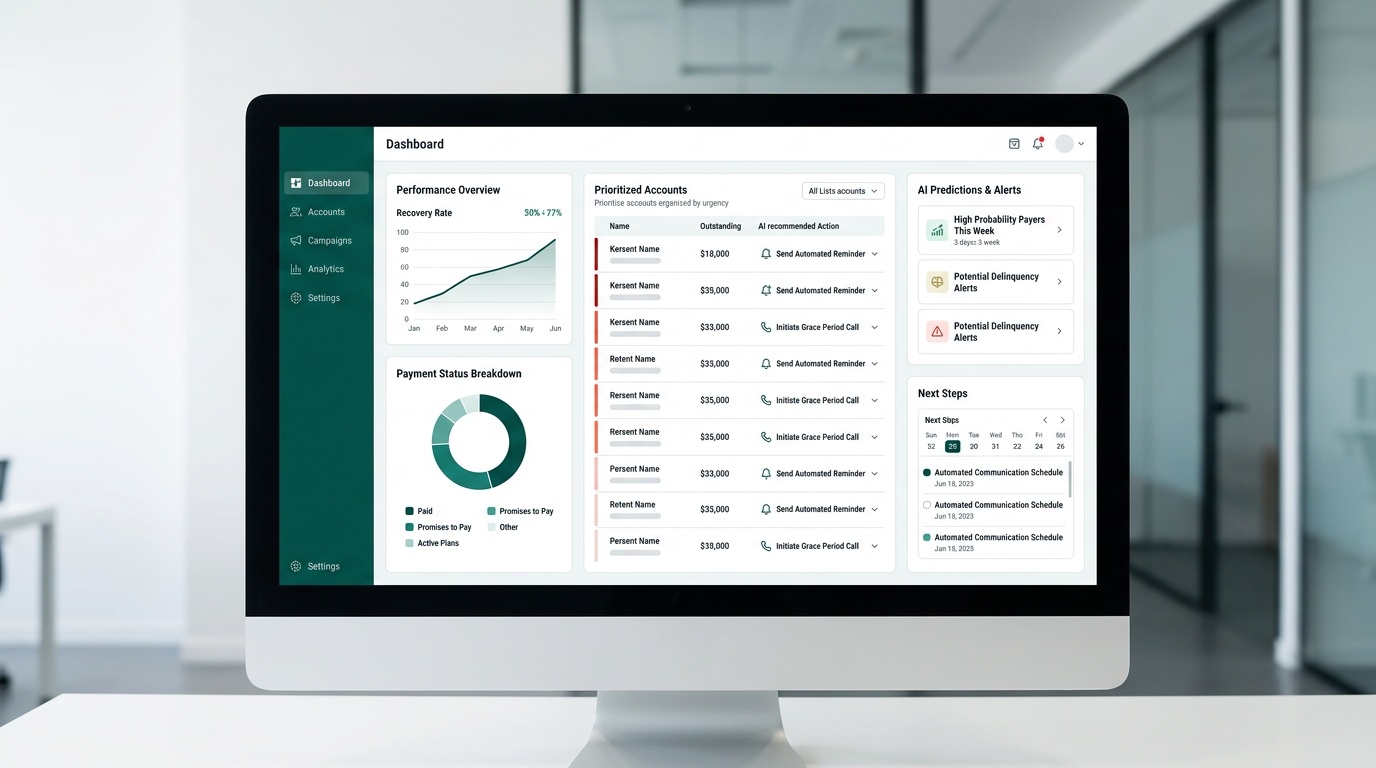
Dash automates that sequencing using AI to optimize outreach timing per account, so your team isn't manually deciding which channel to use on a case-by-case basis. High-volume messaging, real-time dashboard visibility, and built-in compliance controls run together--without commissions on recovered amounts and without third-party handoffs that put your brand at risk.
Consumer communication preferences are shifting toward mobile-first channels. Research on mobile communication behavior and studies on SMS effectiveness in patient outreach both point in the same direction: teams that build compliant multi-channel workflows now recover more, spend less, and preserve the customer relationships that matter long-term.
The Dash Advantage: SOC 2 Type 2 certified. TCPA- and FDCPA-aware workflows by design. AI personalization that optimizes outreach timing per account. First-party control avoids third-party handoffs, commission fees, and added brand risk.
Sign up for Dash to deploy a compliant, multi-channel collections strategy that supports recovery while protecting customer relationships.
Frequently Asked Questions
Is SMS really more effective than email for collections?
Often, yes. SMS can reach a 98% open rate versus 20-30% for email, and collections-specific reply rates can reach up to 45% via SMS compared to roughly 6% for email. In overdue receivables recovery, speed matters, and SMS usually outperforms email-only outreach.
What compliance risks apply to SMS collections?
TCPA requires written consent before sending SMS to consumers, and violations can carry fines up to $1,500 per message. FDCPA governs contact timing and conduct when it applies. Dash automates consent tracking and contact-time restrictions to reduce risk.
Should businesses use both SMS and email for collections?
A hybrid approach often outperforms either channel alone. SMS supports urgency and faster payment decisions, while email supports documentation and early-stage reminders. Dash sequences both channels using AI to optimize timing per account.
What is first-party collections and why does it matter?
First-party collections means your business manages outreach directly without assigning accounts to a third-party agency. This preserves customer relationships, protects brand reputation, and avoids commission fees on recovered amounts. Dash supports first-party collections, giving teams control over communication and account workflows.
Frequently Asked Questions
When is it better to use SMS for collections compared to email?
SMS is generally better for time-sensitive overdue receivables due to its high open rates, often reaching 98%, and rapid response times, with messages read within three minutes. It drives faster engagement and can generate reply rates up to 45%, supporting quicker payment decisions. Industries like finance, healthcare, and property management find SMS effective for urgent balance recovery.
How much more effective is SMS for collections than email-only reminders?
SMS significantly outperforms email for collections. It boasts an open rate of up to 98% compared to email's 20-30% average. Additionally, SMS reminders can achieve reply rates up to 45%, while email typically sees around 6%, leading to faster payment recovery.
What are the main compliance considerations for using SMS in collections?
The primary consideration is TCPA, which requires written consent before sending SMS messages to consumers, with potential fines up to $1,500 per message for violations. FDCPA also applies, governing contact timing and conduct when applicable. Platforms like Dash include automated guardrails for consent tracking and contact-time restrictions.
Should businesses use both SMS and email for managing overdue accounts?
Yes, a multi-channel approach often yields better results than using either SMS or email alone. SMS excels for urgent communication and quick payment decisions, while email is ideal for detailed documentation or early-stage, low-urgency reminders. Dash sequences both channels, optimizing outreach timing per account.
Which industries particularly benefit from using SMS for overdue receivables?
Finance teams recovering short-term balances, healthcare billing departments managing patient accounts, and property managers pursuing rent arrears often see significant benefits. These sectors find that the urgency and high engagement of SMS lead to faster resolutions and improved recovery rates.
How does a platform like Dash assist with first-party collections?
Dash helps teams recover overdue accounts faster using AI-powered outreach and self-service tools, supporting first-party control. It provides automated text and email outreach, built-in compliance guardrails for TCPA and FDCPA, and a real-time dashboard to monitor performance. This allows businesses to manage collections directly, preserving customer relationships.