.png)
Dash guide
Overdue receivables drain cash flow and consume staff time that could drive growth. You need a system that recovers what you're owed without damaging customer relationships or hiring expensive collection agencies. Dash puts you back in control with AI-powered automation, compliance-ready workflows, and self-service payment options that turn collections from a cost center into a predictable revenue recovery function.
Traditional methods rely on manual follow-ups that waste time, aggressive tactics that erode trust, and outsourcing that costs 25-50% of every dollar recovered. This guide walks through the Dash platform--from core features to one-week deployment--with real-world examples from healthcare, property management, and financial services. You'll see how teams reclaim control of receivables while maintaining the professionalism that keeps customers coming back.
Key Takeaways
- AI-powered timing and messaging boost payment response rates without manual intervention
- Built-in compliance guardrails align with FDCPA, TCPA, HIPAA, and PCI DSS requirements
- Self-service payment portals let customers resolve balances 24/7, reducing negotiation cycles
- Most teams see measurable results within the first week of going live
Table of Contents
- What is the Dash Guide to Soft Collections?
- Dash Key Features: Automation, Compliance, and Control
- Step-by-Step Implementation: Get Started with Dash in One Week
- Dash Across Industries: Recovery Outcomes
What is the Dash Guide to Soft Collections?
The Dash guide is your roadmap for transforming collections from a reactive scramble into a systematic, first-party process. Instead of chasing customers with phone calls or handing accounts to third-party agencies, you'll deploy intelligent automation that engages at the right moment with the right message. This isn't about replacing your team--it's about giving them tools that do the repetitive work while they focus on high-value conversations and approvals.
Here's what separates this approach: you maintain full ownership of the customer relationship. Messages carry your brand voice. Payment plans reflect your policies. Data stays in your control. According to the Federal Reserve's 2023 report on household finances, 37% of adults would struggle to cover a $400 emergency expense. Your customers aren't avoiding payment--they need flexible options that fit their situation. Dash provides those options without requiring you to negotiate every arrangement manually.
The platform handles account segmentation, outreach scheduling, and payment processing, freeing your team to handle exceptions and approvals. You set the rules once, then let the system execute consistently across hundreds or thousands of accounts. That consistency improves both recovery rates and compliance adherence, because human error--the missed follow-up, the call after 9 PM, the message to someone who opted out--gets eliminated from the workflow.
Whether you're managing patient balances, past-due invoices, or tenant arrears, the same framework applies: automate the routine, empower the customer, and keep your team focused on results. Explore how the Dash workflow adapts to your business.
Dash Key Features: Automation, Compliance, and Control
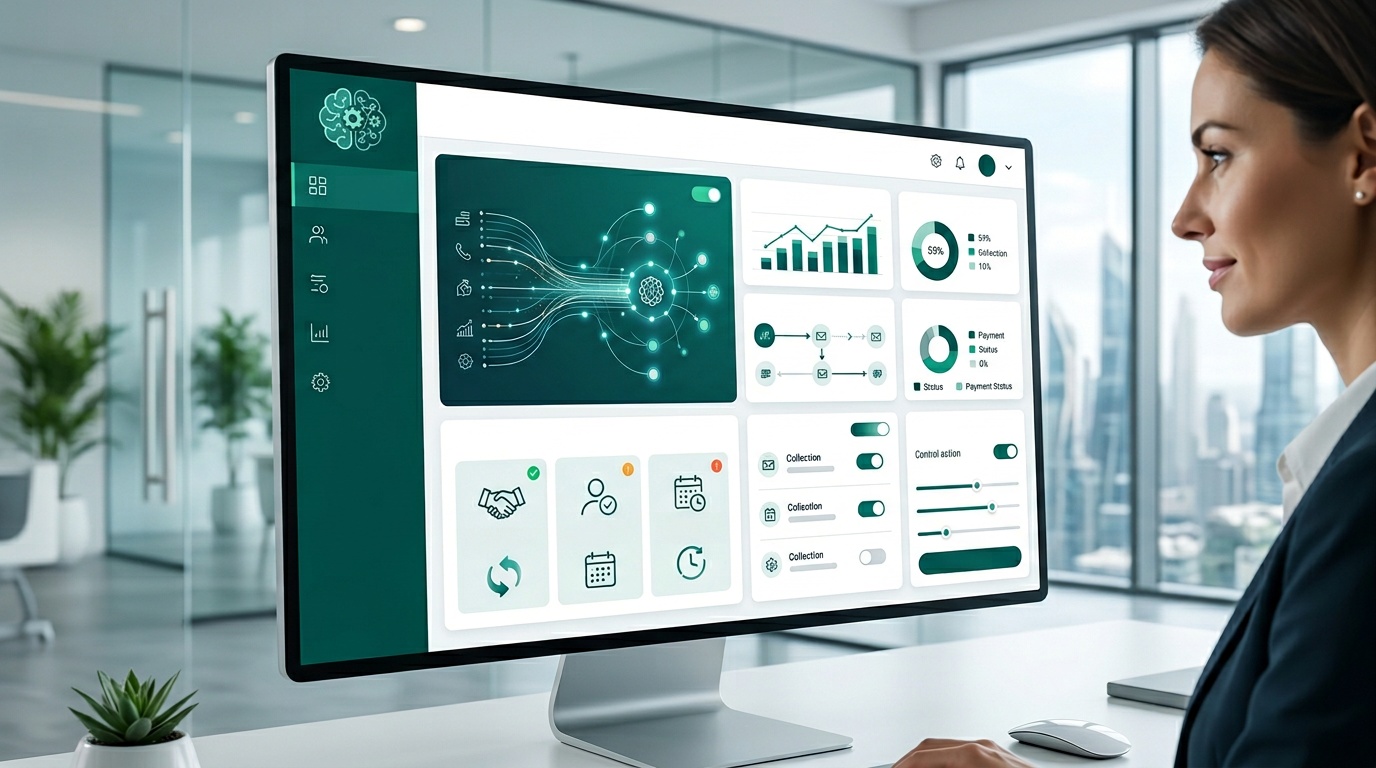
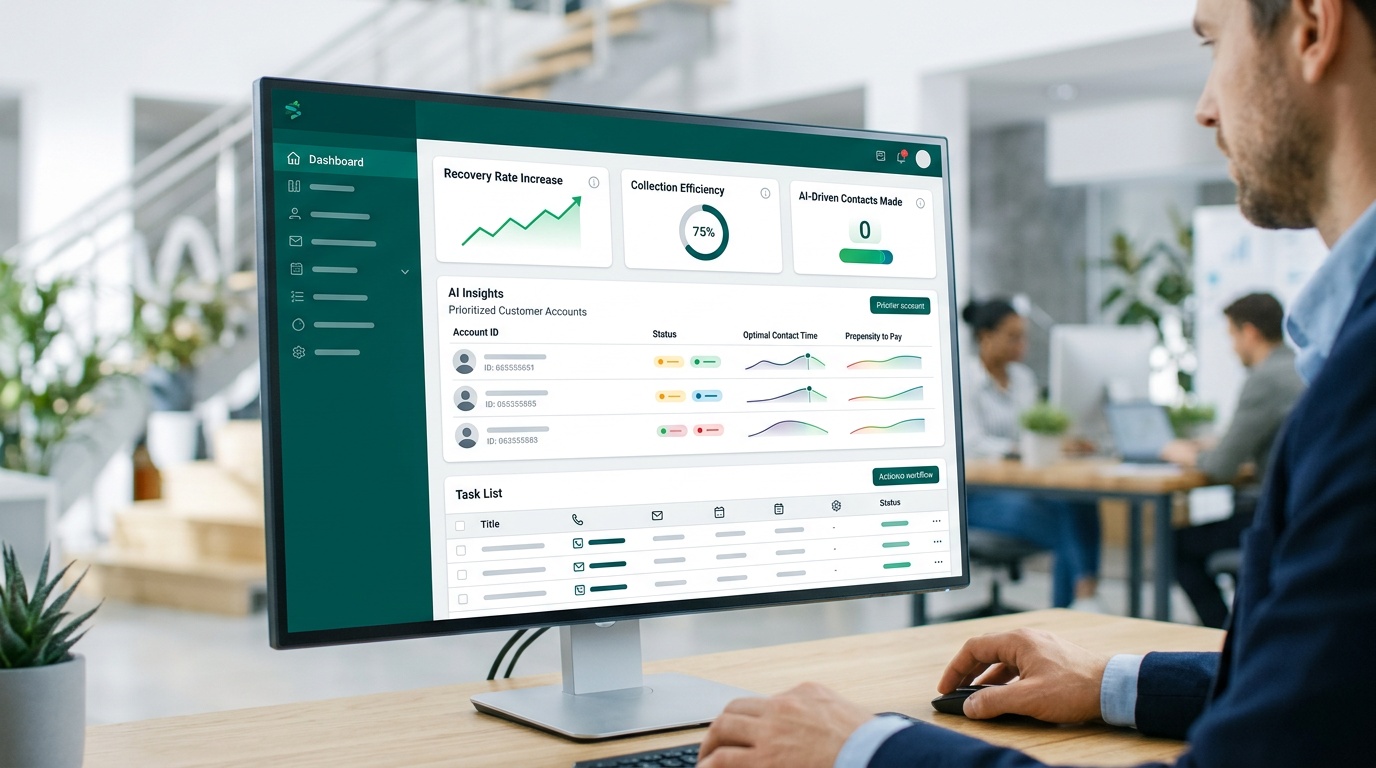
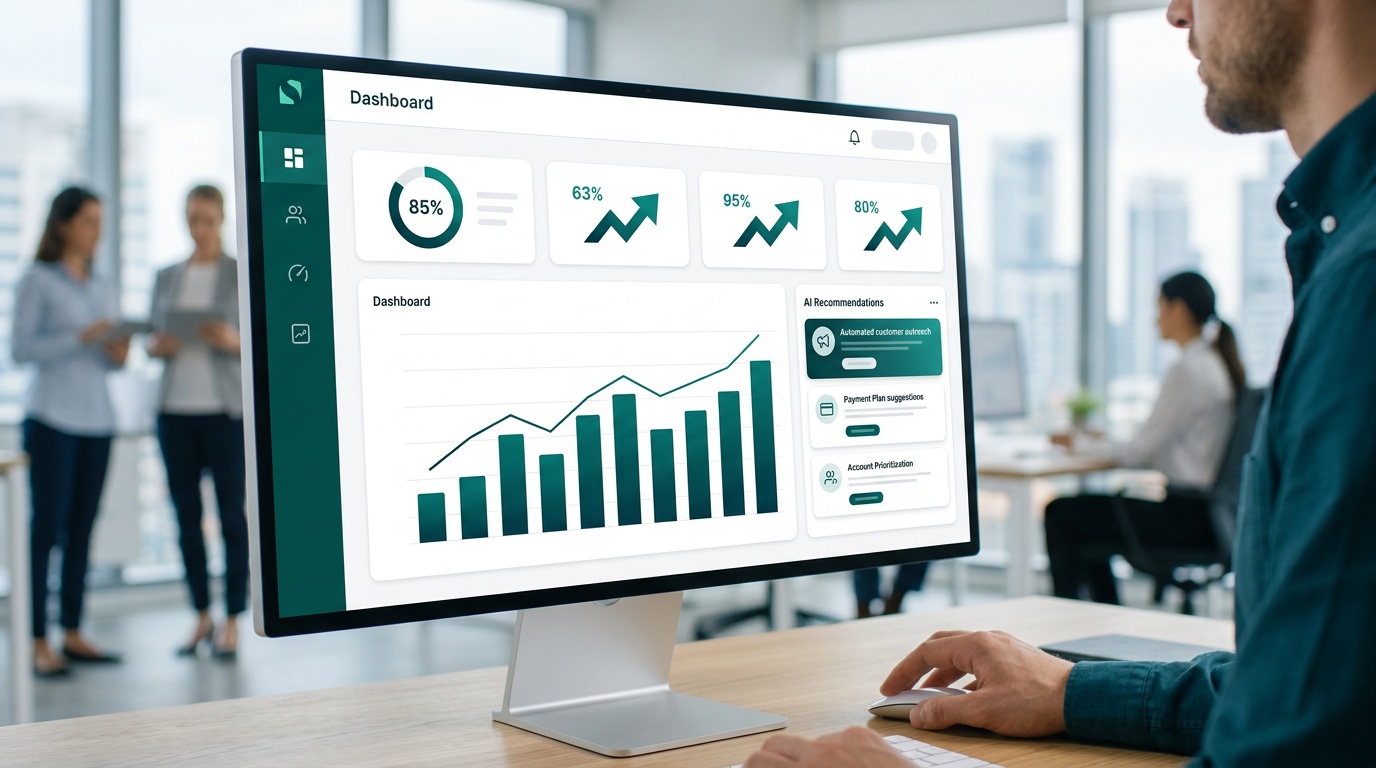
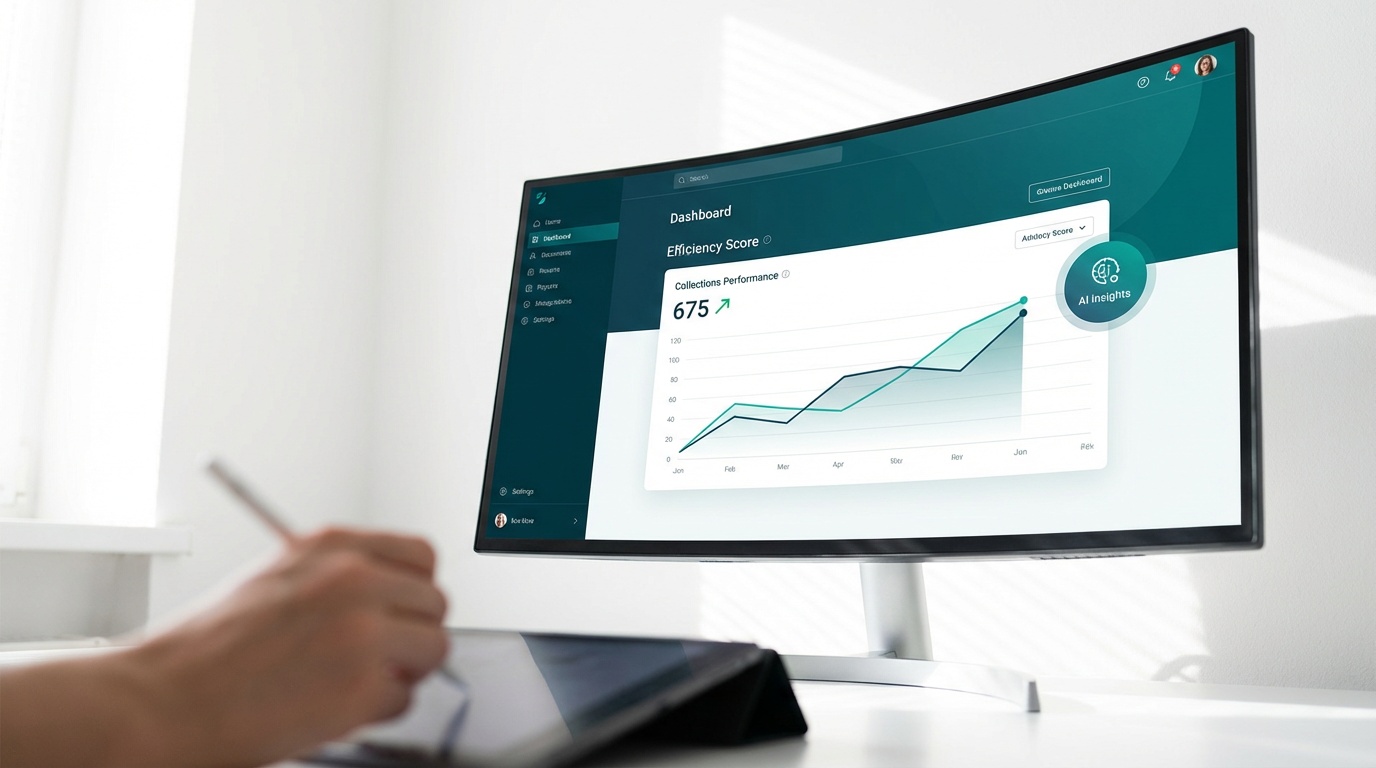
Dash automates the tasks that drain your team's time without delivering proportional results. The AI engine analyzes engagement signals--email opens, link clicks, payment portal visits--to adjust when and how it reaches out next. An account that ignored three emails might respond better to a text. A customer who opened the last message but didn't pay might need a longer payment plan. The system makes those adjustments without manual intervention, so your team doesn't spend hours deciding which accounts to call today.
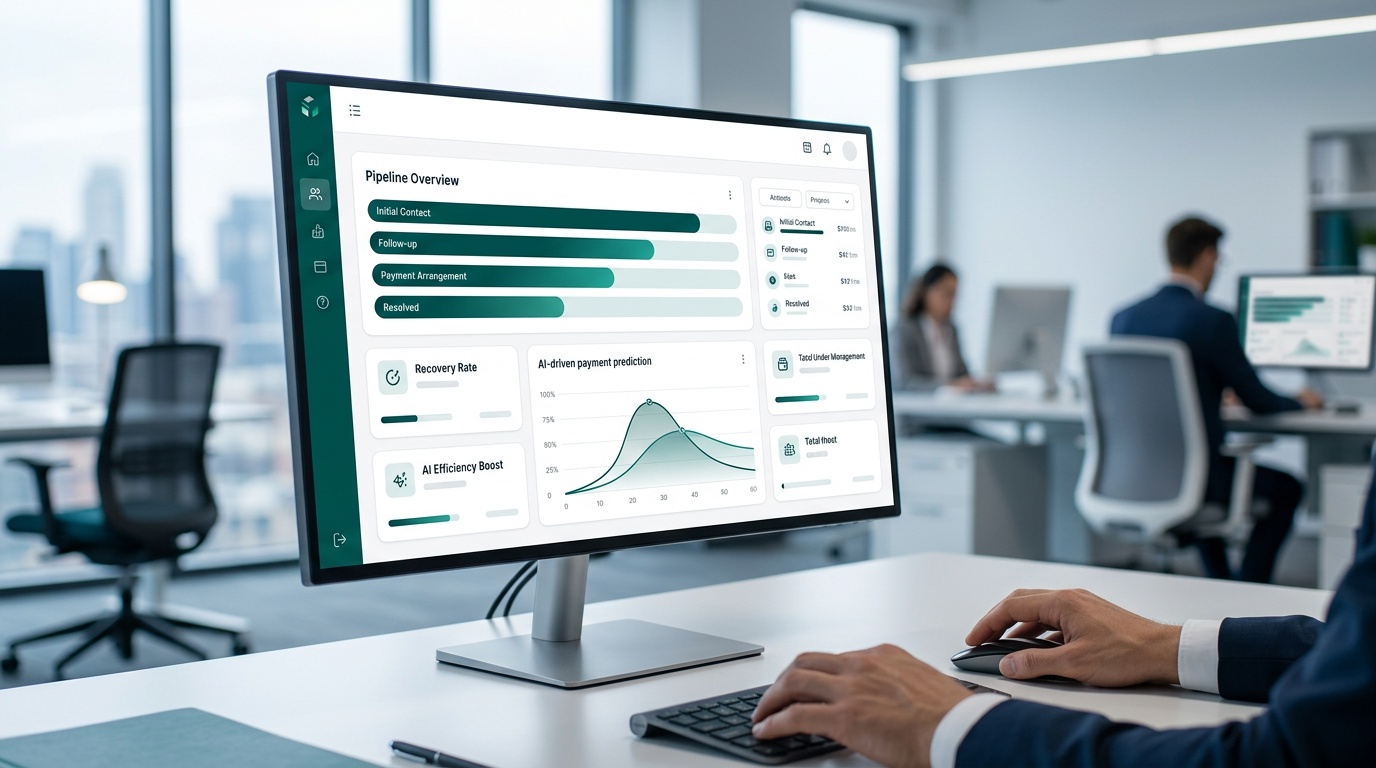
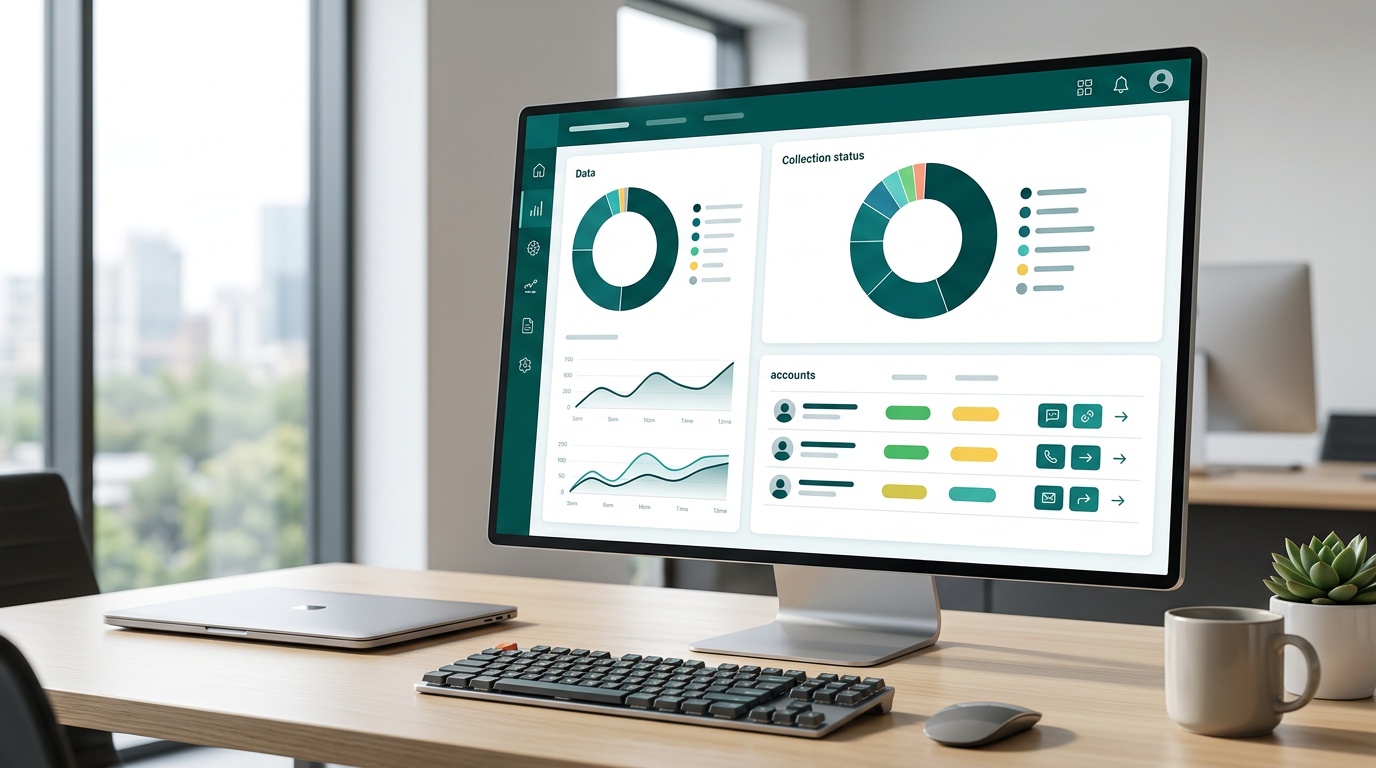
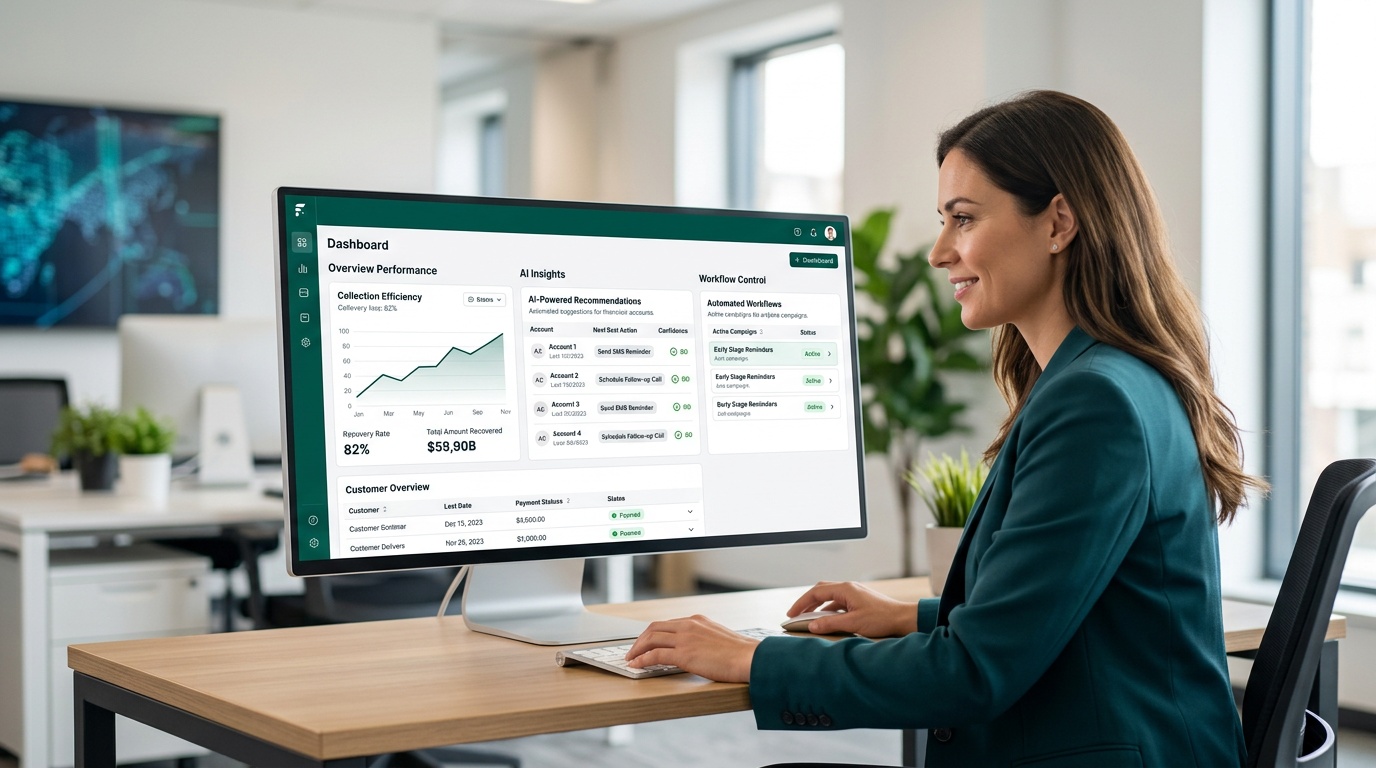
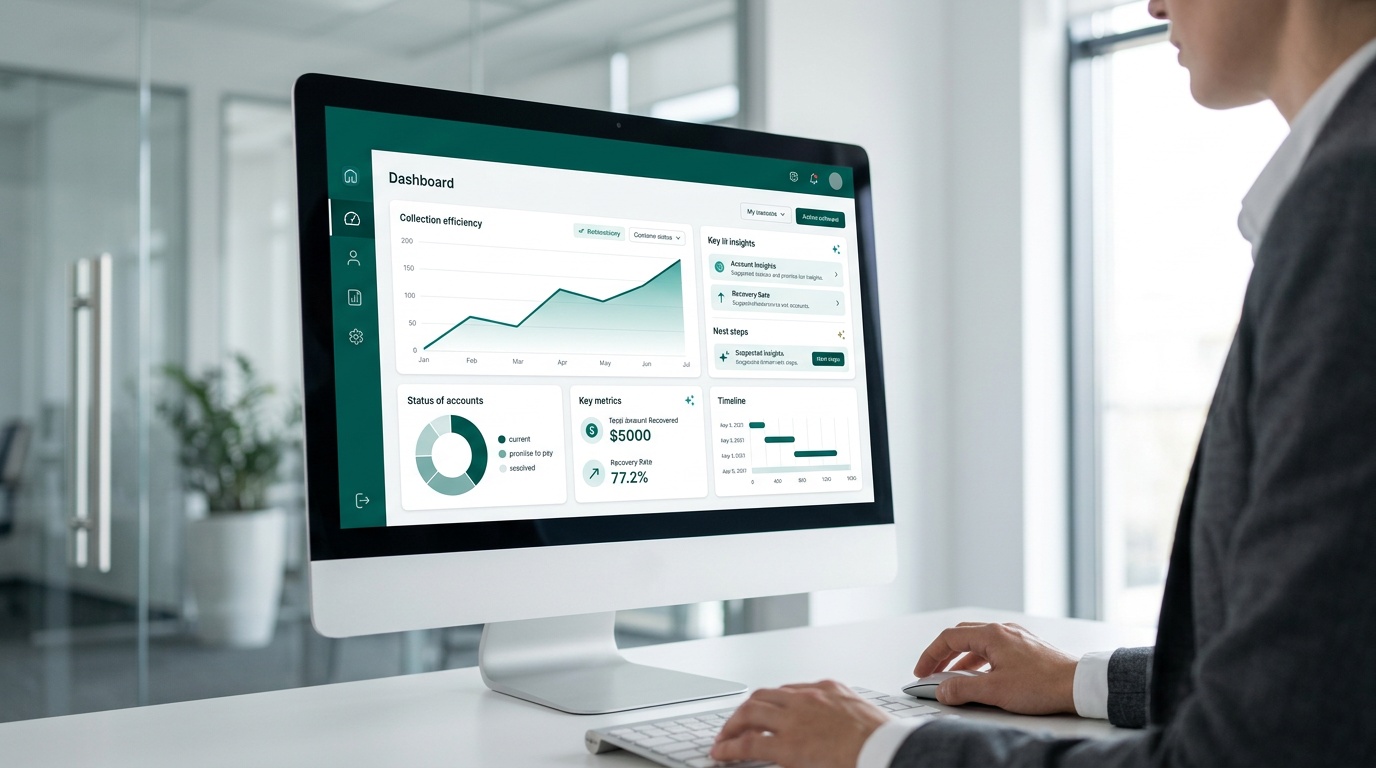
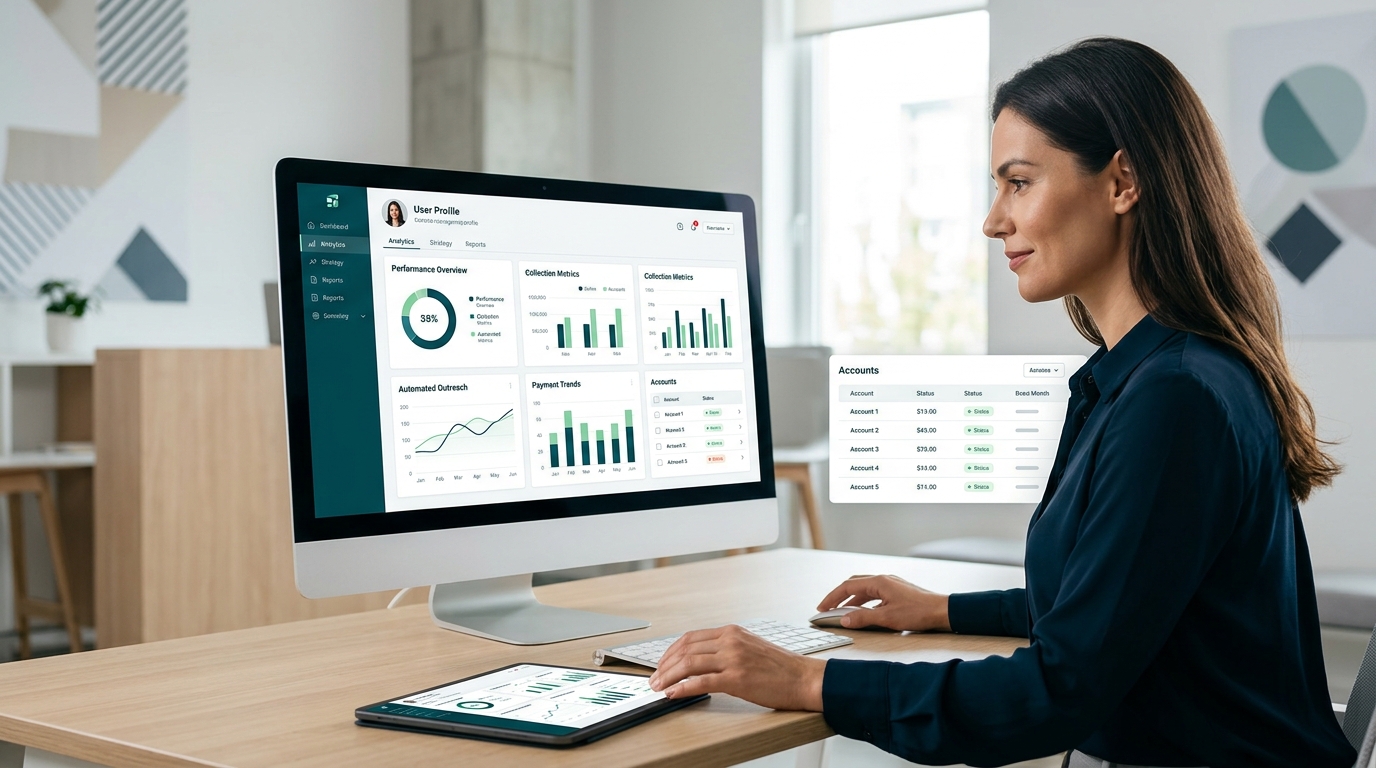
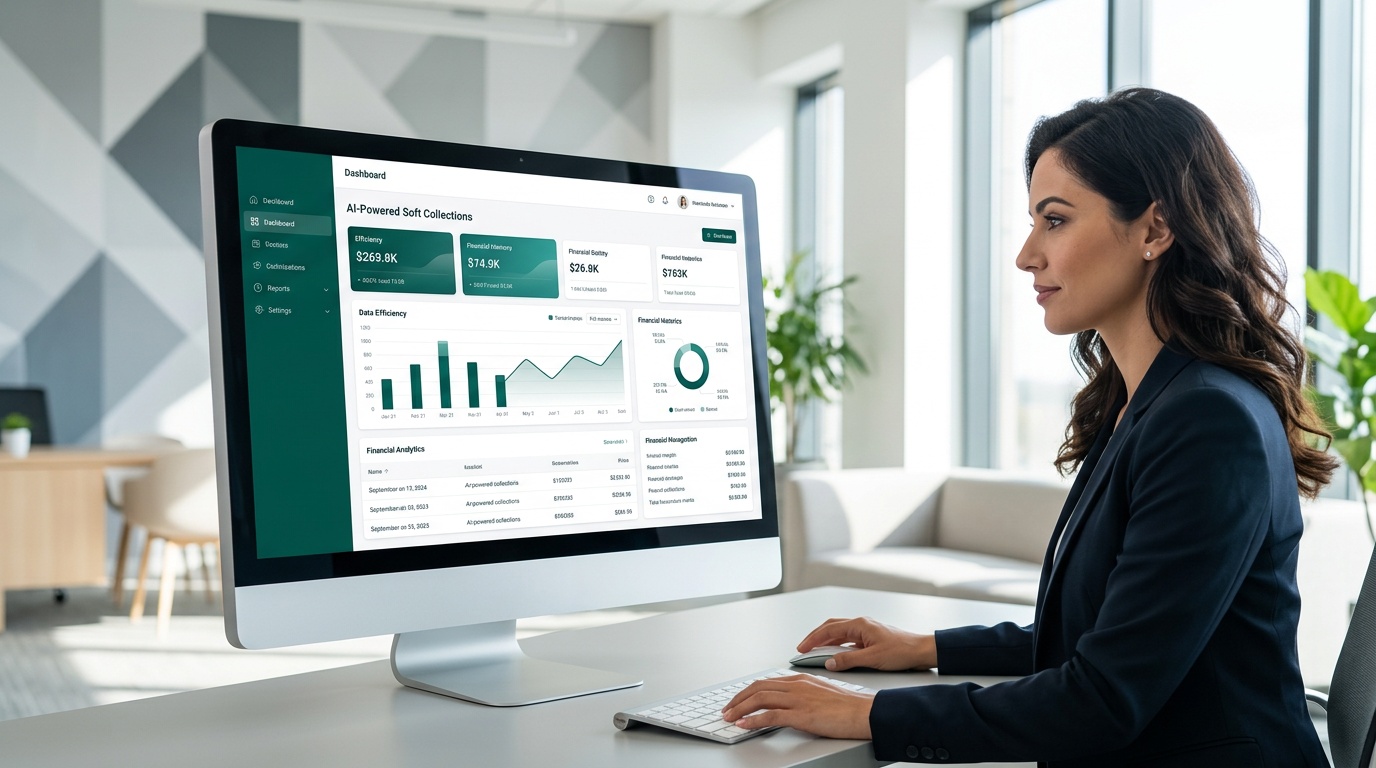
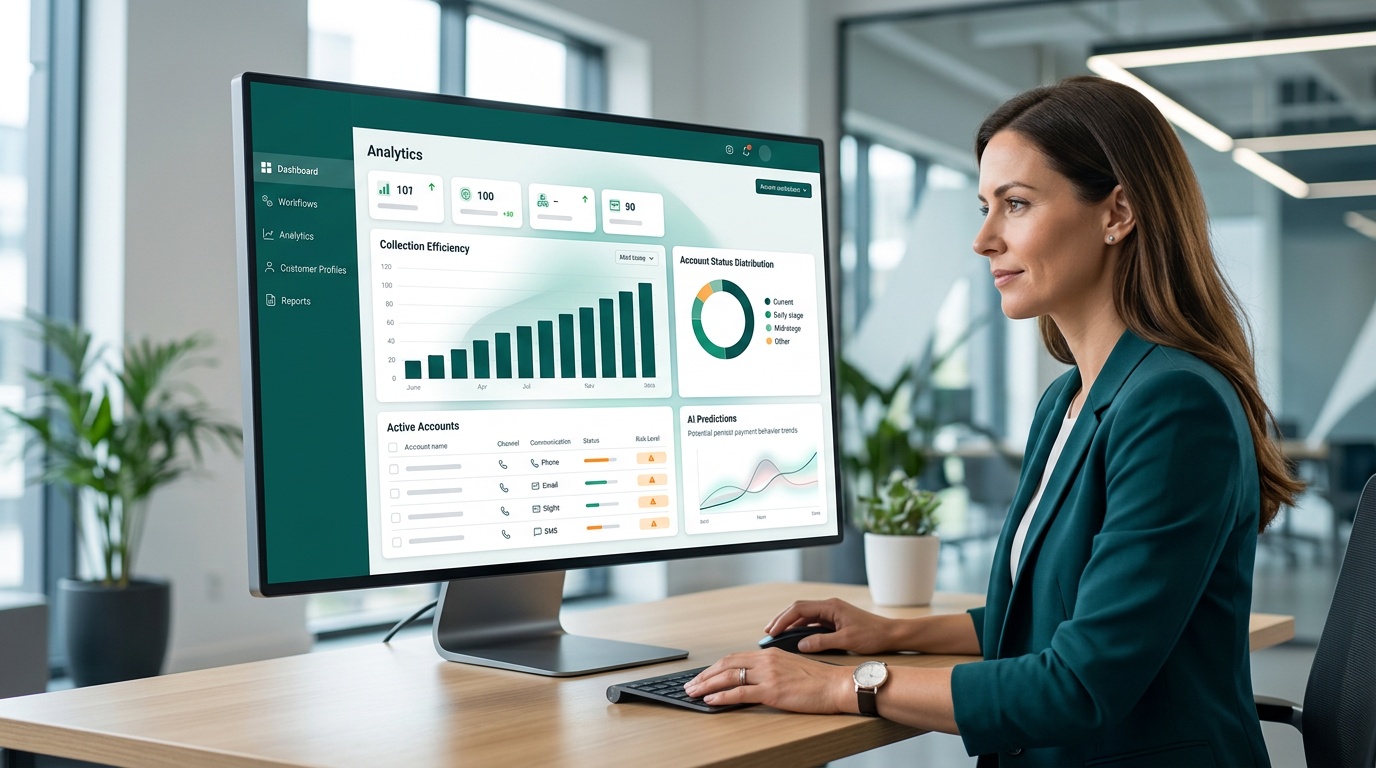
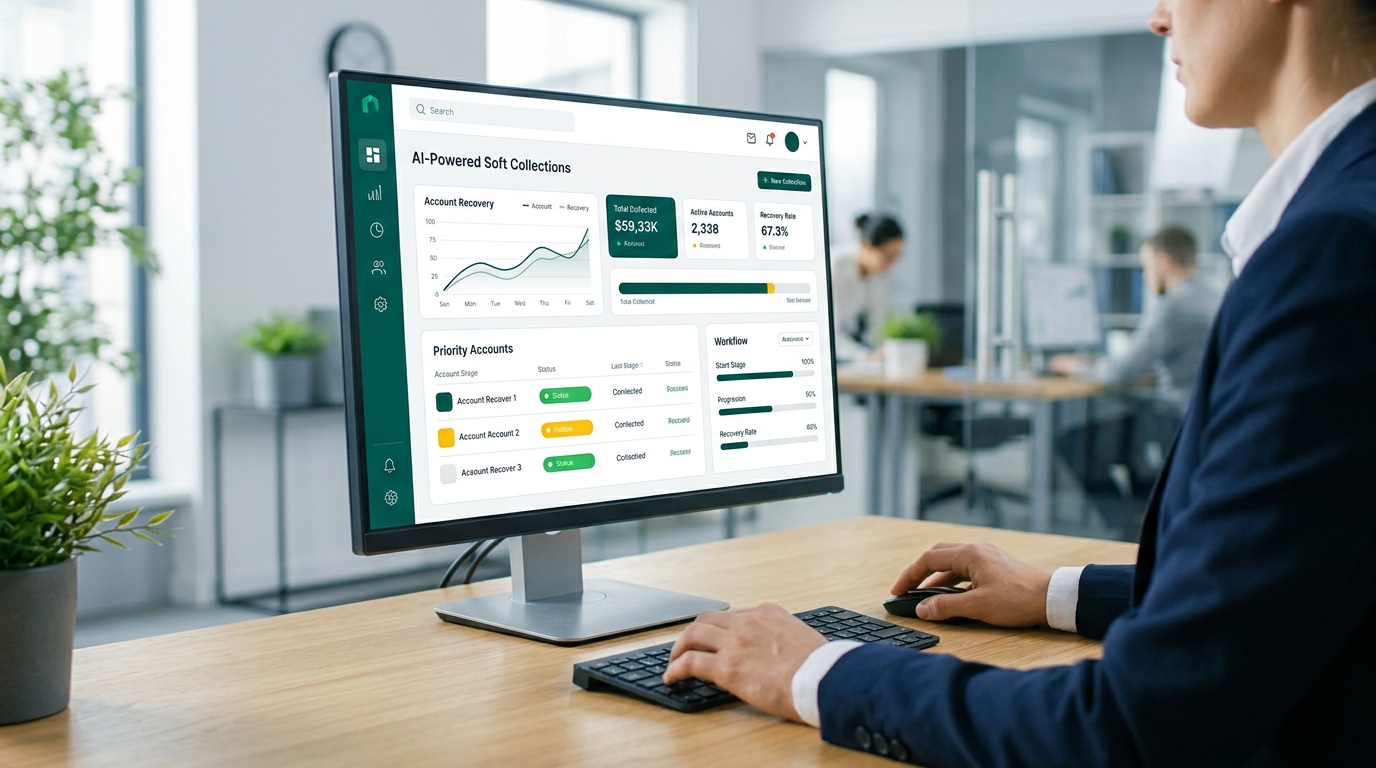
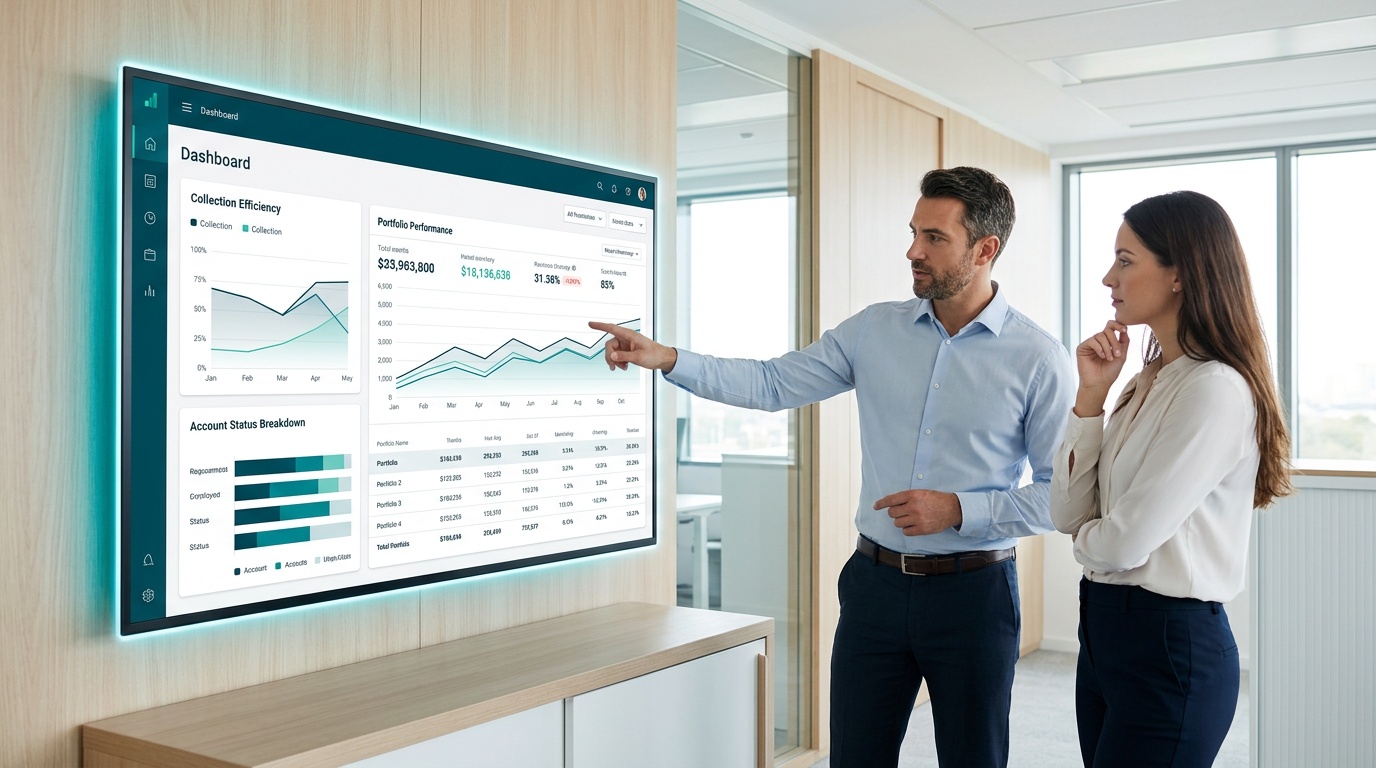
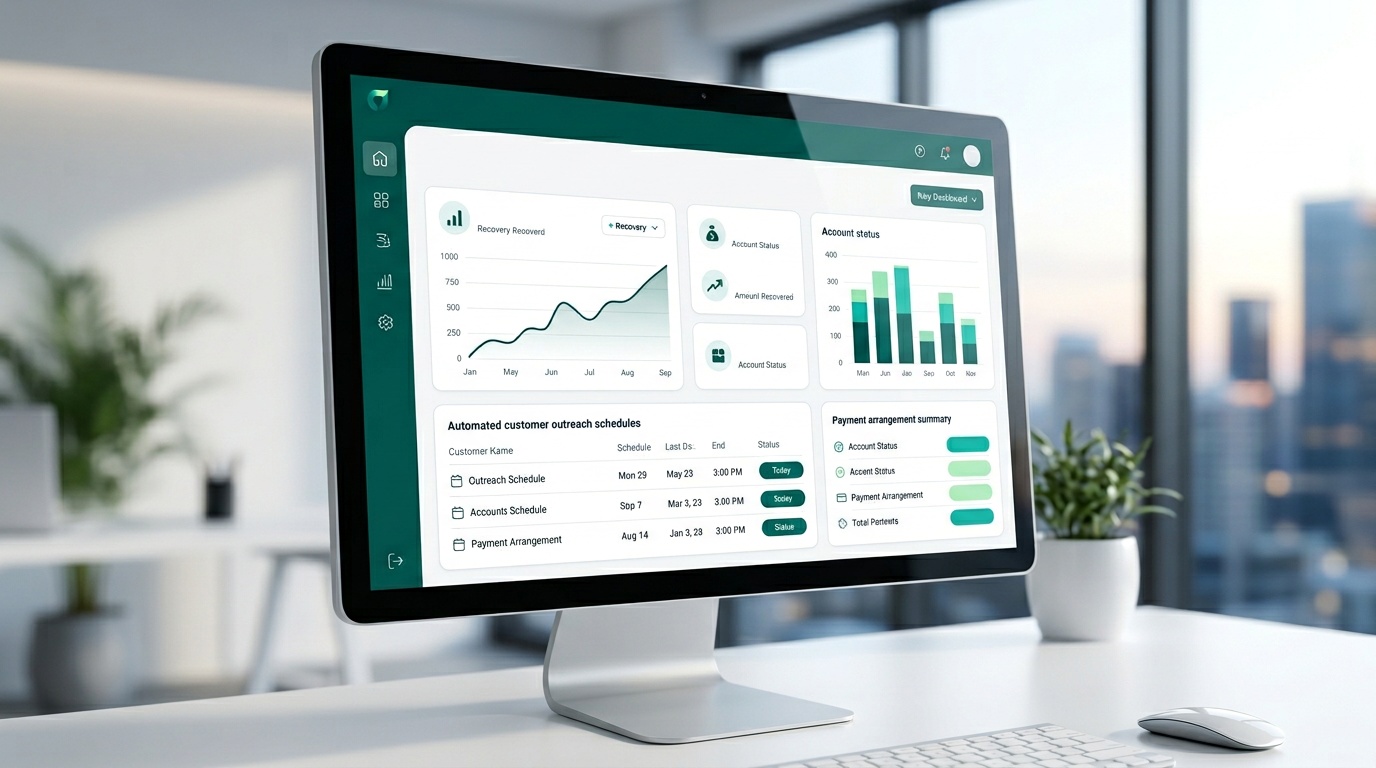
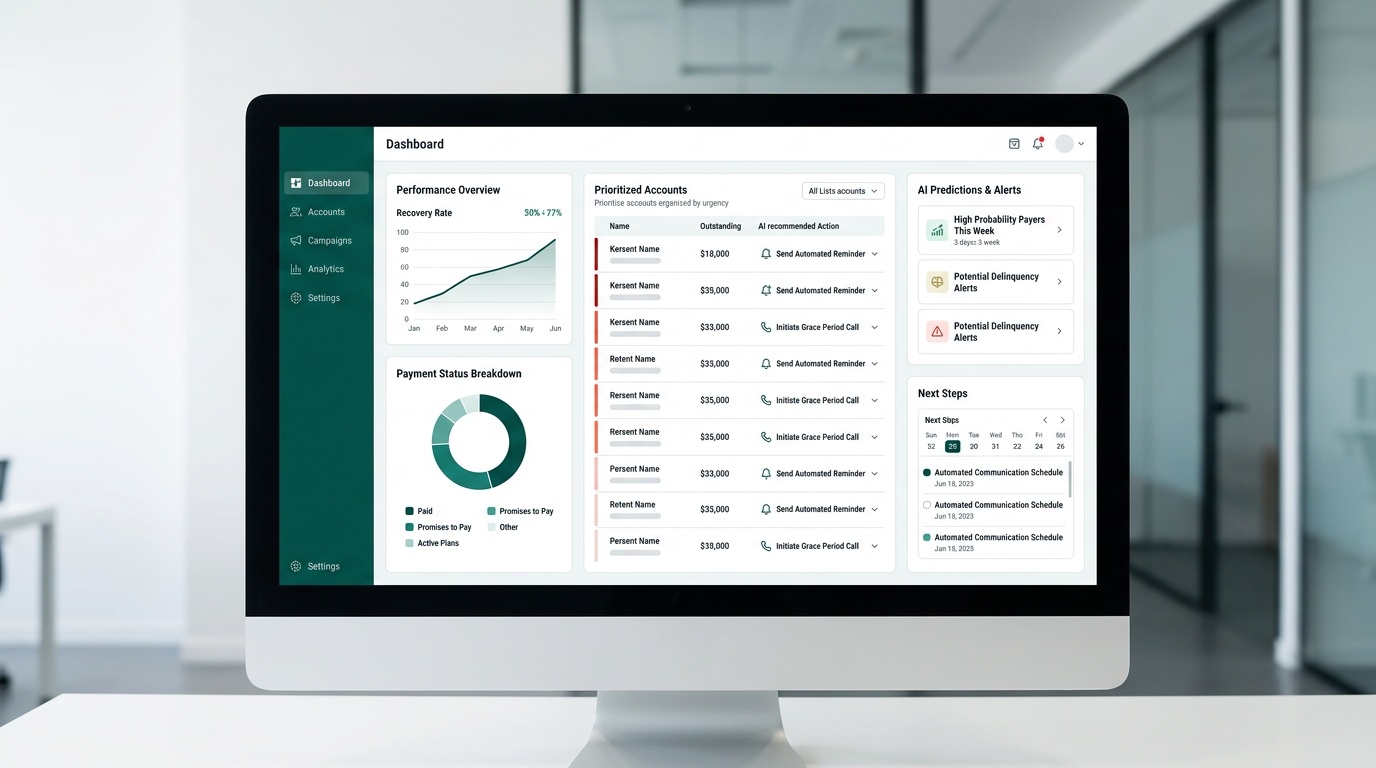
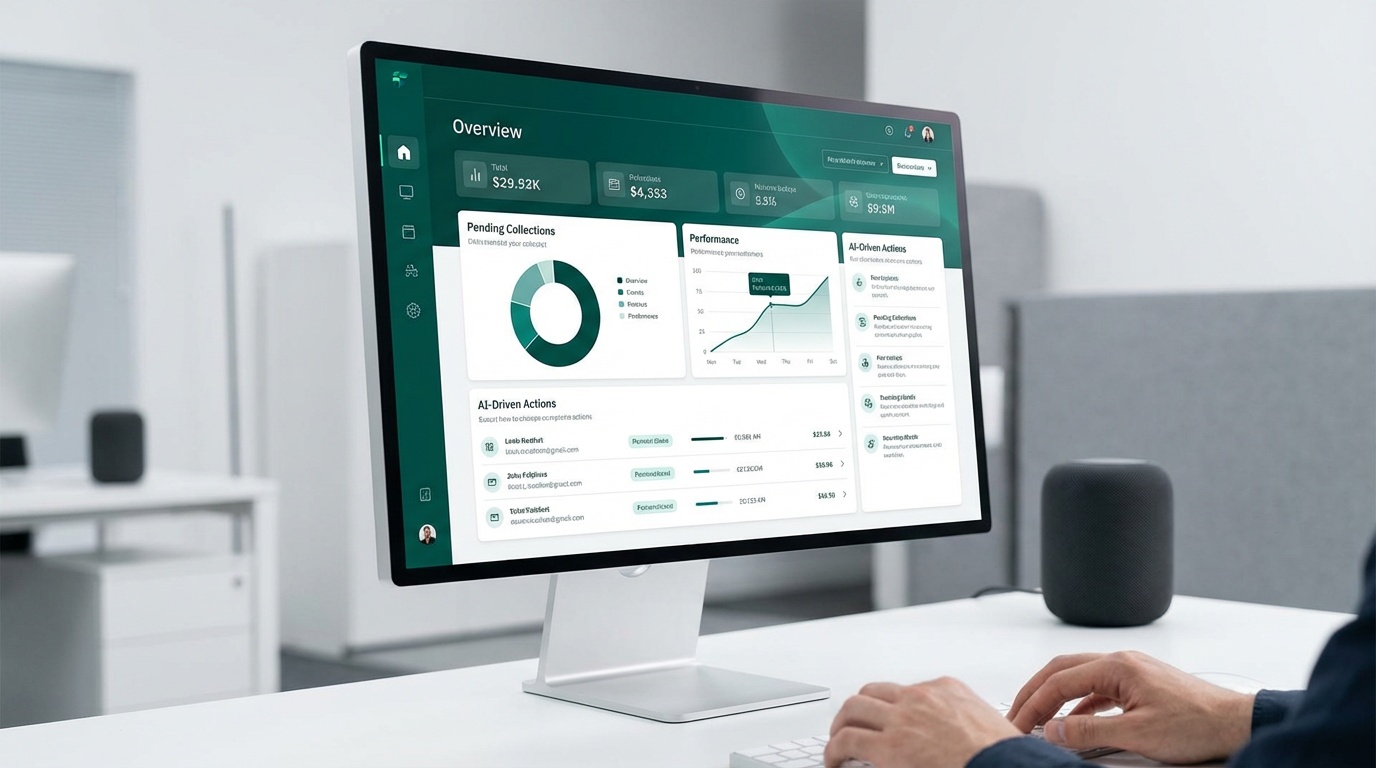
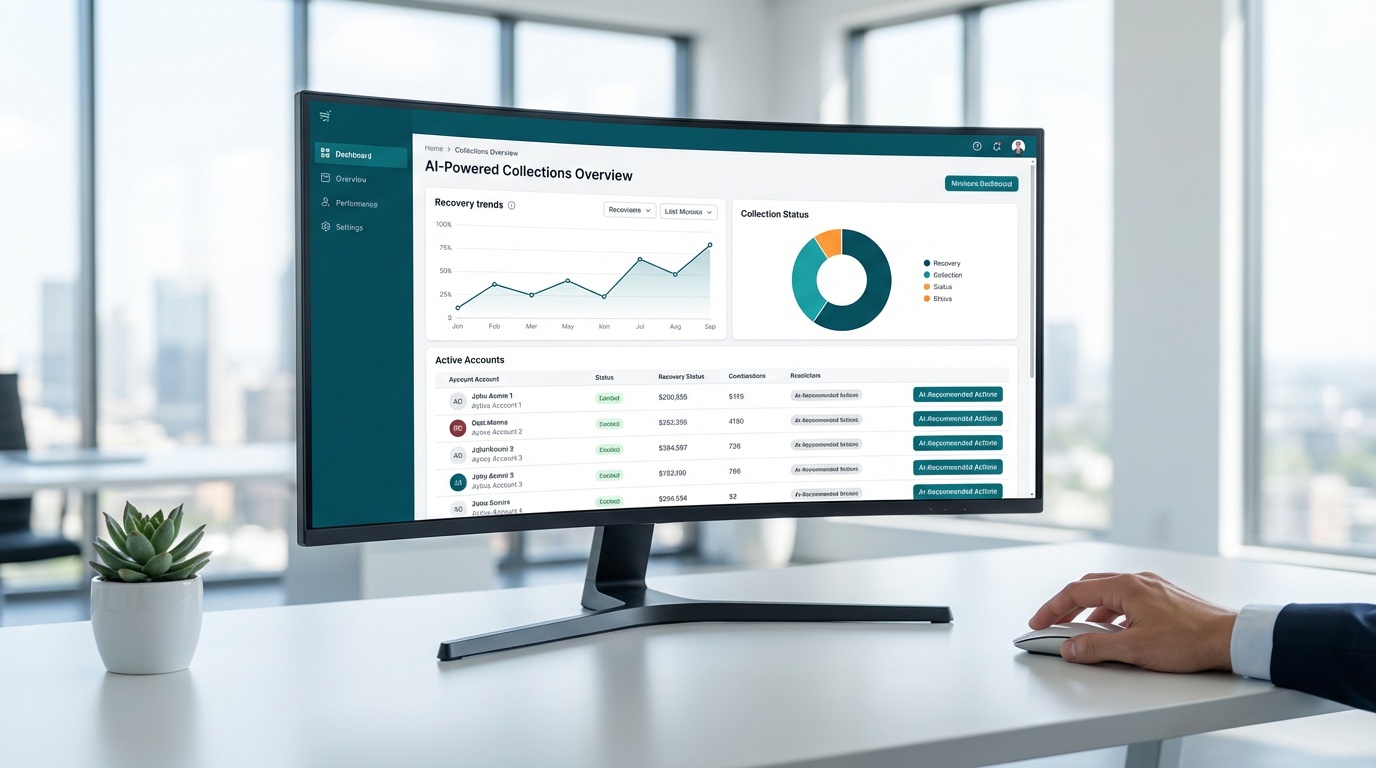
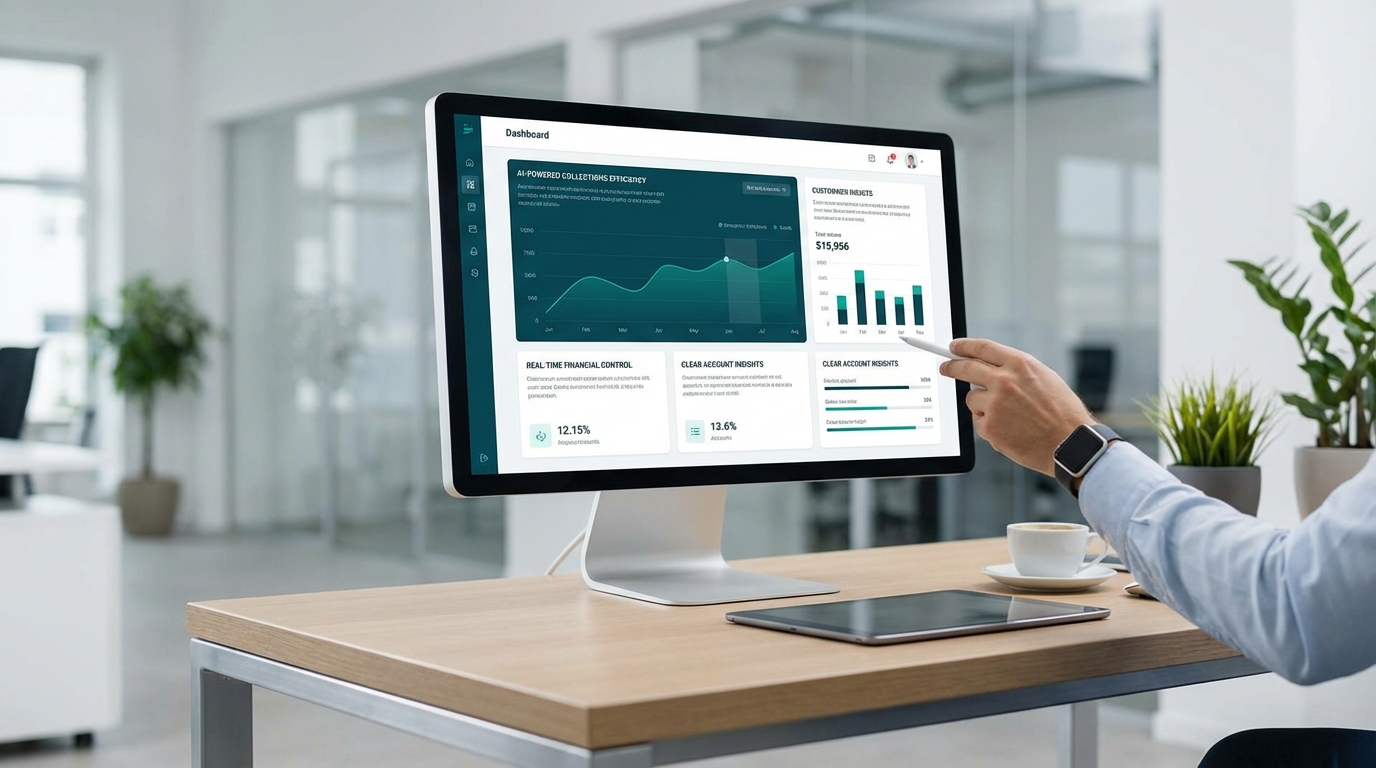
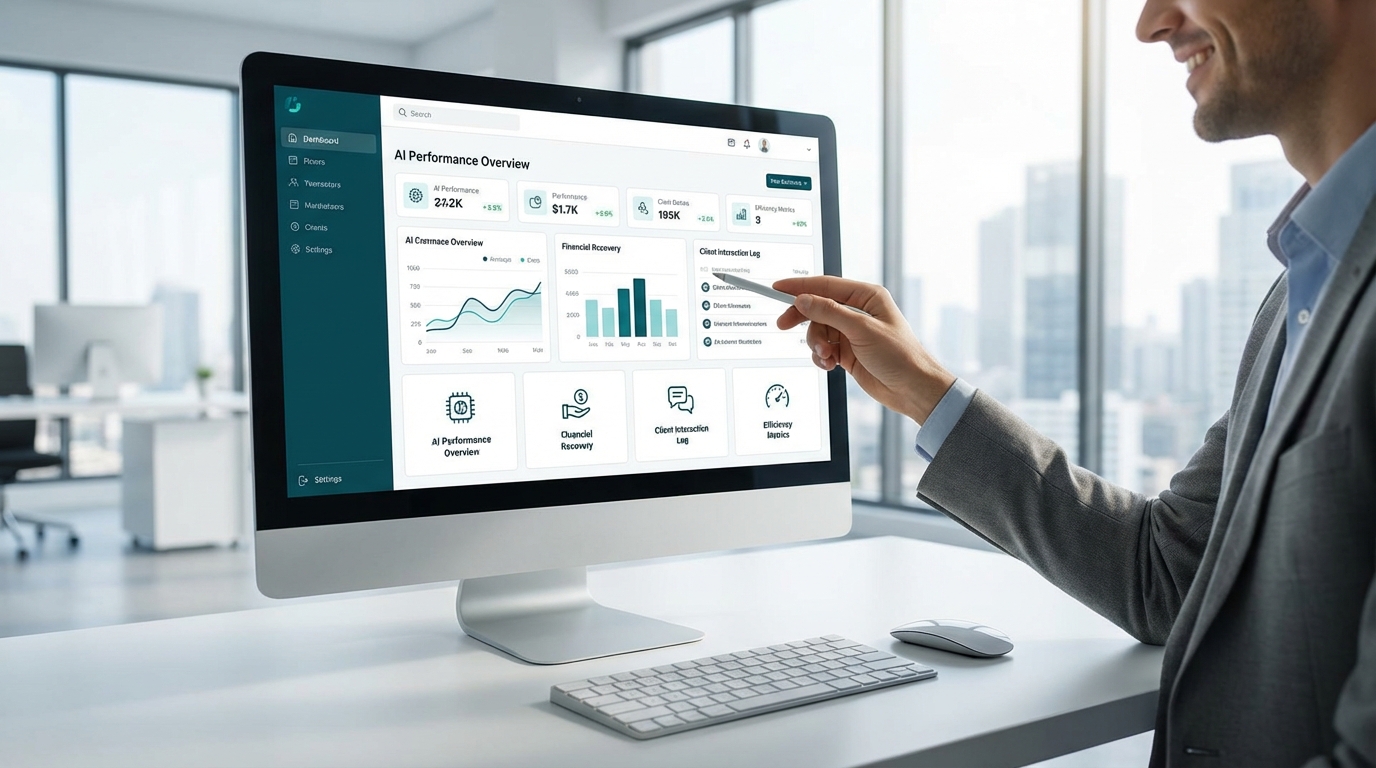
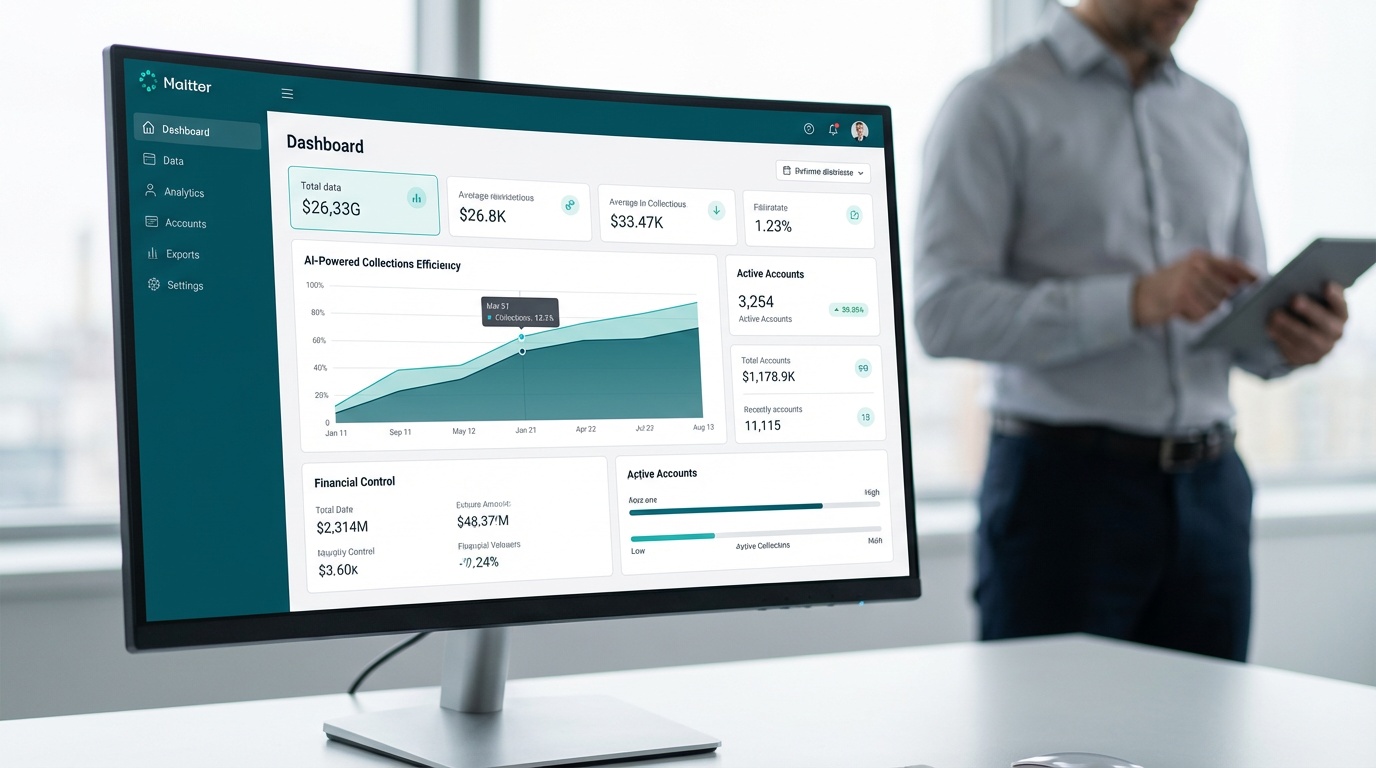
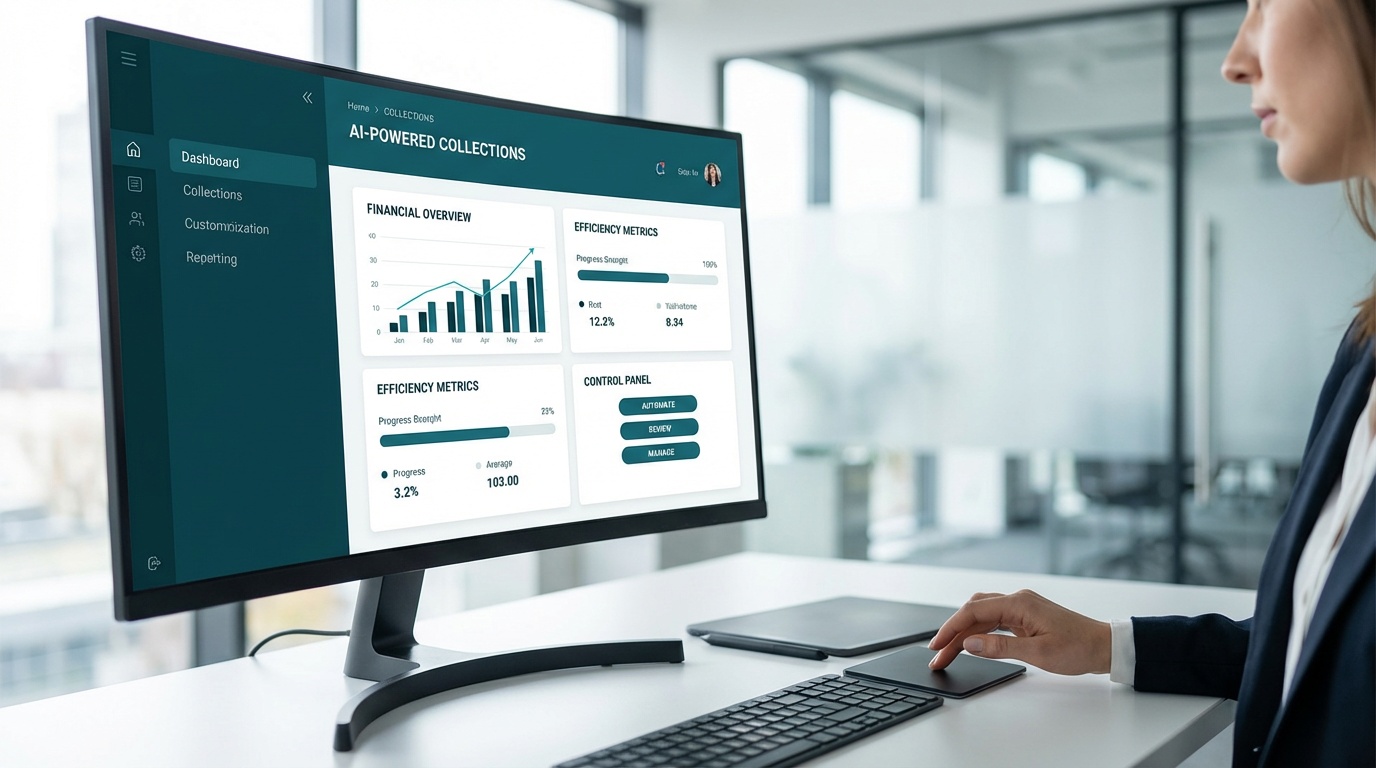
The dashboard gives you a real-time view of every account: current balance, payment history, communication timeline, and next scheduled action. You can filter by aging bucket, industry segment, or recovery status. Click into any account to see the full conversation thread, adjust the outreach schedule, or approve a payment plan request. No more spreadsheet tracking. No more wondering if someone followed up.
Payment flexibility is where you'll see the fastest time-to-cash improvement. Customers access a secure portal where they can pay in full or set up an installment plan within the parameters you've defined. You control minimum payment amounts, maximum term lengths, and approval thresholds. Arrangements that meet your criteria get approved instantly; anything outside those bounds gets flagged for review. This self-service approach cuts the back-and-forth that typically adds days or weeks to the payment cycle.
Compliance operates in the background but remains critical to protecting your business. The Fair Debt Collection Practices Act (FDCPA) limits contact frequency and prohibits certain communication methods; Dash enforces those limits automatically. TCPA opt-out requests get logged and respected immediately. For healthcare providers, HIPAA-ready messaging keeps patient information protected. Payment data flows through PCI DSS-aligned processing, reducing your liability exposure.
Here's what that means in practice: you can't accidentally call someone after hours, text someone who opted out, or send an insecure message with patient details. The platform won't let those actions happen. Audit logs capture every interaction, so if a complaint arises, you've got a complete record showing exactly when and how you communicated. That documentation becomes your best defense in any regulatory review.
Pros and Cons of Dash for Collections
Pros
- AI-driven outreach timing adapts to customer behavior, improving response rates without manual work
- Real-time dashboards eliminate spreadsheet tracking and give visibility into every account
- Self-service payment portals reduce negotiation time and accelerate cash collection
- Built-in compliance controls prevent FDCPA, TCPA, HIPAA, and PCI DSS violations automatically
- Fixed monthly pricing with no commissions--you keep 100% of recovered amounts
- Unlimited accounts, texts, and emails mean costs stay predictable as volume scales
Cons
- Initial setup requires importing account data and configuring templates, which takes a few hours
- Teams accustomed to manual workflows need time to define automation rules and trust the system
- Self-service payments work best when customers have reliable internet or mobile access
- Highly complex payment arrangements (e.g., revenue-sharing agreements) may need manual handling
Step-by-Step Implementation: Get Started with Dash in One Week
You can deploy Dash from data import to first outreach in five business days. Here's the sequence that consistently delivers results within the first week.
Day 1: Data Import and Validation. Export your overdue accounts from your billing or accounting system into CSV format. Import the file into Dash, then map columns to standard fields--name, contact details, balance, due date, account notes. The system flags missing or invalid data (wrong phone format, duplicate accounts) so you can correct issues before activating outreach. Most teams complete this step in 2-3 hours.
Day 2-3: Template Configuration. Choose a communication sequence based on account age or balance tier. Dash provides templates for common scenarios (30-day past due, 60-day escalation, payment plan confirmation), but you'll want to customize tone and timing to match your brand. Edit subject lines, adjust message intervals, and set escalation triggers. Define payment plan parameters: minimum payment, maximum term, and whether arrangements require approval or auto-accept within certain limits.
Day 4: Segment Testing. Select a small segment--maybe 50 accounts in the 30-60 day range--and activate outreach. Monitor results in the Dash dashboard over 48 hours. You're checking for message deliverability, response quality, and any customer feedback about tone or clarity. Make adjustments to templates or timing based on what you observe. This pilot phase catches issues before you scale to your full portfolio.
Day 5: Full Deployment. Activate outreach for your complete portfolio. The system begins scheduling messages based on each account's profile and engagement history. As responses arrive, the AI adjusts future outreach timing and channel selection. Customers who engage via email continue receiving email; those who ignore email but open texts shift to text-first sequences. Your team focuses on approving payment plans, handling customer inquiries, and monitoring accounts that hit escalation thresholds.
Within the first week, you'll see payment portal activity increase and manual follow-up volume decrease. The system learns from engagement patterns across your entire portfolio, so performance improves continuously as it gathers more data. Teams typically report measurable recovery rate improvements by week two and full operational rhythm by week four.
Dash Across Industries: Recovery Outcomes
Healthcare and dental practices face unique challenges with patient balances. Insurance coordination delays create confusion about what's owed, and patients may not realize they have an outstanding balance until they receive a statement weeks after service. Dash addresses both issues: automated reminders keep patients informed, and payment portals let them verify coverage details and set up arrangements without calling the office. Front-desk staff spend less time fielding payment calls, and patient satisfaction stays high because conversations remain respectful and solution-focused.
One dental group with 12 locations implemented Dash to handle balances over $100 that were 30+ days past due. They configured three-tier messaging (reminder, payment plan offer, final notice) with two-week intervals. Within 60 days, they recovered 34% of targeted balances without a single phone call. Patients appreciated the flexibility to pay online after hours, and the practice eliminated the cost and reputation risk of sending accounts to a traditional collection agency.
Property management teams juggle late rent, utility charges, and move-out balances across dozens or hundreds of units. Manual tracking becomes impractical at scale, and inconsistent follow-up lets small balances age into larger problems. Dash automates the entire workflow: the system detects late payments, initiates contact sequences, and offers self-service payment plans. Property managers can set different rules for active tenants versus move-outs, adjusting tone and escalation pace to fit the relationship.
A regional property management firm managing 800 units implemented Dash after calculating they were writing off $120,000 annually in uncollected balances under $500. They set aggressive automation for move-out balances (no ongoing relationship to protect) and softer messaging for current tenants. Six months in, they'd recovered an additional $68,000 in previously written-off amounts and reduced average collection time from 74 days to 31 days.
Financial services, legal practices, solar installers, storage facilities, and trucking companies all contend with overdue invoices that pile up while teams focus on new business. Each industry has nuances--legal clients may dispute charges, solar customers may struggle with loan payments, trucking companies deal with damaged goods claims--but the core challenge remains the same: you need consistent, compliant follow-up without dedicating full-time staff to collections.
Dash adapts to those nuances through customizable templates and payment rules. A law firm might use firm, formal language and shorter payment terms. A solar company might emphasize long-term payment plans and budget-friendly options. Storage facilities might automate lien notifications alongside payment reminders. The platform provides the structure; you provide the strategy. To see how the workflow fits your specific operation, request a personalized demo and walk through your accounts with a Dash specialist.
Frequently Asked Questions
What are the Dash guidelines for collections?
The Dash guide provides a practical roadmap for managing overdue receivables in-house. It outlines how to use AI-powered automation, compliance-ready tools, and self-service payment options to regain control of first-party collections. This approach helps teams keep conversations professional while increasing payment responses.
What are the compliance rules within the Dash platform?
Dash is built with compliance guardrails to support industry regulations. It aligns with FDCPA for contact controls, TCPA for opt-out handling, and PCI DSS for payment data protection. For healthcare workflows, Dash also offers HIPAA-ready communication to protect patient information.
Does Dash provide good reporting dashboards?
Yes, Dash provides a real-time, in-depth dashboard to monitor overdue receivables and recovery performance. These dashboards show account status, payment activity, and response metrics in one place, helping teams track progress without manual effort.
How can a business start using Dash?
Getting started with Dash is a straightforward process, often completed within a week. You begin by importing overdue account data, mapping fields, and setting communication templates and payment-plan rules. Then, you activate outreach for a selected segment and monitor results through the Dash dashboards.
What makes Dash different from traditional collection methods?
Dash moves beyond traditional collection methods that often rely on manual follow-ups or aggressive tactics. It uses AI-powered automation to improve outreach timing and messaging, offering self-service payment options that protect customer relationships. This approach turns collections into a measurable operating function, increasing payments without third-party agencies.
Which industries benefit from using Dash?
Dash is adaptable for various industries facing overdue receivables. Healthcare and dental practices use it for patient balances, while property management teams apply it to late rent. Financial services, legal, solar, storage, and trucking teams can also tailor Dash's tone, plan options, and escalation timing to fit their specific needs.
About the Author
This article comes from the experts at Dash, a leading cloud-based soft collections software platform. Our mission is to empower businesses across diverse industries--from financial services and healthcare to property management and solar--to efficiently recover overdue receivables. We believe in providing you with the tools to take control of your cash flow, without the need for costly and often reputation-damaging third-party collection agencies.
At Dash, we understand the challenges businesses face in maintaining healthy financial operations while preserving customer relationships. Our platform is engineered to address these complexities head-on, offering a modern, compliant, and highly effective alternative to traditional debt collection. We focus on delivering solutions that are not just about recovery, but also about efficiency, control, and long-term business health.
The Dash Difference
What sets Dash apart is the combination of AI-powered automation with full first-party control. Your team stays in the driver's seat--managing outreach timing, messaging tone, and payment plan flexibility--while the platform handles compliance guardrails, contact frequency limits, and real-time performance tracking. The result is faster recoveries, lower cost per dollar collected, and customer relationships that stay intact. See how Dash works →