.png)
automated reminders software vs CRM collections
Choosing between automated reminders software vs CRM collections determines whether you recover overdue invoices efficiently or struggle with manual follow-ups and compliance risks. Businesses managing high volumes of receivables face a key decision: rely on generic CRM modules or invest in purpose-built collections technology. The right choice affects cash flow speed, operating costs, and customer retention.
CRM systems excel at managing customer relationships but often fall short on the specialized demands of receivables recovery. Generic workflow automation lacks the compliance guardrails, AI-driven timing optimization, and payment flexibility that dedicated collections platforms deliver. Dash represents a modern approach: specialized software built to recover payments faster while preserving the relationships your business depends on.
This analysis covers functional differences, compliance capabilities, and performance outcomes. Use these distinctions to pick the option that fits your recovery goals and operating requirements.
Key Takeaways
- Dedicated reminders software automates multi-channel outreach with compliance controls built in, while CRM modules require manual configuration and ongoing admin oversight
- Purpose-built platforms typically recover payments faster through optimized timing, self-service portals, and flexible payment plans that reduce friction
- High-volume or regulated businesses benefit most from specialized tools that centralize audit trails, contact rules, and compliance documentation
- Monthly platform pricing eliminates commission costs and usage caps common in CRM add-ons and third-party collection services
Core Differences Between Reminders Platforms and CRM Collections
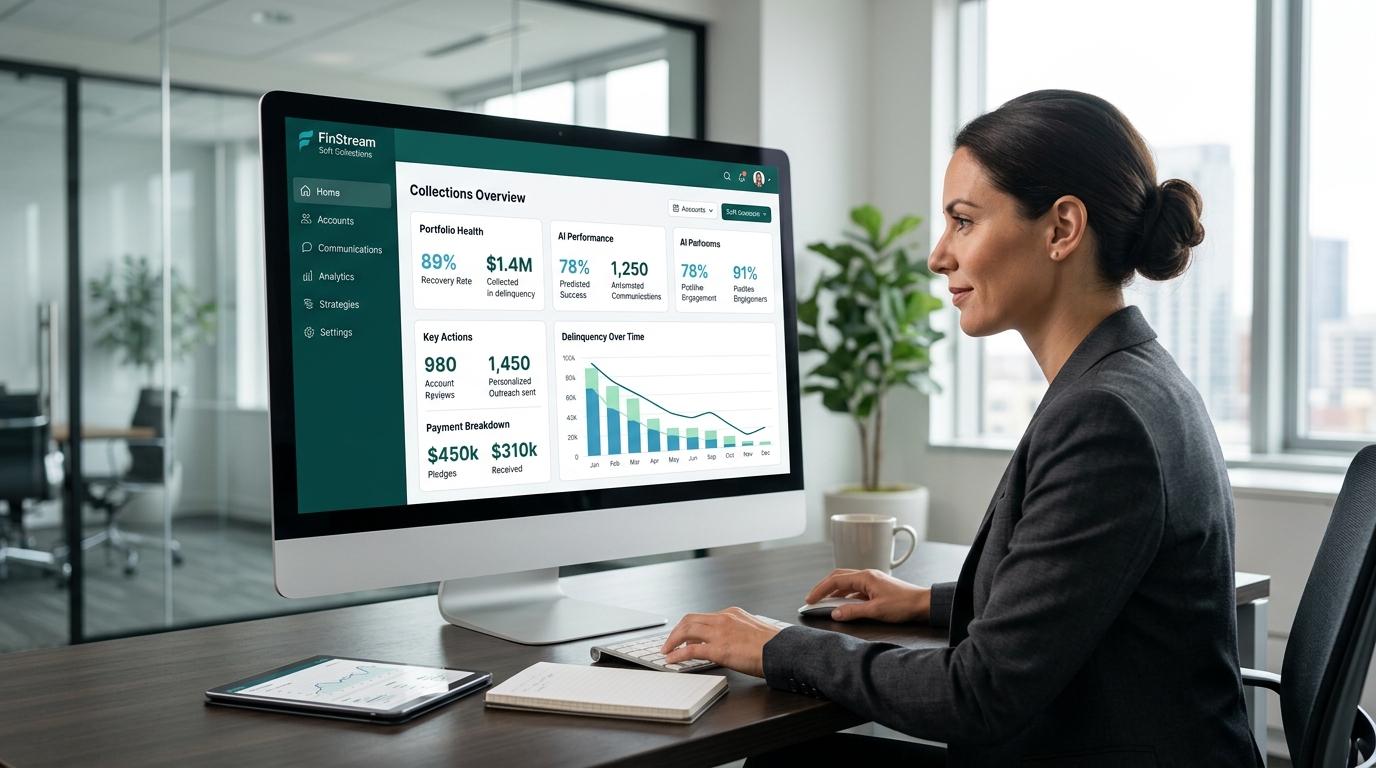
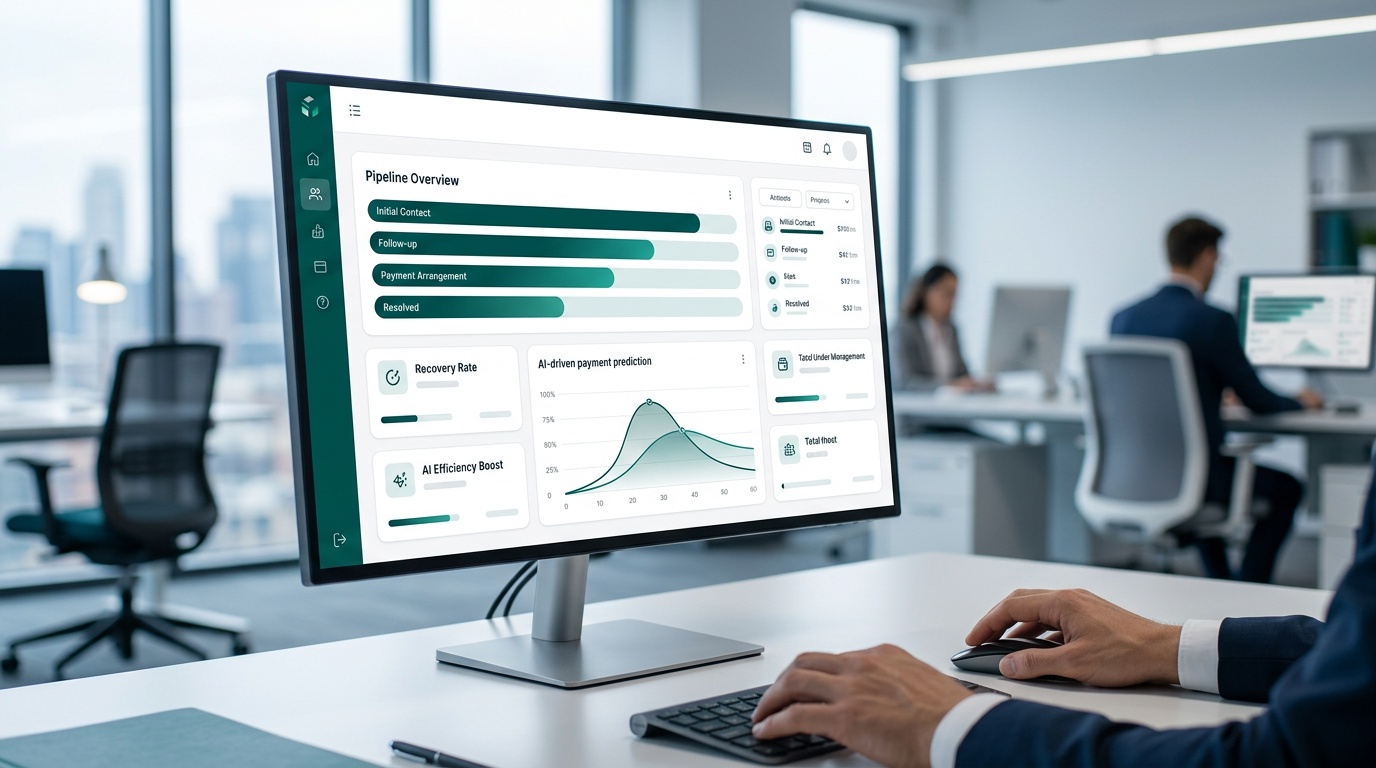
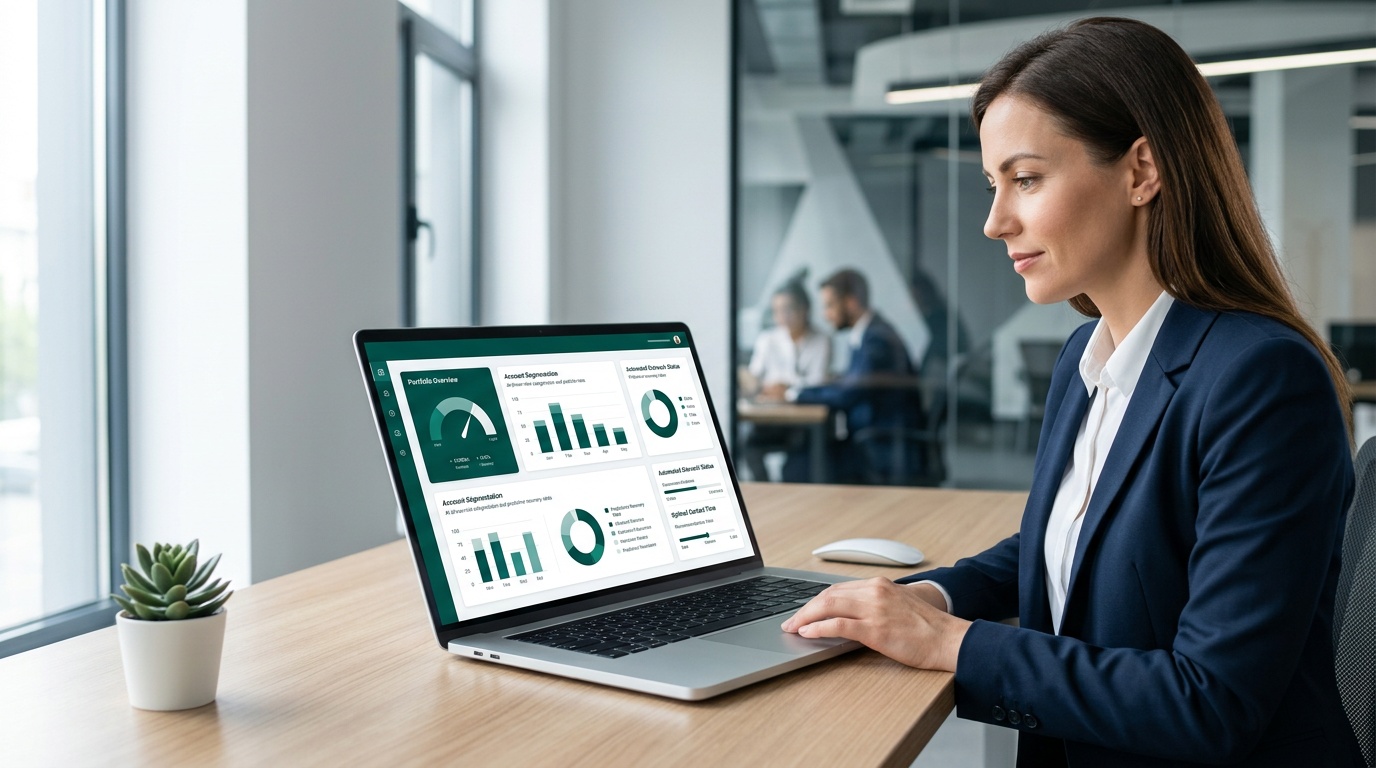
Dedicated reminders platforms focus on recovering overdue receivables through intelligent, compliance-driven outreach. They optimize contact timing, personalize messaging, and automate follow-up sequences across email and SMS. Dash fits this category, offering purpose-built workflows that reduce manual chasing.
CRM collections modules extend general customer relationship management systems with basic dunning capabilities. They often include templated email reminders and task assignments but lack deeper automation, built-in compliance controls, and flexible payment experiences. CRMs excel at sales pipeline work. Collections is a secondary function.
The performance gap shows up in three areas: automation depth, compliance risk management, and payment conversion. Dedicated platforms adapt outreach cadence to debtor behavior. CRM modules depend on static schedules and manual edits. Purpose-built tools also centralize audit trails and controls that are harder to maintain through custom CRM configuration.
Quick Answer: Purpose-built reminders tools typically recover faster because they automate outreach, centralize compliance controls, and reduce payment friction. CRM modules require ongoing configuration work to achieve similar results.
Feature-by-Feature Comparison
| Capability | Automated Reminders Software (Dash) | CRM Collections Modules |
|---|---|---|
| Outreach Timing | Optimized timing and sequencing based on account behavior | Static schedules that require manual adjustment |
| Multi-Channel Automation | Text and email sequences in one workflow | Often email-first; SMS may require an integration |
| Compliance Controls | Controls and audit logs built into the platform | Rules often depend on manual configuration |
| Self-Service Payments | Branded portal with flexible plans, autopay, and partial payments | Often routes to external processors with limited customization |
| Reporting | Collections-focused metrics and activity history | Reporting can be spread across modules |
| Pricing Model | Monthly platform pricing; no commission on recovered amounts | Bundled licensing plus potential add-on and integration costs |
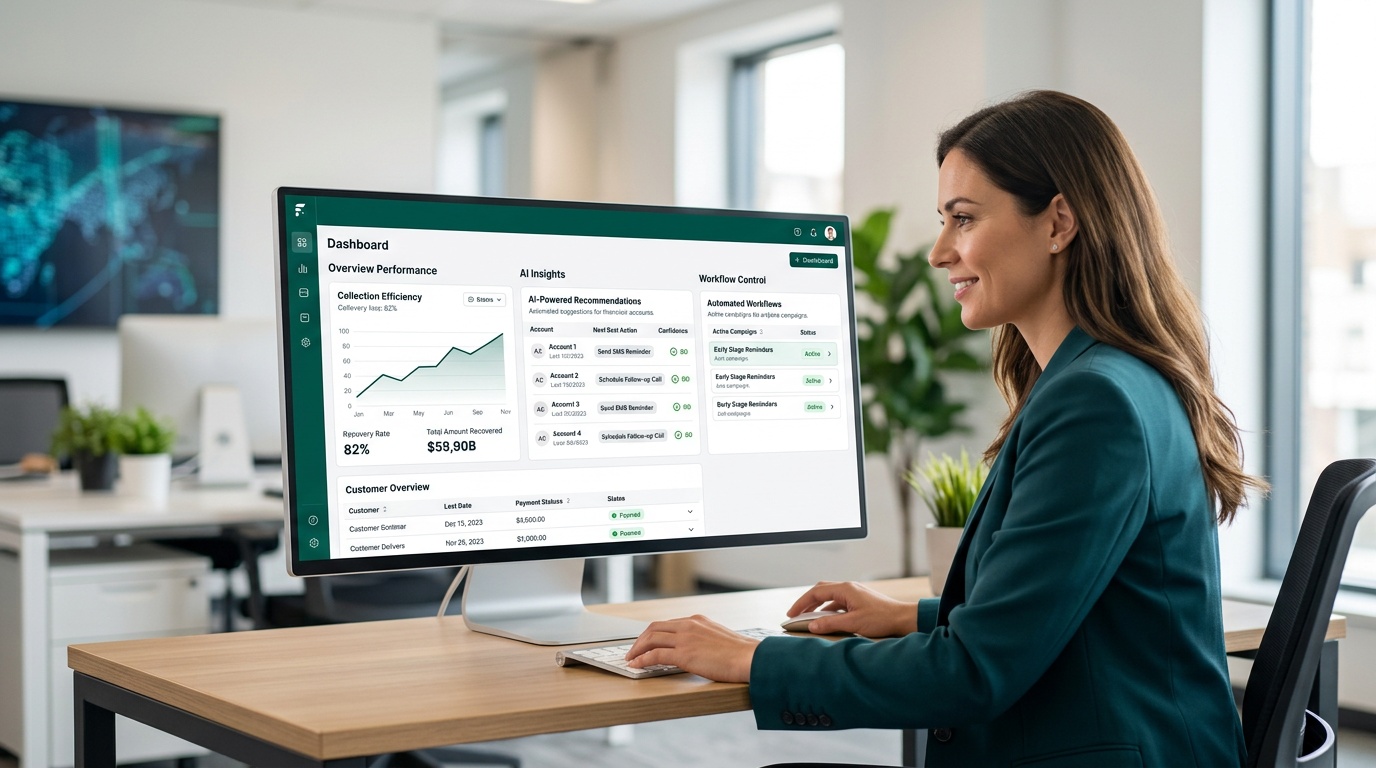
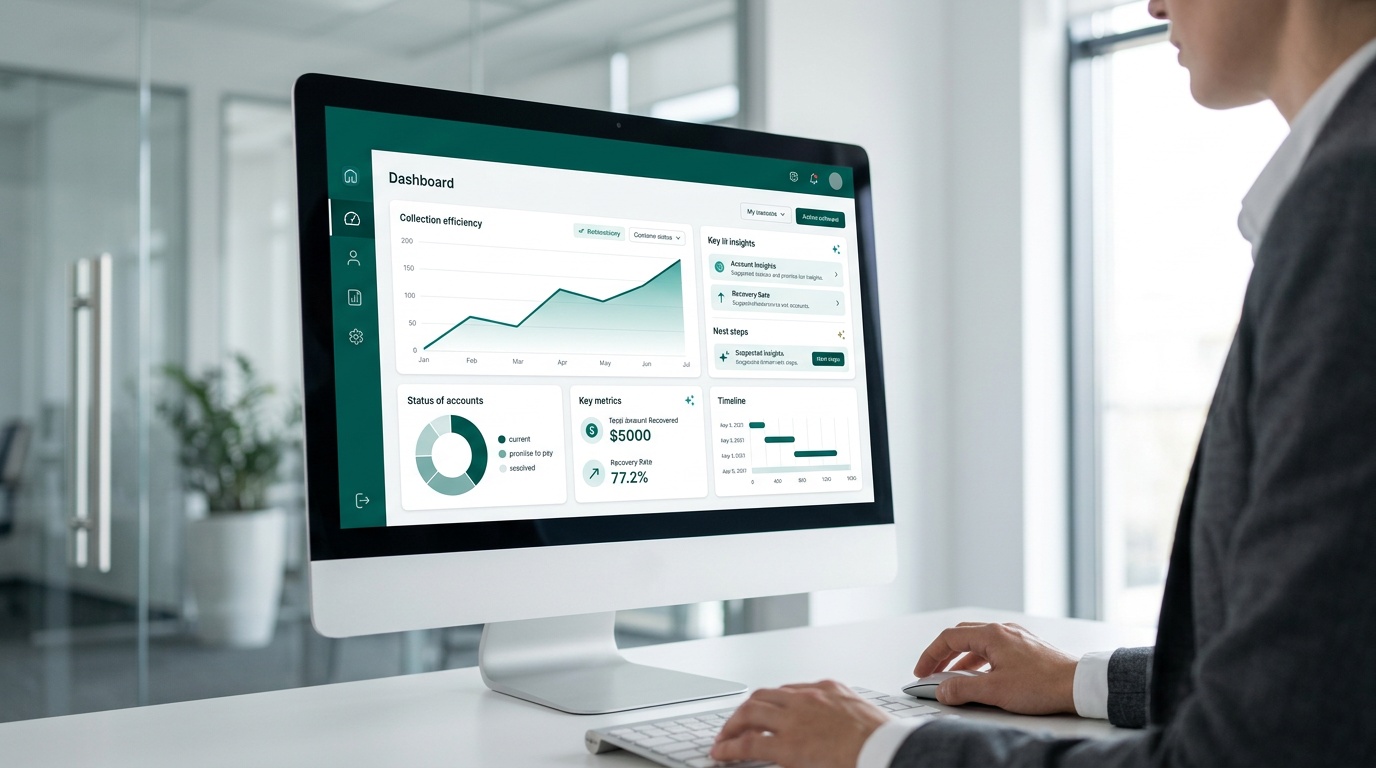
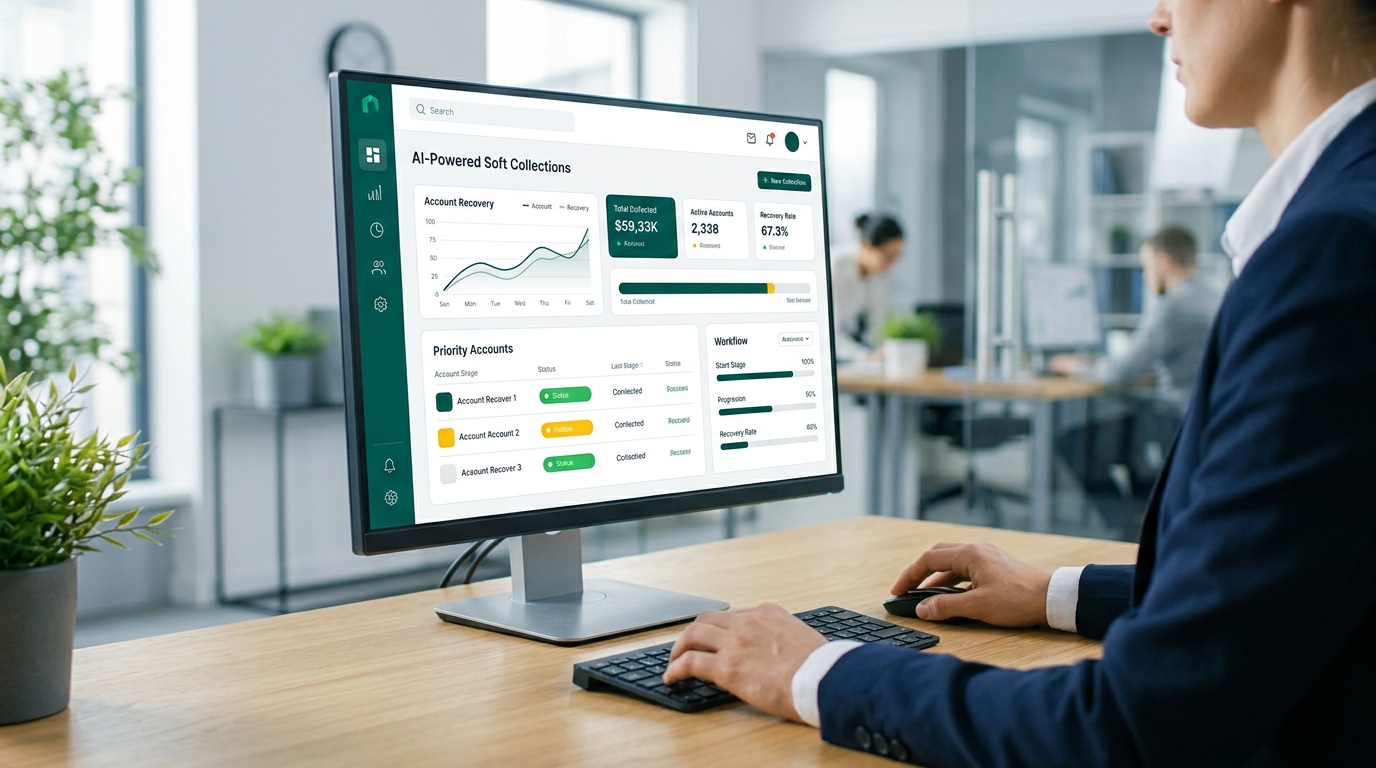
Dash turns collections from reactive task tracking into proactive receivables recovery. It automates follow-ups, supports personalized messaging, and logs each step. Teams spend less time on manual outreach. Many see faster payments once customers receive clear, consistent reminders and simple payment options.
Why Dedicated Collections Software Delivers Results
Automation depth drives speed. A dedicated platform sends consistent reminders, adjusts cadence by account behavior, and keeps payment links front and center. CRM modules send a smaller set of generic messages unless teams build and maintain custom workflows.
Multi-channel outreach amplifies effectiveness. A CRM might send a few emails over several weeks. Dash coordinates SMS and email with a clear escalation path and self-service payment links. This approach keeps communication firm but respectful, which protects tenant or patient relationships.
Compliance risk represents a hidden cost of CRM-based collections. The Fair Debt Collection Practices Act sets expectations for contact practices and opt-out handling. Dash helps teams stay consistent through built-in controls. CRM users rely on configuration discipline and ongoing admin oversight.
Payment friction also matters. Self-service portals that show balances, allow plan selection, and support quick payment reduce time-to-pay. CRM modules often require handoffs to external payment pages with inconsistent experiences.
ROI Reality: Results vary by industry, volume, and message strategy, but specialized collections software typically increases payment rates while reducing staff time spent on follow-ups.
When to Choose Specialized Software
Small teams with low delinquency volume may find a CRM module adequate, especially when the CRM already supports sales and service. Once volume grows or regulatory exposure increases, dedicated tools deliver better consistency without adding headcount.
Regulated industries need purpose-built controls. Healthcare teams managing patient balances, financial services handling consumer debt, and any business sending SMS reminders under TCPA expectations benefit from systems built around auditability and permissioning. Dash supports compliance-oriented workflows and fits into existing operations without heavy customization.
Signs your CRM has reached its limit: DSO keeps climbing, manual follow-ups consume staff time, or customer complaints about reminders occur often. Review whether your current system can support automation, reporting, and payment options in one place. High DSO signals the need for dedicated tools.
Transitioning Without Disruption
Moving from CRM collections to a dedicated platform requires a clear plan but minimal disruption. Export overdue accounts, map fields to the new system, and validate data quality before outreach begins. Dash supports CSV imports and API connections to common accounting systems to reduce manual re-entry.
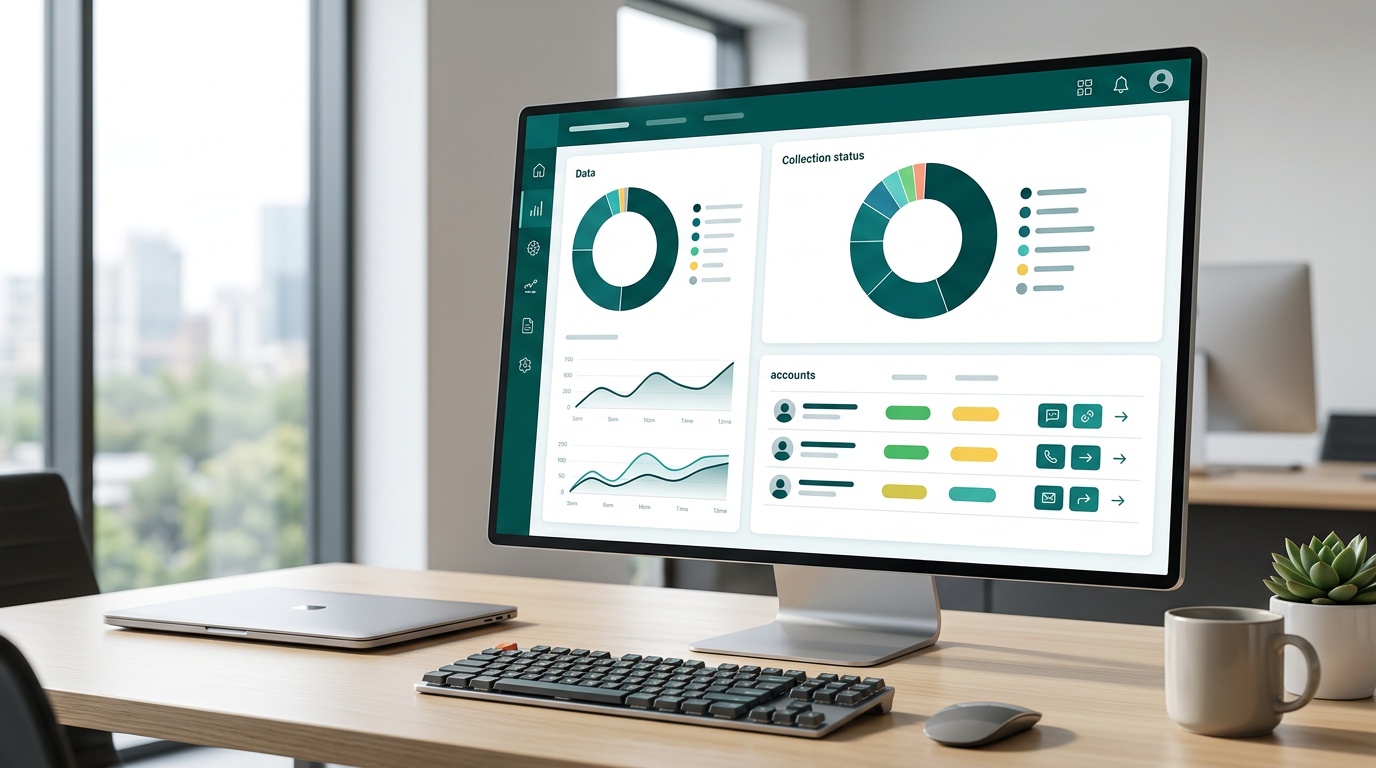
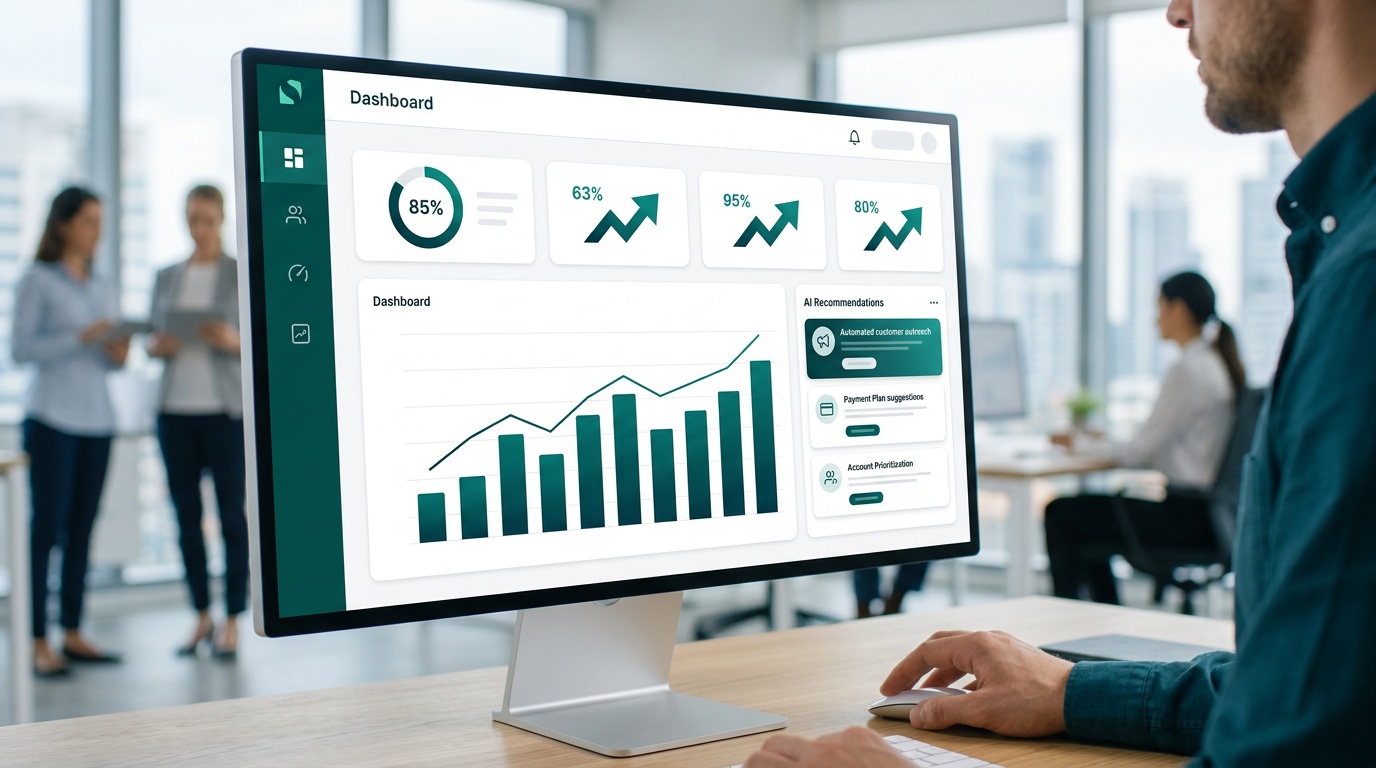
Run both systems in parallel for a short period to confirm timing, templates, and opt-out handling. Set contact limits, define permissible outreach hours, and standardize escalation rules. Dashboard visibility routes exceptions to staff while automation handles routine follow-ups.
Track these metrics: DSO, plan adoption rate, promise-to-pay conversion, and staff hours saved. Most teams measure changes within a billing cycle once outreach becomes consistent and payment steps become simpler.
What's Next for Collections Technology
Consumer communication rules keep changing. The FCC updates on robocalls and robotexts and state privacy requirements create moving targets. Purpose-built providers maintain operational controls and documentation that support ongoing compliance. Generic CRM workflows don't track regulatory changes well.
AI capabilities continue improving in receivables recovery, especially around timing, message selection, and segmentation. Some tools add predictive scoring and earlier intervention signals. CRMs can automate tasks, but they don't prioritize collections-specific models and reporting depth.
When weighing automated reminders software vs CRM collections, focus on whether your system can recover cash predictably while keeping communication respectful. Get started with Dash to deploy specialized collections workflows that work.
Frequently Asked Questions
What is the best debt collection software?
Dedicated automated reminders software, like Dash, is often preferred for recovering overdue invoices efficiently. These platforms offer specialized features such as AI-powered outreach, optimized timing, and self-service payment options, which generic CRM modules typically lack. This specialization helps businesses recover payments faster while preserving customer relationships.
What is the best appointment reminder software?
While appointment reminder software focuses on scheduling, this article discusses automated reminders software specifically for recovering overdue invoices. Solutions like Dash specialize in intelligent, compliance-driven outreach for receivables recovery. They help businesses manage high volumes of overdue accounts through automated text and email sequences.
What is CRM in collections?
In collections, a CRM, or Customer Relationship Management system, typically extends its general customer management functions to include basic dunning. These modules often provide templated email reminders and task assignments for follow-up. However, they generally lack the deep automation, built-in compliance controls, and flexible payment experiences found in specialized collections platforms.
What is an automated CRM?
An automated CRM refers to a CRM system that automates various customer interaction tasks, including some basic outreach for overdue accounts. While CRMs can automate templated emails and task assignments, their automation for collections often falls short of dedicated software. Specialized automated reminders software focuses on optimizing outreach timing and personalizing messages across multiple channels for faster recovery.
What is the 7 7 7 rule for collections?
The '7 7 7 rule' is a specific collection strategy that isn't covered in this analysis of automated reminders software versus CRM collections. Our focus here is on the technological approaches businesses use to recover overdue invoices. Dedicated platforms, like Dash, offer intelligent outreach and self-service options to streamline the recovery process.
How do dedicated reminders tools improve cash flow compared to CRM collections?
Dedicated reminders tools, like Dash, improve cash flow by automating consistent, optimized outreach and providing self-service payment options. They can adjust communication cadence based on debtor behavior and coordinate multi-channel messaging, leading to faster payments. In contrast, CRM modules often rely on static schedules and manual adjustments, which can slow down recovery.