
AI collections tools vs manual collections
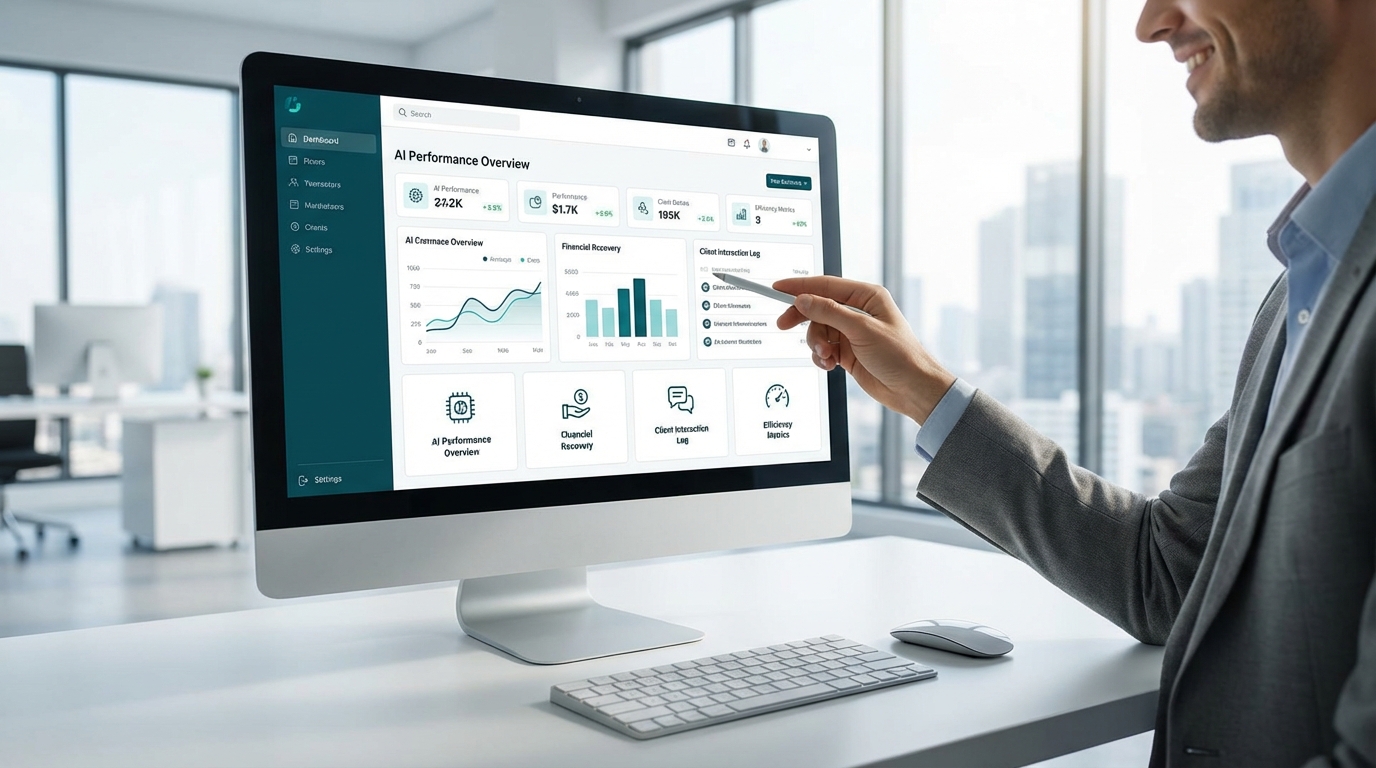
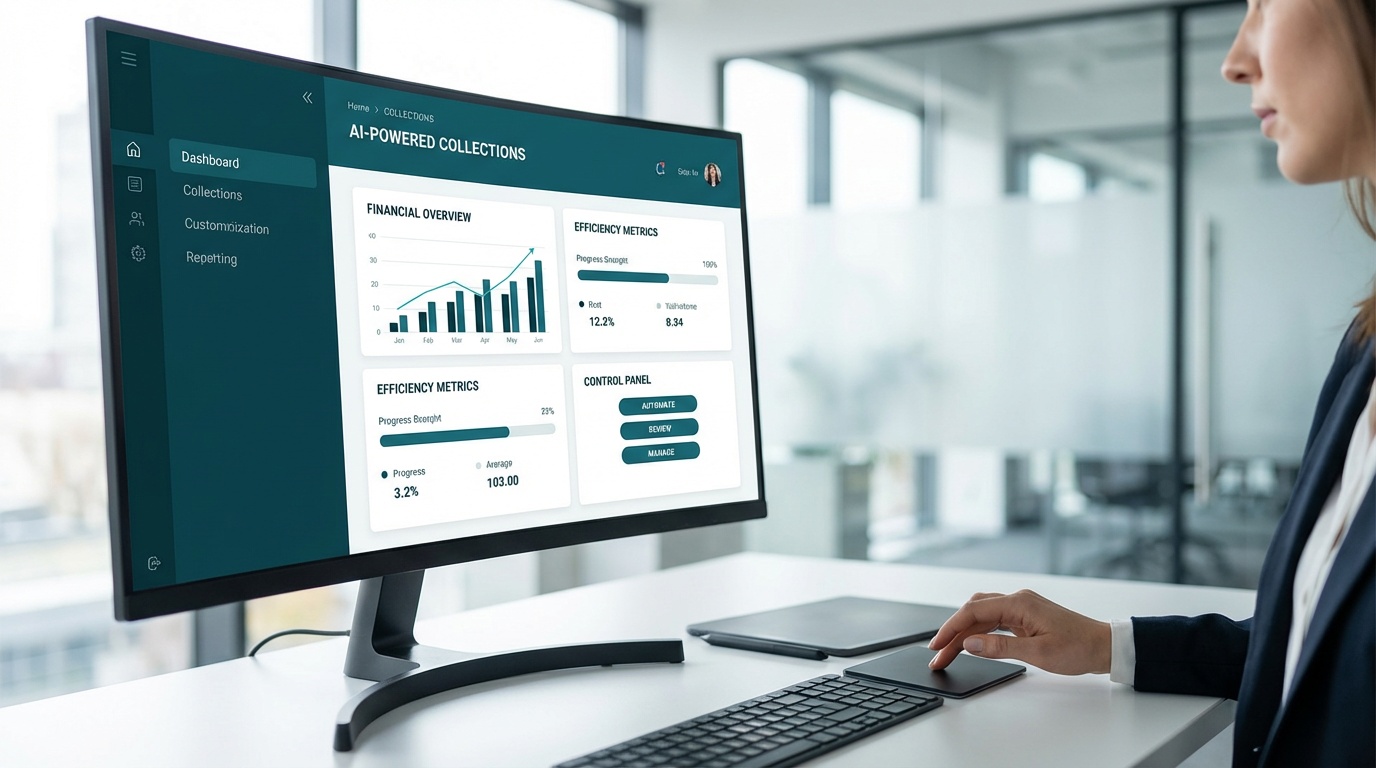
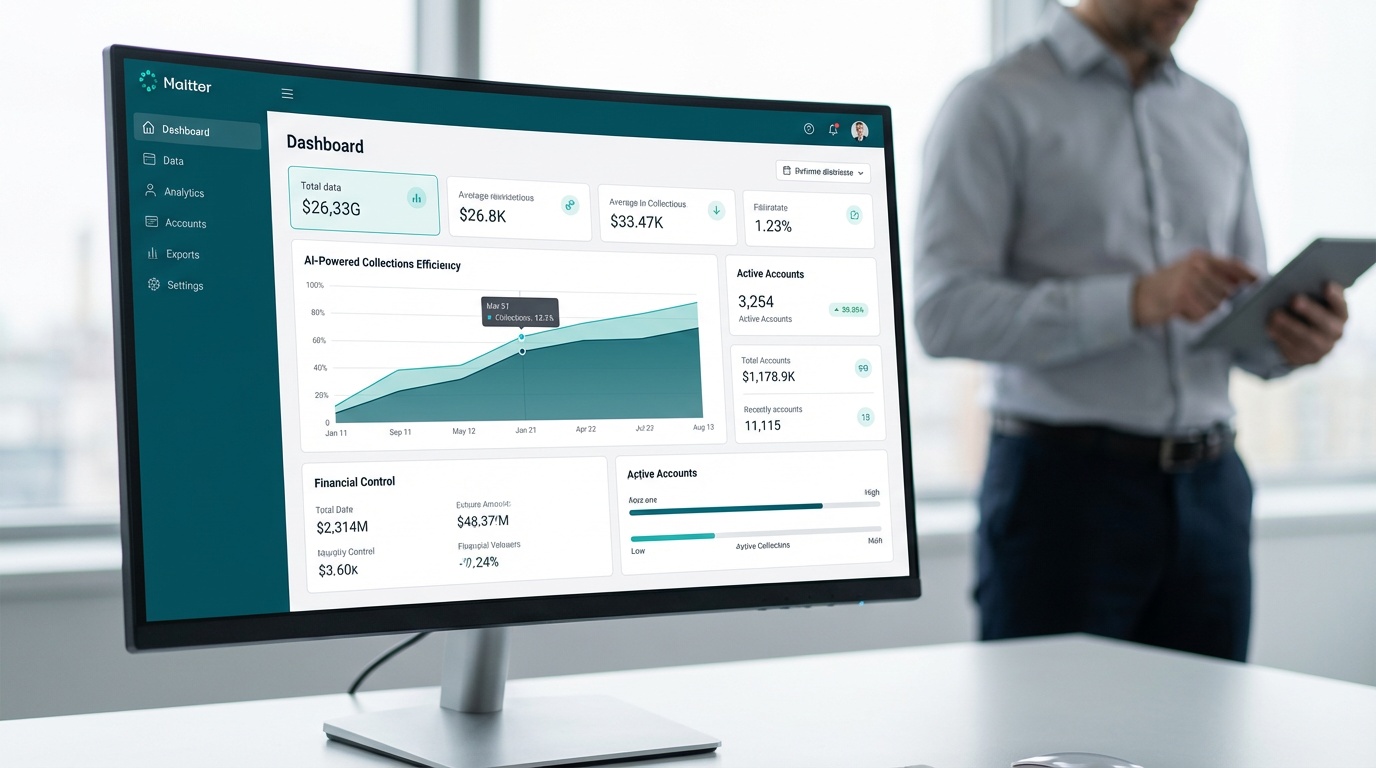
AI collections tools vs manual collections is a defining operational choice for businesses managing overdue receivables. Manual collections drain resources, introduce compliance risks, and scale poorly as account volume grows. AI-powered platforms automate outreach, optimize timing, and apply regulatory guardrails--delivering faster recoveries at a lower cost per dollar collected.
The performance gap is no longer marginal. Businesses using AI collections report measurable improvements in recovery rates, customer retention, and team efficiency within the first week of deployment. Dash supports this shift with AI-driven automation and first-party control, allowing teams to recover what they're owed without outsourcing to third-party agencies.
We'll compare speed, cost, compliance, and decision criteria so you can determine when to automate, what results to expect, and how to modernize receivables without compromising customer relationships.
Key Takeaways
- AI collections platforms process thousands of accounts simultaneously while reducing process errors that plague manual workflows
- Automated systems scale without proportional cost increases, eliminating the need to add headcount as volume grows
- Built-in compliance guardrails reduce TCPA and FDCPA violations that manual processes often miss
- AI-driven timing and personalization preserve customer relationships while accelerating payment recovery
Table of Contents
- The Speed and Accuracy Gap: How AI Collections Outperform Manual Methods
- Cost Efficiency and Scalability: Recovering More Without Adding Headcount
- Compliance and Customer Relationships: The Hidden Costs of Manual Collections
- Choosing Your Collections Strategy: When to Automate and When to Stay Hands-On
- About the Author
The Speed and Accuracy Gap: How AI Collections Outperform Manual Methods
Manual collections teams operate at human speed. Each account requires individual review, outreach timing decisions, and follow-up tracking. An experienced collector might handle 80-120 accounts per day. AI collections tools process thousands of accounts simultaneously, applying data-driven contact strategies in real time.
The throughput difference translates directly to cash flow. Dash users typically see improvements in recovery rates within the first 30 days--not just in total dollars collected, but in the percentage of customers who engage with self-service payment options. Manual teams can't match that volume without proportionally increasing staff.
Accuracy matters as much as speed. Manual workflows introduce risk at every handoff. A missed follow-up, an incorrectly logged opt-out request, or a contact made outside permitted hours can trigger compliance violations. AI systems enforce rules consistently across every account, every time.
| Capability | AI Collections Tools | Manual Collections |
|---|---|---|
| Account Processing Speed | High-volume processing with optimized contact timing | Limited by agent capacity |
| Error Rate | Lower when rules and checks are automated | Higher risk of inconsistency and missed steps |
| Contact Personalization | Messaging based on account history and behavior | Templates with limited customization |
| Follow-Up Consistency | Sequenced outreach with fewer missed touchpoints | Depends on workload and documentation |
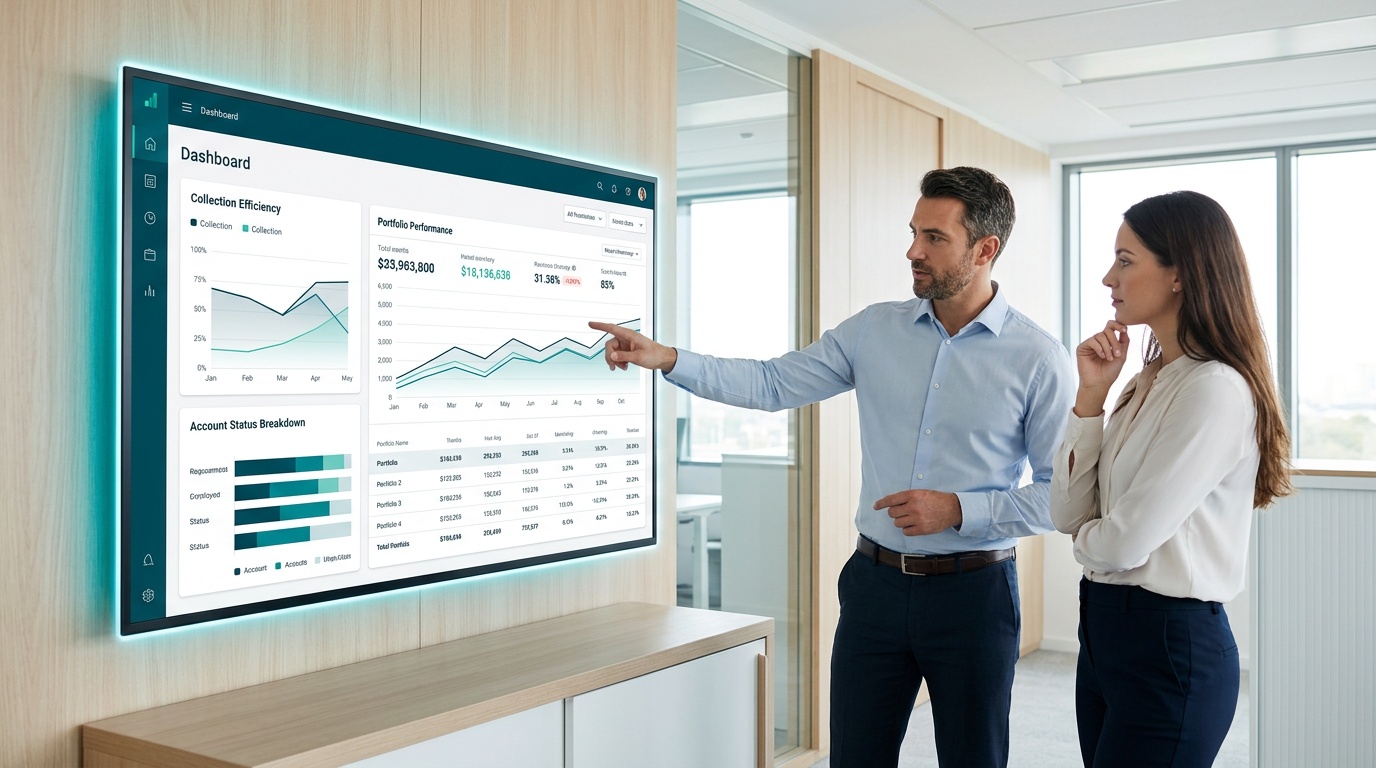
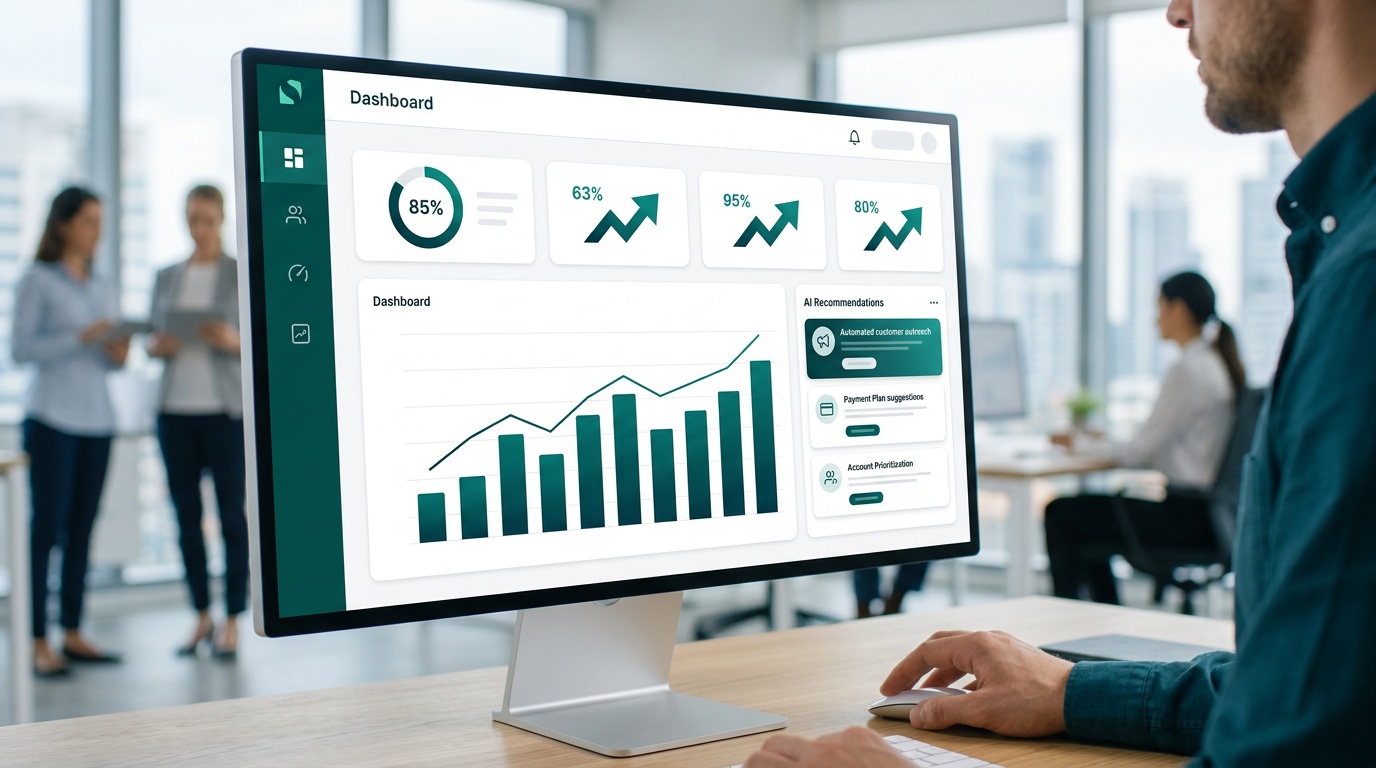
| Reporting | Dashboards and segmentation | Manual reporting and spreadsheets |
Performance Insight
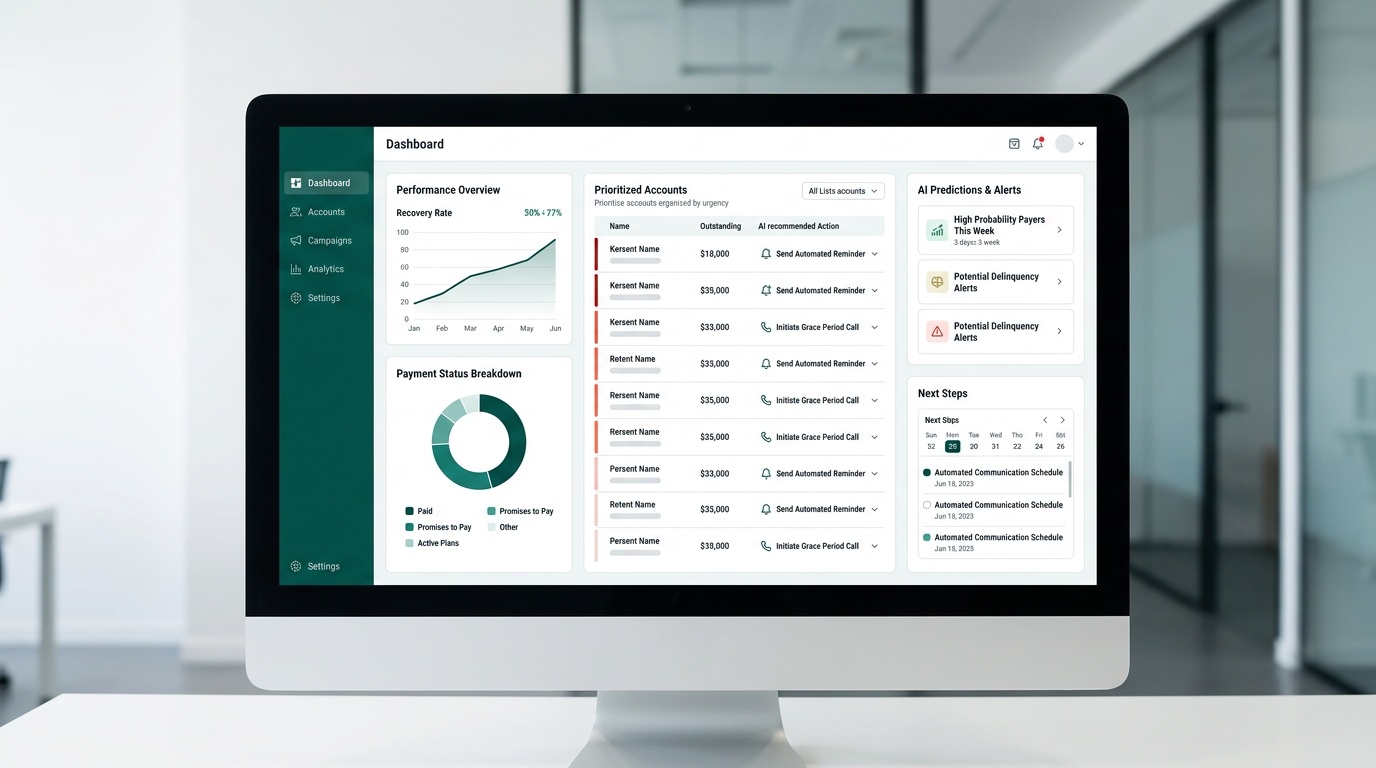
AI-driven outreach timing can raise contact rates compared with manual scheduling by using behavioral signals to select send times and channels.
Personalization at scale is another advantage. AI tools analyze payment history, communication preferences, and engagement patterns to customize messaging. A property management company using Dash can send different messages to tenants with lease violations versus those with temporary hardship--all without manual segmentation.
Cost Efficiency and Scalability: Recovering More Without Adding Headcount
Manual collections scale linearly. When your account volume doubles, labor costs typically double. You need more collectors, more supervisors, more quality assurance, more training hours. The cost per dollar collected remains stubbornly fixed--or increases if newer hires are less experienced.
AI collections tools break that model. A platform like Dash uses a fixed monthly platform fee with no commissions on recovered amounts. Add 500 accounts or 5,000 accounts--the pricing structure remains predictable. Teams can scale operations without the traditional headcount math.
Consider the hidden costs of manual collections. Training a new collector takes 4-6 weeks before they reach full productivity. Turnover in collections roles often exceeds 30% annually in high-volume environments. Each departure means lost institutional knowledge, hiring costs, and a new training cycle. Automation eliminates these friction points entirely.
The efficiency gains compound over time. A healthcare practice managing patient balances manually might need three full-time staff to handle 2,000 active accounts. With AI-driven soft collections handling initial outreach and self-service payment plans, that same practice might need one staff member focused on exceptions and disputes. The recovered hours get redirected to higher-value work--complex negotiations, payment plan approvals, or patient experience improvements.
Volume volatility creates another cost challenge for manual teams. Seasonal businesses and industries with cyclical cash flow face staffing dilemmas: hire for peak volume and pay idle staff during slow periods, or stay lean and accept lower recovery rates when volume spikes. Automated systems absorb volume fluctuations without adding variable labor costs.
Third-party agencies charge contingency fees ranging from 25% to 50% of recovered amounts. That's money leaving your business for work you could handle in-house with the right tools. Dash gives you first-party control at a fraction of the cost, keeping more of what you recover.
Compliance and Customer Relationships: The Hidden Costs of Manual Collections
Manual collections raise compliance risk when teams rely on spreadsheets, shared inboxes, and inconsistent documentation. TCPA contact rules, FDCPA communication standards, and state-specific requirements demand controls that are difficult to maintain at scale with manual processes.
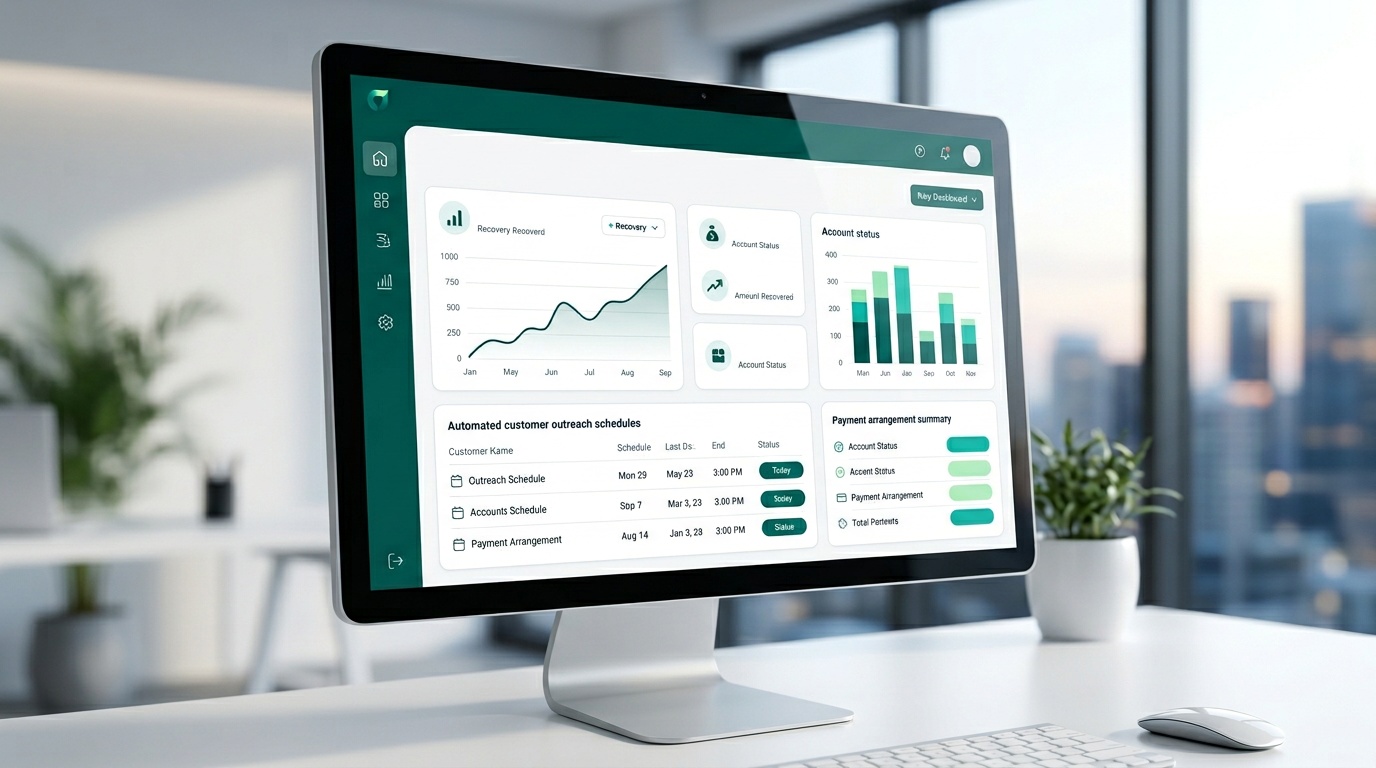
A single violation can cost $500 to $1,500 per incident under TCPA. Multiply that across a portfolio and the exposure becomes material. Dash enforces contact limits, honors opt-out requests automatically, and maintains audit logs for every outreach attempt. The system won't allow a user to violate frequency caps or contact someone outside permitted hours.
Healthcare organizations face additional complexity with HIPAA requirements. Manual systems often mix sensitive patient data with collections workflows in ways that create exposure. Dash supports HIPAA-aligned workflows and PCI DSS-aligned payment handling practices, reducing risk while maintaining operational speed.
Customer experience degrades when outreach is inconsistent or overly aggressive. I've seen businesses lose repeat customers over collections disputes that could have been avoided with better communication. AI-based workflows standardize tone and cadence. Self-service payment options reduce friction and shorten time-to-payment while preserving the relationship.
The reputational cost of poor collections practices is harder to quantify but no less real. A solar installer that badgers customers over missed payments risks negative reviews, referral loss, and brand damage. A property manager with aggressive tactics faces higher vacancy rates and tenant complaints. Dash helps you collect what you're owed without burning bridges.
Choosing Your Collections Strategy: When to Automate and When to Stay Hands-On
The choice between AI collections tools vs manual collections isn't binary. The right approach depends on volume, customer expectations, and the types of accounts your team manages.
First-party soft collections--accounts under 90 days past due--are ideal candidates for automation. Most debtors in this category respond to respectful, consistent reminders and flexible self-serve payment options. Dash focuses on this stage, freeing your team to concentrate on exceptions that need direct attention.
Reserve manual intervention for high-value accounts, complex negotiations, or documented disputes. A $50,000 commercial account deserves a relationship manager. A $150 consumer account does not. A hybrid approach keeps automation on standard workflows while preserving human oversight for the few accounts that justify it.
Decision Framework
Use automation for consistent outreach across large account volumes. Reserve manual effort for high-value accounts, legal disputes, and specialized negotiation cases.
Industry needs shape the choice. Healthcare teams often need systems that support HIPAA-aligned workflows. Property managers may need outreach that scales during turnover periods. Solar installers and equipment lessors often need flexible payment plan configuration that can be offered consistently across large portfolios.
Third-party agencies still make sense for severely delinquent accounts when recovery requires heavier escalation and the relationship impact matters less. A strong first-party strategy maximizes recovery before accounts reach that stage, reducing third-party fees and preserving more customer relationships.
Start by identifying your highest-volume, lowest-complexity segments. These accounts absorb the most staff time while offering the least strategic value. Automate them first. Measure recovery rates, time-to-payment, and customer satisfaction. Expand automation as you validate results.
AI collections tools vs manual collections comes down to control, cost, speed, and consistency. Manual processes work for low volume and edge cases, but they break down as volume rises. If you want a collections approach that scales, supports compliance controls, and protects customer relationships, automation should be your default for most portfolios. See how Dash modernizes receivables recovery for your industry.
Frequently Asked Questions
What is the 7 7 7 rule for collections?
The "7-7-7 rule" is not a standard or widely recognized guideline in modern collections. Instead of fixed rules, AI collections tools use data-driven insights to optimize outreach timing and channels for each account. This approach allows for more effective and personalized communication, moving beyond rigid, outdated methods.
Will AI replace collectors?
AI collections tools are designed to empower and support human teams, not replace them entirely. They automate high-volume, repetitive tasks like initial outreach and follow-ups, freeing collectors to focus on complex negotiations, high-value accounts, and exceptions. This creates a hybrid strategy where human expertise handles nuanced situations, while AI drives efficiency.
What are the capabilities of AI collections tools?
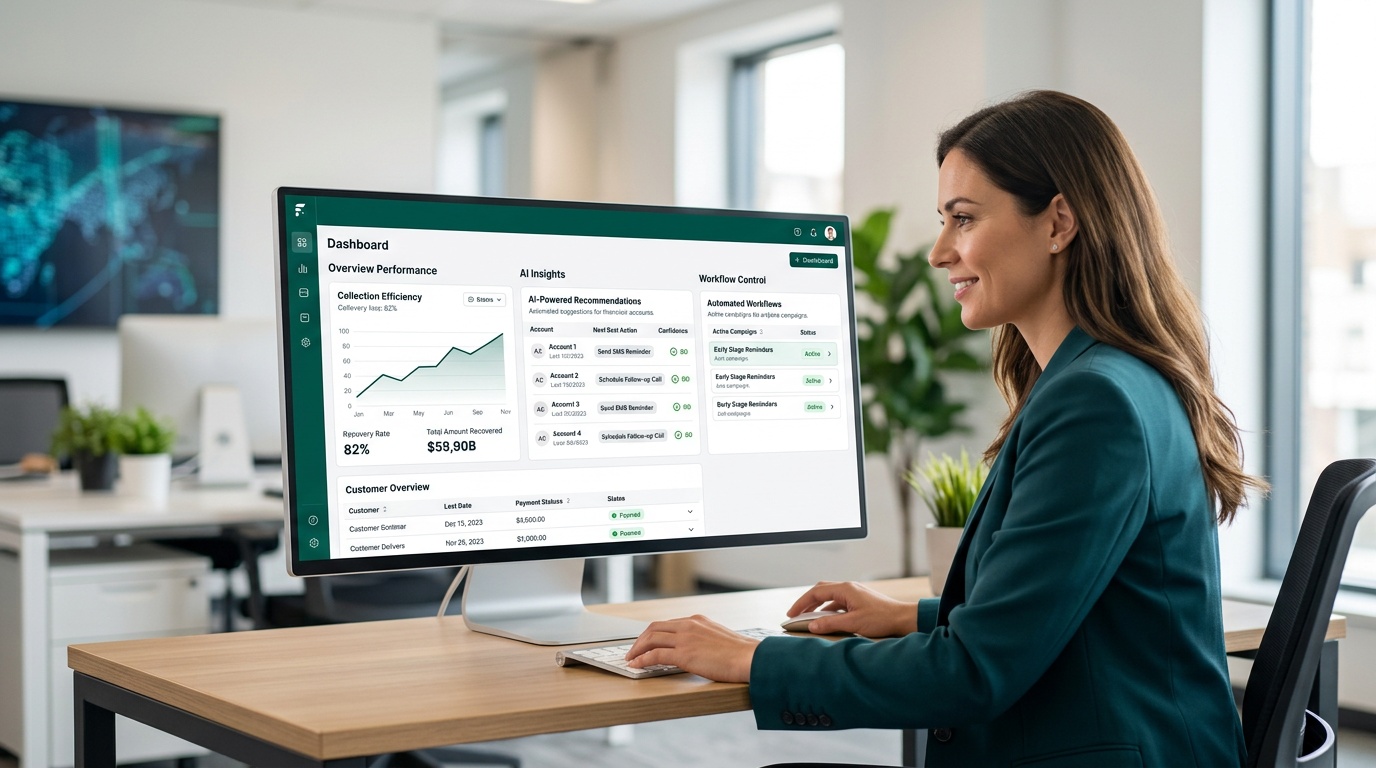
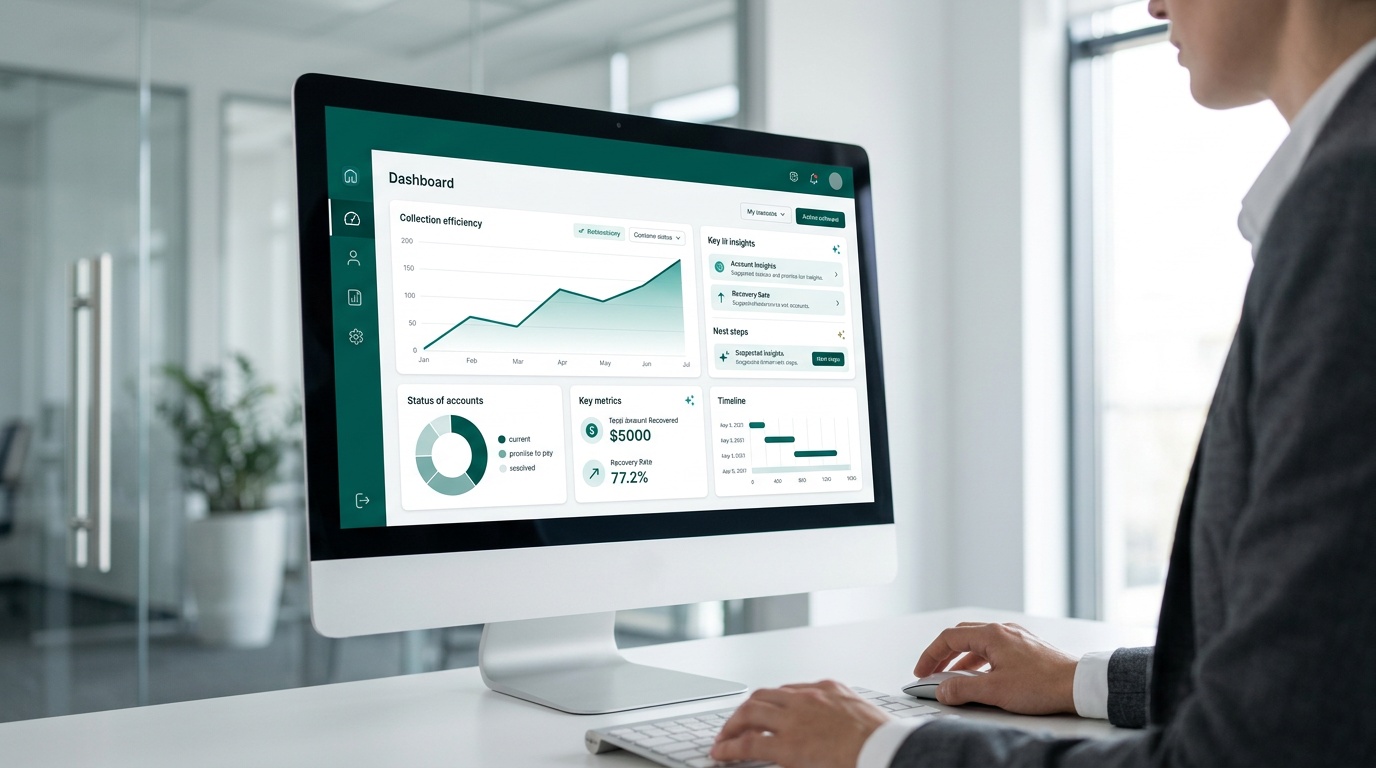
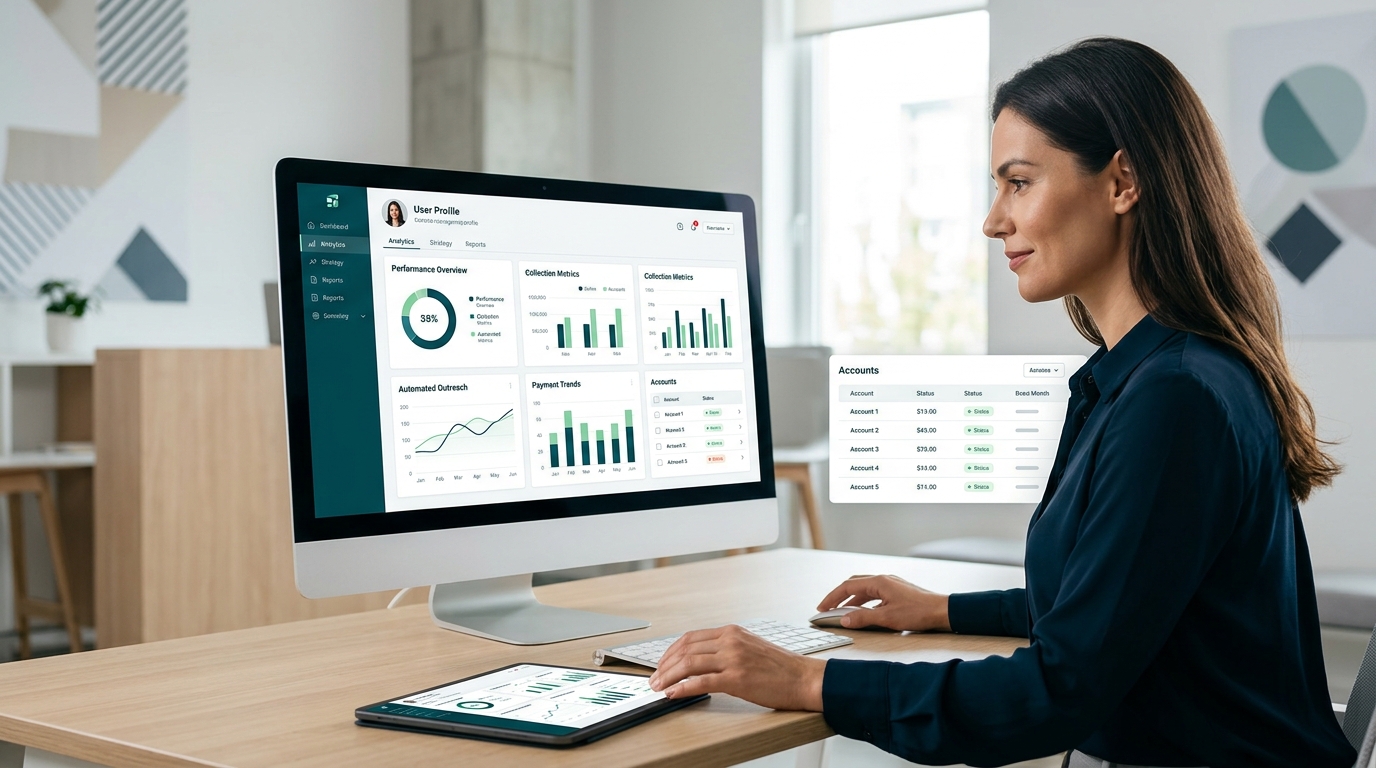
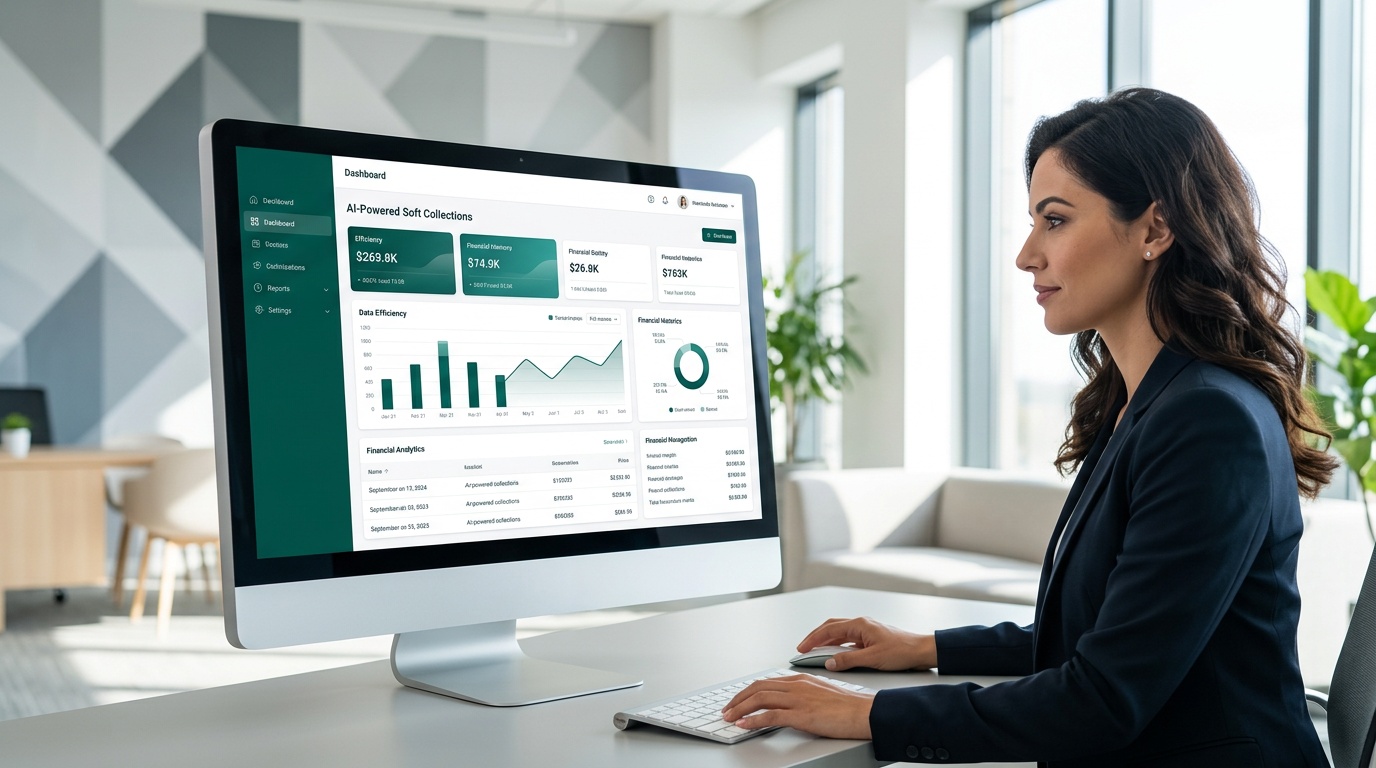
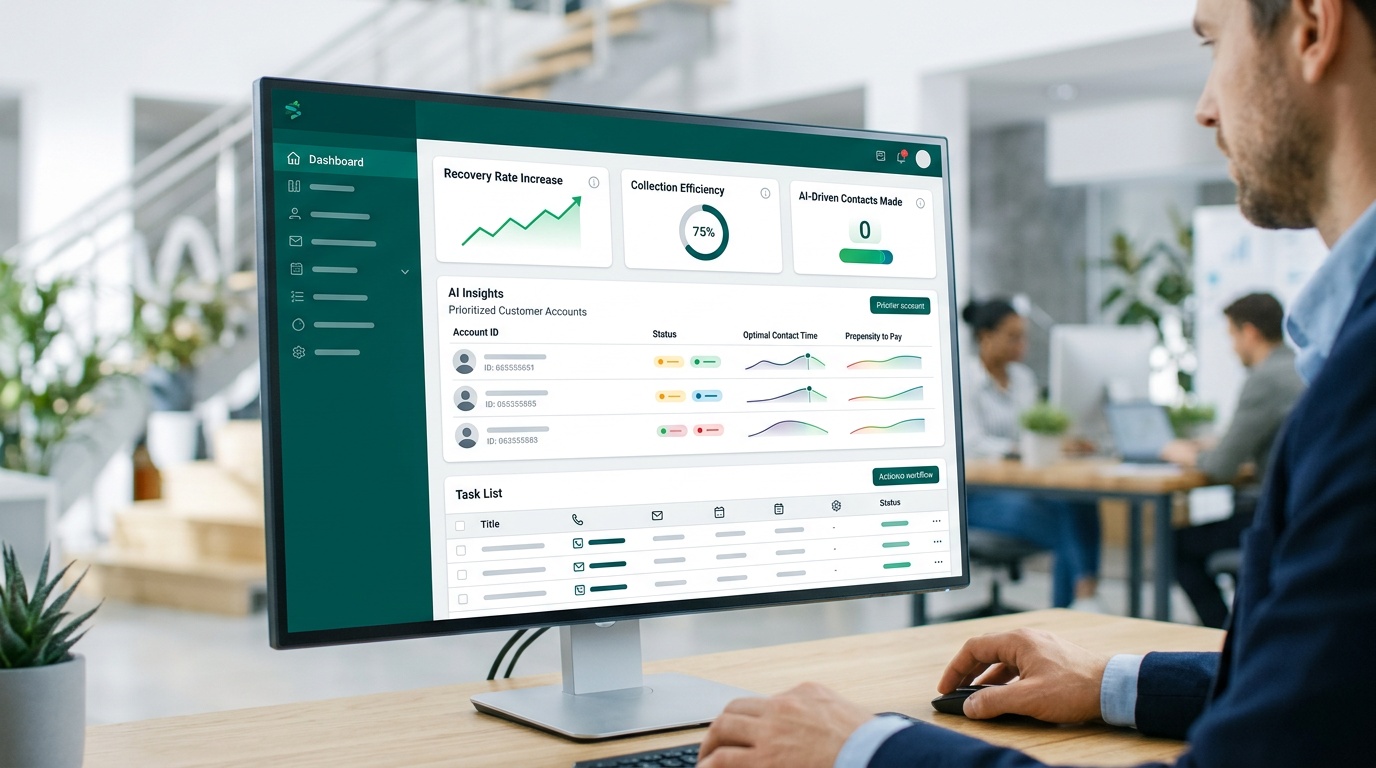
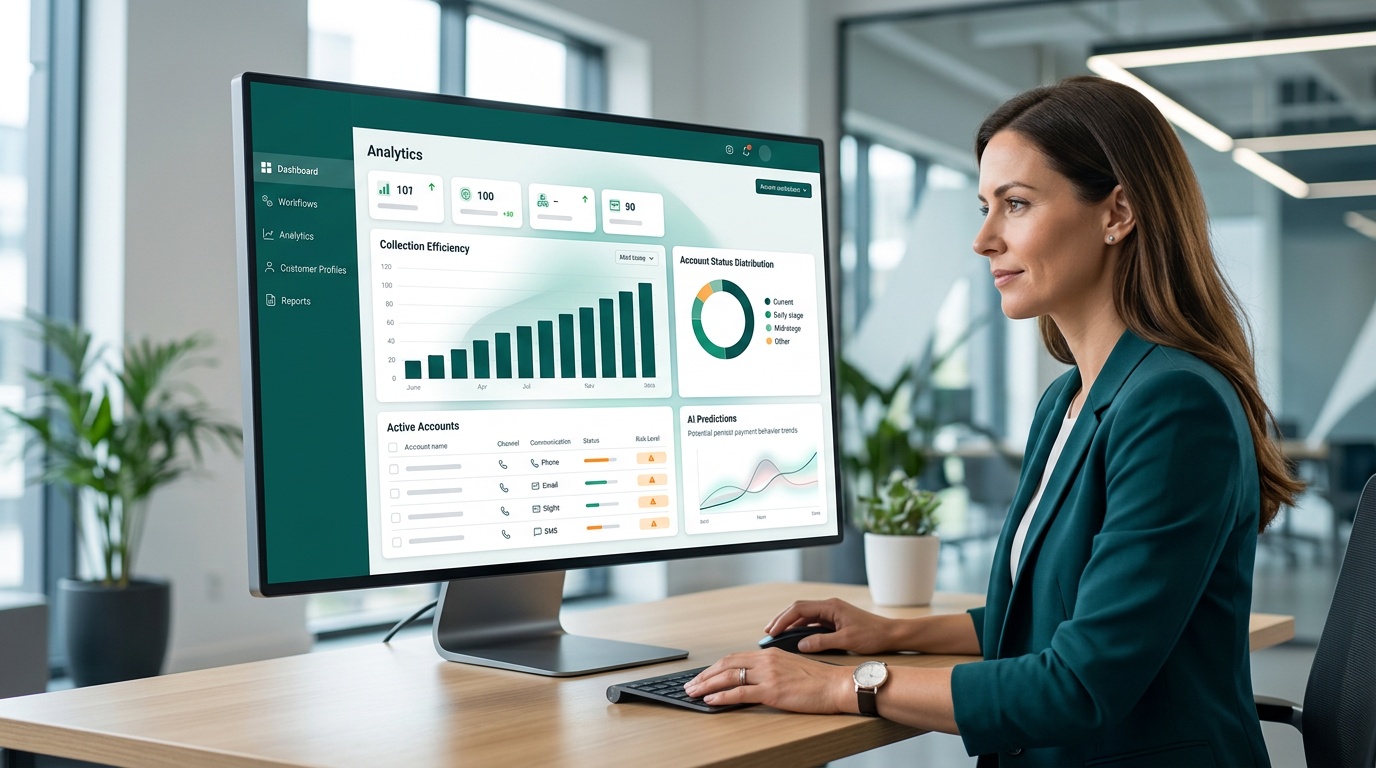
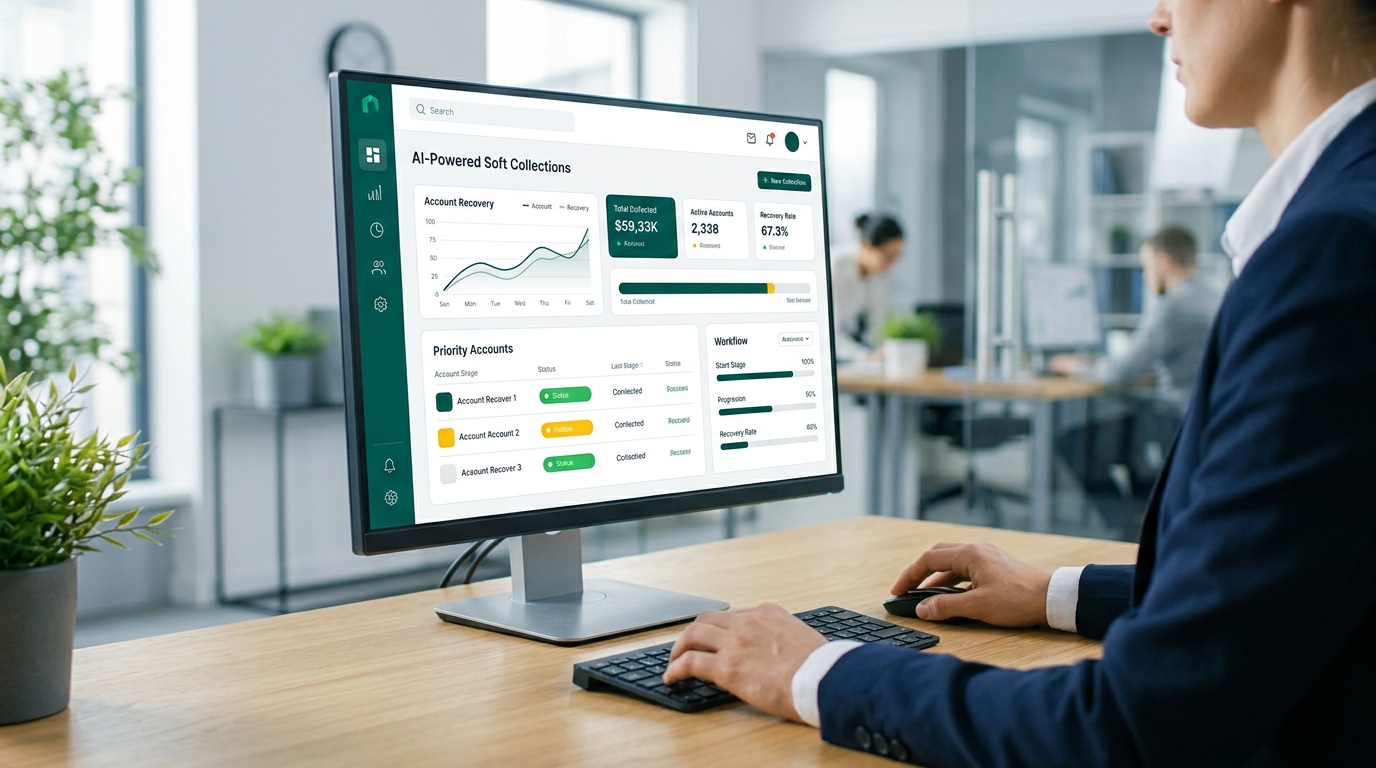
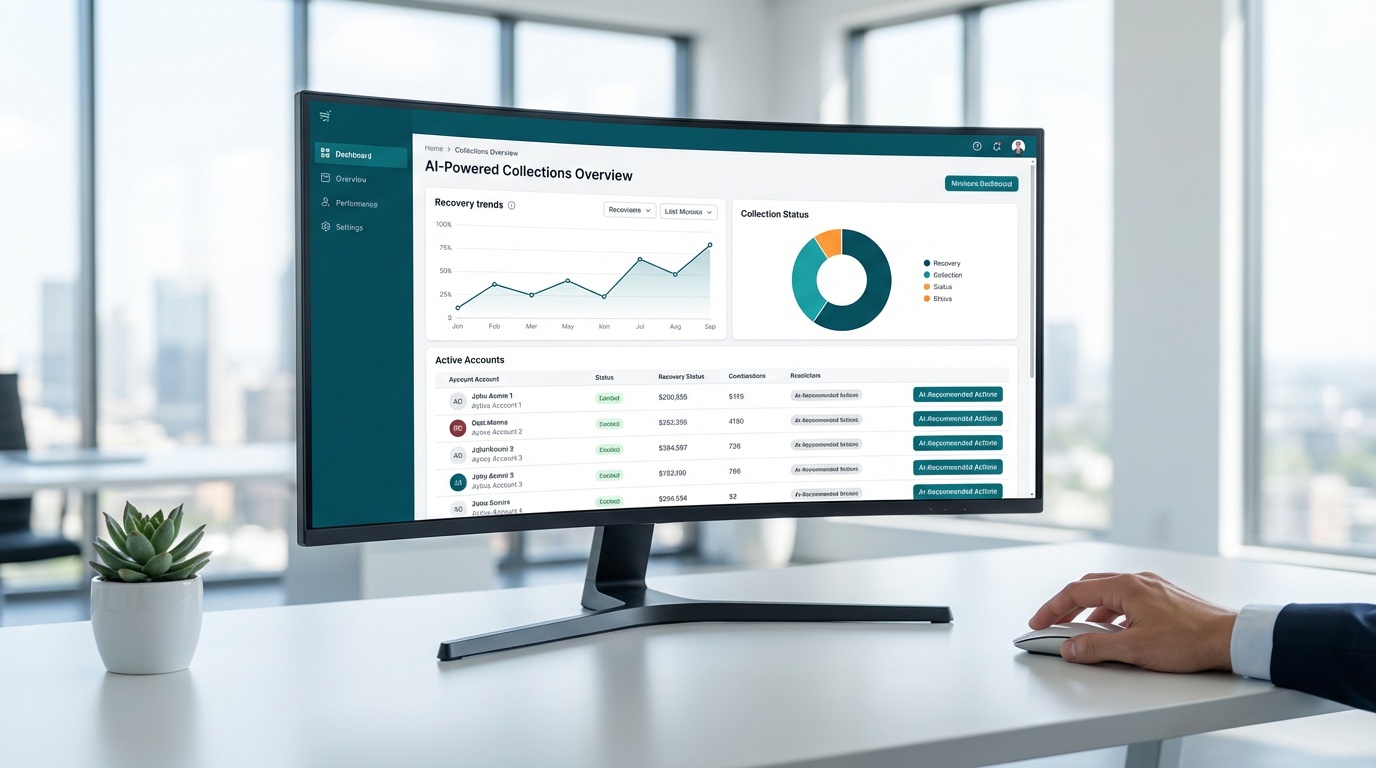
AI collections tools offer capabilities like high-volume account processing, data-driven contact personalization, and consistent follow-up sequences. They reduce errors through automated rules and provide real-time performance insights via dashboards. These tools accelerate payment recovery while maintaining customer relationships.
What is the 30% rule in AI?
There isn't a universally recognized "30% rule" specific to AI in collections. However, businesses using AI collections platforms often report measurable improvements in recovery rates, customer retention, and team efficiency. These gains demonstrate the significant impact AI can have on financial operations.
How can consumers stop debt collector communications?
Consumers have rights under regulations like the FDCPA to stop communications from debt collectors. They can typically send a written request to cease contact. AI collections tools are built with compliance guardrails to honor opt-out requests and enforce contact limits, ensuring respectful and lawful communication practices.
About the Author
This article comes from the experts at Dash, a leading cloud-based soft collections software platform. Our mission is to empower businesses across diverse industries--from financial services and healthcare to property management and solar--to efficiently recover overdue receivables. We believe in providing you with the tools to take control of your cash flow, without the need for costly and often reputation-damaging third-party collection agencies.
At Dash, we understand the challenges businesses face in maintaining healthy financial operations while preserving customer relationships. Our platform is engineered to address these complexities head-on, offering a modern, compliant, and highly effective alternative to traditional debt collection. We focus on delivering solutions that are not just about recovery, but also about efficiency, control, and long-term business health.
The Dash Difference
What sets Dash apart is the combination of AI-powered automation with full first-party control. Your team stays in the driver's seat--managing outreach timing, messaging tone, and payment plan flexibility--while the platform handles compliance guardrails, contact frequency limits, and real-time performance tracking. The result is faster recoveries, lower cost per dollar collected, and customer relationships that stay intact. See how Dash works →

.png)