.png)
real-time dashboards for debt recovery
Real-Time Dashboards for Debt Recovery: Why Live Data Wins
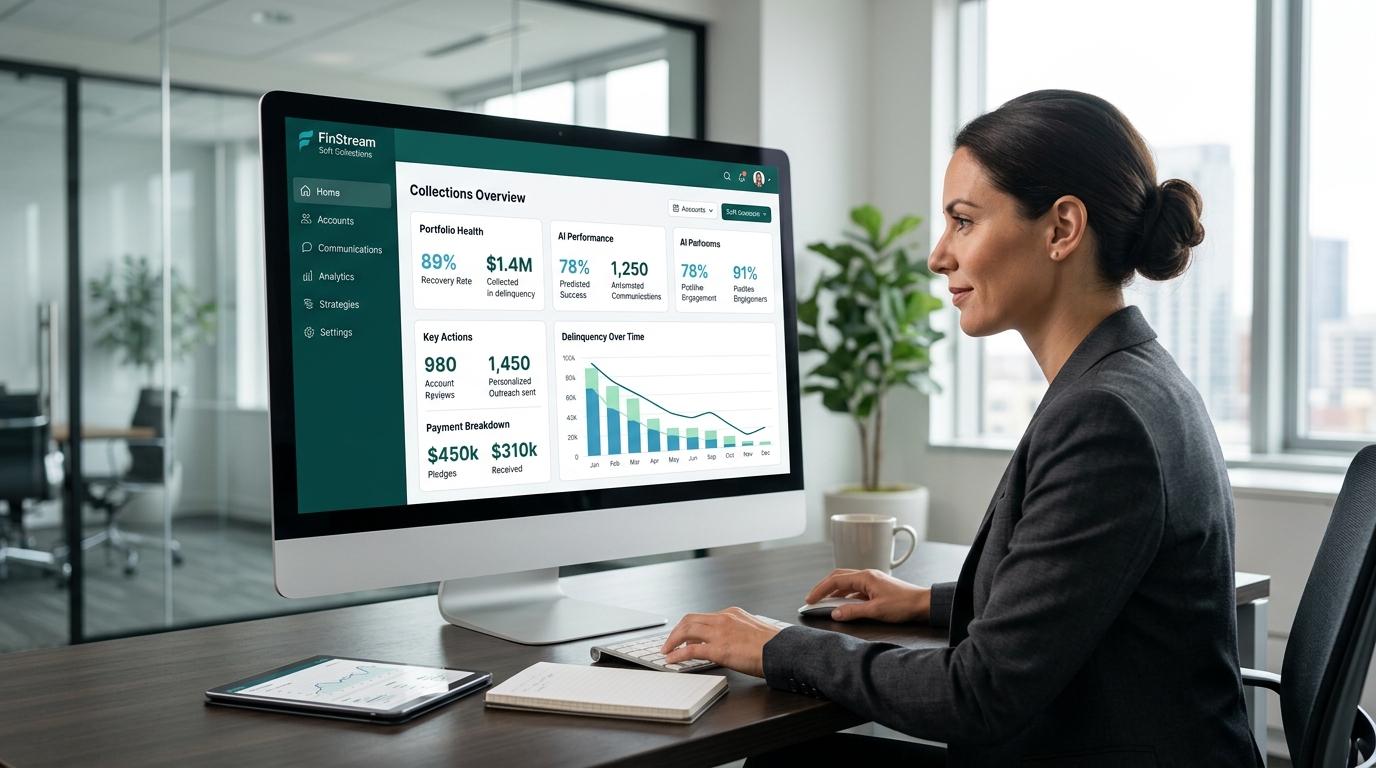
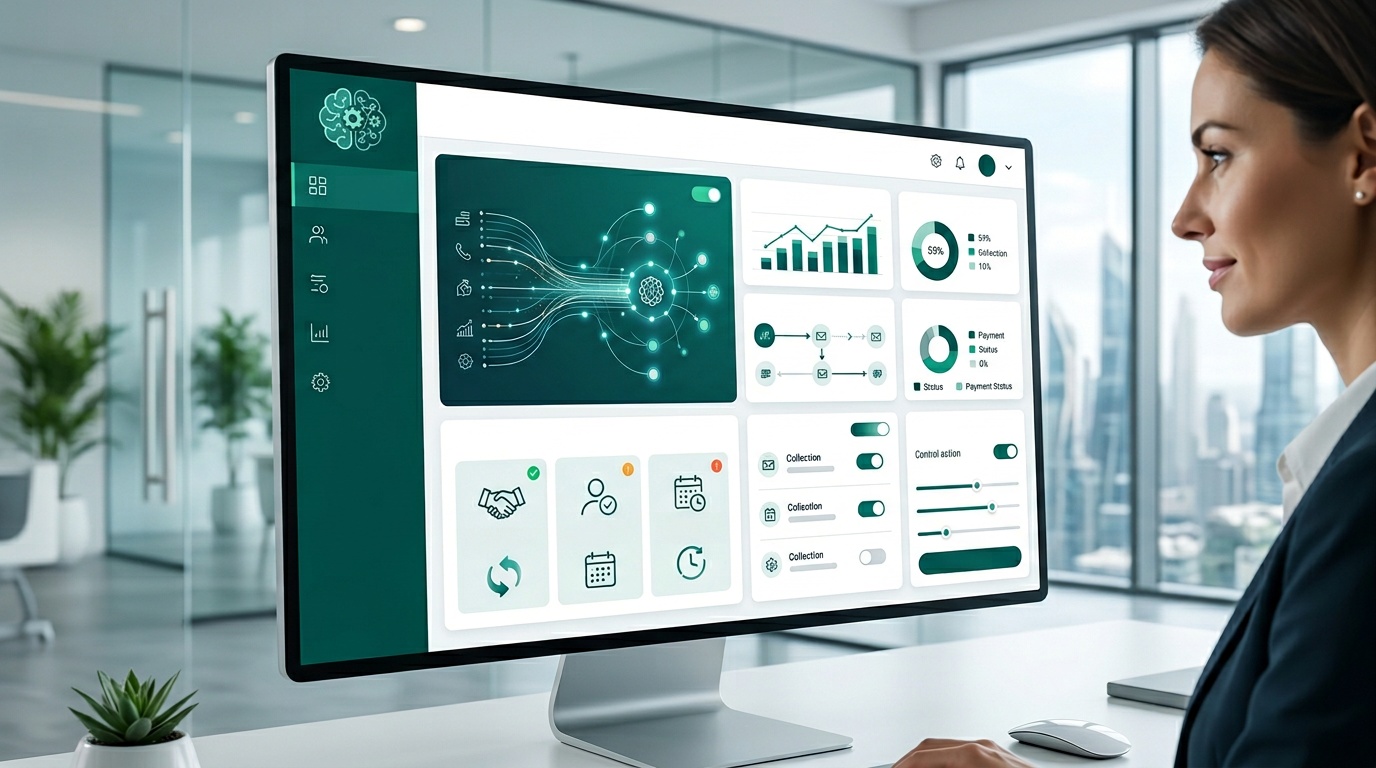
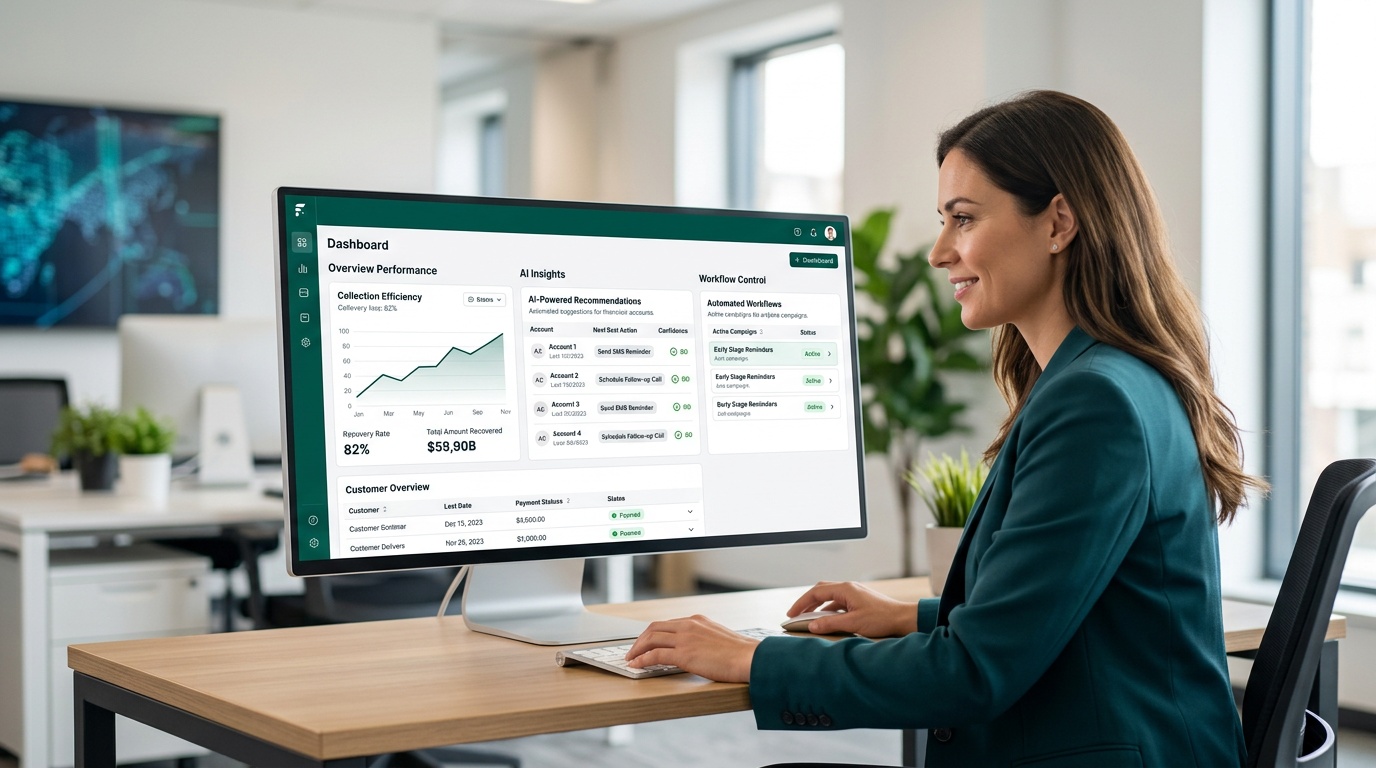
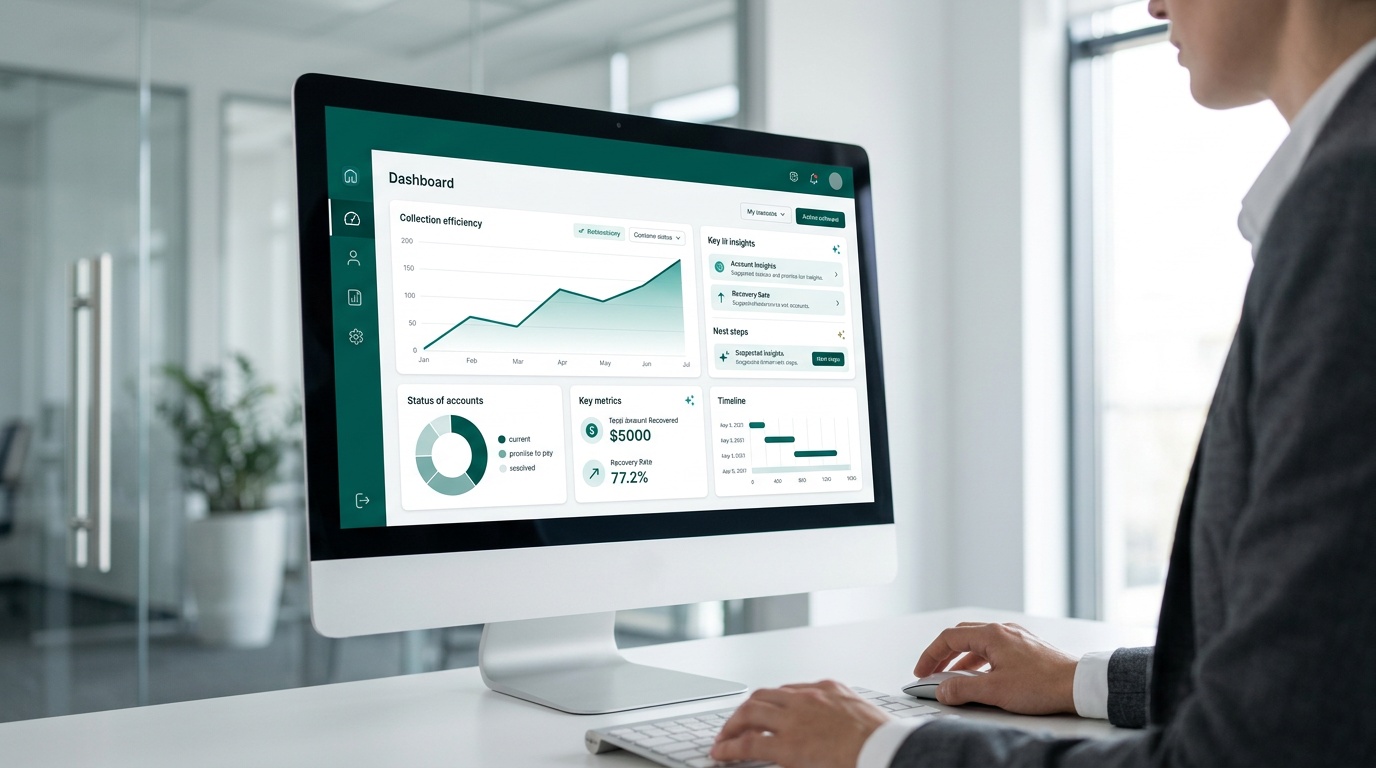
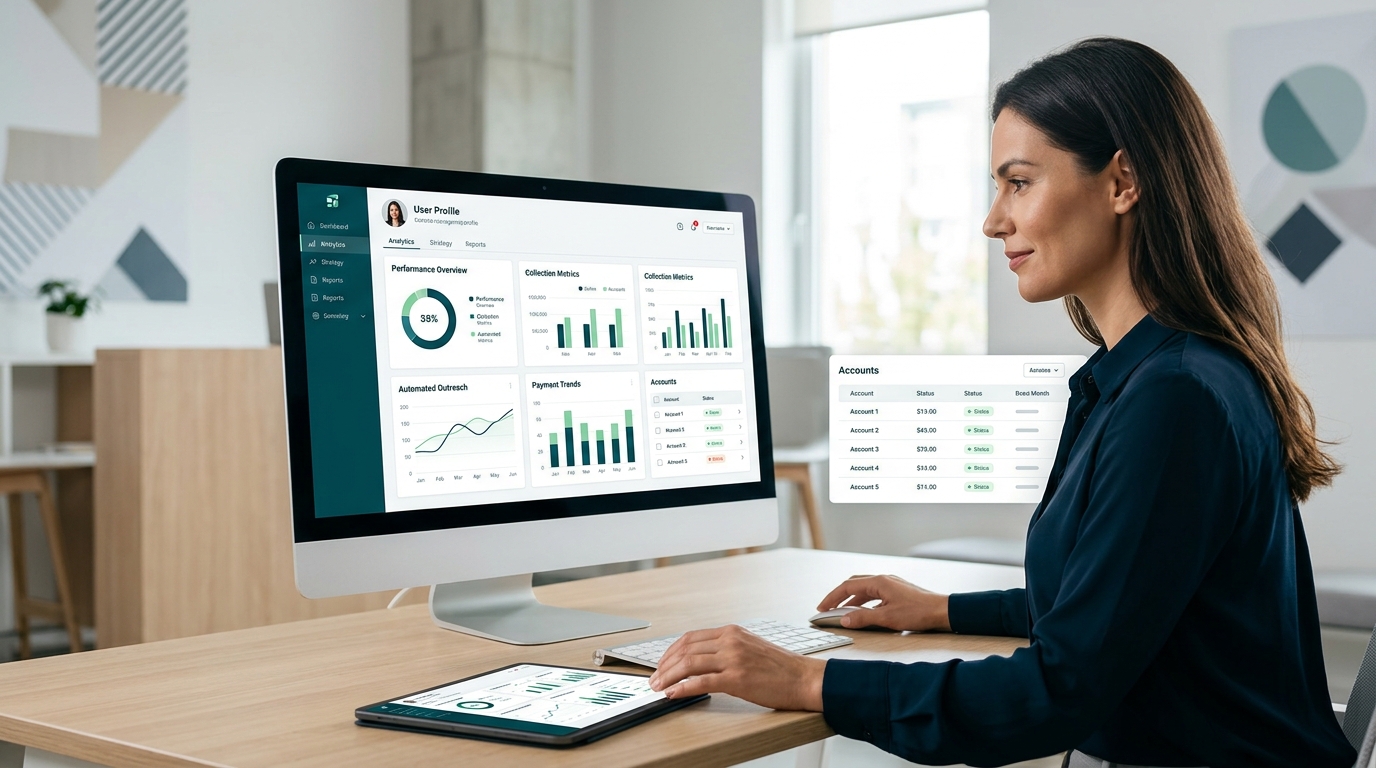
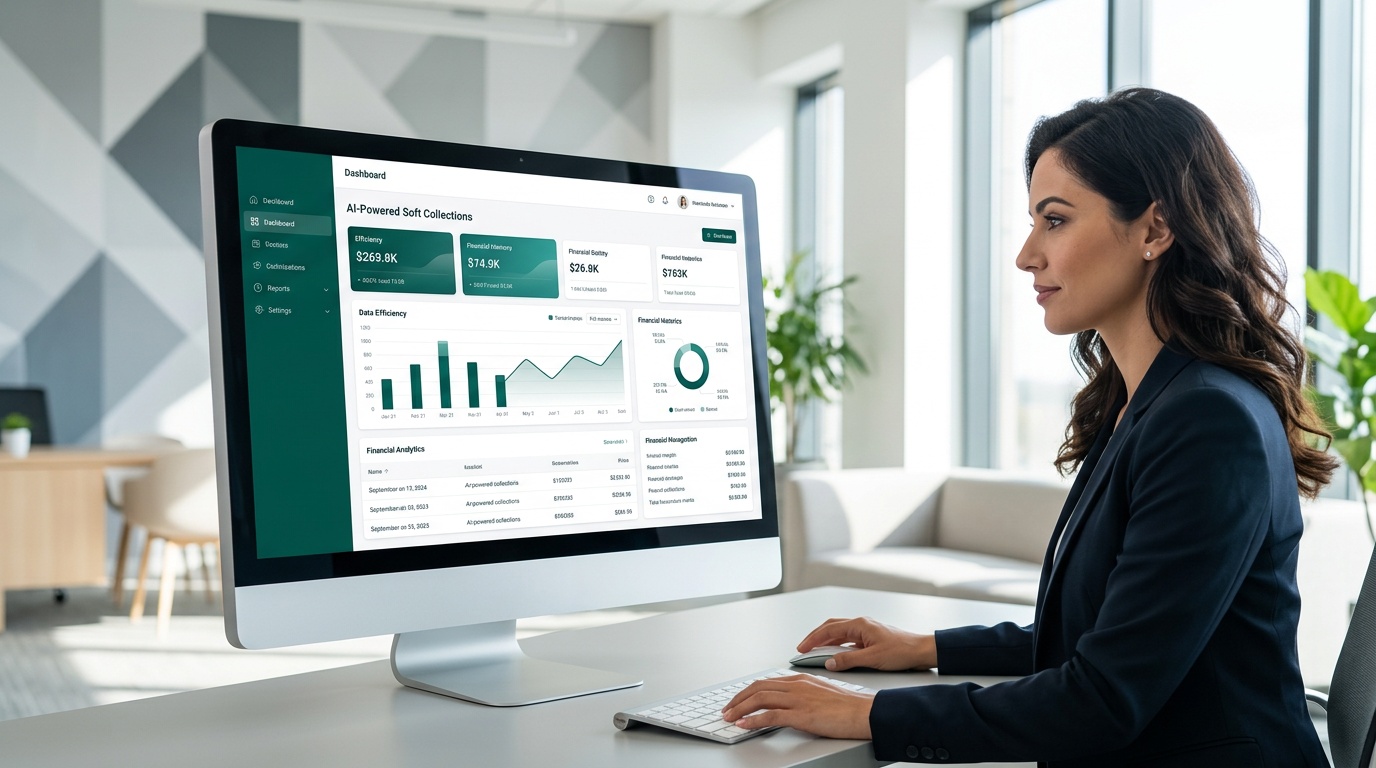
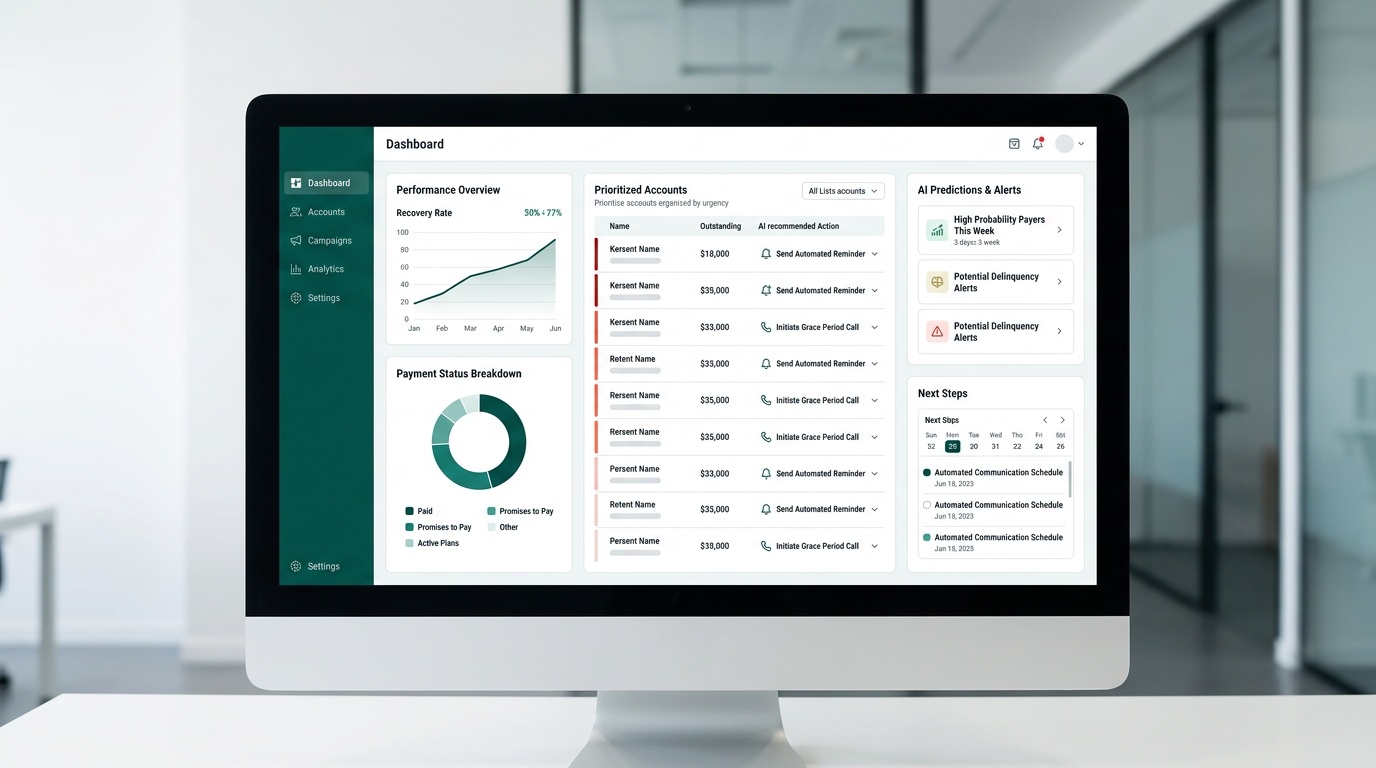
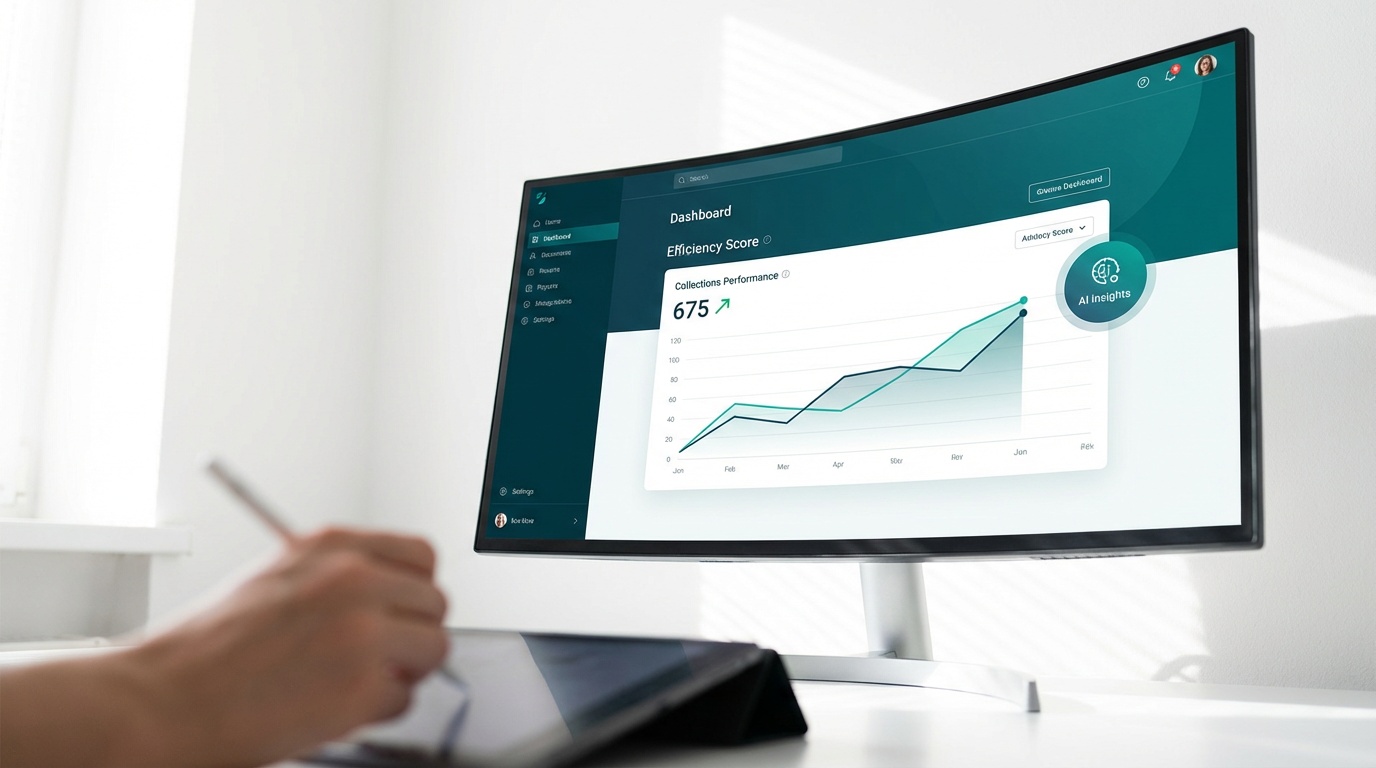
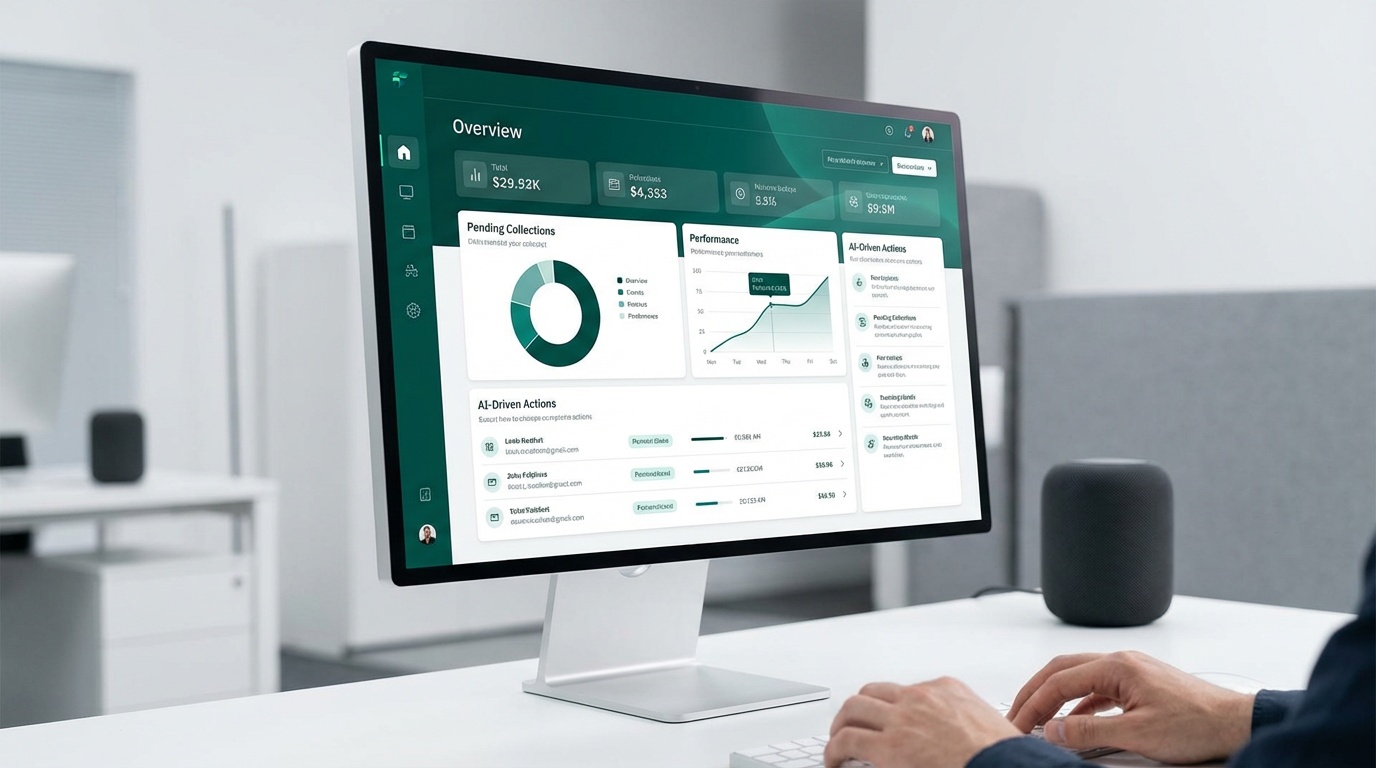
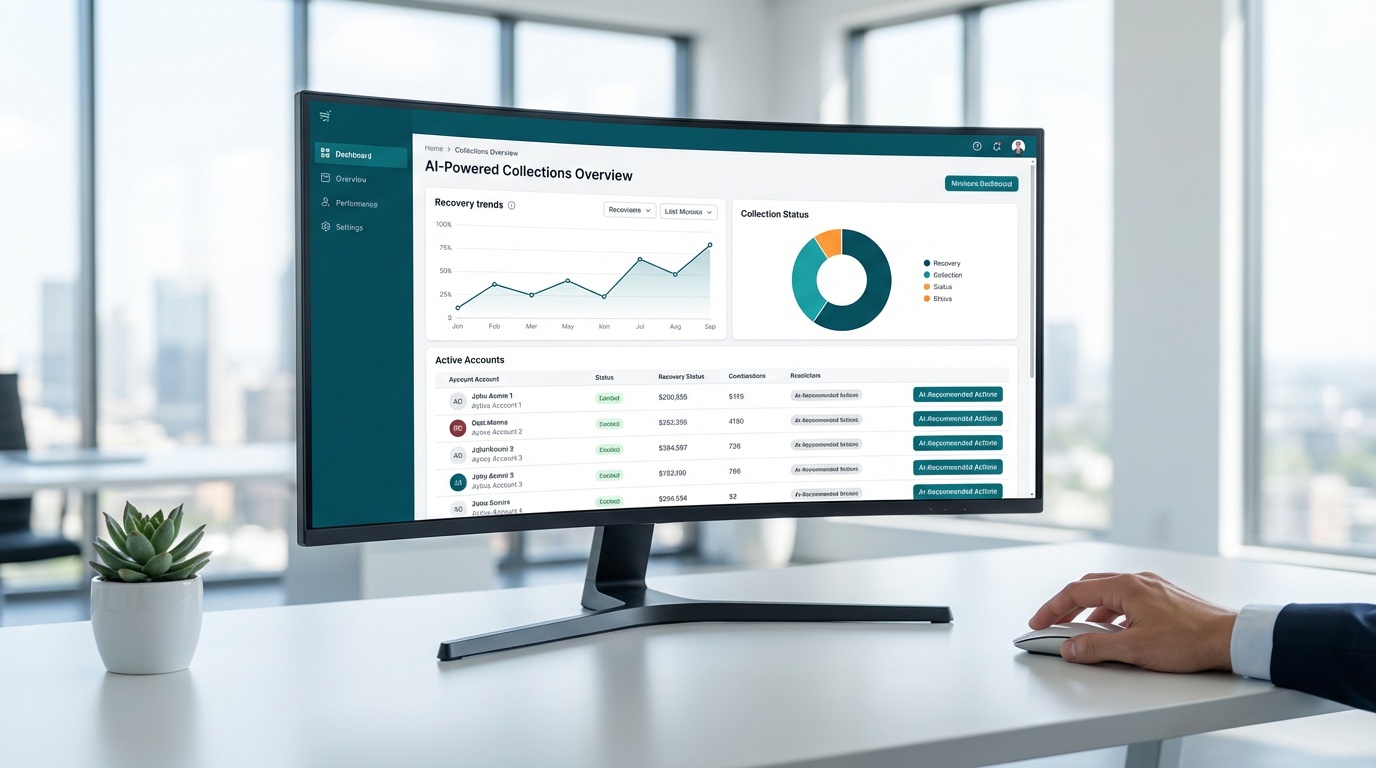
Real-time dashboards for debt recovery give your team instant visibility into overdue accounts, outreach performance, and payment activity--replacing delayed reports with actionable intelligence that drives faster recovery. If your collections process still depends on weekly spreadsheets or end-of-month summaries, you're operating with a blind spot that costs you money every single day.
Overdue invoices cripple cash flow and strain resources. But the problem isn't just the debt--it's the information gap. By the time a stale report surfaces a delinquent account trend, the optimal outreach window has already closed. The accounts that were workable last Tuesday are now three weeks deeper into delinquency. That lag is preventable.
This article breaks down what real-time dashboards actually do for debt recovery operations, which metrics matter most, how different industries put them to work, and why live data changes the behavior of your entire collections team--not just the numbers on a screen.
Key Takeaways
- Real-time dashboards eliminate reporting lag, giving collections teams current account status, engagement metrics, and payment progress instead of yesterday's data.
- The most effective dashboards surface outcome-linked metrics--days outstanding, outreach engagement rates, payment plan adherence, and collected-versus-owed totals.
- Live visibility shifts collector behavior from reactive to strategic, enabling timely outreach, confident communication, and documented activity for compliance purposes.
- Platforms like Dash combine real-time dashboards with built-in compliance guardrails (FDCPA, TCPA, HIPAA, PCI DSS) so fast action doesn't create regulatory risk.
What Makes a Real-Time Debt Recovery Dashboard Actually Effective
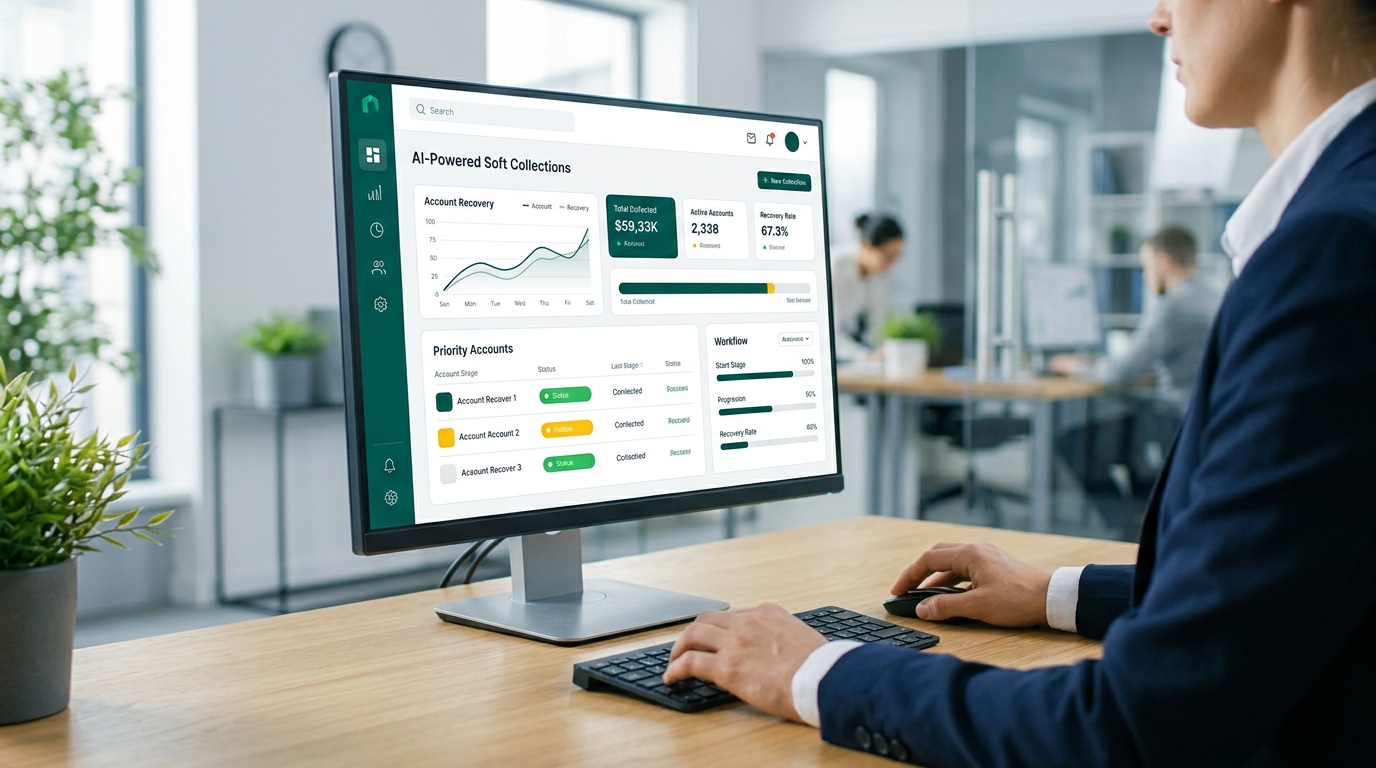
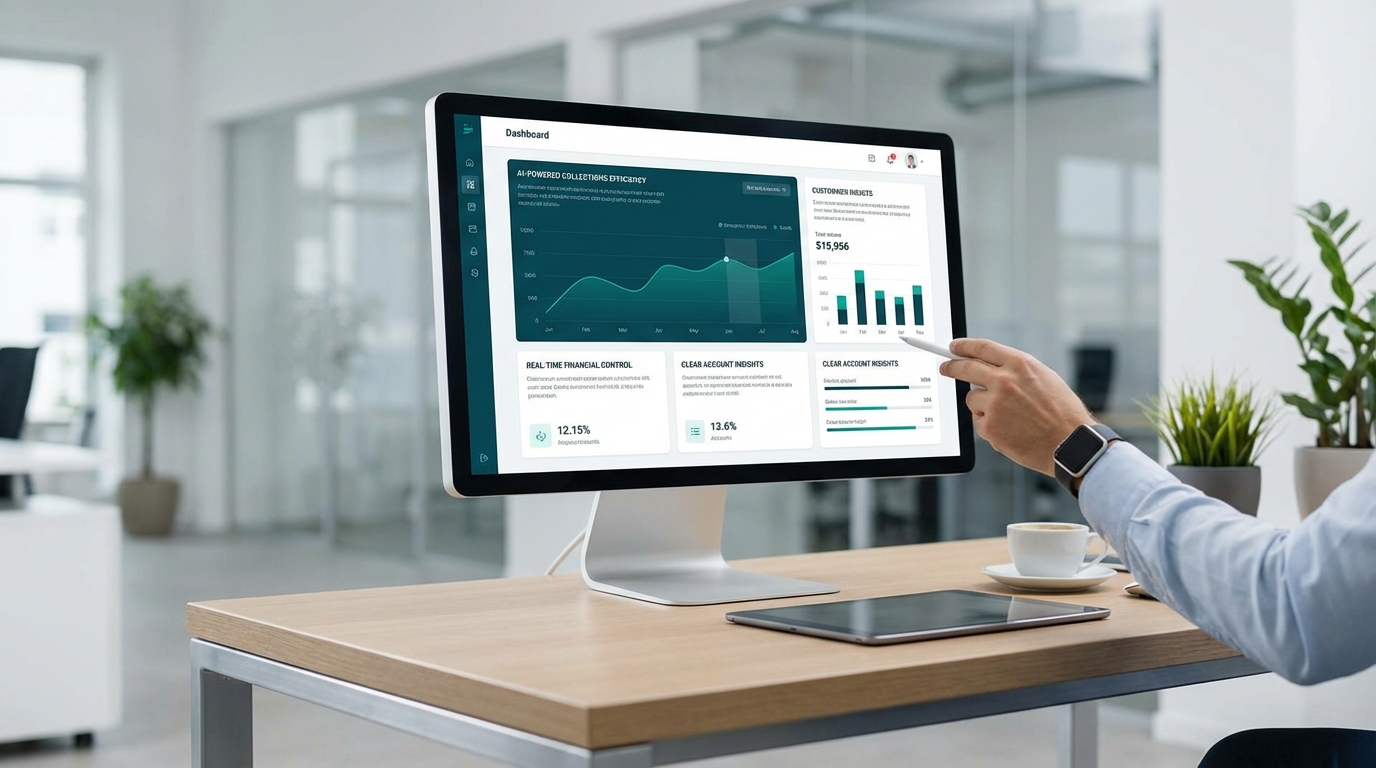
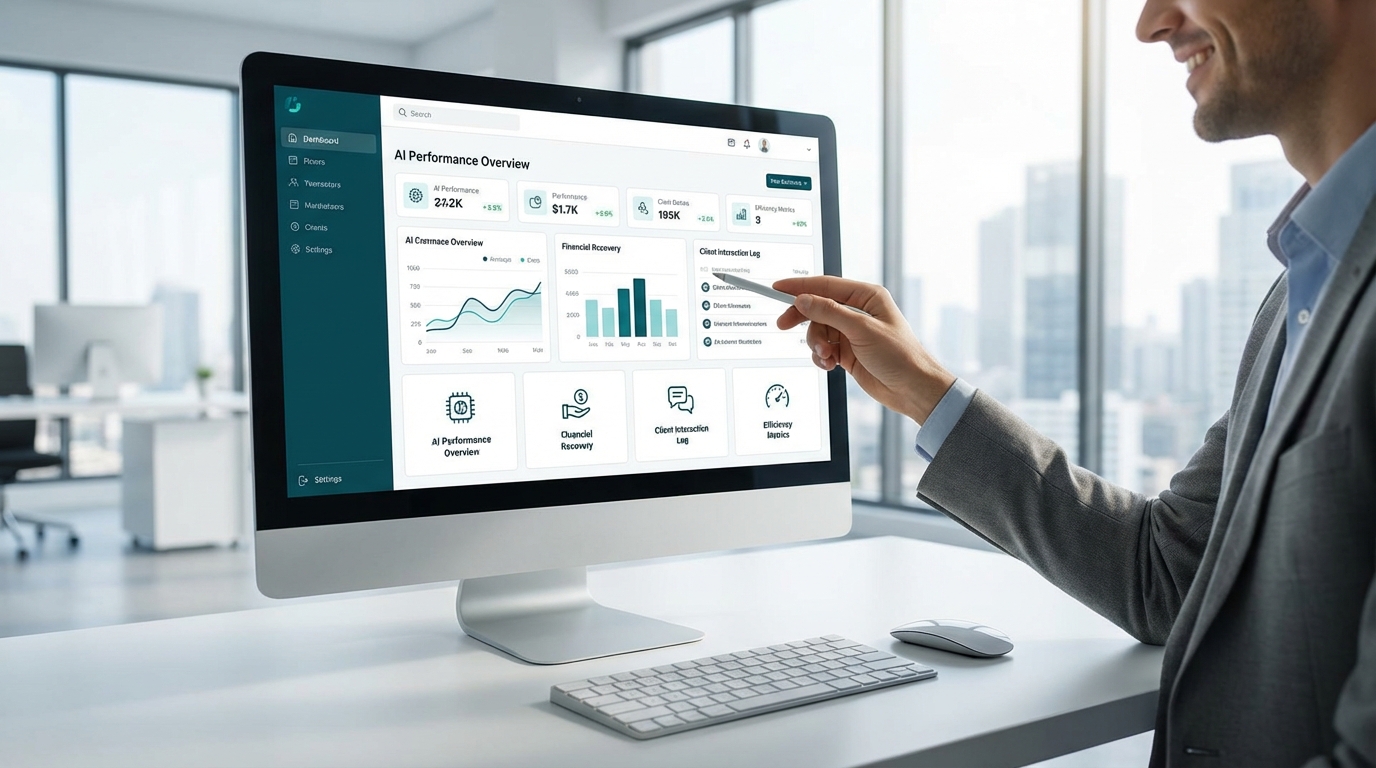
Not all dashboards deliver equal value. Plenty of platforms offer reports you can refresh on demand--but that's not the same as real-time visibility. An effective real-time dashboard for debt recovery updates continuously, surfacing account-level activity as it happens rather than requiring a manual pull or a scheduled batch process.
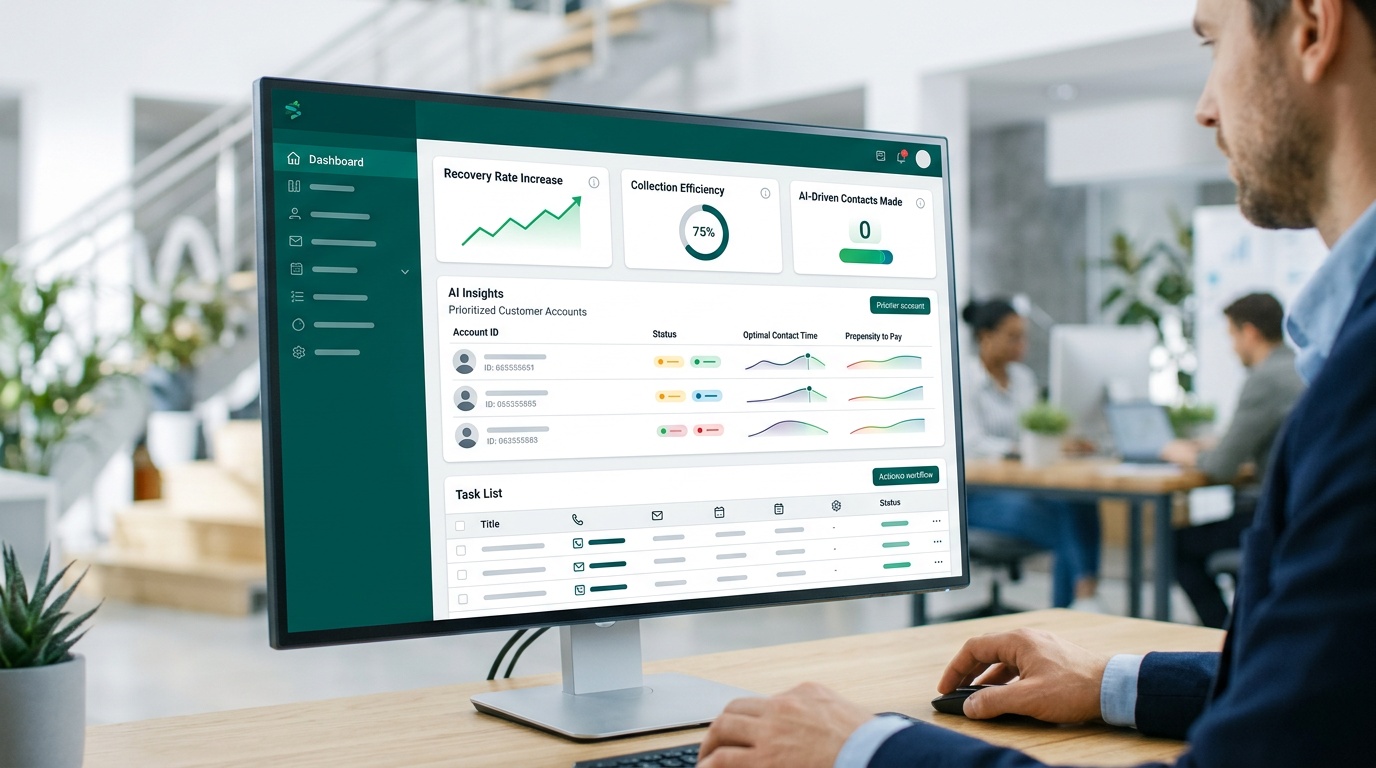
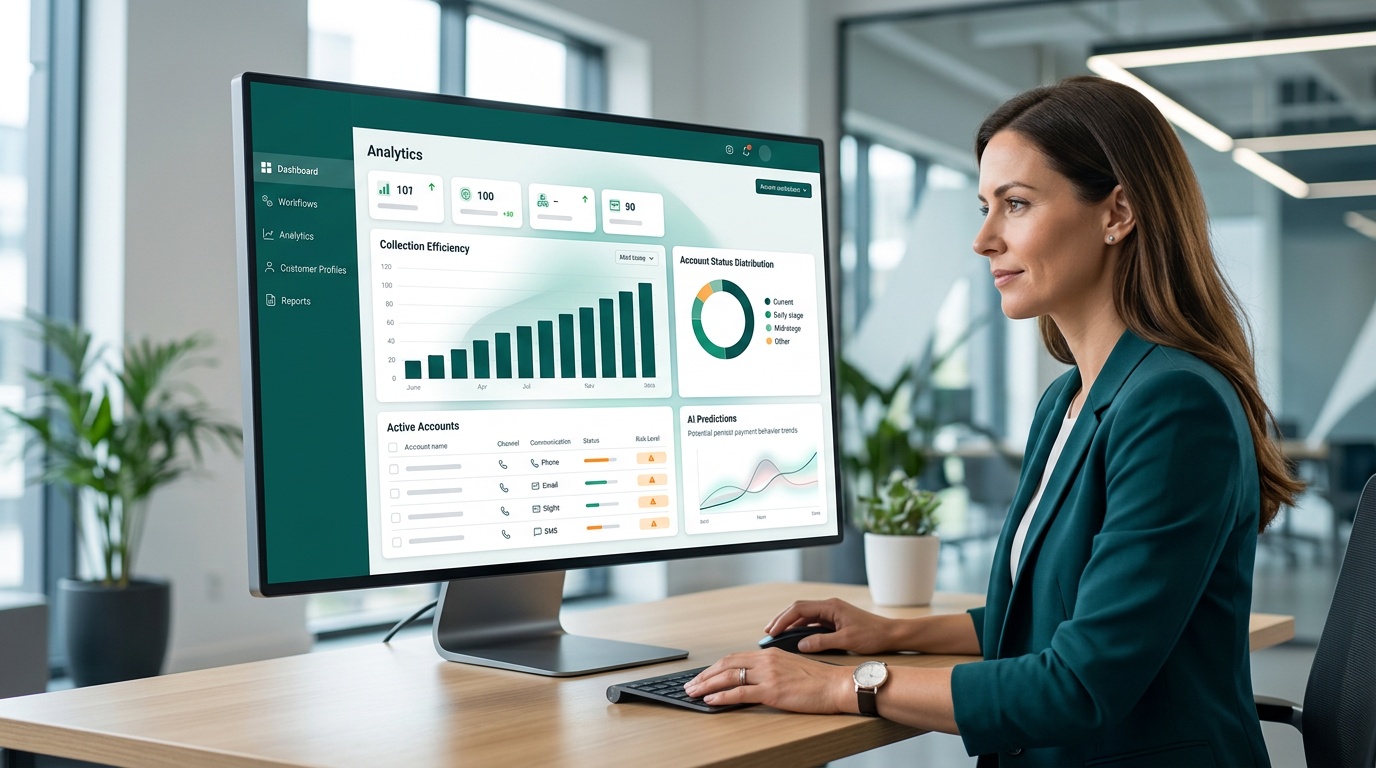
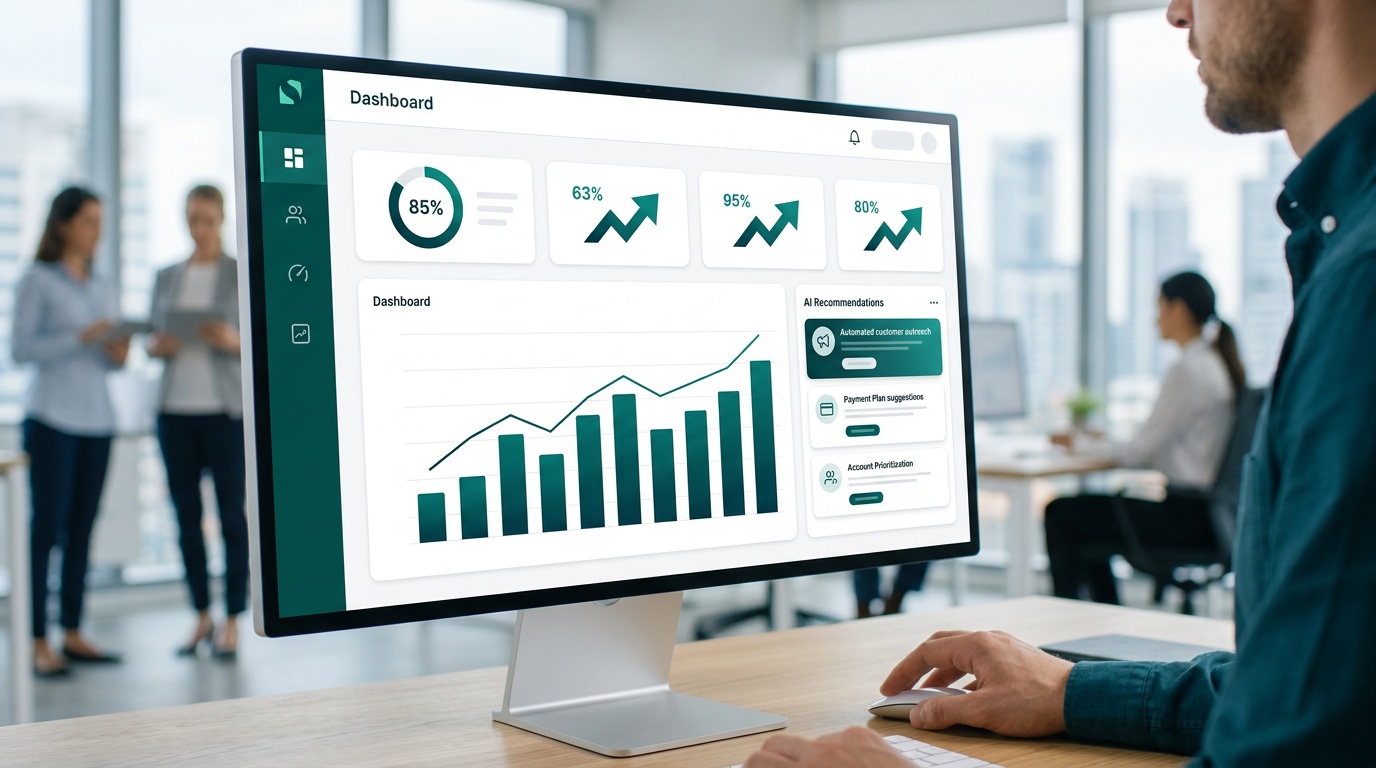
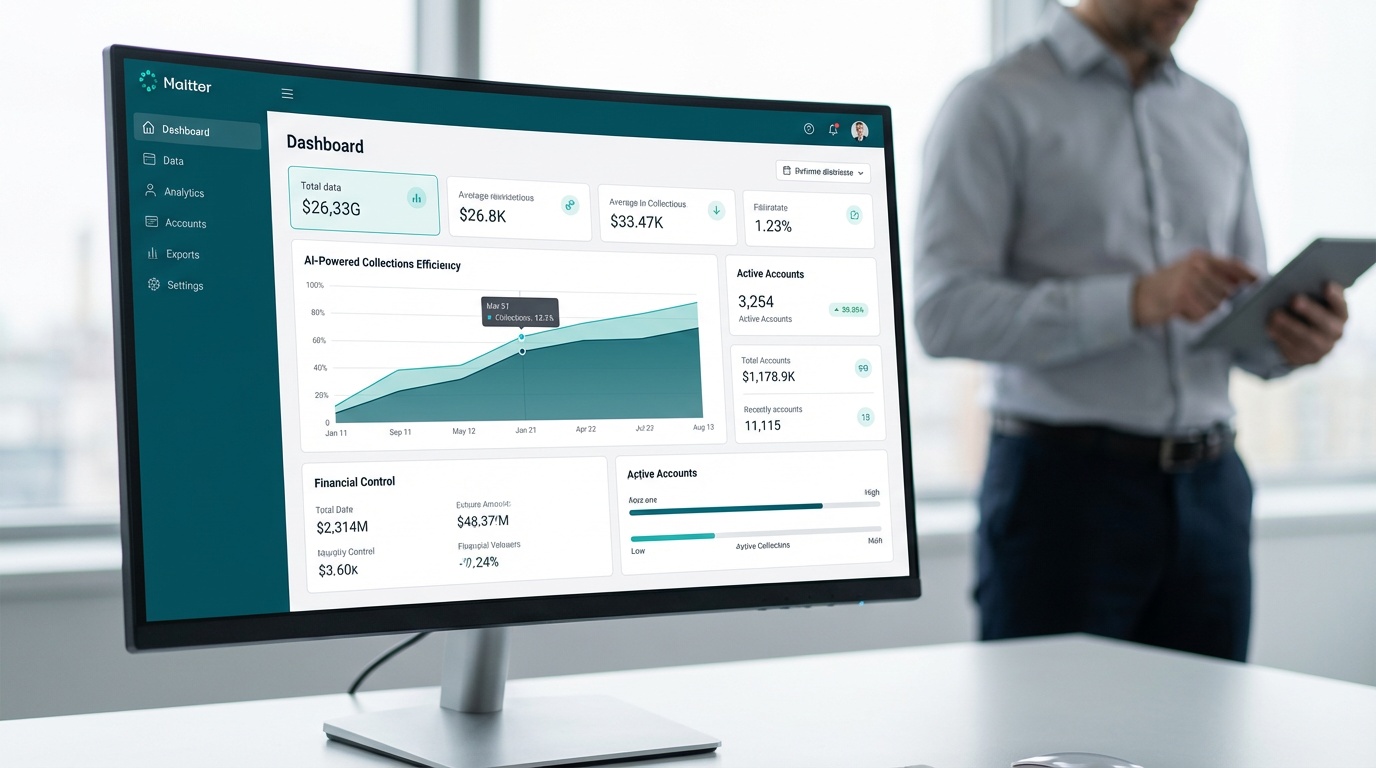
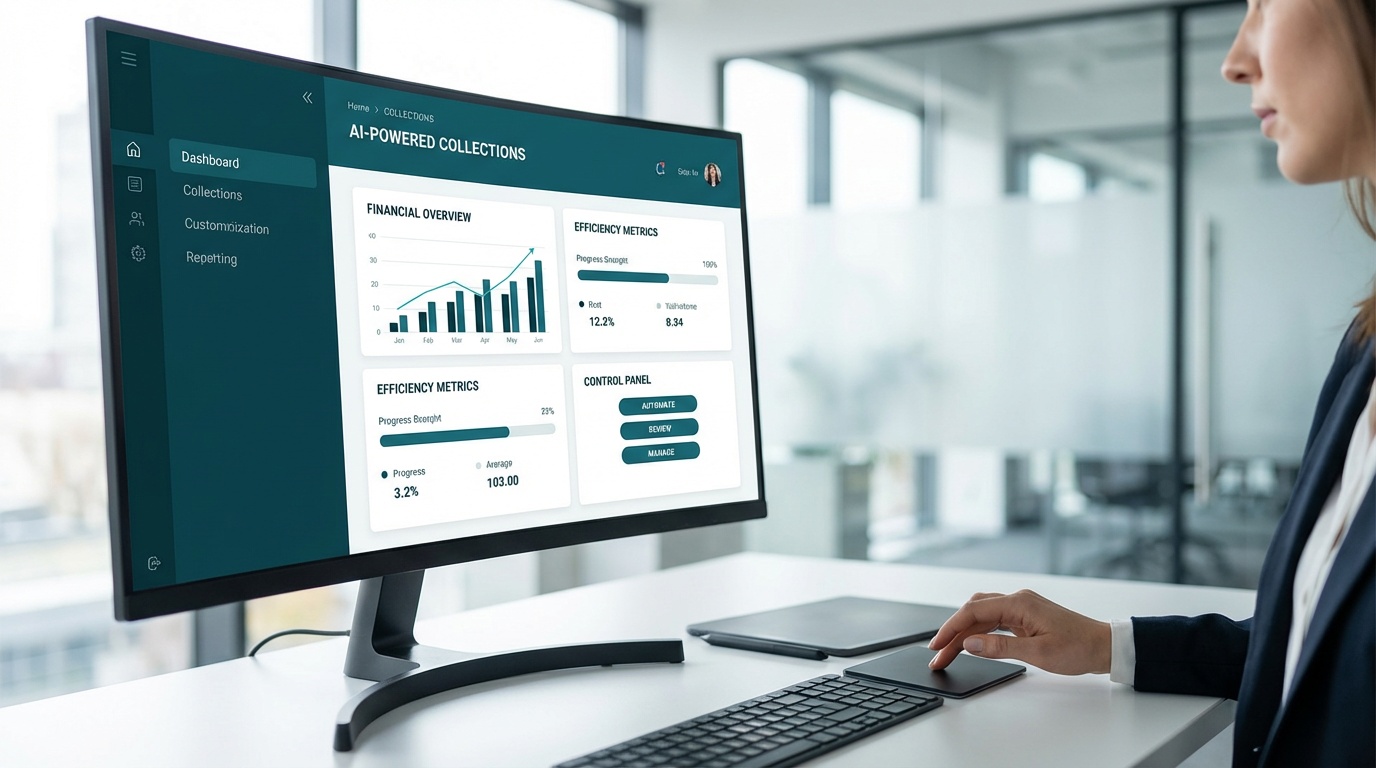
The metrics that matter are the ones tied directly to outcomes. Days outstanding by account tells you where urgency exists. Outreach engagement rates tell you which contact methods are working. Payment plan adherence shows you who's keeping commitments and who's sliding. Total collected versus total owed gives you the portfolio-wide picture at a glance. Without those numbers updating live, you're flying with instruments that lag the actual flight.
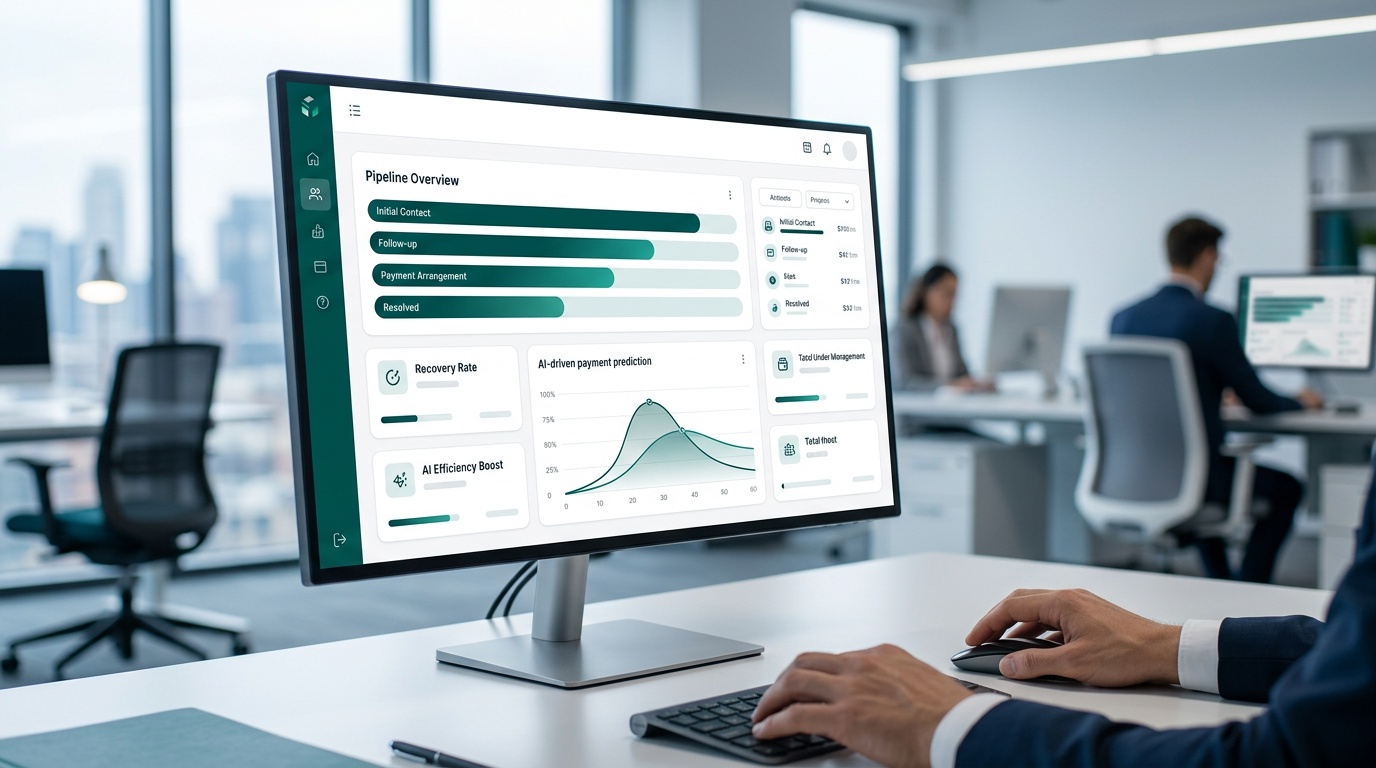
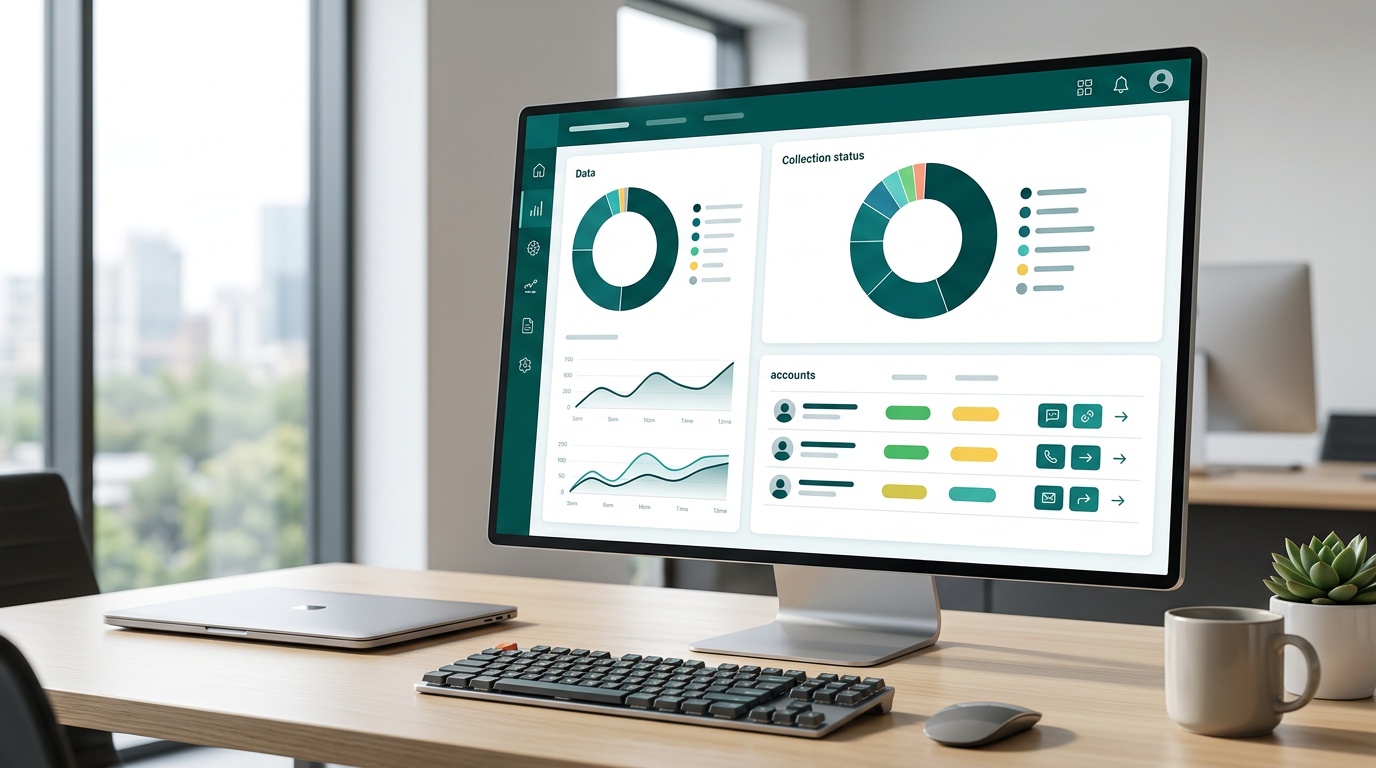
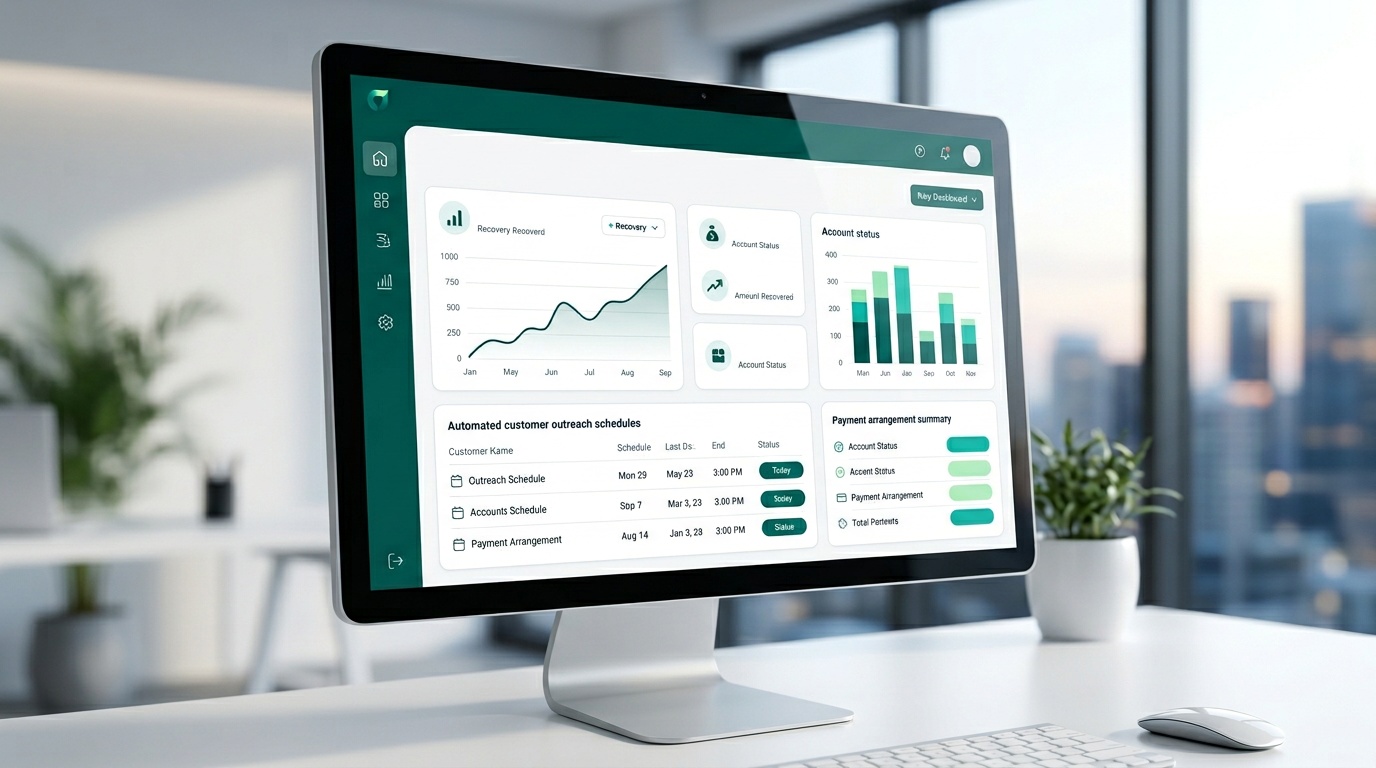
Dash automates follow-up sequences and tracks every recovery step--each text sent, email opened, payment received, or plan activated--feeding that activity into a centralized view in real time. Your team can see who responded, which payment plans are active, and where friction exists without any manual reporting overhead. That frees up the hours your team currently spends compiling status updates and redirects them toward actual recovery work.
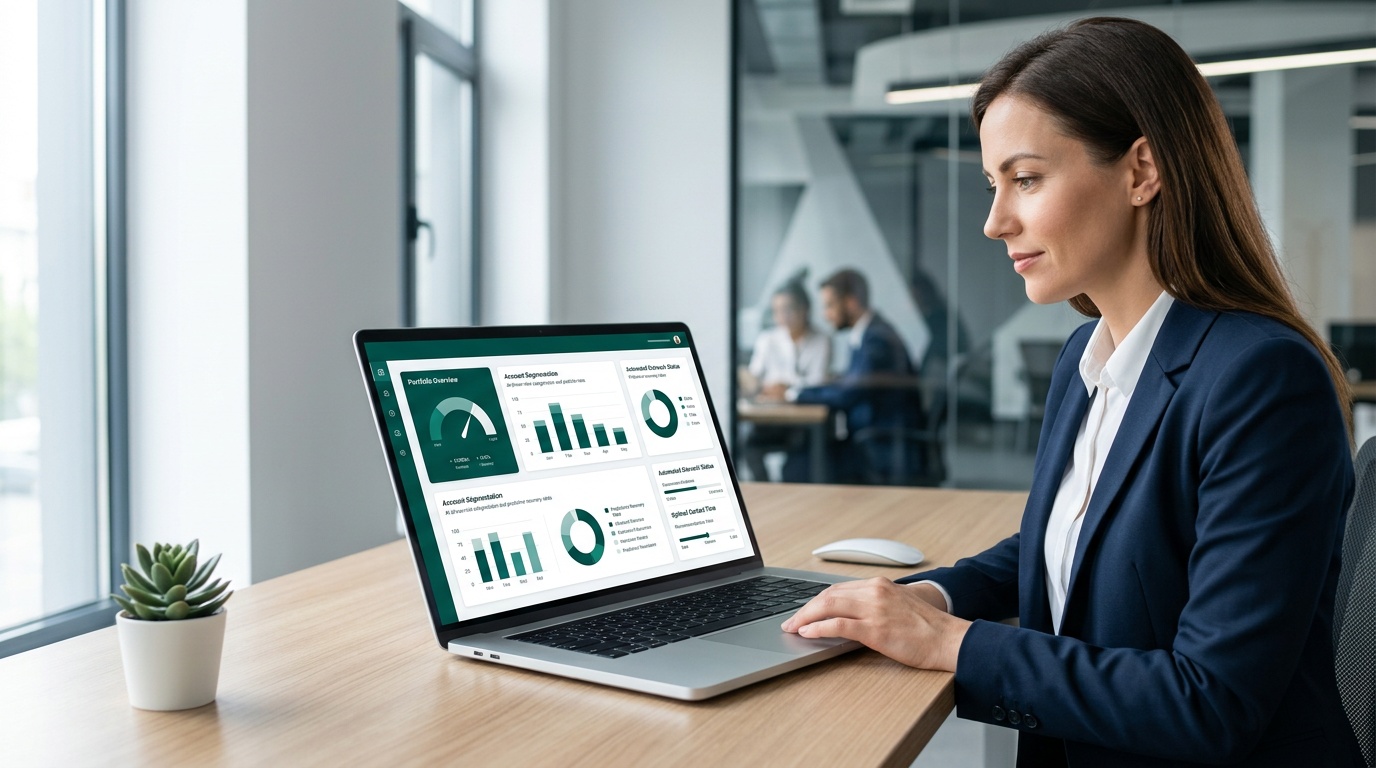
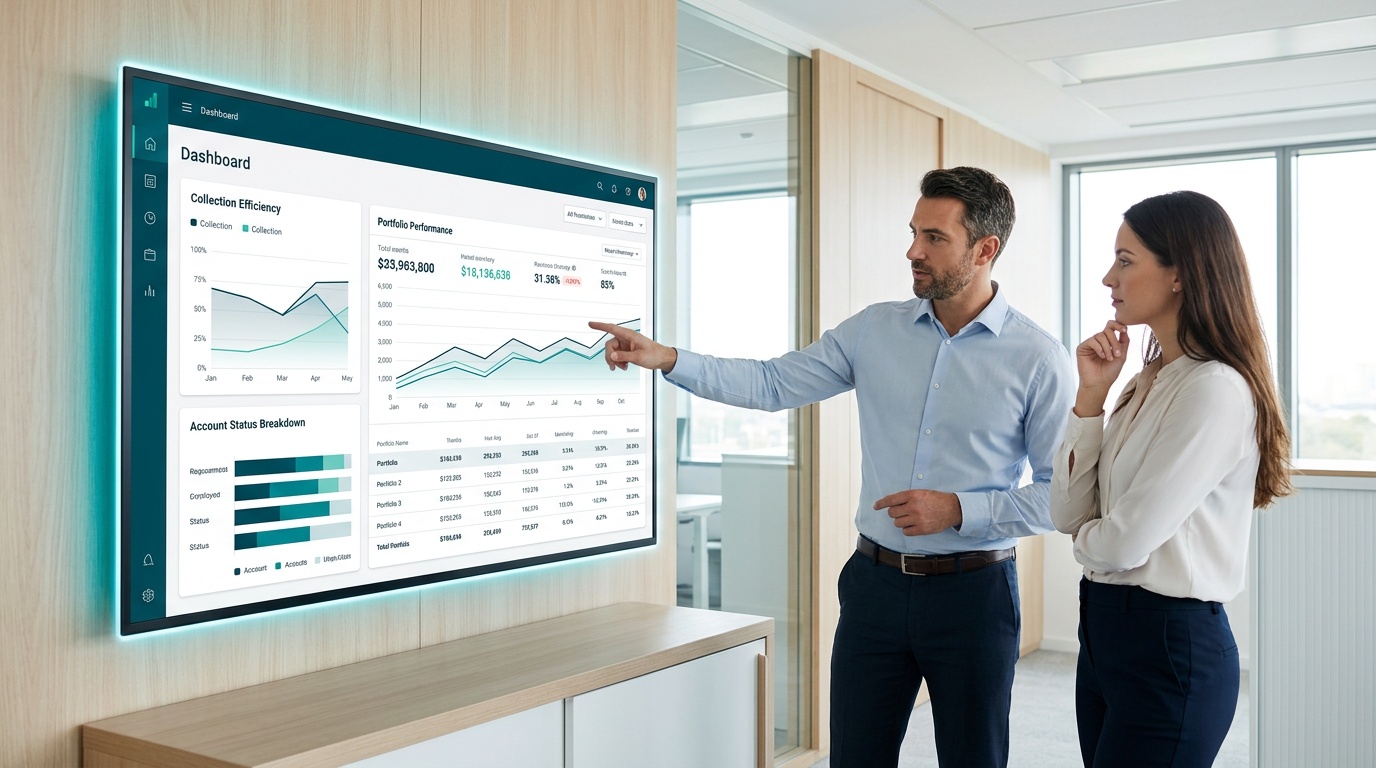
Beyond individual account tracking, the strongest dashboards also surface portfolio-level trends. Managers can identify rising delinquency patterns before they become serious problems, allocate team capacity toward the highest-priority accounts, and make resourcing decisions based on data--not gut instinct. That combination of account-level detail and macro visibility is what separates a useful dashboard from a genuinely strategic one.
Quick Answer: The most effective real-time dashboards for debt recovery track days outstanding, outreach engagement, payment plan adherence, and collected-versus-owed totals--updated continuously, not on a delay. Platforms like Dash surface all of this in a single centralized view tied to live account activity.
How Different Industries Put Real-Time Visibility to Work
The core value of real-time dashboards translates across industries, but the specific use cases look different depending on the business. Understanding how real-time visibility maps to your operating context helps you get the most from it fast.
Healthcare and dental practices face a particular challenge: patient balances often linger after insurance adjudication, and outreach must stay within strict HIPAA boundaries. Real-time dashboards let billing teams monitor patient balance recovery, track which accounts have received outreach, and confirm that every communication follows compliant workflows--without slowing down the process. HIPAA requirements don't disappear when a balance goes overdue, so having compliance status visible alongside payment status is operationally critical.
Property managers often juggle arrears across dozens or hundreds of units simultaneously. A real-time view of tenant balances, outreach history, and payment plan status across an entire portfolio replaces the manual reconciliation work that typically falls to administrative staff. Instead of chasing updates from individual leasing agents, the entire picture lives in one place.
Financial services teams monitor portfolio delinquency patterns as they develop--catching early indicators of rising risk before they compound. Solar, storage, and trucking operators deal with B2B invoicing cycles where a single overdue account can represent significant revenue. Real-time visibility into which accounts have been contacted, when, and how they responded gives those teams the context to follow up at exactly the right moment.
Dash supports compliant workflows aligned with FDCPA, TCPA, HIPAA, and PCI DSS requirements across all of these industries. The platform is SOC 2 Type 2 certified, which means real-time action doesn't introduce avoidable compliance exposure--it's built into how the system operates, not bolted on afterward.
Live Data Changes How Your Team Works--Not Just What They See
There's a behavioral shift that happens when collectors move from working off static reports to working with live data. It's worth naming directly, because it's one of the less obvious benefits of real-time dashboards--and one of the most significant.
When an agent opens an account and sees current status--last contact date, response history, active payment plan, outstanding balance--they can make a confident, informed decision about the next best action. They're not guessing whether someone was already contacted this week. They're not duplicating outreach that's already in progress. They can time their communication appropriately, reference relevant context, and approach the conversation with professionalism instead of uncertainty. That confidence shows in the interaction. Customers notice when a representative knows what's going on with their account.
Dash provides audit logs, engagement history, and payment status in one place--not scattered across different systems. That consolidation matters beyond day-to-day efficiency. When a question arises about what actions were taken on a specific account, the documentation is already there. That's protection for your team and your business, and it's part of how compliant operations defend themselves against disputes.
Managers benefit differently. With live portfolio visibility, supervisors can see where agents are spending time, identify accounts that have gone cold despite multiple outreach attempts, and make real-time adjustments to strategy. Did a new message template underperform? You'll know within hours, not weeks. Did a particular outreach window generate higher response rates? The data will tell you--and you can act on it before the pattern fades. That feedback loop is what turns a collections operation from a cost center into a strategic function.
Key Insight: Real-time dashboards don't just improve reporting--they change how teams prioritize, communicate, and document. The result is faster recovery, fewer errors, and a collections process that protects customer relationships instead of damaging them.
Acting on Current Data: The Shift That Modernizes Collections
The gap between traditional collections reporting and real-time visibility isn't just a technology difference. It's the difference between managing a process and controlling it. Weekly spreadsheets tell you what happened. Real-time dashboards show you what's happening--and give you the window to do something about it.
Businesses that have moved to real-time receivables management consistently report faster payment recovery, fewer missed outreach windows, and cleaner documentation practices. The operational upside is measurable. So is the compliance benefit--when every action is logged in real time, your team isn't reconstructing history from memory when a question arises.
The trajectory for these systems points toward stronger predictive analytics: flagging accounts likely to become delinquent before they do, scoring accounts by likelihood to pay, and surfacing that intelligence directly in the dashboard. Adopting a real-time approach now solves the immediate cash flow problem while positioning your operation for those more advanced, data-driven strategies as they become available. The infrastructure is the same--the intelligence built on top of it will only get sharper.
For teams ready to stop reacting and start leading their collections process, the starting point is visibility. Get the data in front of your team in real time, automate the routine follow-ups, and let your people focus on the decisions that actually require human judgment. That's how you modernize collections--and it's exactly what Dash is built to support.
Frequently Asked Questions
What exactly is a real-time dashboard for debt recovery?
A real-time dashboard for debt recovery gives your team instant visibility into overdue accounts, outreach performance, and payment activity. It replaces outdated, delayed reports with current, actionable intelligence. This immediate data helps accelerate recovery efforts by allowing timely action on outstanding receivables.
How do real-time dashboards improve debt recovery compared to traditional methods?
Real-time dashboards eliminate the lag of yesterday's data, which often leads to missed opportunities. By showing current account status and payment progress at a glance, teams can react quickly and strategically. This immediate access to facts, rather than assumptions, leads to increases in payments collected and payment schedules established.
What key metrics should a good real-time debt recovery dashboard display?
Effective real-time dashboards for debt recovery show metrics tied directly to outcomes. These include days outstanding by account, outreach engagement, payment plan adherence, and total collected versus total owed. Such dashboards provide a centralized view of live activity, helping teams identify where friction exists.
Can real-time debt recovery dashboards help businesses stay compliant with regulations?
Yes, modern real-time dashboards are designed with compliance in mind. They support workflows aligned with regulations like FDCPA, TCPA, HIPAA, and PCI DSS. This ensures that timely action on overdue accounts does not create avoidable compliance risk for your operations. Dash, for example, is SOC 2 Type 2 certified and HIPAA compliant.
How do real-time dashboards empower collections teams?
Real-time dashboards shift collector behavior from reactive to strategic, providing live account context. Agents can time outreach appropriately and communicate with confidence, supported by audit logs and engagement history. This helps teams make informed, respectful decisions and document activity when questions arise.
What types of businesses can benefit from using real-time debt recovery dashboards?
A wide range of businesses can benefit from real-time debt recovery dashboards. Healthcare practices use them to monitor patient balance recovery, while property managers track tenant arrears across multiple units. Financial services teams also monitor portfolio delinquency patterns as they develop, making these dashboards versatile for many industries.
What is the future outlook for real-time debt recovery systems?
The future of real-time debt recovery systems points towards even more data-driven strategies. These systems will incorporate stronger predictive analytics to flag rising risk earlier. This will help teams prioritize accounts by likelihood to pay, further modernizing collections operations and improving cash flow control.