.png)
order-to-cash cycle
The Order-to-Cash Cycle: A Complete Guide for Finance and Operations Teams
Cash flow problems rarely start with a bad product or a lost customer. They start with a broken process. The order-to-cash cycle--the end-to-end workflow from customer order to collected payment--is where revenue either moves efficiently through your business or stalls in bottlenecks that quietly drain working capital. If your team is watching invoices age without clear answers, the O2C cycle is where to look first.
For finance, operations, and collections teams, understanding each stage of this cycle isn't just a theoretical exercise. It's the difference between predictable cash flow and reactive fire-fighting. A well-managed O2C process shortens days sales outstanding (DSO), reduces write-offs, and gives leadership clearer visibility into the business's financial position.
This guide breaks down what the order-to-cash cycle is, where it most commonly breaks down, and what modern automation can do to restore consistency--particularly in the collections stage, where revenue leakage is most severe and most preventable.
Key Takeaways
- The order-to-cash cycle spans six core stages--from order capture to cash application--and delays at any stage compound into cash flow pressure downstream.
- Collections is the most common point of revenue leakage in the O2C process, largely because manual outreach is inconsistent and hard to scale.
- AI-powered automation at the collections stage can reduce DSO, close compliance gaps, and recover overdue accounts without damaging customer relationships.
What Is the Order-to-Cash Cycle?
Quick Answer: The order-to-cash cycle is the end-to-end business process spanning from customer order placement through payment receipt and cash application. It governs cash flow velocity, operational efficiency, and customer experience across revenue-generating transactions.
The order-to-cash cycle covers every step a business takes to fulfill a customer order and collect payment. It begins when a customer places an order and ends when that payment posts to the general ledger. Finance, operations, and collections teams all share ownership of different stages within this workflow--and when handoffs between those teams aren't clean, cash slows.
The stakes are real. According to APQC research, top-performing organizations close O2C significantly faster than median performers--an advantage that directly improves working capital and reduces DSO. Every day a receivable sits open is a day that capital isn't available for operations, payroll, or growth. Delays don't just inconvenience finance teams; they compound.
Think of the O2C cycle like a pipeline. Water flows smoothly when every section is clear. A single clog--an unvalidated order, a delayed invoice, an inconsistent collections cadence--backs up everything upstream and slows delivery downstream. Identifying where your pipeline is narrowest is the first step toward fixing it.
Key Stages of the Order-to-Cash Process
The order-to-cash process steps follow a clear sequence. Each stage must run cleanly for the next to succeed:
- Order management: Capture, validate, and confirm customer orders. Errors here cascade through every subsequent stage.
- Credit management: Assess customer creditworthiness before fulfillment. Extending credit without this step increases collection risk before the work even begins.
- Order fulfillment: Pick, pack, and ship products or deliver services. Fulfillment accuracy directly affects invoice accuracy.
- Invoicing: Send accurate invoices promptly after delivery. Delayed or incorrect invoices are the most common reason customers delay payment.
- Payment collections: Follow up on outstanding balances on a consistent, compliant cadence. This is where most O2C processes break down.
- Cash application: Match received payments to open invoices in the ledger. Poor cash application inflates perceived AR balances and creates false reporting.
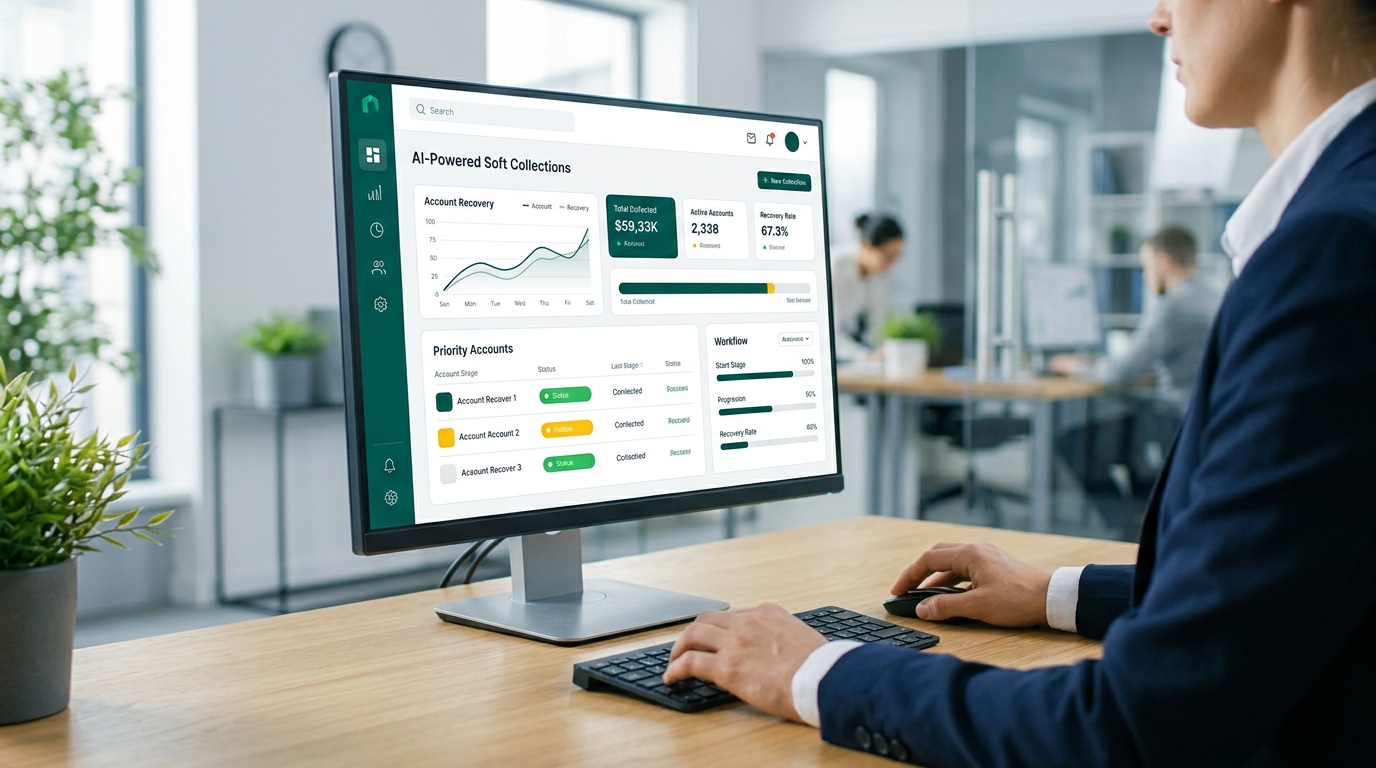
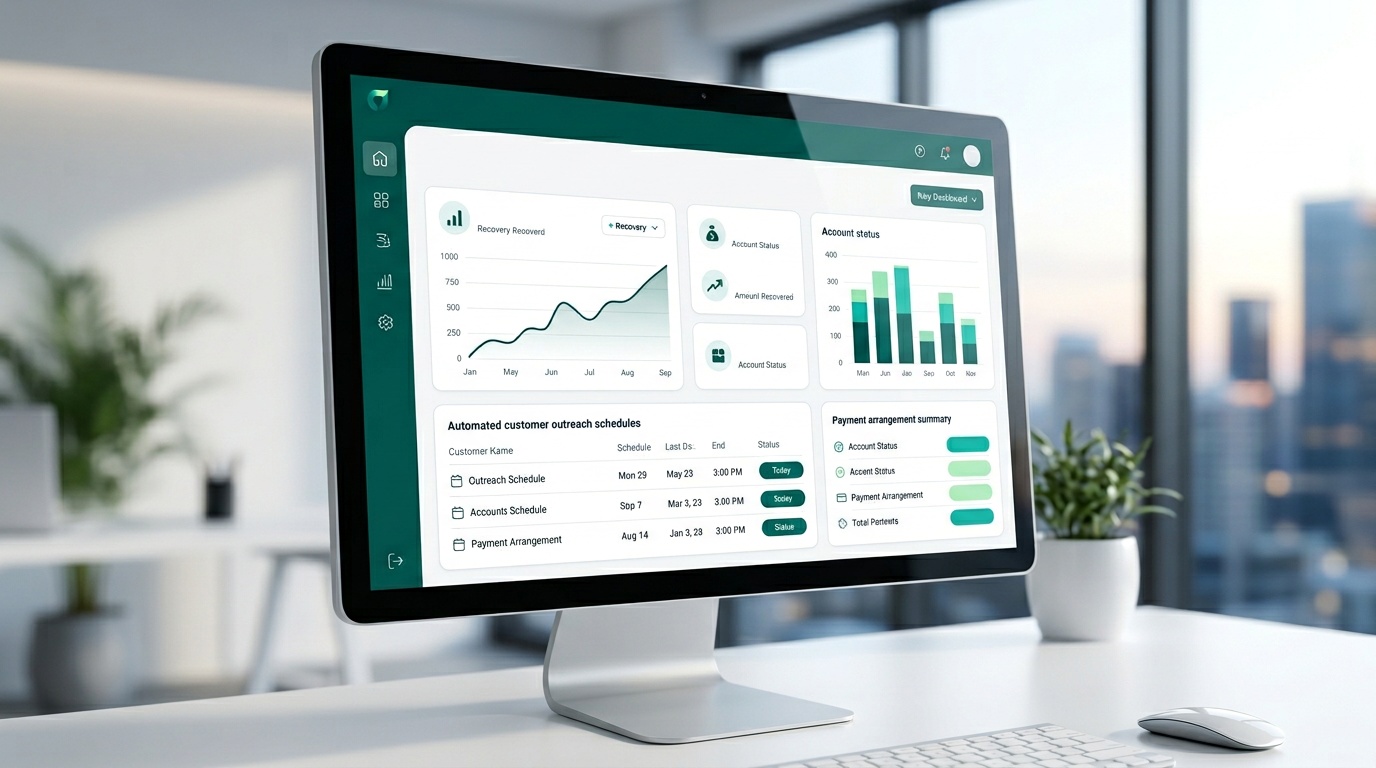
Collections is the most common source of revenue leakage across all six stages. Manual outreach is inherently inconsistent--staff bandwidth varies, priorities shift, and accounts age past their most recoverable window. Dash automates this stage to keep outreach consistent, compliant, and high-volume without adding headcount.
It's worth noting that the collections stage doesn't operate in isolation. If invoices go out late or with errors, collections teams inherit the downstream consequences: disputed balances, delayed responses, and customers who feel they received poor service before the first payment reminder even arrives. Strengthening O2C means strengthening the handoff between invoicing and collections--not just one or the other.
Common Challenges in the Order-to-Cash Cycle and Solutions
Where the Process Breaks Down
Most O2C failures aren't dramatic. They're quiet--an invoice that sits three days longer than it should, a follow-up that gets skipped during a busy week, a compliance checklist that lives in a spreadsheet no one updates. These small gaps accumulate into significant write-offs and ballooning DSO. The two biggest fault lines are manual collections processes and compliance exposure.
Solved With Modern Automation
- AI-timed outreach can meaningfully reduce days sales outstanding (DSO) by reaching customers at optimal moments.
- Built-in FDCPA, TCPA, and HIPAA guardrails reduce compliance risk without requiring manual tracking or dedicated legal oversight for every message.
- Configurable payment plans help recover accounts that would otherwise age into write-offs by meeting customers where they are financially.
Persistent Manual Process Risks
- Inconsistent follow-up allows invoices to age past the windows where recovery is most likely--often 60 to 90 days past due.
- Manual compliance tracking creates audit gaps and regulatory exposure, particularly under FDCPA and TCPA where timing and channel rules are strict.
- Limited staff capacity caps outreach volume, leaving a predictable percentage of accounts uncontacted and revenue uncollected.
The compliance dimension deserves specific attention. Businesses in healthcare, property management, solar, and financial services operate under overlapping regulatory frameworks--HIPAA, FDCPA, TCPA, and PCI DSS--that govern how and when they can contact customers about overdue accounts. Manual processes can't reliably enforce those rules at scale. A platform with compliance guardrails built in isn't a luxury; for regulated industries, it's a risk management requirement.
Streamline Your Order-to-Cash Cycle with Dash
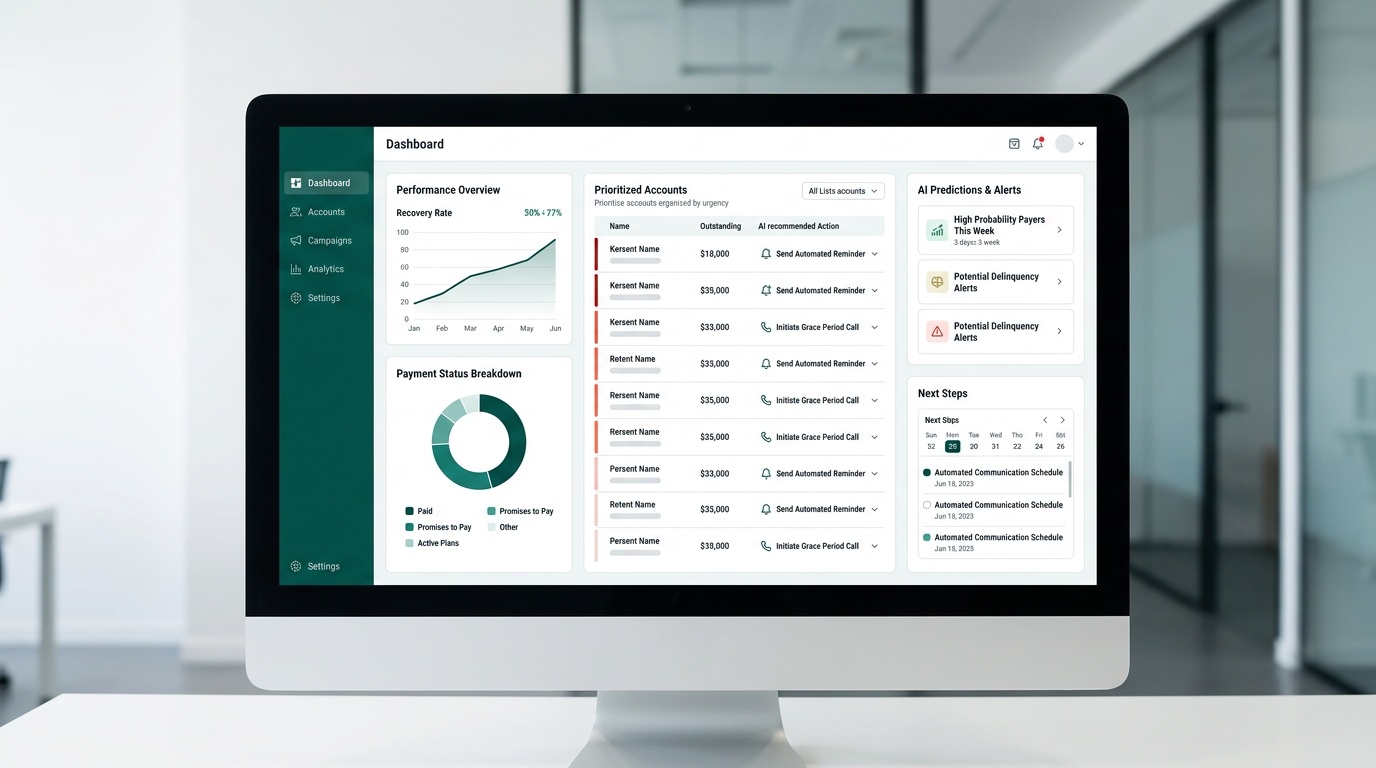
Dash targets the collections stage of the order-to-cash cycle--the point where most businesses lose the most recoverable revenue. Rather than handing accounts off to a third-party agency and losing both control and margin, Dash gives your team first-party AI automation that keeps outreach consistent, compliant, and scalable from day one.
The comparison below shows where manual collections processes fall short and where automation changes the math:
| Capability | Manual Collections | Dash Automated Collections |
|---|---|---|
| Outreach consistency | Dependent on staff availability | AI-scheduled, always-on outreach |
| Compliance management | Manual tracking, audit gaps | Built-in FDCPA, TCPA, HIPAA guardrails |
| Payment flexibility | Fixed terms only | Configurable payment plans per account |
| Pricing model | Staff overhead plus commission | Fixed monthly platform fee, no commissions |
| Outreach volume | Capped by headcount | Unlimited texts and emails included |
| Onboarding speed | Weeks of process setup | Results reported within the first week |
Dash serves healthcare, property management, solar, trucking, legal, and financial services organizations--industries where compliance requirements are non-negotiable and customer relationships carry long-term revenue implications. Dash's SOC 2 Type 2 certification and configurable compliance guardrails support both priorities, helping teams recover outstanding balances while protecting the relationships that make repeat business possible.
Optimizing the order-to-cash cycle requires a connected approach across order capture, invoicing, collections, and cash application. In practice, most teams see the fastest impact by addressing collections first--specifically outreach consistency, payment flexibility, and built-in compliance controls. For a broader overview of how this process is defined across industries, Wikipedia's order-to-cash article and Microsoft's O2C implementation guide offer useful reference points.
- Automate systematically: Reduce manual dependencies from invoicing through collections to keep every stage moving on schedule.
- Build compliance in: Treat FDCPA, TCPA, and HIPAA adherence as standard operating controls--not an afterthought managed in a spreadsheet.
- Preserve relationships: Offer payment plans that recover balances on terms customers can meet, without the brand damage that aggressive third-party tactics cause.
For regulated, high-volume industries, a collections platform built for respectful, consistent engagement can reduce aging receivables and improve cash forecasting without sacrificing the customer relationships your business depends on. If collections is the constraint in your O2C cycle, the right system doesn't just recover more--it gives your team back the time and visibility to run the whole process better. Request a Dash demo to see what that looks like in practice.
Frequently Asked Questions
What does the order-to-cash cycle mean?
The order-to-cash (O2C) cycle is the complete business process that begins when a customer places an order and concludes when their payment is received and applied to the general ledger. This end-to-end workflow covers every step a business takes to fulfill an order and collect payment. It significantly impacts cash flow velocity, operational efficiency, and the overall customer experience.
What is the process of the O2C cycle?
The order-to-cash process follows a clear sequence of stages to ensure smooth transaction completion. These stages include order management, credit management, order fulfillment, invoicing, payment collections, and finally, cash application. Each step is essential for the next to succeed, driving the entire revenue generation process.
How can I explain the O2C cycle in an interview?
When explaining the order-to-cash cycle in an interview, describe it as the entire journey from customer order placement to the final receipt and application of payment. Highlight its importance for managing cash flow, improving operational efficiency, and positively influencing working capital. Mention that a well-managed O2C cycle reduces days sales outstanding (DSO) and prevents cash flow pressure.
What is the difference between P2P, O2C, and R2R?
The order-to-cash (O2C) cycle, which this article focuses on, specifically manages the process from a customer's order through to payment collection. While O2C is about revenue generation, procure-to-pay (P2P) typically covers the purchasing process, and record-to-report (R2R) deals with financial reporting. Each is a distinct, important business process that contributes to overall financial health.
What are common challenges in the order-to-cash cycle?
Common challenges in the order-to-cash cycle often arise from persistent manual processes, particularly in the collections stage. This can lead to inconsistent follow-up on outstanding balances, allowing invoices to age and increasing potential write-offs. Manual compliance tracking also presents risks, creating audit gaps and regulatory exposure.
How can businesses improve their order-to-cash cycle?
Businesses can improve their order-to-cash cycle by automating systematically, especially from invoicing through collections, to reduce manual dependencies. Building compliance into operations, such as adherence to FDCPA, TCPA, and HIPAA, is also important. Solutions like Dash help teams recover overdue accounts faster using AI-powered outreach and self-service tools, which can improve outreach consistency and payment flexibility.