.png)
digital payment
Every business that sends an invoice, carries a recurring billing cycle, or manages past-due balances is already operating inside a digital payment system -- whether they've intentionally built one or not. The question isn't whether to accept digital payments. It's whether your current setup is working hard enough to get you paid faster.
Table of Contents
- What Are Digital Payments and Common Methods?
- Benefits and Drawbacks of Digital Payments for Businesses
- Digital Payment Trends Shaping 2026 and Beyond
- How Digital Payments Transform Receivables Recovery
Payment friction is the silent culprit behind slow-paying accounts. Customers who intend to pay often don't -- because the process involves too many steps, the wrong channel, or no self-service option at all. Plug those gaps and you don't just improve convenience. You accelerate cash flow, reduce staff workload, and protect customer relationships at the same time.
This guide covers the most common digital payment methods and their real-world trade-offs, the trends reshaping how businesses collect in 2026, and how pairing modern payment infrastructure with AI-driven outreach can transform your receivables recovery results.
What Are Digital Payments and Common Methods?
A digital payment is any electronic transfer of value that moves money through a network rather than through physical cash or paper checks. Transactions can originate from a mobile wallet, a browser-based checkout, a point-of-sale terminal, or an automated billing system -- and every one of them creates a timestamped record that feeds directly into reconciliation and reporting.
Not all digital payment methods are built the same. They differ in settlement speed, transaction fees, compliance requirements, and the customer experience they create. Choosing the right mix for your business means understanding those differences clearly.
Global digital payment transaction value is projected to exceed $20 trillion by 2026, according to Statista. For teams managing recurring billing or past-due balances, a streamlined payment flow isn't a competitive edge anymore -- it's a baseline operational requirement.
Benefits and Drawbacks of Digital Payments for Businesses
The operational case for digital payments is straightforward. Faster settlement shortens the gap between a completed transaction and usable cash. Automated reconciliation eliminates hours of manual matching. Self-service portals give customers a way to pay on their own time -- which means fewer inbound calls and less staff time spent on payment collection. In high-volume environments, those efficiencies directly reduce days sales outstanding.
The cost picture is more nuanced. Card processing fees typically run between 1.5% and 3.5% per transaction. On low-dollar payments, that spread compresses margins quickly. Fraud and chargebacks add a second layer of exposure -- disputes take staff time to resolve, and losses aren't always recovered. Any business that stores, processes, or transmits card data is also subject to PCI DSS compliance obligations, which carry their own administrative weight.
The goal isn't to avoid digital payments. It's to choose methods that match your transaction profile and build the right controls around them.
Digital Payment Trends Shaping 2026 and Beyond
Mobile wallet adoption is growing faster than almost any other payment channel. The World Bank projects more than 5 billion digital wallet users globally by 2026. A2A volume is rising alongside it, as real-time rails continue expanding -- reducing dependence on card networks and trimming per-transaction fees in the process.
The launch of FedNow accelerated this shift. Instant 24/7 settlement means businesses no longer have to wait for next-day ACH batches to confirm funds. That speed changes how teams manage liquidity and how quickly they can act on incoming cash.
Embedded finance is integrating payment options directly into industry software -- dispatch platforms, practice management systems, storage portals. When payment collection sits inside the workflow your customer already uses, every unnecessary step disappears. Completion rates follow.
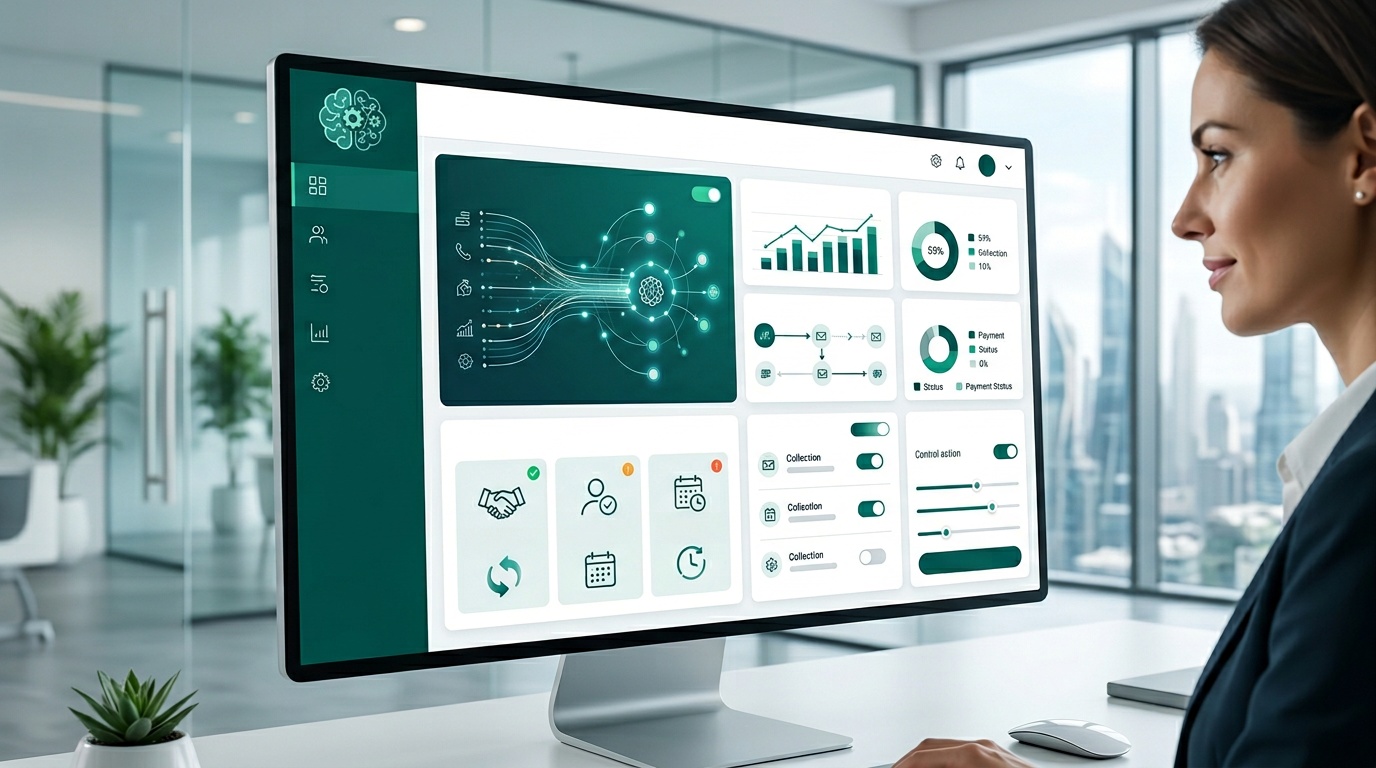
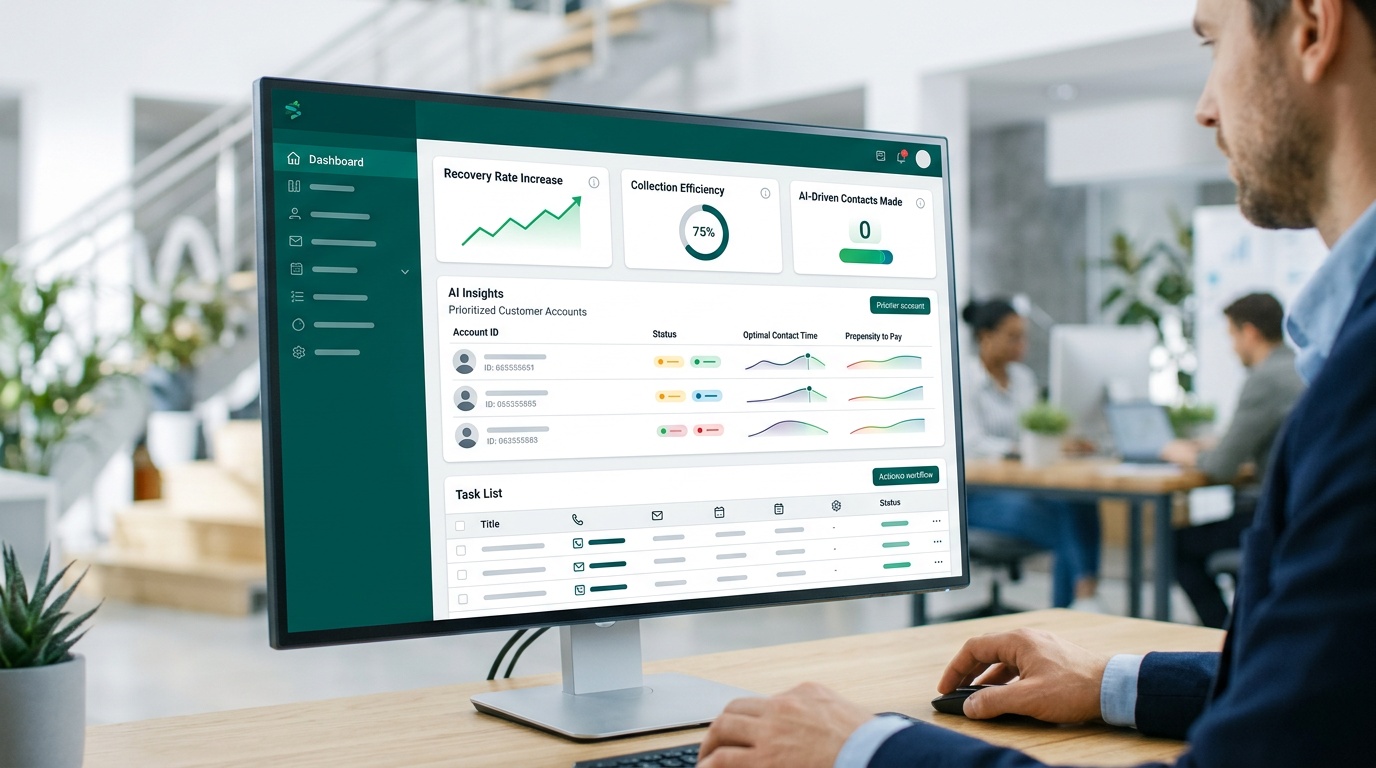
For past-due accounts specifically, the channel and timing of outreach matter as much as the payment method itself. AI-driven tools can identify the optimal moment to send a reminder and the channel most likely to generate a response -- then pair that message with a secure payment link the customer can act on immediately. That combination is where modern receivables recovery starts to look very different from a phone call at 9 a.m.
How Digital Payments Transform Receivables Recovery
An overdue balance is, at its core, a digital payment friction problem. A customer owes money and intends to pay -- but the process of actually completing that payment has too many obstacles. Staff-scheduled calls, mailed invoices, and phone-only payment options all create delay. Remove the friction, and most customers will act.
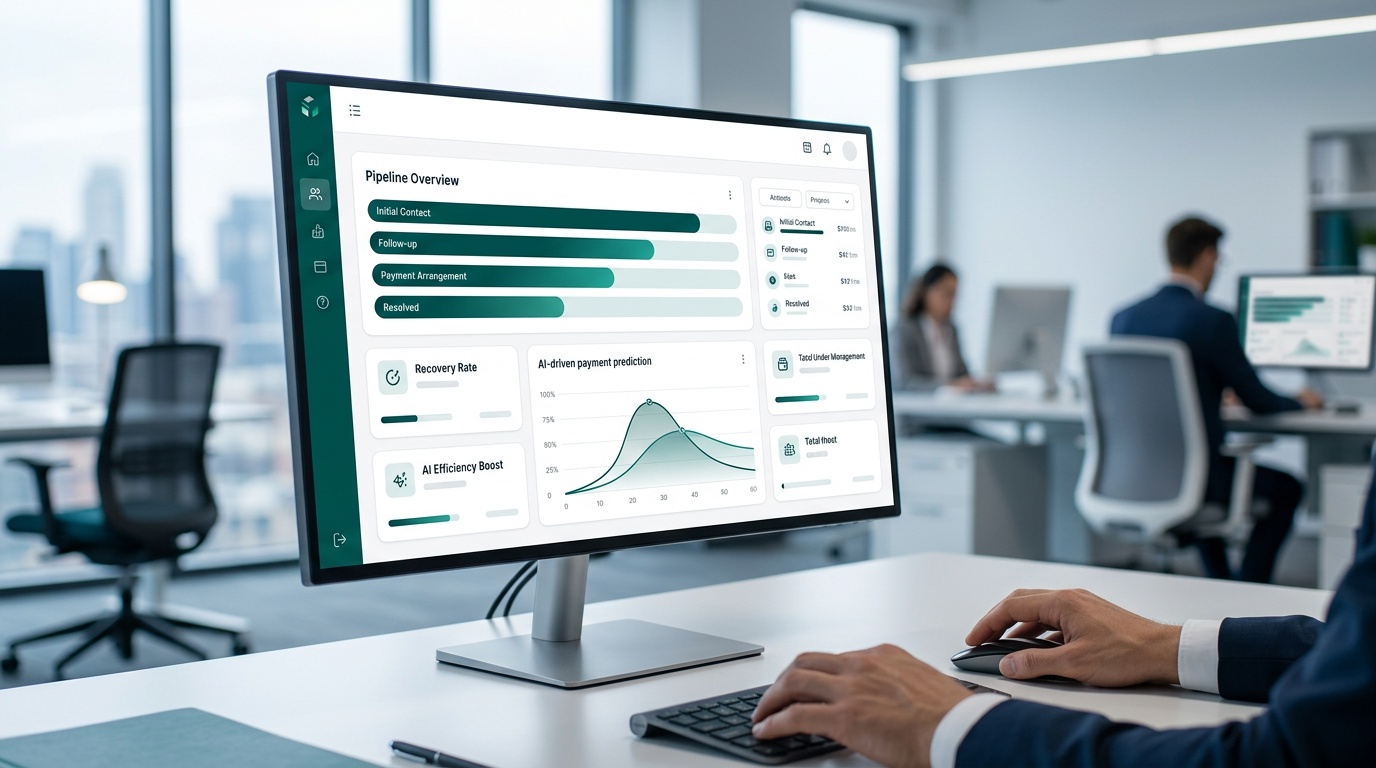
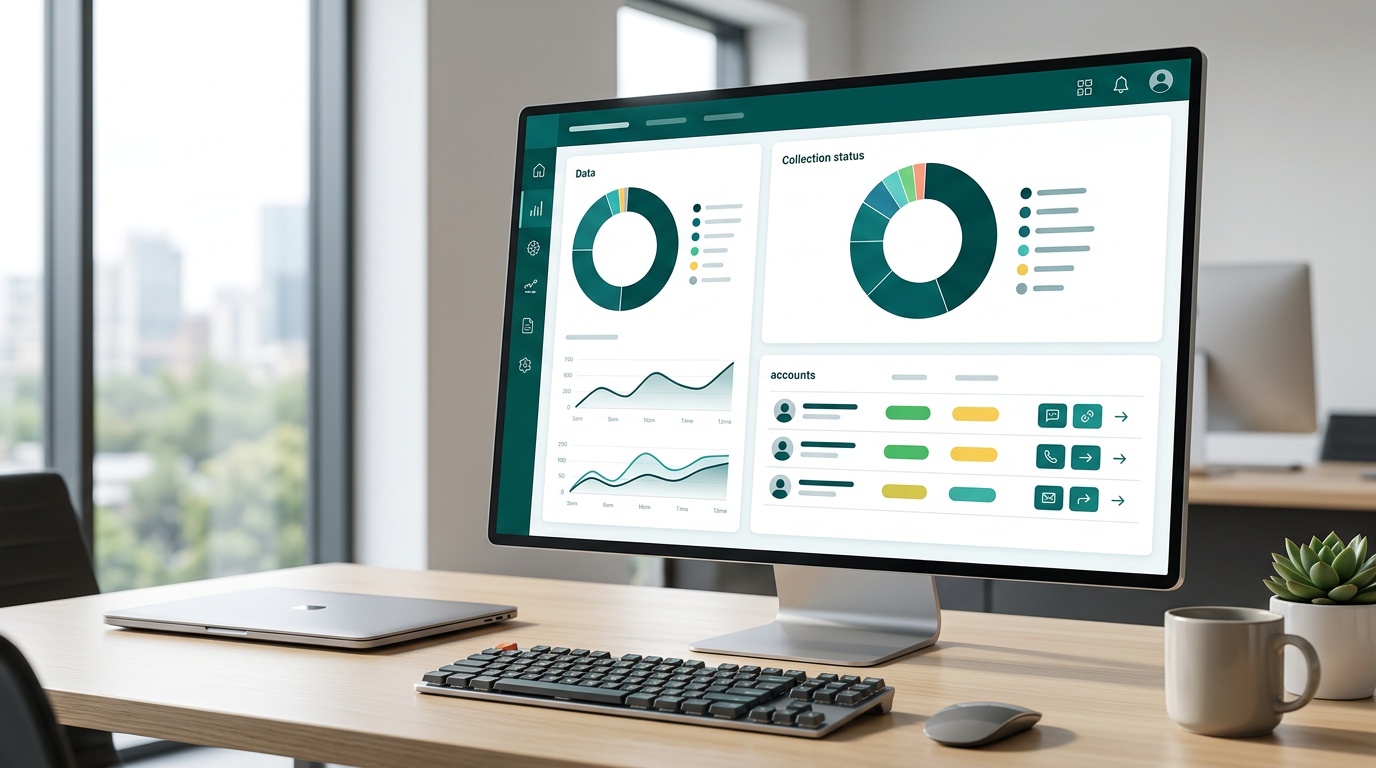
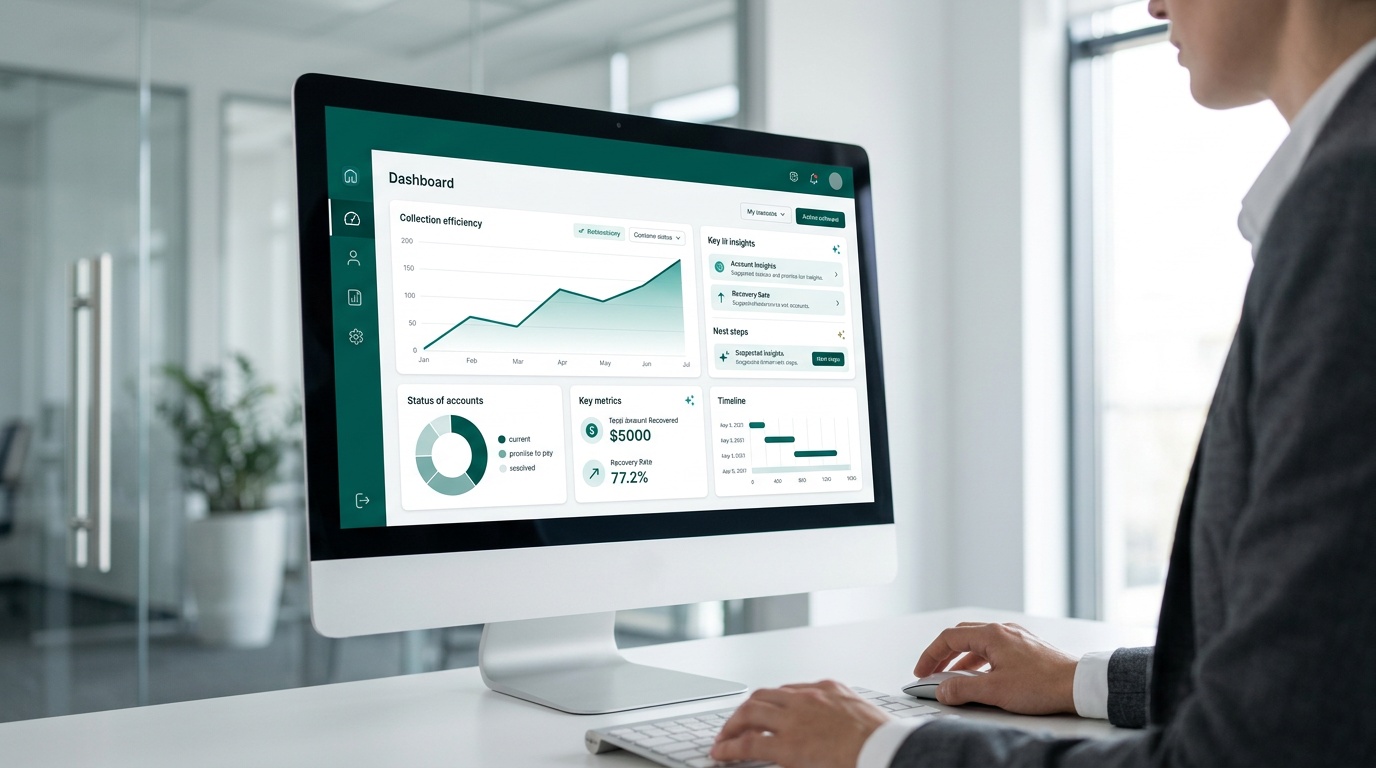
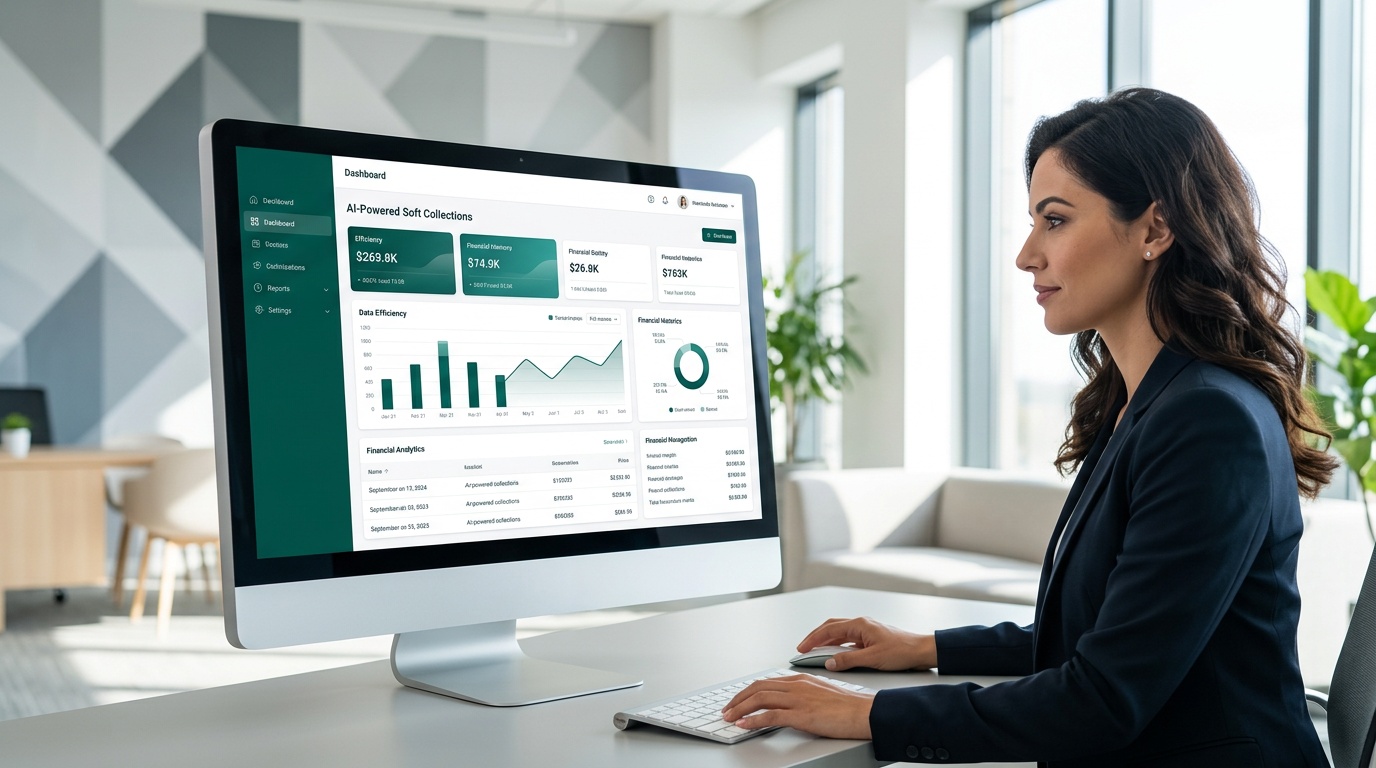
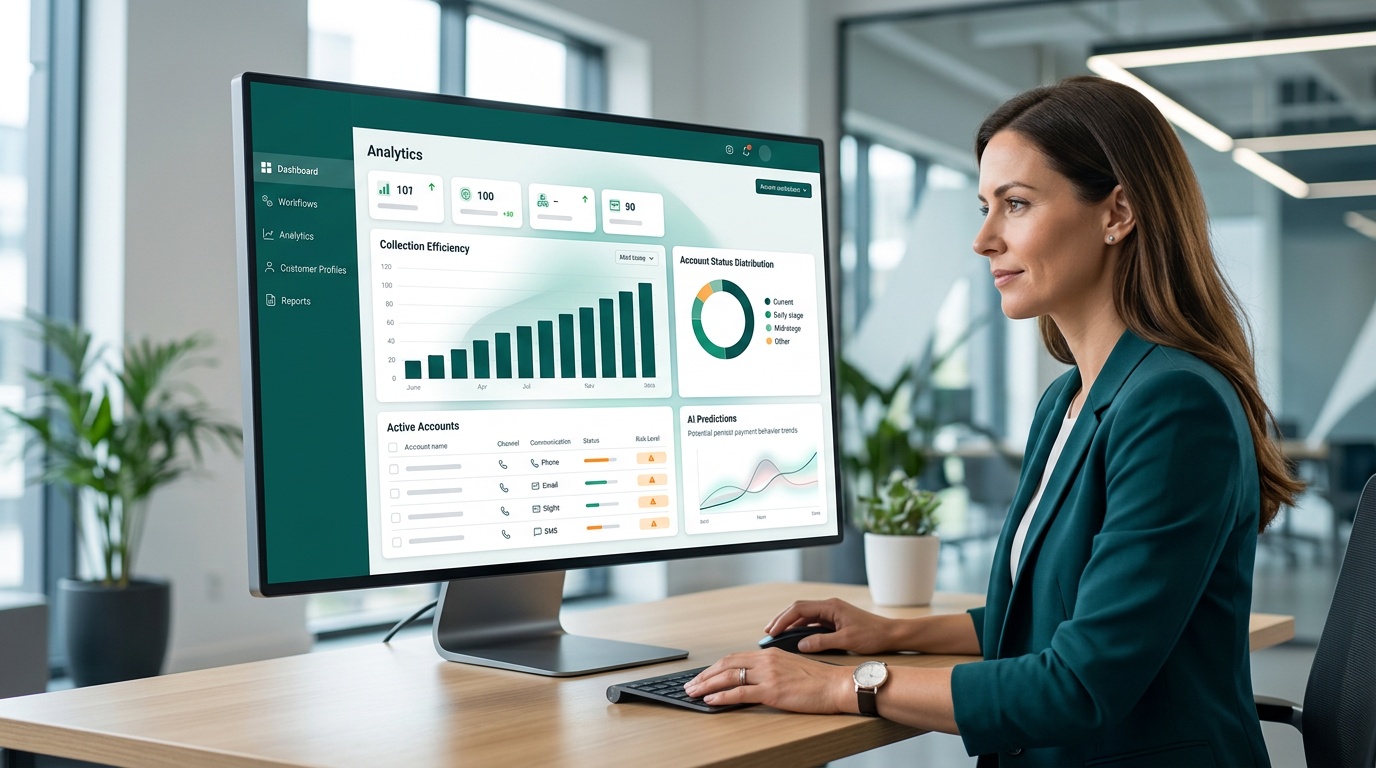
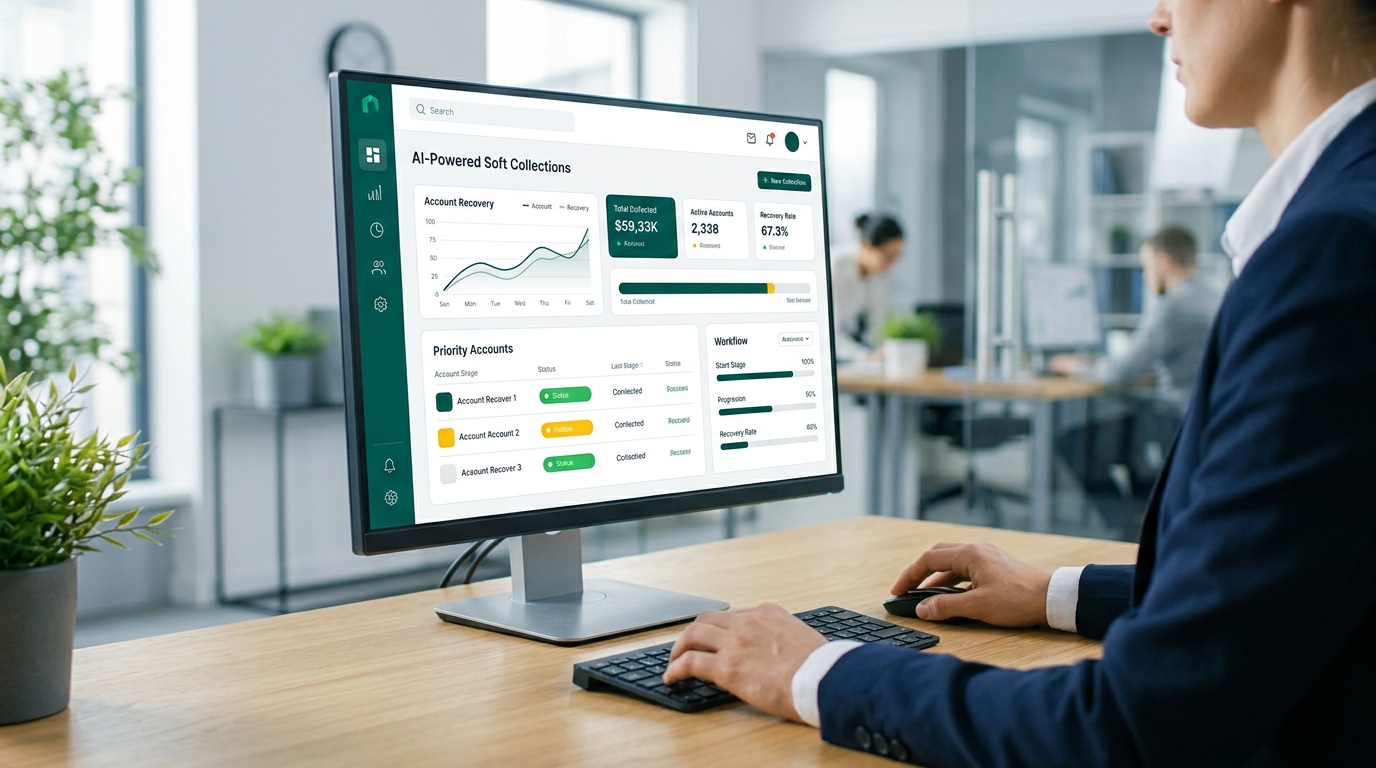
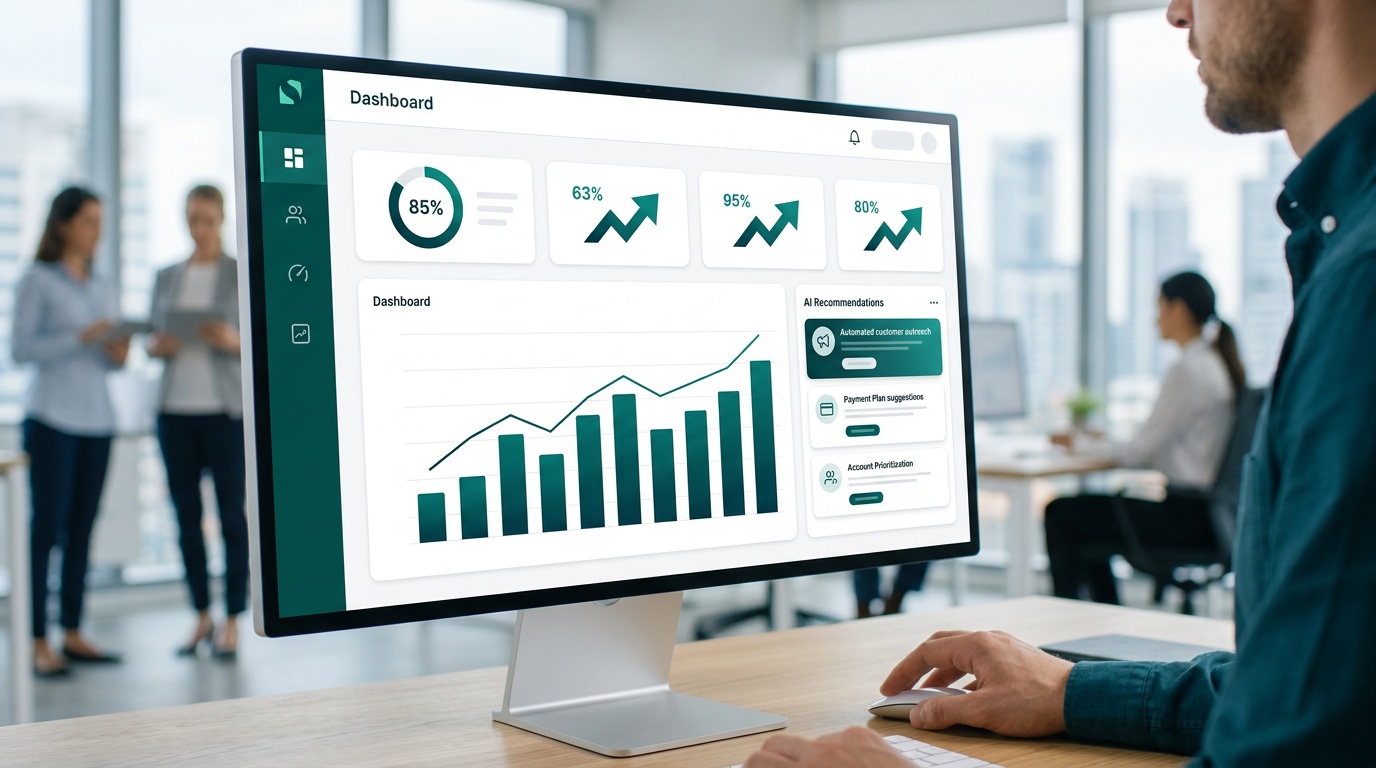
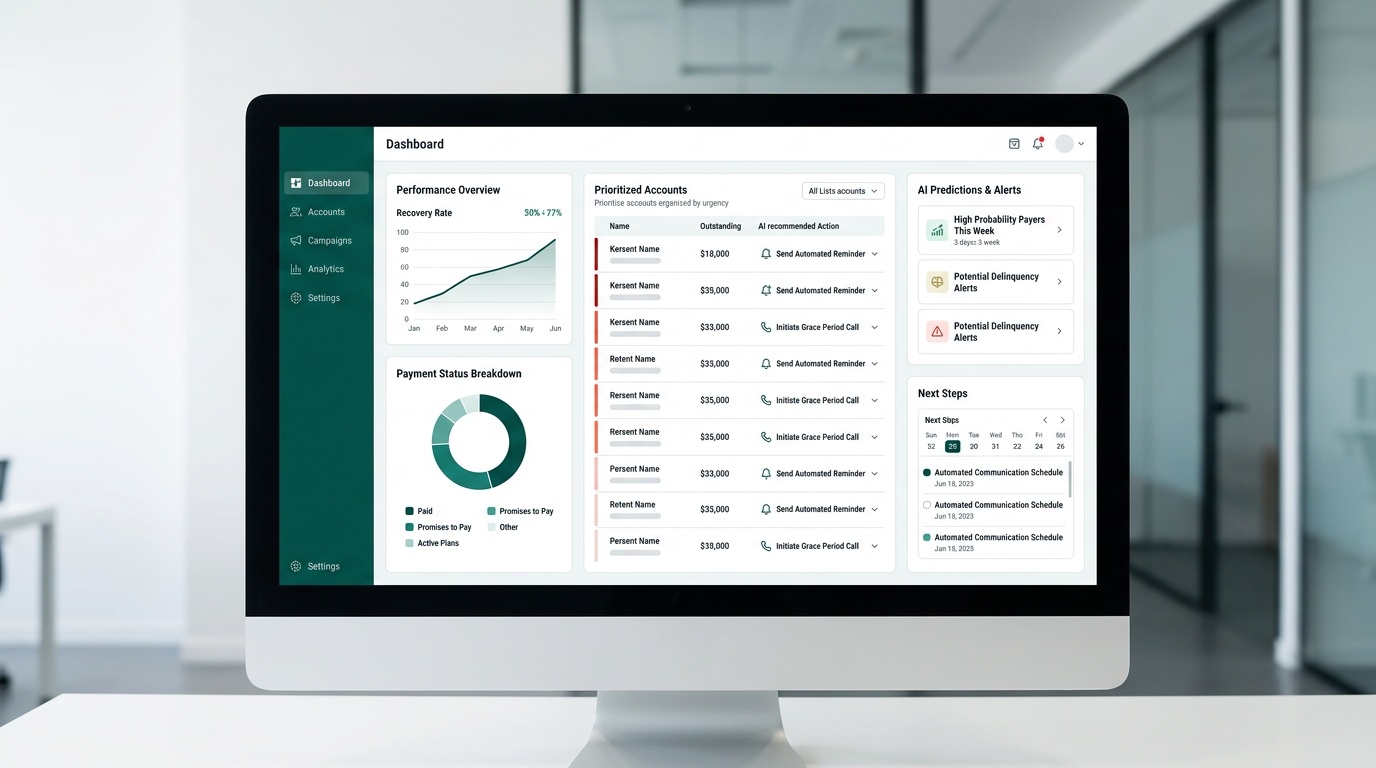
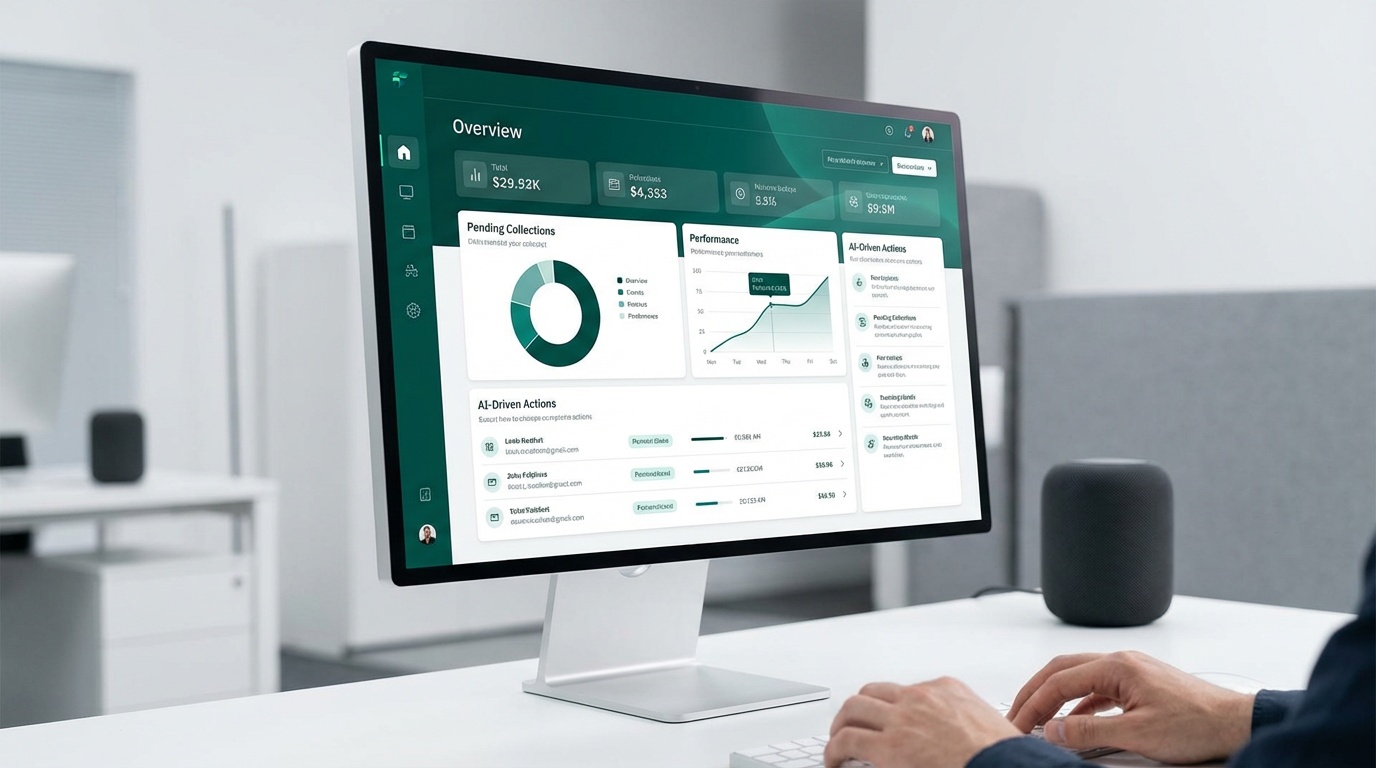
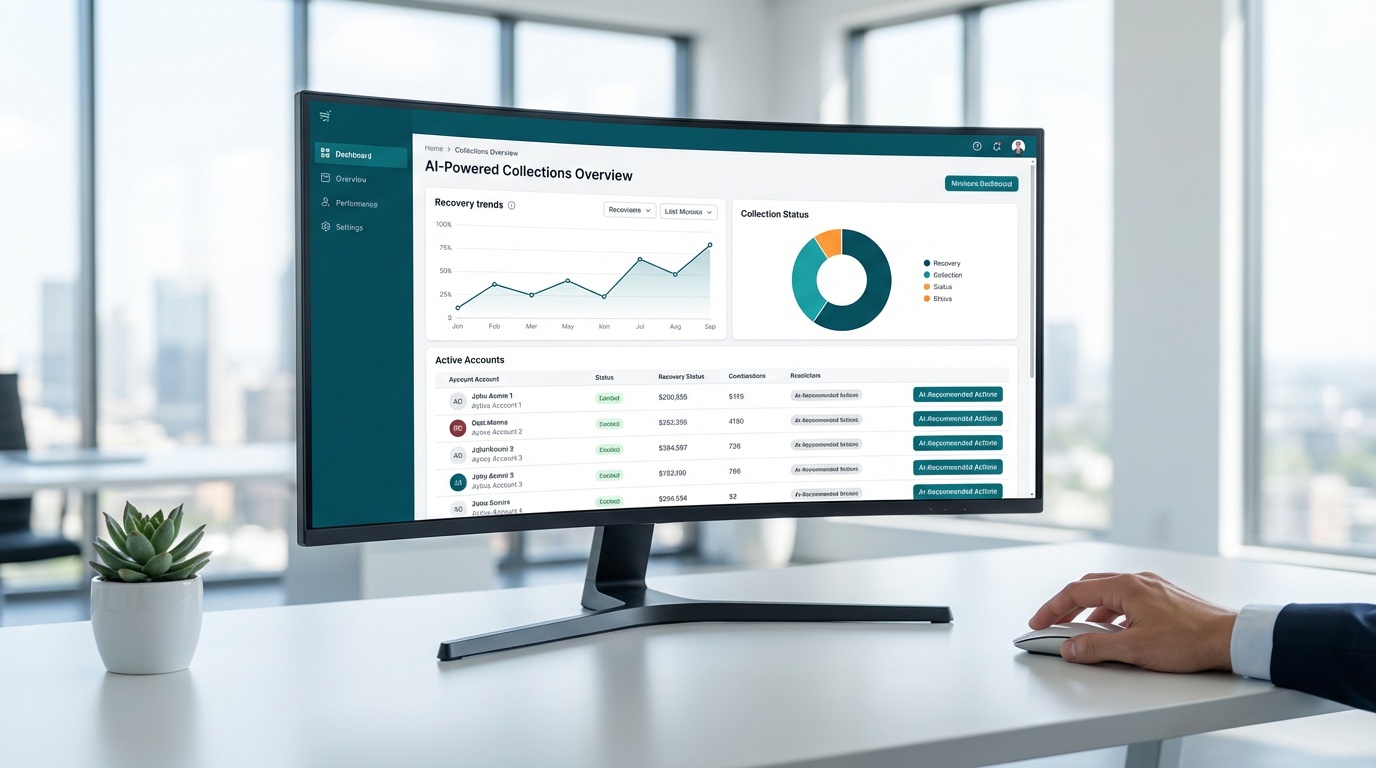
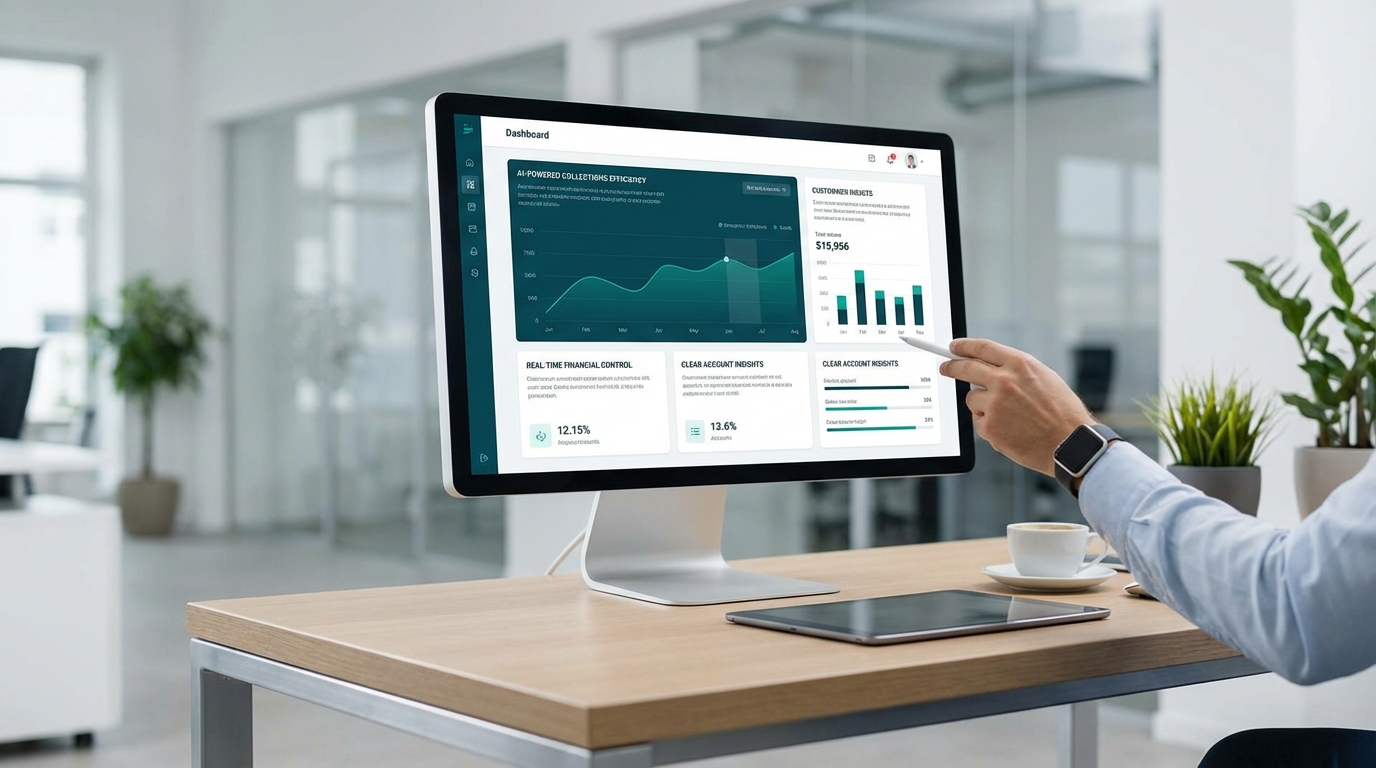
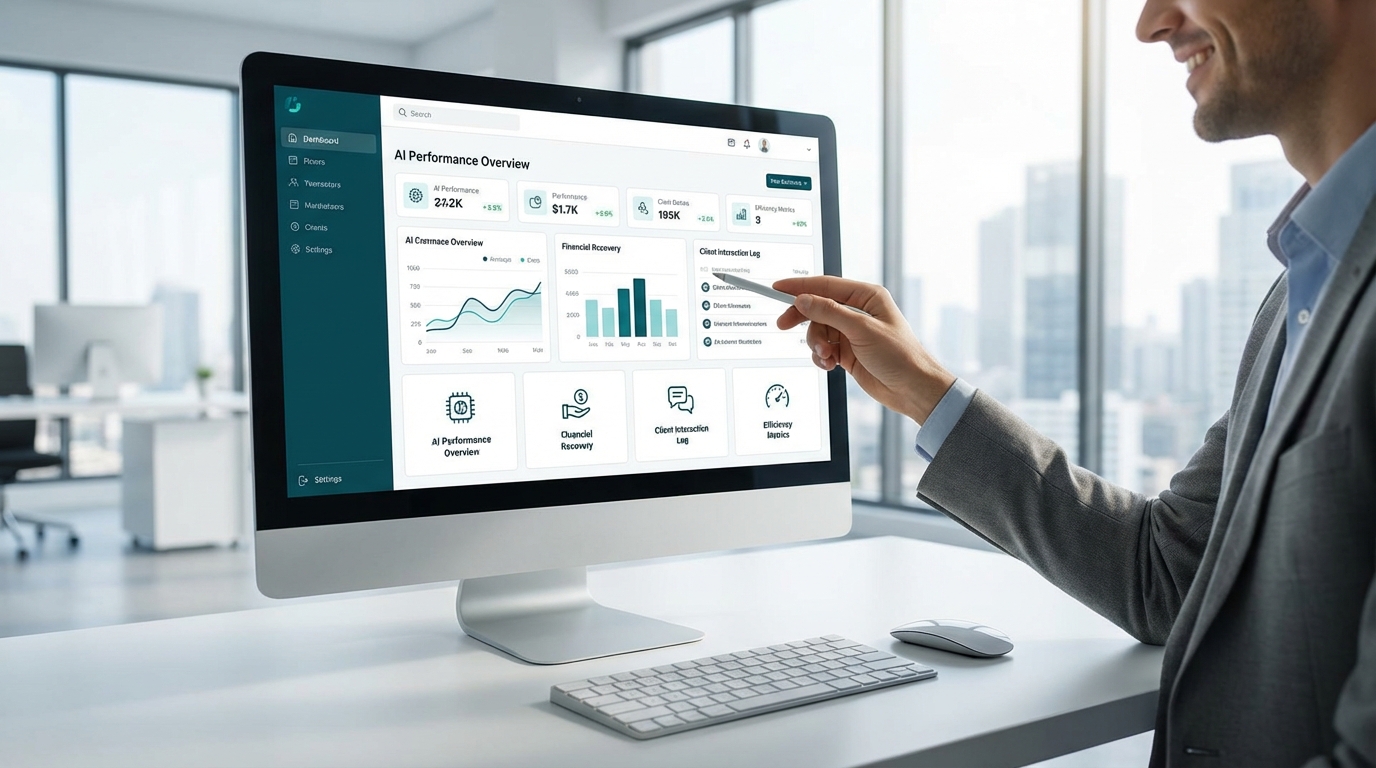
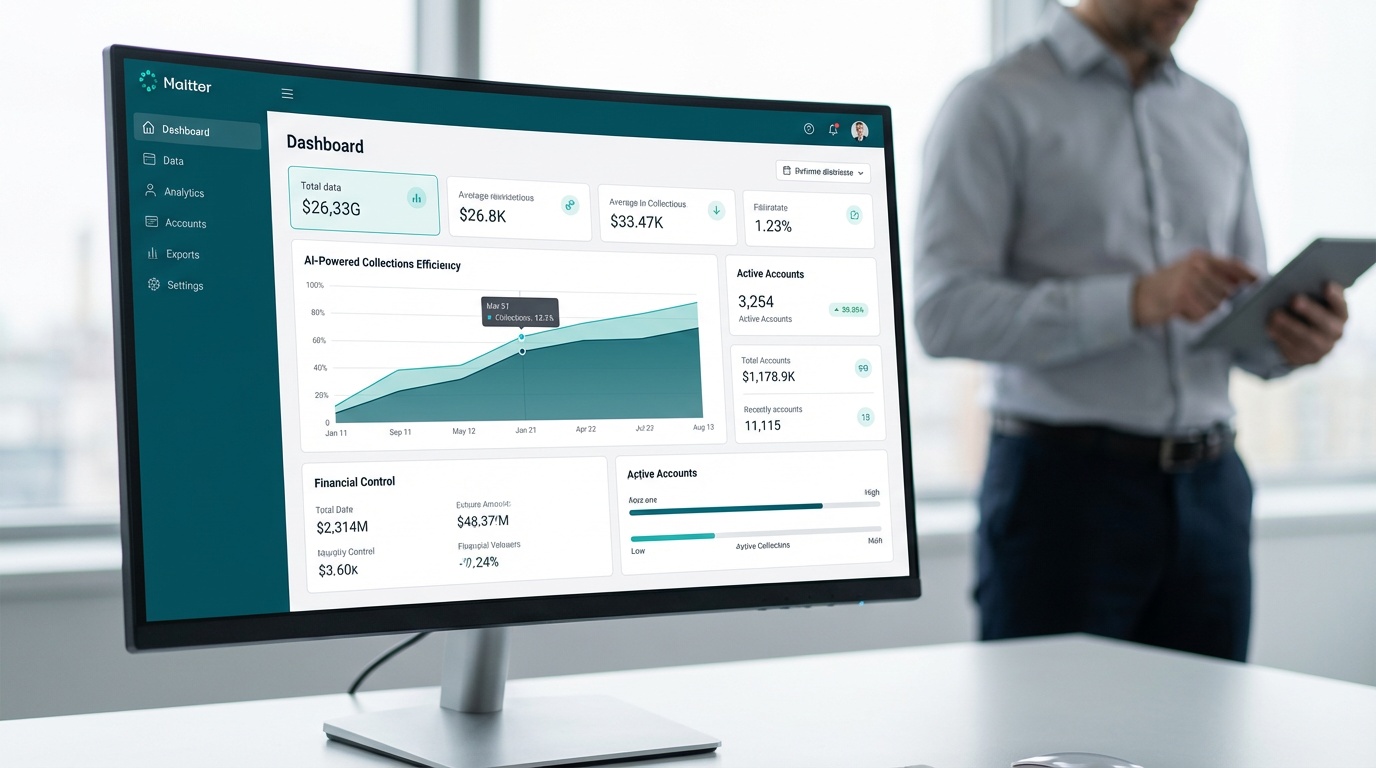
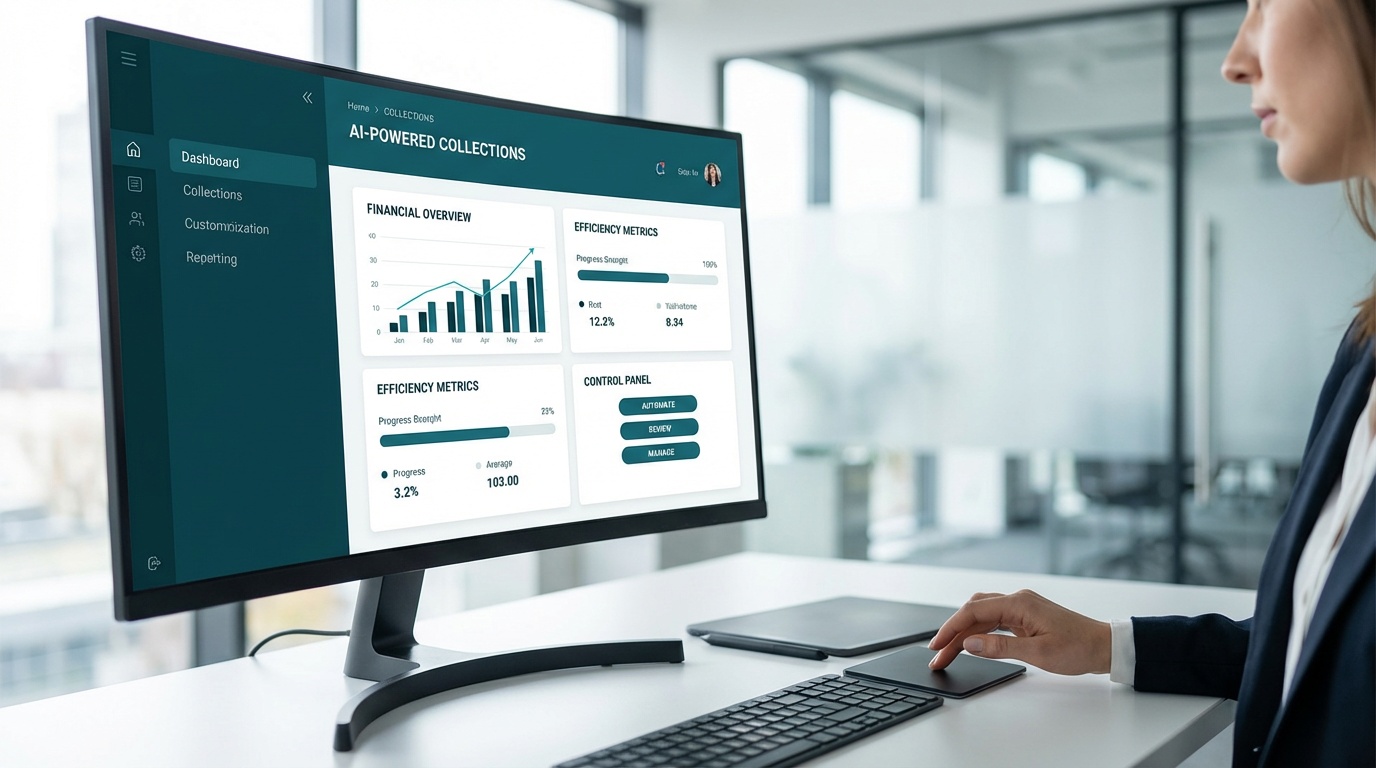
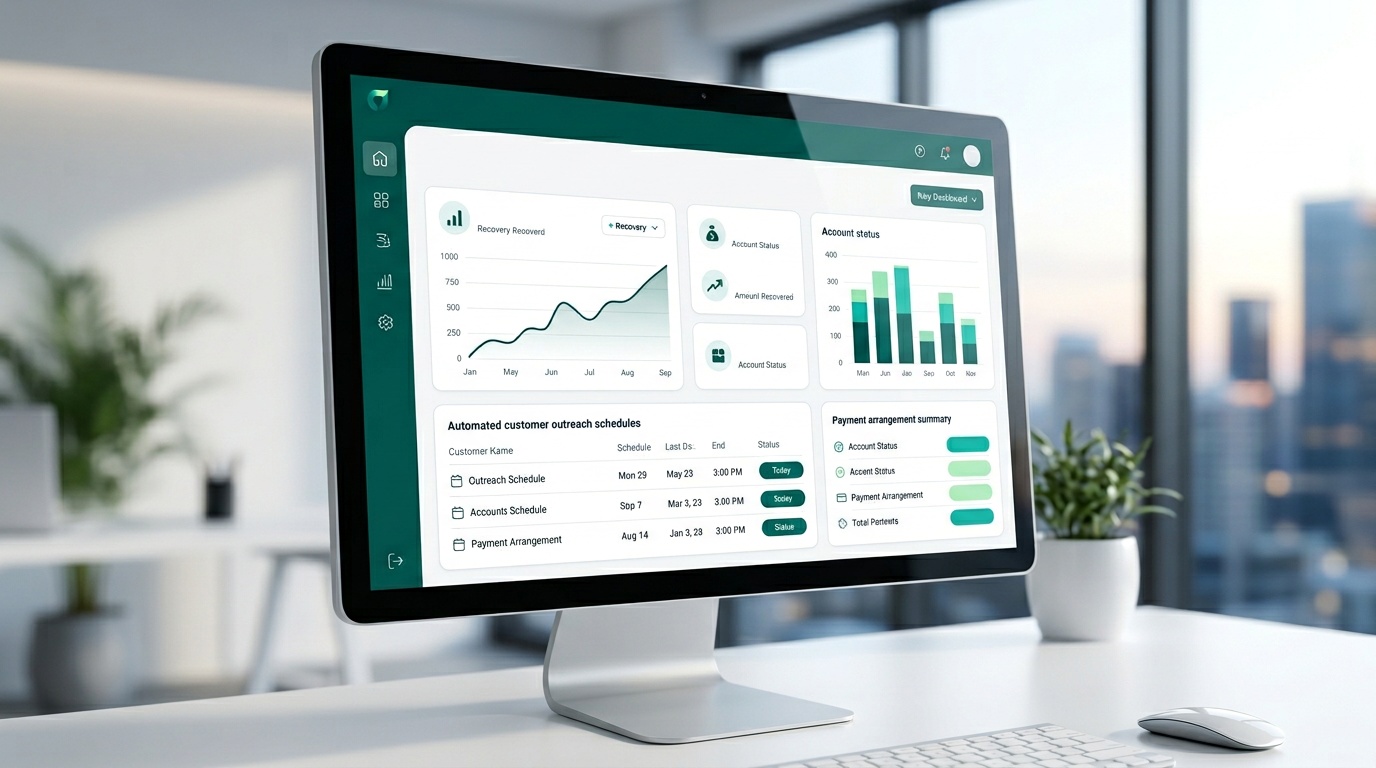
Dash is built around exactly this model. The platform pairs AI-optimized outreach with a secure, self-service payment portal -- so your team can send automated texts and emails at the right time, offer configurable payment plans, and track every account in a real-time dashboard. No commission fees. No third-party handoff. Your business stays in control of the relationship.
Compliance is built into the workflow, not bolted on after the fact. Adhering to the Fair Debt Collection Practices Act, along with TCPA, HIPAA, and PCI DSS, requires consistent documentation and guardrails at every touchpoint. Dash automates audit logs and applies regulatory guardrails across every outreach action -- so your team communicates respectfully and legally without adding manual oversight to every message.
CapabilityManual Collections ProcessDash Automated ApproachOutreach timingStaff-scheduled calls during business hoursAI-optimized send times across text and emailPayment optionsPhone payment or mailed checkSecure self-service portal with flexible plansCompliance documentationManual call logs and inconsistent recordsAutomated audit logs with TCPA and FDCPA guardrailsVolume capacityLimited by staff headcountUnlimited accounts, texts, and emailsTime to first resultWeeks of ramp-upResults reported within the first week
Modernizing collections means meeting customers where they already are -- on their phones, on their schedule. The businesses seeing the fastest recovery results aren't calling louder. They're reducing friction, automating the right touchpoints, and making it easy for customers to pay the moment they're ready. See how Dash works and take control of your receivables recovery.
Frequently Asked Questions
How do different digital payment methods compare in terms of speed and fees for businesses?
Digital payment methods vary significantly in their operational characteristics. Card networks, like Visa and Mastercard, offer quick transactions but typically include fees ranging from 1.5% to 3.5% per transaction. Account-to-account (A2A) transfers, such as ACH or real-time rails, often present lower fees and can offer instant settlement, which improves cash flow efficiency. Mobile wallets generally utilize underlying card networks or A2A transfers, inheriting their respective speeds and fee structures.
What are the primary risks businesses face when accepting digital payments?
Businesses accepting digital payments encounter several risks that require careful management. Transaction fees can reduce margins, especially on low-dollar payments, necessitating careful consideration of payment processing costs. Fraud and chargebacks are also significant concerns, requiring robust monitoring and dispute handling processes to mitigate potential losses. Additionally, handling card data requires strict adherence to compliance standards like PCI DSS.
How do digital payments help businesses improve their cash flow and operational efficiency?
Digital payments significantly improve cash flow through faster settlement times compared to traditional payment methods. Automated reconciliation reduces manual accounting labor, making it easier to track and apply incoming funds accurately. These efficiencies help businesses reduce days sales outstanding and gain clearer visibility into their financial position, streamlining overall operations.
What is embedded finance and why is it a significant trend for businesses?
Embedded finance integrates payment options directly into existing business software, such as dispatch platforms or practice management systems. This trend simplifies the payment process for customers by reducing steps and keeping transactions within familiar workflows. For businesses, it means smoother operations, reduced friction at the point of payment, and potentially higher completion rates for transactions.
How can digital payments assist businesses with recovering overdue accounts?
Digital payments transform receivables recovery by providing secure, self-service payment links that customers can use instantly. Pairing these links with clear, timely reminders, often through AI-driven outreach, reduces friction in the payment process. This approach helps businesses collect overdue balances more efficiently while offering convenience and flexibility to customers.
What compliance considerations are important for businesses processing digital payments?
Businesses processing digital payments must adhere to several compliance standards to protect data and consumers. PCI DSS compliance is essential for securely handling card data. For collections activities, adhering to regulations like the TCPA and FDCPA ensures respectful and legal communication practices, protecting both the business and its customers.
What role do real-time payment networks play in the future of digital payments?
Real-time payment networks, such as FedNow, are transforming digital payments by offering instant settlement capabilities 24/7. This expansion of real-time rails reduces dependence on traditional card networks and their associated fees. For businesses, it means improved cash flow management, greater liquidity, and more immediate access to funds.
About the Author
This article comes from the experts at Dash, a leading cloud-based soft collections software platform. Our mission is to empower businesses across diverse industries—from financial services and healthcare to property management and solar—to efficiently recover overdue receivables. We believe in providing you with the tools to take control of your cash flow, without the need for costly and often reputation-damaging third-party collection agencies.
At Dash, we understand the challenges businesses face in maintaining healthy financial operations while preserving customer relationships. Our platform is engineered to address these complexities head-on, offering a modern, compliant, and highly effective alternative to traditional debt collection. We focus on delivering solutions that are not just about recovery, but also about efficiency, control, and long-term business health.
The Dash Difference
What sets Dash apart is the combination of AI-powered automation with full first-party control. Your team stays in the driver's seat—managing outreach timing, messaging tone, and payment plan flexibility—while the platform handles compliance guardrails, contact frequency limits, and real-time performance tracking. The result is faster recoveries, lower cost per dollar collected, and customer relationships that stay intact. See how Dash works →
Last reviewed: March 1, 2026 by the Dash Team