.png)
payment processing iso
===META=== Title: Payment Processing ISO: Independent Sales Organizations & ISO 20022 Explained Slug: payment-processing-iso-guide Meta Description: Learn what payment processing ISO means--Independent Sales Organizations, ISO 20022 data standards, and how both connect to smarter receivables recovery. Primary Keyword: payment processing iso Author: Dash Marketing Team Read Time: 7 minutes ===END META=== ===ARTICLE===The term payment processing ISO appears constantly in financial operations conversations, yet it carries two distinct meanings that businesses routinely conflate. One refers to an Independent Sales Organization--a registered intermediary in the merchant services ecosystem. The other refers to a family of global data standards published by the International Organization for Standardization, most notably ISO 20022. Understanding both, and how each connects to your receivables strategy, gives your business a real operational edge.
Key Takeaways
- Distinguish between Independent Sales Organizations (ISOs) and International Organization for Standardization (ISO) data standards, as both terms appear in payment processing.
- Understand that Independent Sales Organizations act as intermediaries in the merchant services ecosystem.
- Recognize that ISO data standards, such as ISO 20022, guide global financial data exchange.
- Connect both definitions of ISO to your receivables strategy for a clear operational advantage.
Most guides stop at a surface-level definition. This one goes further. We'll walk through how ISOs actually work, what ISO 20022 changes about the data layer beneath modern payments, and where dedicated collections platforms fit into the picture when invoices go past due. Whether you're evaluating merchant services partners or trying to understand why your bank is talking about payment rail migrations, this guide gives you the clarity to make informed decisions.
The distinction matters more than it might seem. Conflating these two meanings can lead to the wrong tool for the wrong problem--and when cash flow is on the line, that's a mistake worth avoiding.
Key Takeaways
- An Independent Sales Organization (ISO) is a registered third-party intermediary that connects merchants to acquiring banks and card networks.
- ISO 20022 is a global messaging standard modernizing how payment data is structured and exchanged between financial institutions.
- Businesses have three primary paths: working with an ISO, going direct, or using a specialized platform for receivables recovery.
- Richer transaction data from ISO 20022 can speed reconciliation and improve account visibility, which supports faster collections.
Understanding Payment Processing ISOs: The Intermediary's Role
An Independent Sales Organization is a company registered with major card networks--including Visa and Mastercard--that acts as a bridge between merchants and acquiring banks. Rather than processing payments directly, an ISO recruits merchants, provides payment terminals and software, and manages the merchant relationship on behalf of the acquiring bank. Think of them as a franchise operator: they carry the brand and handle the relationship, but the bank backstops the actual transaction infrastructure.
ISOs earn revenue primarily through residuals--a percentage of the processing revenue generated by each transaction. Some also charge setup fees, monthly service fees, or equipment costs. The residual model means an ISO's income scales with your processing volume, which can align incentives reasonably well for high-volume merchants. For lower-volume businesses, the fee structure deserves scrutiny before signing any agreement.
Registration tiers matter here. A full ISO maintains a direct relationship with card networks and carries greater compliance obligations. A merchant service provider (MSP) or sub-ISO operates under a registered ISO's umbrella. The distinction affects accountability, service levels, and who's ultimately responsible if disputes arise. Before choosing an ISO partner, confirm their registration status and review the underlying acquiring bank relationship--that's where your funds actually settle.
Key Insight
ISOs do not hold merchant funds or process transactions. They manage relationships and support sales. Transaction processing routes through the acquiring bank and card networks.
Where ISOs excel is in onboarding and support. A quality ISO partner can get a merchant set up with terminals, a payment gateway, and ongoing technical assistance faster than negotiating a direct acquiring relationship from scratch. That convenience has a cost--residuals add up over time--but for many businesses, the trade-off is worth it. The key is understanding exactly what you're paying for and what control you retain.
Beyond the Acronym: ISO Standards in Payments (ISO 20022)
The term "ISO" in payments can also refer to international messaging standards published by the International Organization for Standardization. ISO 20022 defines a universal financial messaging format designed to replace older, data-limited protocols such as ISO 8583. If ISO 8583 was a fax machine--functional but constrained--ISO 20022 is a structured database: same core purpose, dramatically more capacity.
Where ISO 8583 focuses on card authorization messages with rigid data fields, ISO 20022 supports structured XML and JSON formats that carry richer remittance data, creditor and debtor identifiers, invoice references, and purpose codes. Major payment rails--including SWIFT, the Federal Reserve's FedNow, and The Clearing House's RTP network--have adopted or are actively migrating to ISO 20022. This isn't a niche upgrade; it's a foundational shift in how financial institutions communicate about money movement globally.
For finance teams, the practical impact is meaningful. A payment arriving over an ISO 20022-compliant rail can include the exact invoice number it satisfies, the debtor's account identifiers, and structured remittance detail that maps directly to your accounts receivable ledger. That context is what makes automated cash application possible--and it's what makes manual reconciliation increasingly unnecessary as adoption expands.
ISO 8583, by contrast, was designed for point-of-sale card authorization in an era when bandwidth was scarce and speed was everything. It did that job well. But it was never built to carry the kind of structured, invoice-level data that modern finance operations need. ISO 20022's XML-based architecture has no such ceiling, which is why regulators and central banks worldwide have backed its adoption as the long-term standard.
The Merchant's Choice: ISO vs. Direct Processing vs. Modern Collections Platforms
Choosing the right payment infrastructure depends on what problem you're actually solving. Payment acceptance and overdue receivables recovery are related but distinct challenges--and they call for different tools. Here's how the options stack up:
| Criteria | ISO Partnership | Direct Processing | Dash (Collections Platform) |
|---|---|---|---|
| Primary Function | Payment acceptance setup | Payment acceptance setup | Overdue receivables recovery |
| Merchant Control | Moderate; ISO manages the relationship | High; direct bank relationship | High; business retains customer ownership |
| Setup Speed | Days to weeks | Weeks to months | Fast and easy setup |
| Compliance Support | PCI DSS guidance | PCI DSS guidance | Guardrails for FDCPA, TCPA, HIPAA, and PCI DSS |
| Cost Model | Per-transaction residuals | Interchange plus fees | Fixed monthly platform fee; no commissions |
| Customer Relationship | Managed by the ISO | Managed internally | Self-service payment options and customer-friendly outreach |
ISOs and direct processing address payment acceptance--getting customers to pay at the point of sale or invoice. Dash addresses what happens after an invoice ages past due. That's a fundamentally different workflow: one that requires automated outreach, compliance guardrails for collections-specific regulations, and tools designed to recover payments without damaging the customer relationship.
Direct processing gives merchants the most control over their acquiring relationship and typically the lowest long-term cost at scale. The trade-off is setup complexity and the internal resources needed to manage a direct bank relationship. ISOs lower that barrier but introduce a layer of intermediary fees and reduced direct access to your processor. Neither model was built with overdue accounts in mind.
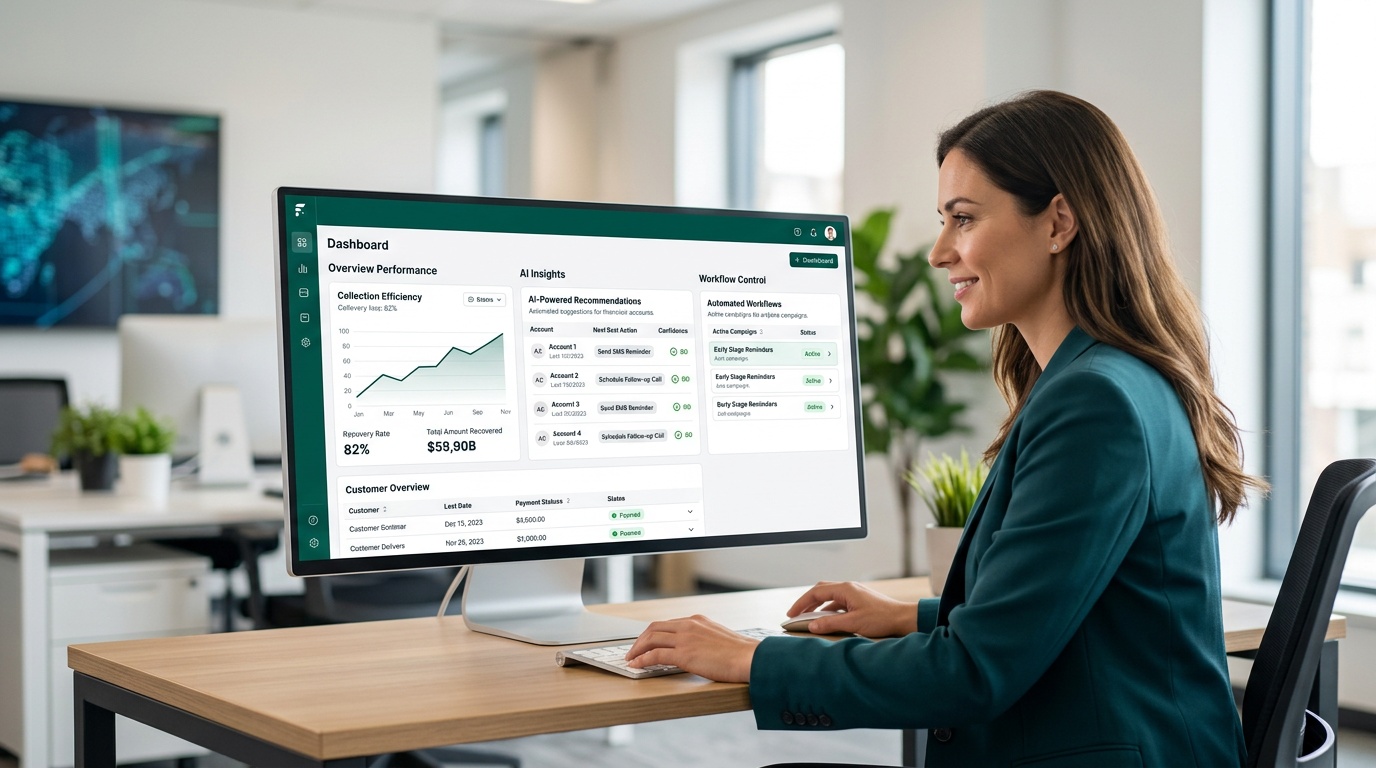
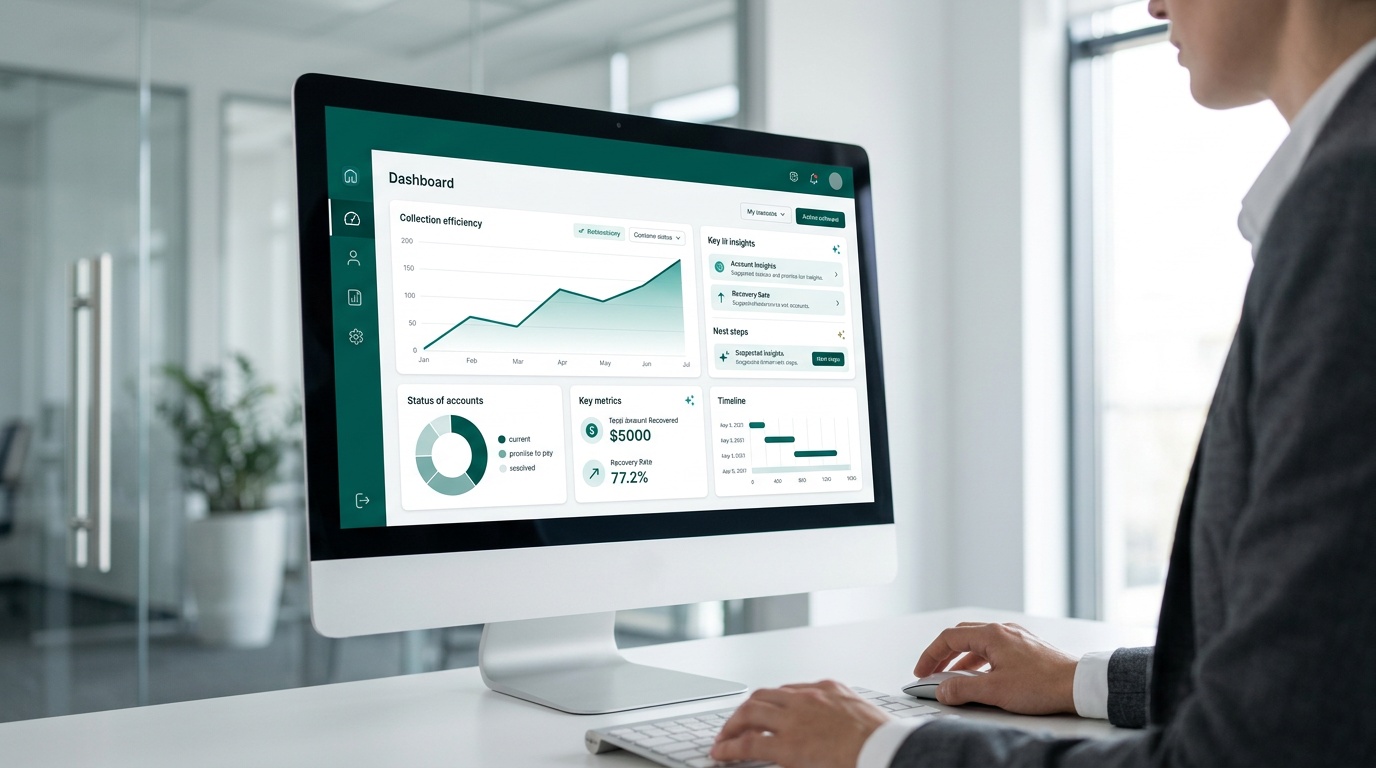
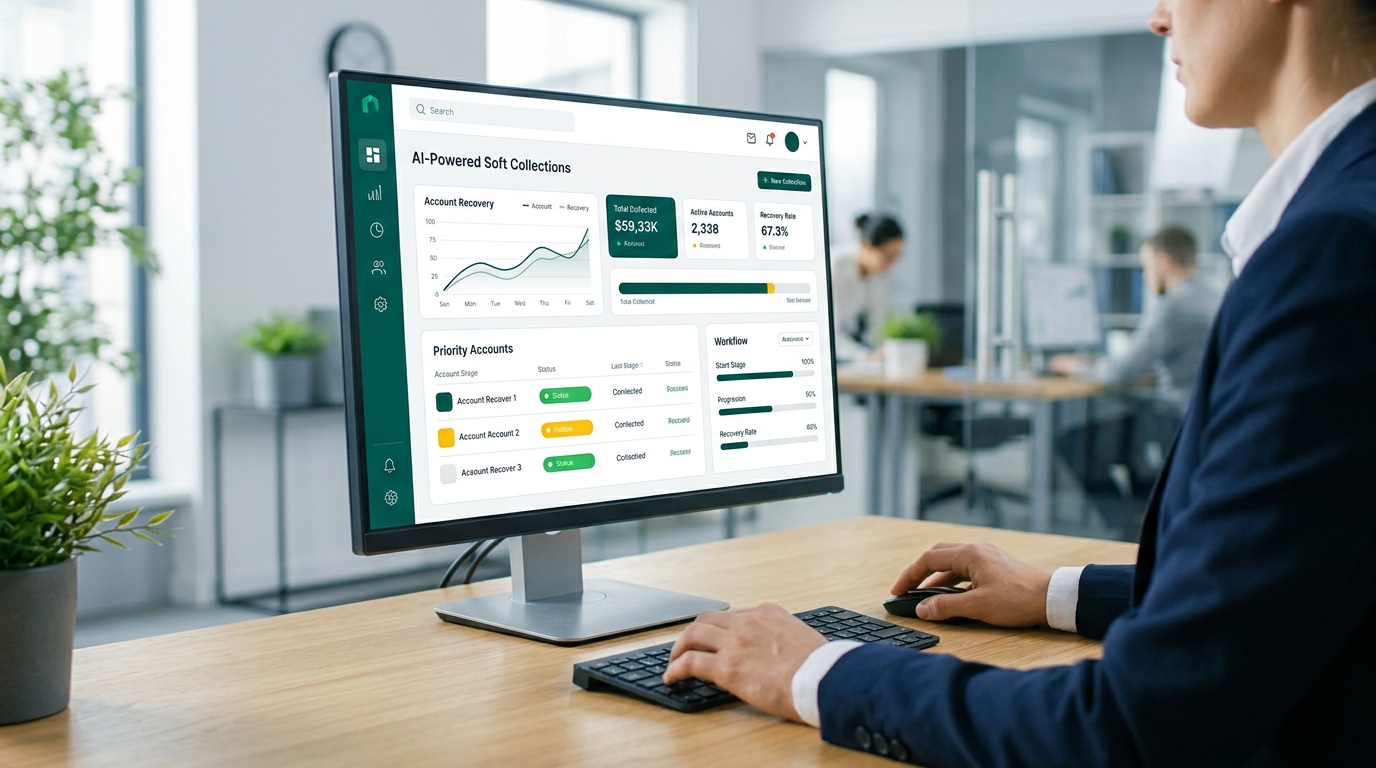
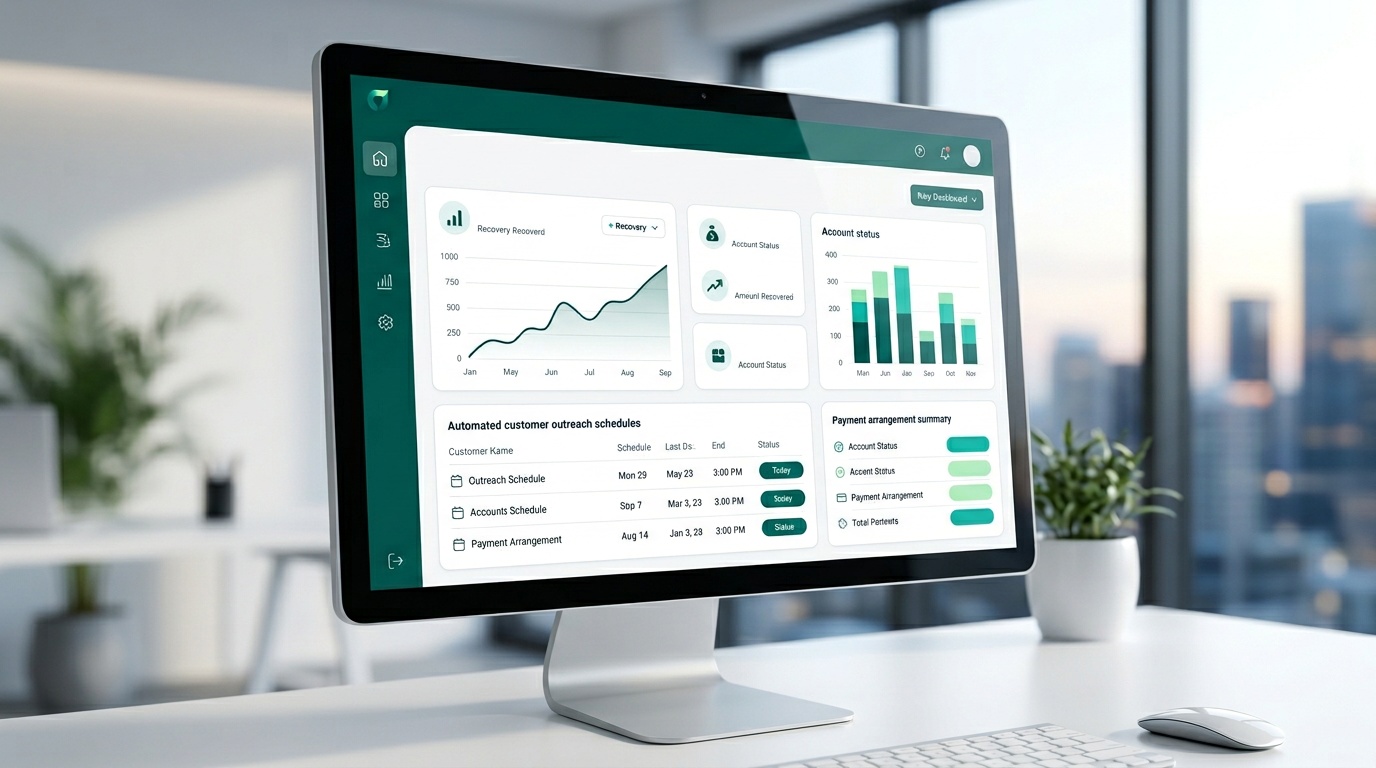
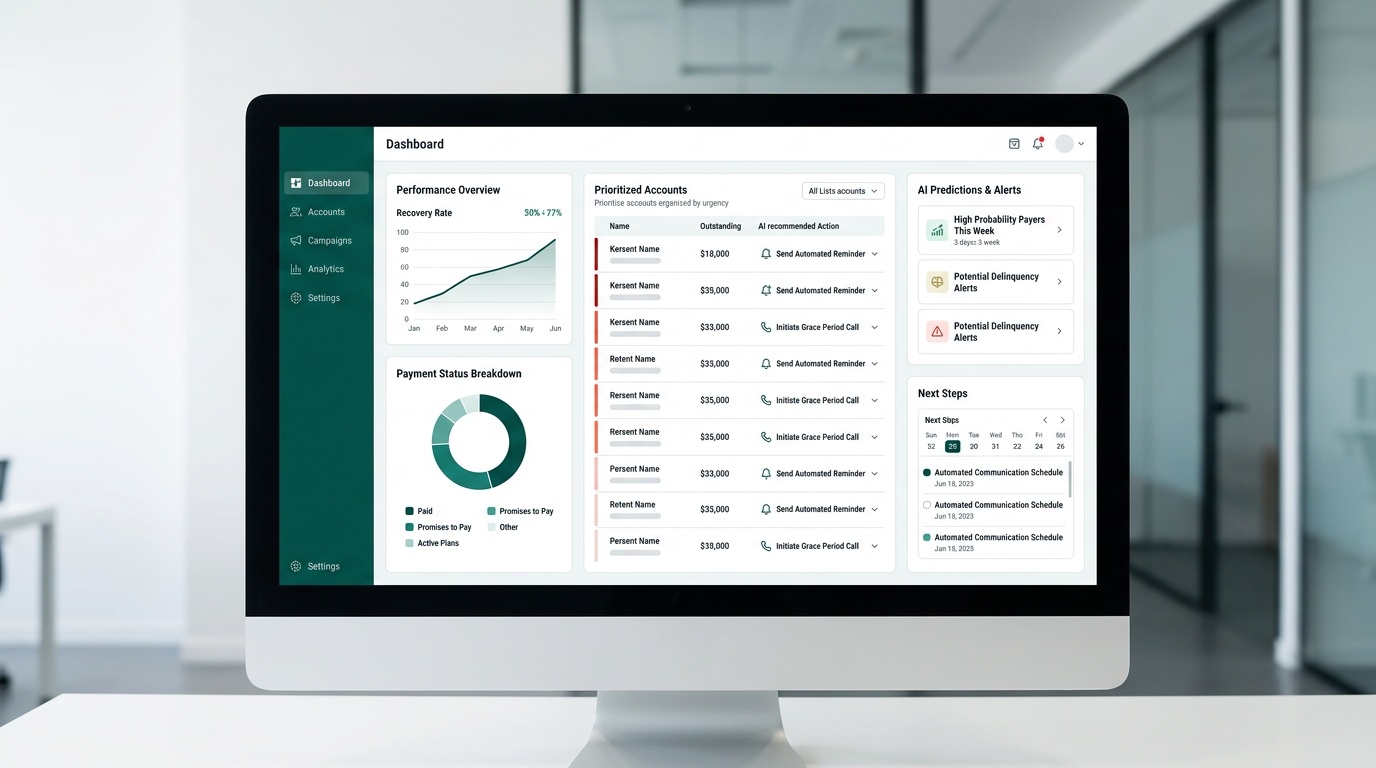
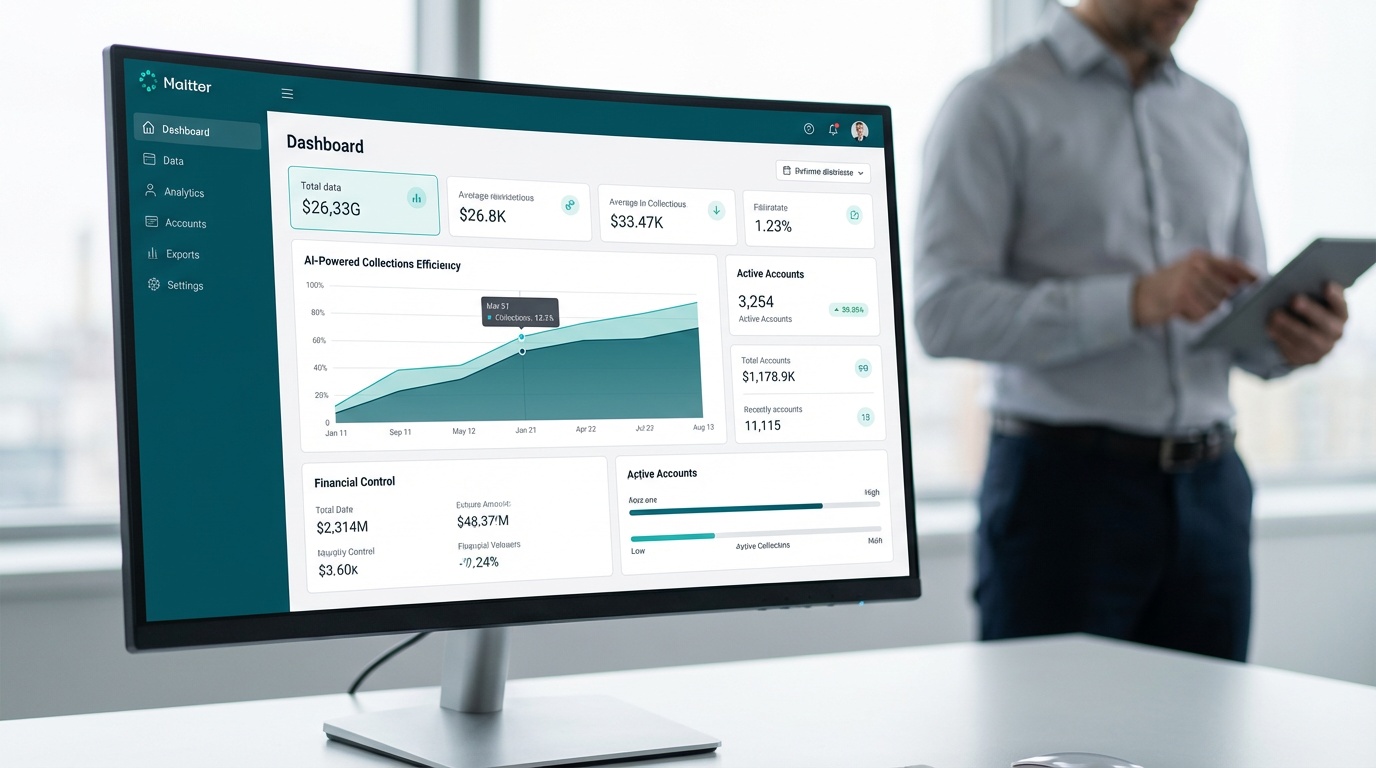
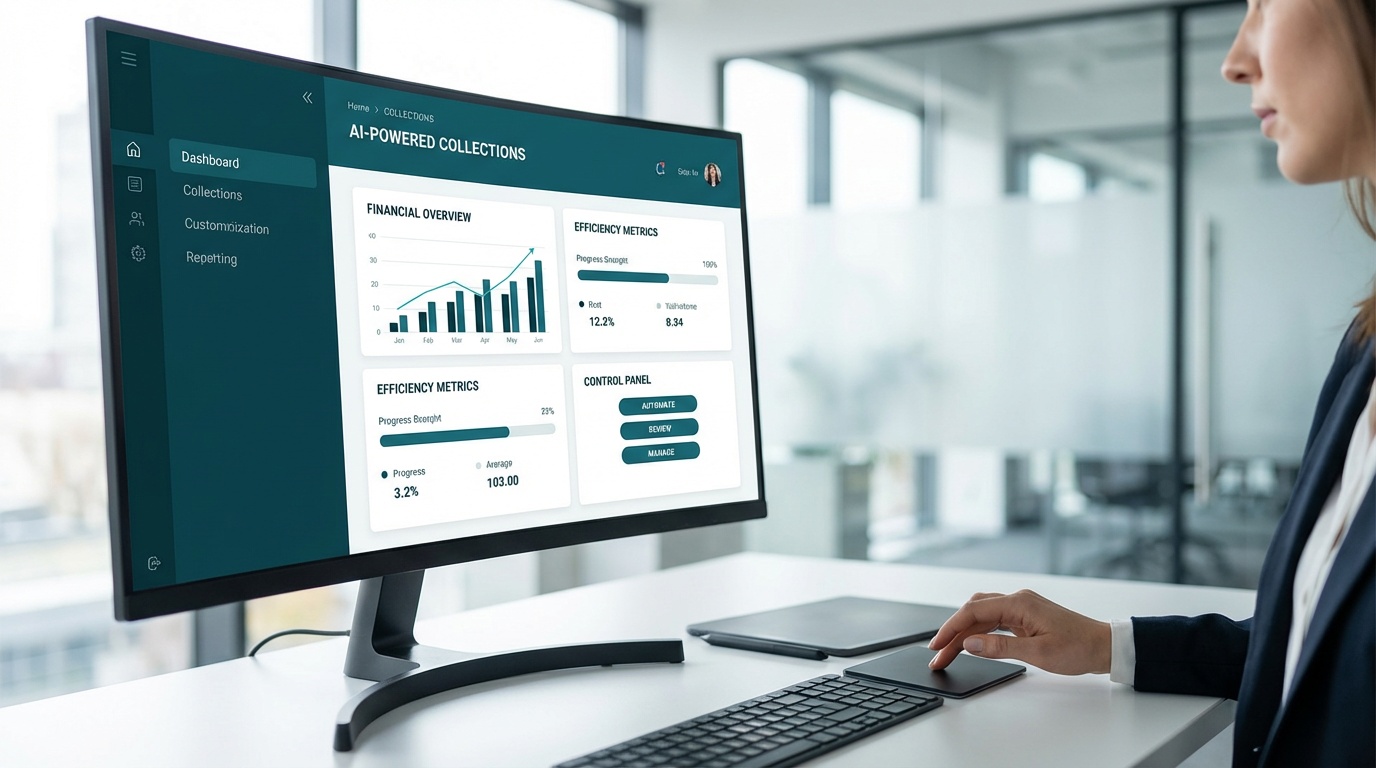
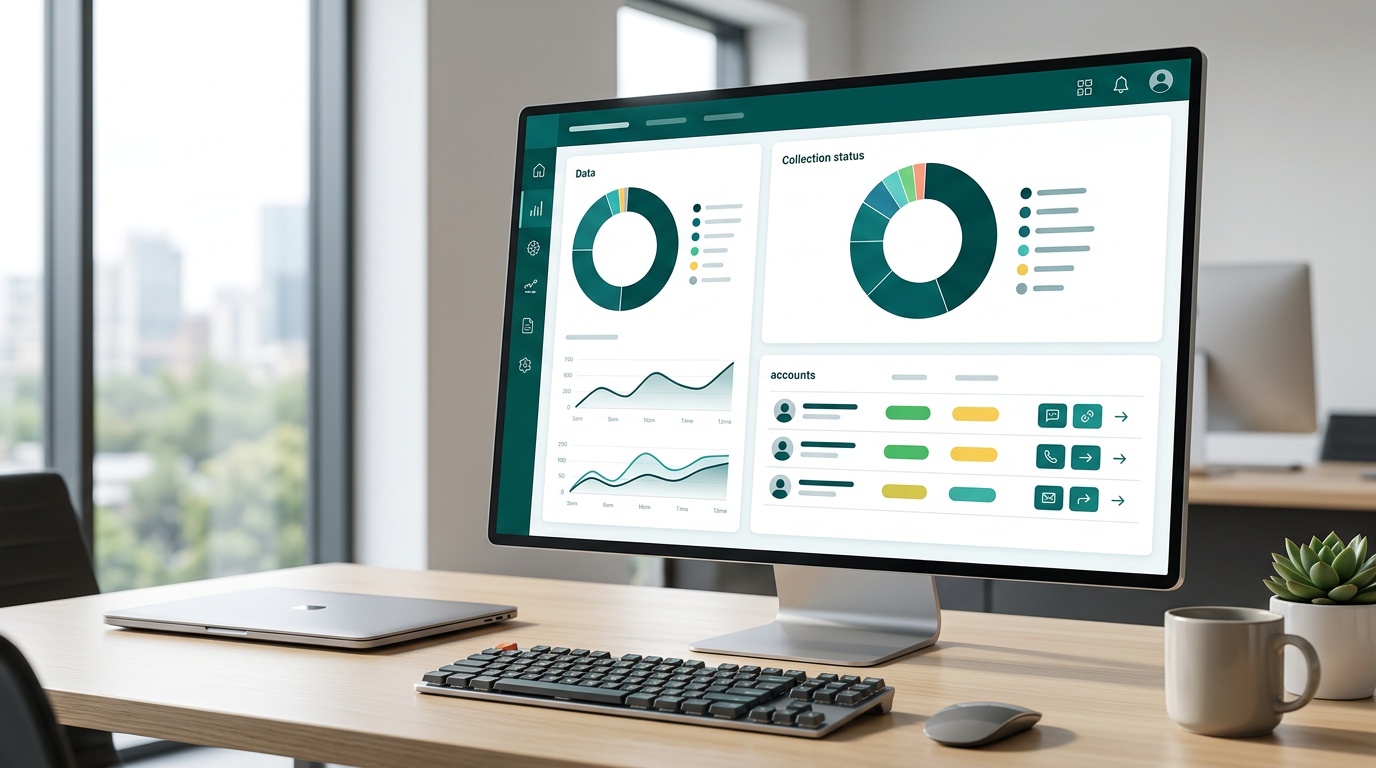
Dash automates text and email outreach, offers secure self-service payment options, and tracks every recovery step in a real-time dashboard--built specifically for the collections workflow that ISO partnerships and direct processors don't cover. The fixed monthly fee model also means your recovery costs don't scale with what you collect, which is a meaningful structural difference from commission-based agencies.
How Data Standards Like ISO 20022 Indirectly Impact Your Receivables
Richer payment data flowing through ISO 20022-compliant rails gives finance teams a clearer, faster picture of incoming payments. When a payment arrives with structured invoice references and remittance details, cash application moves faster and reconciliation errors drop. That accuracy shortens the time between a missed payment and the outreach that follows--because your team isn't spending hours manually matching transactions before they can identify what's actually overdue.
Better data also changes the quality of customer communication. When your team can reference the exact invoice that remains open--with the correct amount, date, and account details--outreach becomes more credible and easier to act on. Vague collection notices get ignored. Specific, accurate ones get responses. Dash's AI-powered outreach uses account-level data to personalize messages and reduce time to payment, which is the kind of precision that structured remittance data directly enables.
It's worth being realistic about the timeline, though. ISO 20022 adoption is uneven across industries and payment rails. SWIFT's migration is ongoing. FedNow launched with ISO 20022 native support, but not every bank has integrated it fully. Businesses should understand where their payment flows already run on ISO 20022 rails and where legacy formats still apply--your bank or payment provider can clarify which transactions carry enriched data today.
The practical takeaway: ISO 20022 is infrastructure. It improves the data layer that your receivables process sits on top of. But the process itself--the outreach, the payment options, the compliance guardrails, the audit trail--still requires purpose-built tooling. Data clarity and collections capability work together. One doesn't substitute for the other.
The businesses best positioned for sustainable cash flow treat collections as a deliberate system, not a reaction to overdue invoices. They pair clean transaction data with a platform built for recovery--one with compliance guardrails, automated outreach, and self-service payment options that preserve the customer relationship. Dash was built for exactly that purpose, backed by over 40 years of industry expertise and a fixed monthly fee that keeps your interests and your platform's incentives aligned.
Frequently Asked Questions
What is the difference between ISO 20022 and SWIFT?
ISO 20022 is a global messaging standard for financial data, defining how payment information is structured and exchanged. SWIFT, on the other hand, is a major global payment rail or network that is actively adopting and migrating to use the ISO 20022 standard for its financial messages. So, SWIFT uses ISO 20022 to send richer payment data across its network.
How does ISO 20022 differ from ISO 8583?
ISO 20022 is a modern, universal financial messaging format designed to carry rich, structured data using formats like XML and JSON. In contrast, ISO 8583 is an older, more data-limited protocol primarily focused on card authorization messages with rigid data fields. ISO 20022 provides much more context, including invoice references and counterparty details, for a wider range of payment types.
What older standards is ISO 20022 replacing?
ISO 20022 is designed to replace older, data-limited protocols that financial institutions currently use for payment messaging. A notable example it is replacing is ISO 8583, which has a more rigid structure and less capacity for detailed information. This shift allows for more comprehensive and standardized data exchange across global payment rails.
What is the primary ISO standard for modern payment messaging?
The primary ISO standard for modern payment messaging is ISO 20022. This standard defines a universal financial messaging format that allows for richer, more structured data to be exchanged between financial institutions. Its widespread adoption is modernizing how payment information flows across various payment rails, including FedNow and RTP.
What is the role of an Independent Sales Organization (ISO) in payment processing?
An Independent Sales Organization, or ISO, acts as a registered third-party intermediary in the merchant services ecosystem. ISOs connect merchants to acquiring banks and card networks, providing payment terminals and software, and managing the merchant relationship. They do not process payments directly, but facilitate the setup and support for payment acceptance.
How can ISO 20022 data standards benefit businesses with their receivables?
Richer transaction data from ISO 20022 can significantly improve receivables management by providing more context in payment messages. This includes structured invoice references and remittance details, which can speed up cash application and reduce reconciliation errors. Better data helps finance teams quickly identify truly overdue accounts and personalize outreach, which Dash can support with AI-powered outreach.
===END ARTICLE===