.png)
payment plan software vs one-time payment systems
Choosing between payment plan software and one-time payment systems isn't just about preference--it's about protecting revenue while keeping customers engaged. One-time payment requirements can kill conversions when customers face unexpected costs. They delay purchases, abandon carts, and sometimes walk away entirely. Payment plan software removes that friction by breaking large amounts into manageable installments, letting customers say yes today instead of maybe later.
This decision affects more than payment processing. It shapes customer relationships, operational workflows, and ultimately, how much revenue you actually collect. Businesses that insist on full payment upfront often sacrifice completion rates and customer goodwill. Those that offer structured payment plans see higher conversions, but only when the software handles automation, compliance, and customer communication without adding administrative burden.
The right choice depends on your average transaction value, customer base, and operational capacity. For businesses with invoices above $500--healthcare providers, legal firms, property managers, solar installers--payment plans aren't optional. They're how you stay competitive. This guide breaks down the operational realities, implementation challenges, and strategic advantages of each approach so you can make an informed decision.
When comparing payment plan software vs one-time payment systems, the stakes are clear: flexible payment options increase accessibility and cash flow, while one-time systems prioritize simplicity at the cost of potential revenue.
Key Takeaways
- Payment plan software automates installment scheduling and follow-up, reducing administrative burden while improving collection rates for higher-value transactions
- One-time payment systems work best for low-cost, immediate purchases but create barriers that reduce conversions on services above $500
- Automation, compliance features, and self-service portals are essential differentiators when evaluating payment plan platforms
- Businesses in healthcare, legal, property management, and solar see the strongest ROI from installment options due to higher average invoice values
- Implementation success depends on clear customer communication, team training, and integration with existing accounting workflows
Table of Contents
- What Is Payment Plan Software?
- One-Time Payment Systems Explained
- Side-by-Side Comparison
- When Payment Plans Outperform One-Time Collection
- How to Choose Payment Plan Software
- Implementation Considerations
- Strategic Recommendations
What Is Payment Plan Software?
Payment plan software automates installment collection from initial agreement through final payment. Customers receive payment links, choose their schedule, and the platform handles reminders, processing, and account updates. No spreadsheets. No manual tracking. No missed follow-ups.
The software divides larger amounts into smaller, scheduled payments that fit customer budgets. A $3,000 medical bill becomes six monthly payments of $500. A $10,000 legal retainer spreads across ten installments. Customers commit to terms they can actually meet, and businesses collect predictably without chasing payments manually.
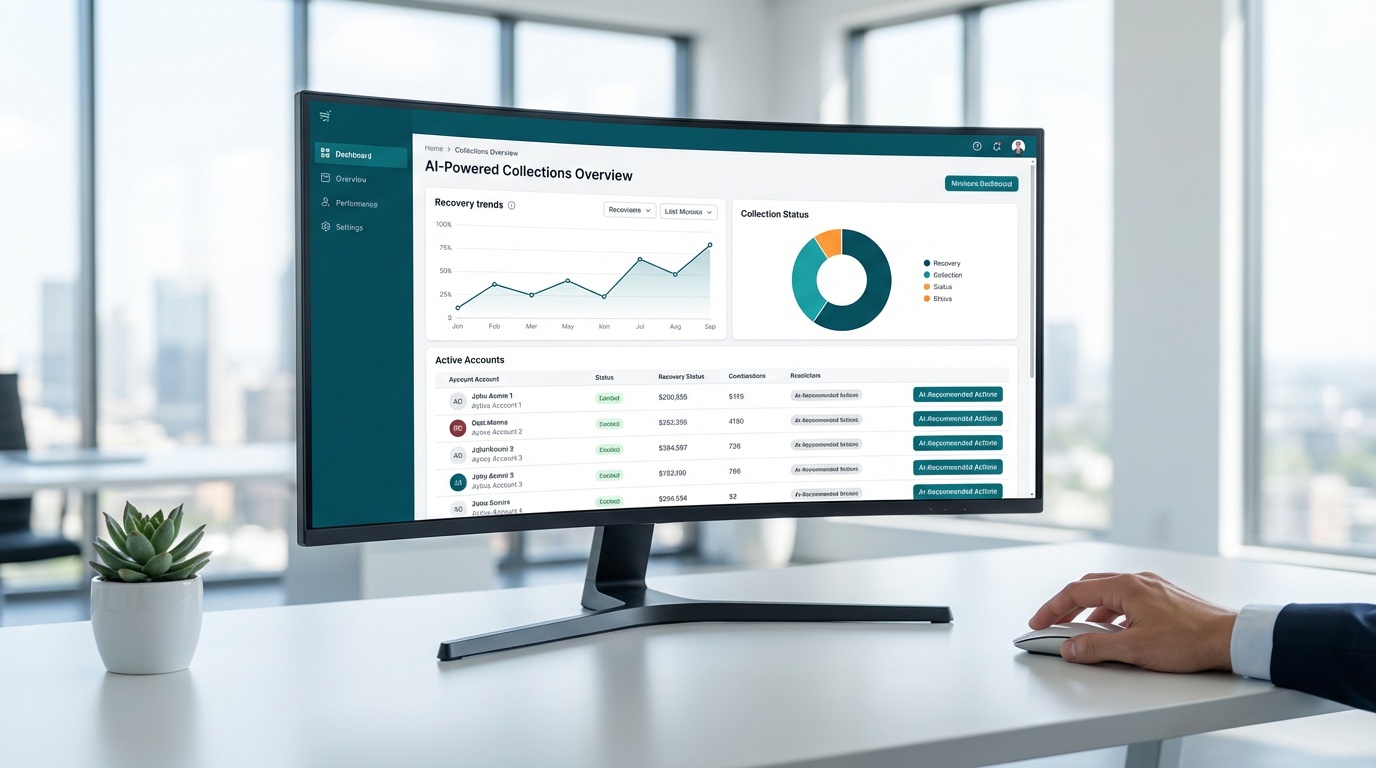
Modern platforms like Dash add intelligence to basic installment processing. AI-powered outreach adjusts message timing based on payment history and account status. If a customer typically pays on the 15th but their payment is due on the 10th, the system adapts reminder frequency. That personalization keeps accounts current without aggressive tactics that damage relationships.
Self-service portals give customers control. They log in to view balances, update payment methods, and modify schedules when circumstances change. This reduces support calls by 40-60% according to Consumer Financial Protection Bureau research, freeing teams to focus on complex accounts instead of routine status checks.
One-Time Payment Systems Explained
One-time payment systems collect the full balance at the point of sale or service delivery. Payment processors like Stripe, Square, and PayPal enable instant transactions. The customer pays, the business receives funds (minus processing fees), and the transaction closes.
This model excels when transaction values stay below $200 and customers have immediate payment capacity. Retail purchases, restaurant bills, and basic services fit this structure. The transaction completes in seconds, and there's no ongoing account management.
But one-time systems create friction for higher-value purchases. A dental practice charging $4,500 for orthodontic work loses patients who can't pay upfront. A law firm requiring $8,000 retainers before starting representation turns away qualified clients. Property managers demanding full security deposits plus first and last month's rent block tenants with good credit but limited liquid assets.
The result? Delayed decisions, abandoned purchases, and strained relationships. Customers want the service but can't access it under rigid payment terms. Businesses maintain strict policies but sacrifice revenue and growth. That's where the payment plan software vs one-time payment systems question becomes strategic, not just operational.
Side-by-Side Comparison
| Feature | Payment Plan Software | One-Time Payment Systems |
|---|---|---|
| Transaction Structure | Divides total into scheduled installments over weeks or months | Collects full amount immediately at point of sale |
| Best For | High-value services ($500+), ongoing customer relationships, B2B invoicing | Low-cost transactions under $200, retail purchases, immediate service delivery |
| Automation Requirements | Requires scheduling, reminders, progress tracking, and account management | Minimal--transaction completes immediately with no follow-up |
| Compliance Needs | Must adhere to FDCPA, TCPA for outreach; PCI DSS for payment processing | PCI DSS for payment processing only |
| Customer Accessibility | Removes upfront cost barrier, increases conversion for high-value purchases | Limits access to customers with immediate payment capacity |
| Administrative Burden | Low with automation; high if managed manually | Minimal--transaction closes immediately |
| Cash Flow Pattern | Predictable recurring revenue spread over term length | Immediate full payment but potentially lower conversion rates |
| Customer Support Load | Moderate--customers ask about balances, due dates, modifications | Low--transaction completes with minimal ongoing contact |
| Risk Profile | Partial collection risk if customer defaults mid-plan | Zero collection risk--payment received before service delivery |
| Integration Complexity | Requires connections to accounting, CRM, and communication tools | Simple integration with existing payment processors |
When Payment Plans Outperform One-Time Collection
Payment plans remove the biggest objection customers have to high-value services: upfront cost. When a healthcare provider offers a $2,400 treatment as six $400 payments instead of one lump sum, patients schedule appointments they would otherwise postpone. That's not theory--it's measurable.
A dental practice in Ohio implemented payment plans through Dash and saw procedure acceptance rates jump 34% in the first quarter. Patients who previously delayed crowns and implants committed to treatment when installment options appeared at the point of sale. The practice didn't lower prices. They just changed the payment structure.
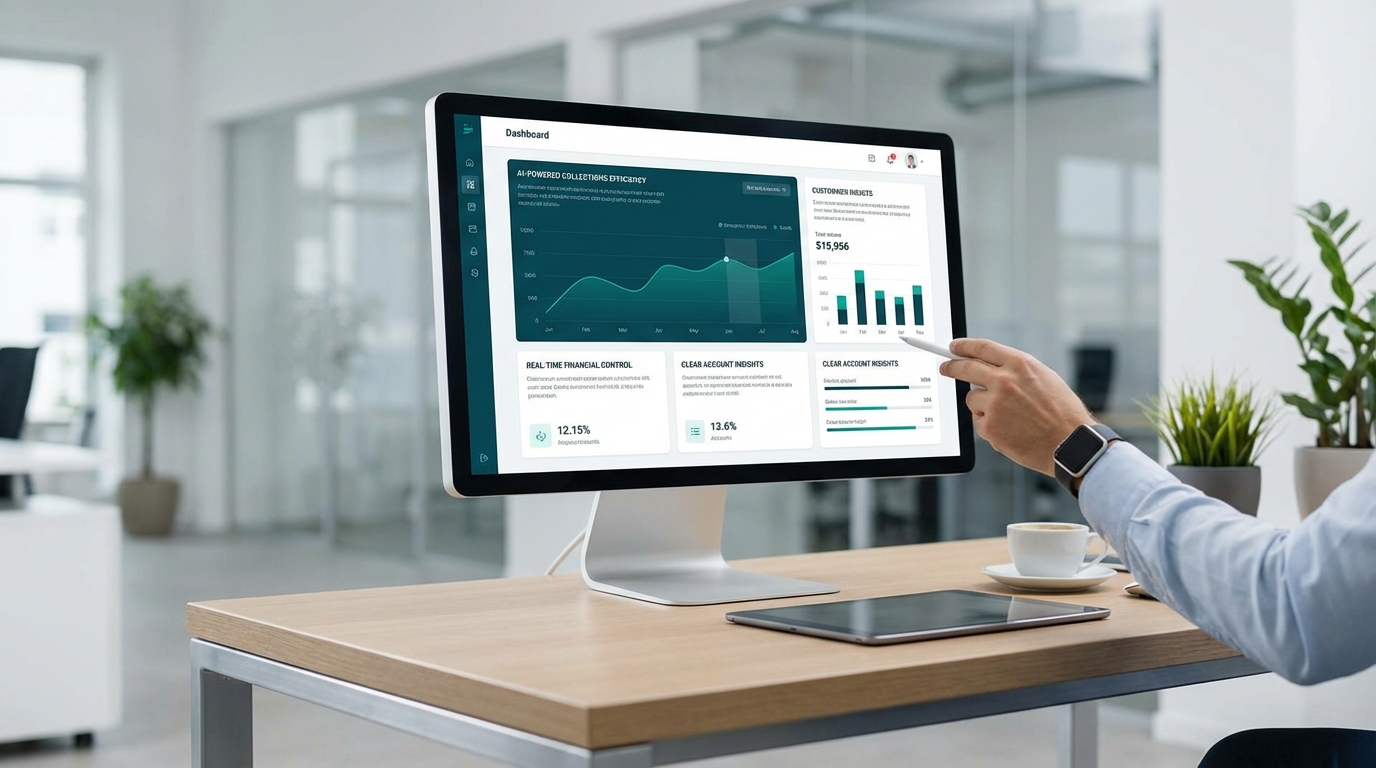
Automation drives this success. Dash's platform sends personalized text and email reminders based on payment history, upcoming due dates, and account status. If a customer consistently pays on Fridays, the system adjusts outreach timing. If they've missed two payments, the message frequency and content shift to match the situation. Teams don't build these rules manually--the AI handles it.
This reduces administrative work by 70-80% compared to manual follow-up. Instead of staff members tracking spreadsheets and sending individual emails, the platform manages thousands of accounts simultaneously. Teams focus on complex situations that need human judgment, not routine reminders that software handles better.
Payment plans also protect customer relationships. Nobody wants to be chased for money. Automated reminders feel less confrontational than phone calls or letters. Customers appreciate the structure and visibility--they log into a self-service portal, see their balance and upcoming payments, and stay current without feeling pressured. That payment plan software vs one-time payment systems distinction matters when you're trying to retain customers for future services.
Compliance Features Reduce Regulatory Risk
Collection activity triggers multiple regulations. The FDCPA governs communication practices around debt collection. The TCPA restricts when and how businesses can contact customers via phone, text, or email. Industry-specific rules like HIPAA add complexity for healthcare providers.
Payment plan software with built-in compliance controls helps businesses stay within regulatory boundaries. Dash includes time-of-day restrictions, frequency limits, opt-out management, and audit logs for every communication. If a regulator requests documentation of outreach practices, you export complete records in minutes.
Security standards matter too. PCI DSS requirements for payment data protection apply whether you process one transaction or 10,000. SOC 2 Type 2 certification demonstrates that a platform maintains rigorous security controls across data encryption, access management, and incident response. This isn't optional for businesses handling sensitive financial information.
How to Choose Payment Plan Software
Start with automation depth. Strong platforms don't just schedule payments--they personalize outreach, adjust messaging based on account status, and adapt timing to customer behavior. Ask vendors: Does the system learn from payment patterns? Can it modify reminder frequency automatically? Will it handle 5,000 accounts with the same consistency it applies to 50?
Configuration speed matters. Some platforms require weeks of implementation and expensive consultants to set up basic payment plans. Others let teams launch new terms in minutes. If your business tests different installment structures across customer segments, you need software that matches that operational pace.
Security and compliance coverage must align with your industry requirements. Healthcare organizations need HIPAA-compliant platforms. Any business collecting debt needs FDCPA and TCPA safeguards. SOC 2 Type 2 certification signals serious security commitments. Confirm what's included in the platform versus what you'll need to configure separately.
Self-service features directly affect support costs. A portal that shows customers their balance, upcoming payments, payment history, and modification options reduces "what's my balance?" calls by 60-70%. Look for platforms that let customers update payment methods, modify schedules (within your policies), and download statements without staff involvement.
Integration requirements determine how well payment activity flows into existing systems. At minimum, you need connections to your accounting platform so revenue recognition, deposits, and reconciliation stay accurate. CRM integration keeps customer records current. If you use multiple tools, ask about API availability and pre-built connectors.
Volume Capacity and Pricing Structure
Some platforms charge per transaction, per account, or based on volume tiers. Others use flat monthly fees. Transaction-based pricing punishes growth--the more you collect, the more you pay. Volume caps force teams to prioritize which accounts receive follow-up, which defeats the purpose of automation.
Dash uses flat monthly platform fees with unlimited accounts, texts, and emails. You don't ration reminders based on arbitrary caps. Every account gets consistent outreach regardless of portfolio size. That pricing structure aligns the vendor's success with yours instead of creating tension around usage limits.
Implementation Considerations
Clear customer communication prevents confusion and disputes. Before customers commit to payment plans, explain terms in plain language: how many payments, when they're due, what fees apply (if any), and what happens if they miss a payment. This transparency builds trust and reduces support inquiries later.
Train teams to offer installments proactively. Don't wait for customers to ask about payment options--present them during the sales process for any transaction above $500. Staff should know term lengths available, approval criteria, and how to enroll customers on the spot. The easier you make adoption, the higher your conversion rates.
Track performance metrics from day one. Monitor completion rates (percentage of payment plans paid in full), delinquency rates (accounts 30+ days past due), and average days to completion. Segment by term length, customer type, and transaction value to identify patterns. If 6-month plans have higher completion rates than 12-month plans, adjust your standard offerings.
Integration quality determines whether payment activity stays accurate across systems. Connect your payment platform to accounting software so deposits, revenue recognition, and reconciliation happen automatically. In the payment plan software vs one-time payment systems comparison, integration complexity is often the hidden cost that determines whether a program scales or stalls.
Regular audits catch issues early. Review communication logs monthly to confirm outreach stays within compliance boundaries. Check that payment schedules generate correctly and reminders fire on time. Verify that customer portal access works consistently. Small problems compound quickly when you're managing hundreds or thousands of accounts.
Strategic Recommendations
Businesses with average invoices above $500 see the strongest ROI from payment plan software. Healthcare providers collecting patient balances after insurance, legal firms with multi-thousand-dollar retainers, property managers requiring move-in deposits, and solar installers financing system purchases all fit this profile. The higher your typical transaction, the bigger the conversion lift from flexible payment terms.
Replace binary pay-in-full requirements with structured options. Instead of "pay $3,000 now or we can't schedule you," offer "pay $500 today and $500 monthly for five months." That framing converts more customers while maintaining predictable cash flow. You're not discounting--you're removing timing barriers.
Avoid platforms with artificial volume limits. Systems that cap the number of accounts, messages, or transactions force you to prioritize which customers receive follow-up. That creates inconsistency and leaves money on the table. Choose tools built for scale so every account gets the same level of automated attention regardless of portfolio size.
Prioritize platforms with compliance features built in, not bolted on. If FDCPA or TCPA controls require separate add-ons or manual configuration, you're increasing operational risk. Look for software where compliance rules are embedded into core workflows: time restrictions, frequency limits, opt-out management, and audit trails should work automatically.
Test term lengths across customer segments. Some customers prefer shorter terms with higher payments. Others need longer terms with smaller installments. Track completion rates by term length and adjust your standard offerings based on actual performance, not assumptions. Data-driven term optimization can improve collection rates by 15-20%.
Choose tools that reduce manual work without sacrificing control. Full automation shouldn't mean black-box processes where you can't see or adjust what's happening. Strong platforms give teams visibility into every account, customization options for special situations, and override capabilities when standard rules don't fit. Automation handles routine work. Humans handle exceptions.
For most businesses evaluating payment plan software vs one-time payment systems, the decision comes down to whether you're optimizing for operational simplicity or revenue growth. One-time payments are simpler but cap your addressable market. Payment plans require more infrastructure but unlock higher-value customers and improve completion rates. As transaction values rise above $500, the economics shift decisively toward installment options--if you choose software that handles automation, compliance, and customer communication without creating new administrative burdens. Learn more about consumer protection in payment systems.
✅ Payment Plan Software Advantages
- Removes upfront cost barriers for high-value services, increasing conversion rates by 20-35%
- Automates scheduling, reminders, and follow-up, reducing administrative burden by 70-80%
- Improves customer relationships through flexible terms and self-service account management
- Provides predictable recurring revenue spread across installment periods
- Includes built-in compliance features for FDCPA, TCPA, and industry-specific regulations
❌ Payment Plan Software Considerations
- Requires integration with accounting, CRM, and communication systems
- Introduces partial collection risk if customers default before completing payment plans
- Generates moderate customer support load for balance inquiries and schedule modifications
- Demands ongoing monitoring of completion rates, delinquency patterns, and compliance metrics
- Works best when transaction values exceed $500--marginal benefit for lower-cost purchases
✅ One-Time Payment System Advantages
- Eliminates collection risk--payment received before service delivery begins
- Requires minimal administrative overhead once transaction completes
- Simple integration with existing payment processors like Stripe, Square, or PayPal
- Generates immediate cash flow without waiting for installment schedules
- Reduces customer support load since transactions close immediately
❌ One-Time Payment System Considerations
- Creates conversion barriers for high-value purchases where customers lack immediate payment capacity
- Limits addressable market to customers who can pay full amounts upfront
- Increases abandoned purchases and delayed decisions on services above $500
- Offers no flexibility for customers facing temporary cash flow constraints
- Can damage customer relationships when rigid payment terms force service delays or cancellations
The choice between payment plan software and one-time payment systems shapes how customers access your services, how your team spends time, and how much revenue you ultimately collect. One-time systems work when transaction values stay low and customers have immediate payment capacity. Payment plans become essential when you're selling higher-value services to customers who need flexibility. The right infrastructure--automation, compliance features, self-service portals, and scalable capacity--determines whether installment options become a competitive advantage or an administrative burden.
Frequently Asked Questions
What are the main types of payment collection systems for businesses?
Businesses primarily use one-time payment systems or payment plan software. One-time systems collect full payment upfront, suitable for lower-cost transactions. Payment plan software automates installment collection, allowing customers to pay over time for higher-value services.
What defines a one-time payment system?
A one-time payment system collects the entire amount due at the point of sale or service delivery. This model is straightforward for transactions where customers can easily pay the full cost upfront. It can create barriers for customers facing higher-value purchases, potentially leading to abandoned sales.
How does payment plan software differ from a one-time purchase model?
Payment plan software allows customers to spread the cost of a service or product over several installments, automating the scheduling and collection process. A one-time purchase model requires the full amount upfront. Payment plans can improve completion rates by making services more accessible, while one-time purchases suit immediate, full payment scenarios.
What should businesses look for in payment plan software?
When choosing payment plan software, prioritize strong automation for schedules, reminders, and processing, along with quick configuration. Look for features that support compliance with regulations like FDCPA and TCPA, and security standards such as PCI DSS. Solutions that are SOC 2 Type 2 certified demonstrate a commitment to secure data management. Self-service portals and integrations with accounting or CRM tools are also important for smooth operations.
What are the benefits of using payment plan software?
Payment plan software helps businesses by lowering the upfront cost barrier for customers, which can increase conversions and protect customer relationships. It automates reminders and tracking, reducing administrative work and missed payments. Many platforms include compliance features to help manage regulatory risk.
Which types of businesses benefit most from payment plan software?
Businesses with average invoices above $500 often see significant benefits from offering installment options. Industries like healthcare, legal services, and property management frequently find payment plans essential for flexible collections without straining customer relationships. Replacing strict pay-in-full requirements can expand the customer base able to access services.