.png)
application fraud
What Is Application Fraud and Why It Matters to Your Business
Quick Answer: Application fraud occurs when someone submits false or stolen information to obtain credit, services, or accounts under false pretenses. It threatens cash flow, increases regulatory exposure, and seeds receivables with accounts that were never intended to pay.
Application fraud enters your business through your front door, disguised as a legitimate customer. Someone may fabricate income on a credit application, use a stolen identity to open a service account, or construct a synthetic identity from a mix of real and fictitious data. Regardless of the method, the outcome is the same: your business absorbs the loss.
For industries such as healthcare, property management, solar, and financial services, the stakes are steep. A single fraudulent account can generate thousands in uncollectible receivables, trigger compliance reviews, and consume your collections team's time chasing balances tied to identities that were never real. That's capacity wasted on accounts with zero recovery potential.
This guide breaks down how application fraud works, what it costs, and how pairing smarter intake screening with a disciplined receivables process protects your portfolio before problems compound.
Key Takeaways
- Application fraud uses false or stolen information at the point of onboarding -- making it a receivables problem from day one.
- Synthetic identity fraud alone costs U.S. lenders an estimated $6 billion annually, and the patterns are getting harder to catch with manual checks.
- Connecting fraud prevention to your collections workflow means your team works accounts with genuine recovery potential -- not phantom identities.
- Dash's audit logs, configurable payment workflows, and built-in compliance guardrails support a cleaner, more defensible receivables process from first contact through resolution.
How Application Fraud Works -- and What It Costs
Synthetic identity fraud is the most prevalent and costly form. The Federal Reserve estimates it costs U.S. lenders $6 billion annually. The mechanics are methodical: a fraudster pairs a real Social Security number -- often belonging to a child, elderly individual, or someone with thin credit history -- with a fabricated name and address. They spend months building a plausible credit profile, establish payment history, then execute a bust-out scheme. By the time the balance hits your collections queue, there's no legitimate party to pursue.
Account takeover fraud follows a different path but lands in the same place. Here, a fraudster compromises an existing customer's credentials and uses that established account to access additional credit, services, or payment terms. The legitimate account holder didn't authorize the activity, which creates both a recovery problem and a potential liability exposure for your business.
False applications -- where someone simply provides inaccurate income figures, employment details, or personal information -- are harder to detect at the point of intake but often surface quickly in collections. These accounts tend to go delinquent early, sometimes within the first billing cycle. A pattern of early-stage defaults concentrated in a particular acquisition channel is often the first signal that fraudulent applications are getting through.
Across all three patterns, the downstream cost extends beyond the uncollectible balance itself. Your team invests time on skip tracing and outreach. You may face regulatory scrutiny if fraud patterns intersect with consumer protection requirements under the Fair Debt Collection Practices Act (FDCPA) or other applicable rules. And your receivables data becomes less reliable as fraudulent accounts skew your aging reports and recovery metrics.
Catching Fraud Before It Reaches Your Receivables Queue
Static rule sets and standard credit checks weren't designed to catch the fraud patterns common today. Synthetic identities can look perfectly clean in a traditional credit pull. Stolen credentials may carry strong account histories. Manual verification alone can't scale to match the volume or sophistication of current application fraud tactics.
AI-driven verification tools work differently. Rather than checking a single data point, they analyze behavioral signals, cross-reference device data, and flag inconsistencies across multiple inputs in real time. An application might pass a credit check but show address data that doesn't match any known records, or a device fingerprint linked to dozens of prior applications. These are the signals that separate a viable customer from a fraudulent one -- and catching them at intake is far less costly than working them through collections months later.
For businesses in regulated industries, layering identity verification into onboarding also supports compliance documentation. Healthcare providers subject to HIPAA, financial services firms managing FCRA requirements, or property managers navigating state-level consumer protection rules all benefit from a defensible intake process with a clear audit trail. Prevention isn't just a fraud control measure -- it's a compliance asset.
Dash supports a proactive posture by pairing receivables workflows with early account monitoring and real-time audit logs. When your intake process is doing its job, the accounts that reach Dash are ones with real recovery potential. Learn more about how Dash works and how the platform fits into a modern receivables strategy.
Connecting Fraud Prevention to Collections Performance
Here's a distinction worth making explicitly: fraud prevention and collections management aren't separate functions. They're two stages of the same revenue protection process. Every fraudulent account that clears intake becomes a collections problem. Your team will build a file, send outreach, attempt contact, and ultimately write off a balance tied to someone who had no intention of paying. That's real operational cost with zero recovery upside.
When intake screening filters out false applications, your collections capacity goes where it belongs -- toward accounts with actual recovery potential. That shift shows up in your recovery rates, your team's efficiency, and your aging report. Cleaner intake produces stronger collections performance. It's that direct.
Key Insight: Integrating application screening into onboarding reduces the number of accounts that later require collections intervention. Fewer fraudulent accounts entering your portfolio means your team spends time on recoverable balances -- not phantom identities.
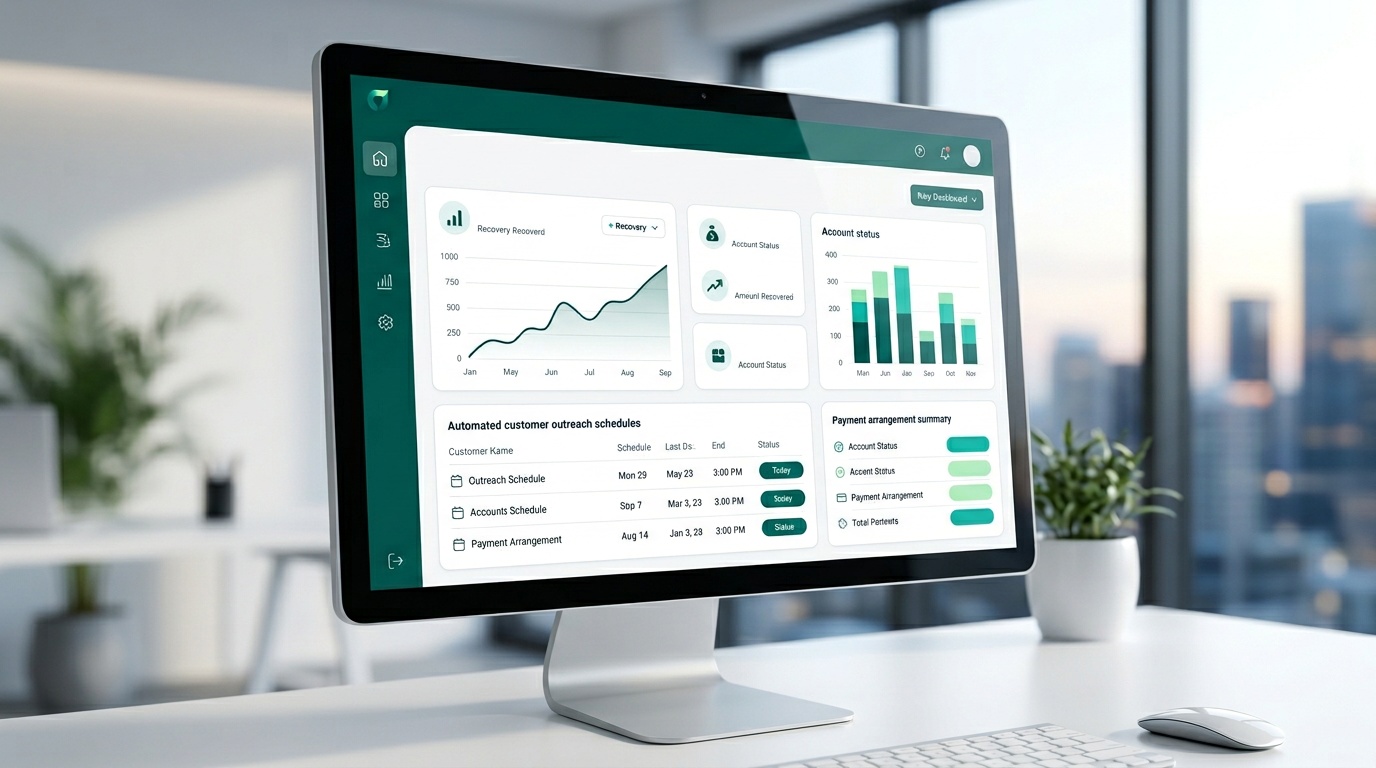
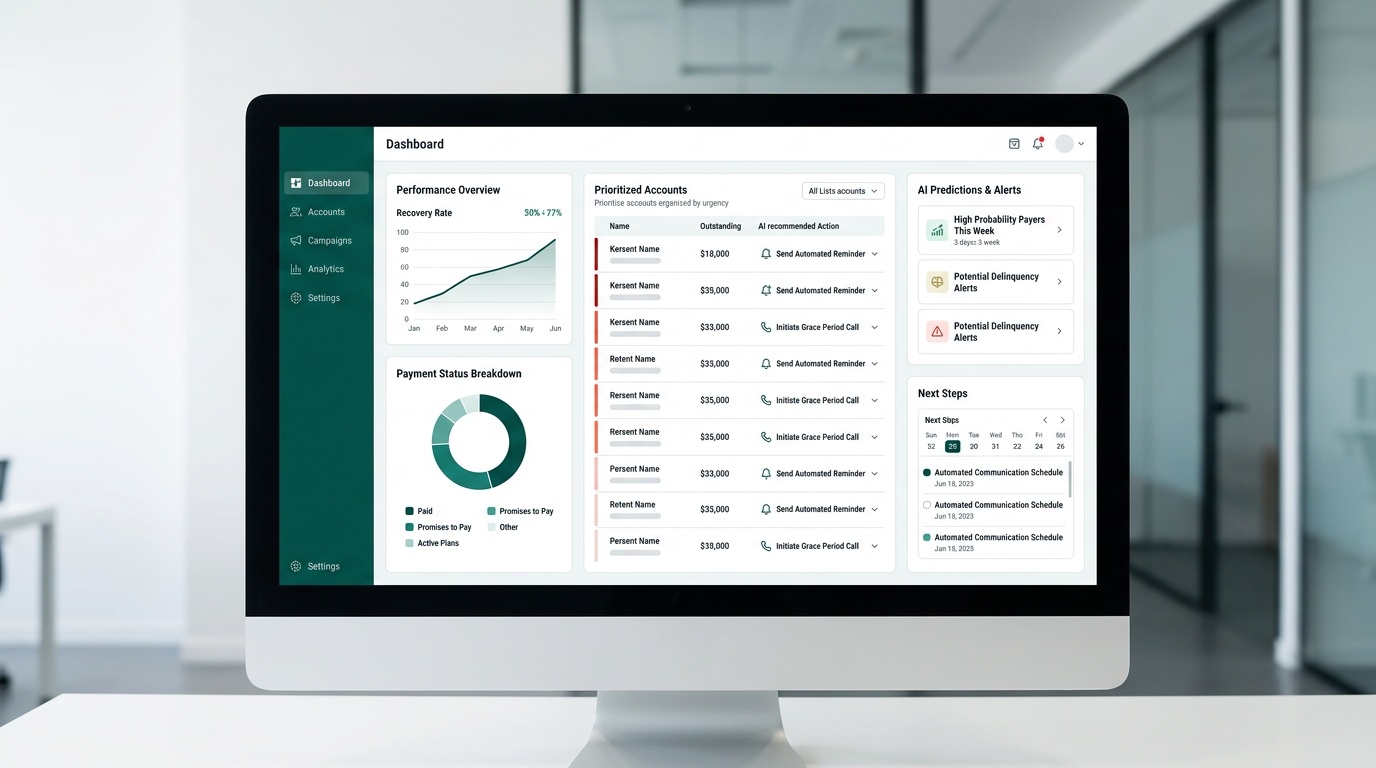
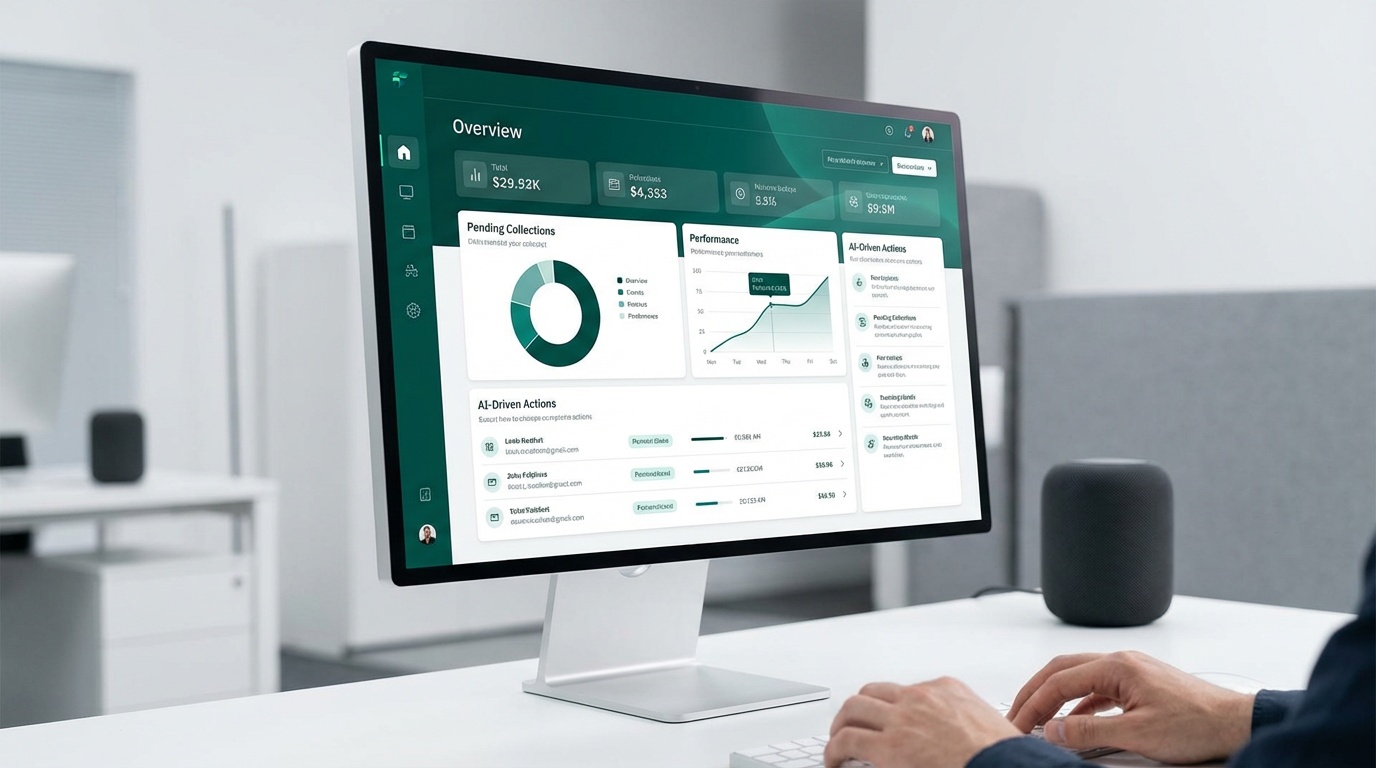
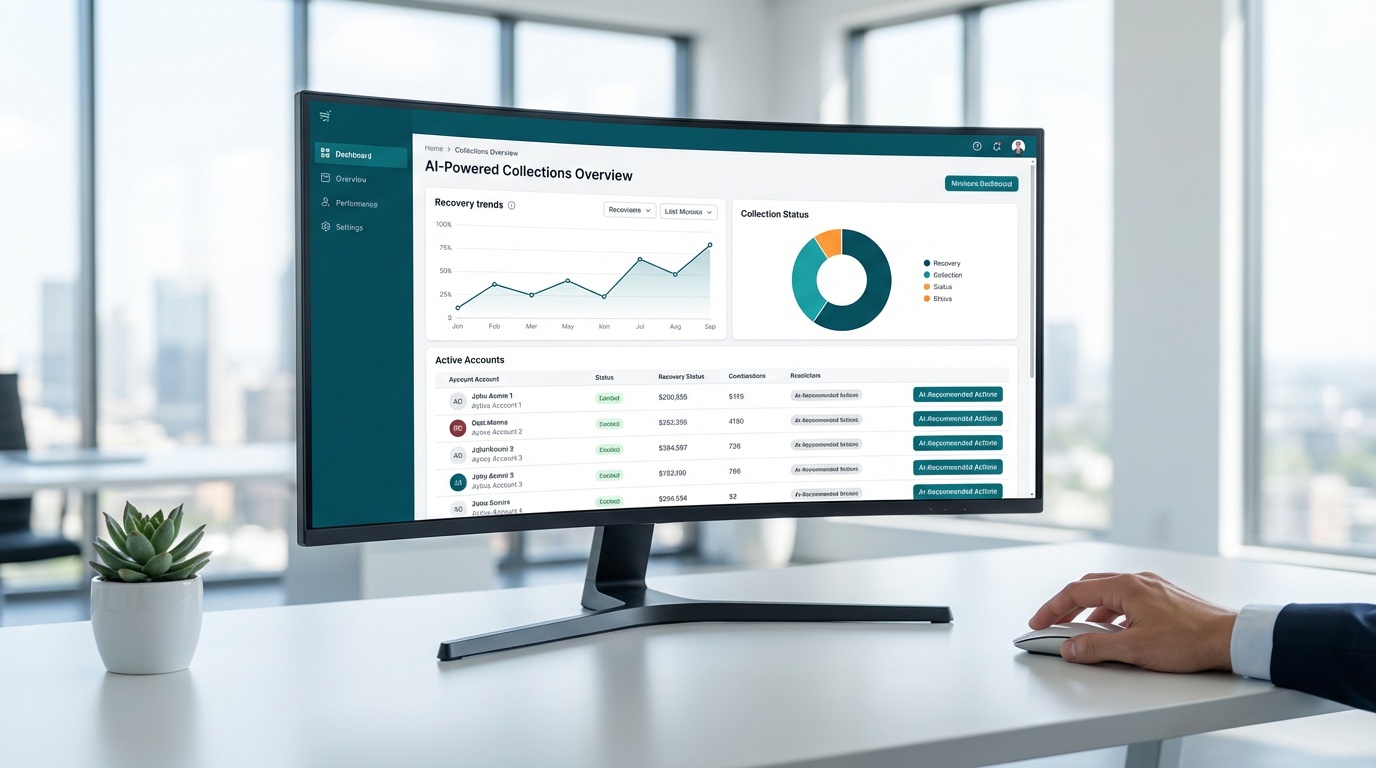
Dash is built for exactly this kind of disciplined receivables environment. The platform provides configurable payment workflows, real-time dashboards, and comprehensive audit logs that give your team full visibility from first contact through resolution. You're not handing accounts to a third-party agency and hoping for a check. You're managing the process directly, with tools designed to support compliance and accountability at every step.
Dash includes compliance guardrails designed to support FDCPA and TCPA requirements. The platform can also support regulated environments -- including HIPAA and PCI DSS programs -- based on your configuration and use case. Dash is SOC 2 Type 2 certified. Request a demo to evaluate how Dash fits your team's receivables recovery workflow.
Frequently Asked Questions
What is considered application fraud?
Application fraud happens when individuals use false or stolen information to secure credit, services, or accounts. It's a deceptive act where someone pretends to be a legitimate customer, often fabricating details to gain access to your business's offerings. This type of fraud directly threatens a business's cash flow and can lead to significant uncollectible receivables.
What is an example of application fraud?
A common example is synthetic identity fraud, where fraudsters combine real Social Security numbers with made-up names and addresses. They build a credit profile over time, then disappear, leaving businesses with unpaid balances. Other examples include fabricating income on a credit application or using stolen credentials to open a service account.
What are the common tactics in application fraud?
Businesses frequently encounter several key tactics in application fraud. These include synthetic identity fraud, where new identities are created from real and fake data, and account takeover fraud, where existing legitimate accounts are compromised. Another common method is submitting a false application using stolen credentials.
What are the most common symptoms of application fraud?
The most common symptoms of application fraud often appear as financial losses and operational strain. Businesses experience uncollectible receivables, increased regulatory scrutiny, and a collections team burdened with accounts that were never viable. Internally, AI-driven tools can flag anomalies in data points or behavioral signals during the application process, indicating potential fraud.
Is lying on an application considered fraud?
Yes, lying on an application, particularly by submitting false information, is a form of application fraud. Fabricating details like income on a credit application or providing incorrect personal data to obtain services under false pretenses falls directly under this definition. It's a deliberate act of deception designed to gain something illicitly from your business.