.png)
cash on delivery order
===META=== Title: Cash on Delivery Orders: What Businesses Need to Know to Stay Profitable Slug: cash-on-delivery-orders-complete-guide Meta Description: Learn how cash on delivery orders work, when to accept them, and how to manage refusals and unpaid deliveries before they hurt your cash flow. Primary Keyword: cash on delivery order Author: Dash Marketing Team Read Time: 7 minutes ===END META=== ===SCHEMA=== {"@context":"https://schema.org","@graph":[ {"@type":"Organization","@id":"https://www.payondash.com#organization","name":"Dash","url":"https://www.payondash.com"}, {"@type":"WebSite","@id":"https://www.payondash.com#website","url":"https://www.payondash.com","name":"Dash","publisher":{"@id":"https://www.payondash.com#organization"},"inLanguage":"en-US"}, {"@type":"WebPage","@id":"https://www.payondash.com/blog/cash-on-delivery-orders-complete-guide#webpage","url":"https://www.payondash.com/blog/cash-on-delivery-orders-complete-guide","name":"Cash on Delivery Orders: What Businesses Need to Know to Stay Profitable","isPartOf":{"@id":"https://www.payondash.com#website"},"datePublished":"2025-07-14T00:00:00Z","dateModified":"2025-07-14T00:00:00Z","description":"Learn how cash on delivery orders work, when to accept them, and how to manage refusals and unpaid deliveries before they hurt your cash flow.","inLanguage":"en-US","speakable":{"@type":"SpeakableSpecification","cssSelector":["blockquote"]}}, {"@type":"BlogPosting","@id":"https://www.payondash.com/blog/cash-on-delivery-orders-complete-guide#article","mainEntityOfPage":{"@id":"https://www.payondash.com/blog/cash-on-delivery-orders-complete-guide#webpage"},"headline":"Cash on Delivery Orders: What Businesses Need to Know to Stay Profitable","description":"Learn how cash on delivery orders work, when to accept them, and how to manage refusals and unpaid deliveries before they hurt your cash flow.","datePublished":"2025-07-14T00:00:00Z","dateModified":"2025-07-14T00:00:00Z","publisher":{"@id":"https://www.payondash.com#organization"},"inLanguage":"en-US","wordCount":1450,"author":{"@type":"Organization","name":"Dash Marketing Team"},"keywords":"cash on delivery order"}, {"@type":"BreadcrumbList","@id":"https://www.payondash.com/blog/cash-on-delivery-orders-complete-guide#breadcrumbs","itemListElement":[ {"@type":"ListItem","position":1,"name":"Home","item":"https://www.payondash.com"}, {"@type":"ListItem","position":2,"name":"Blog","item":"https://www.payondash.com/blog"}, {"@type":"ListItem","position":3,"name":"Cash on Delivery Orders: What Businesses Need to Know to Stay Profitable","item":"https://www.payondash.com/blog/cash-on-delivery-orders-complete-guide"} ]}, {"@type":"FAQPage","@id":"https://www.payondash.com/blog/cash-on-delivery-orders-complete-guide#faq","mainEntity":[ {"@type":"Question","name":"What is a cash on delivery order?","acceptedAnswer":{"@type":"Answer","text":"A cash on delivery (COD) order is a business transaction where the customer pays for goods or services at the moment they are delivered. Instead of paying online or in advance, the payment, typically cash, is collected by the courier or driver upon receipt of the items. This method means the merchant ships goods trusting the customer will pay when they arrive."}}, {"@type":"Question","name":"What are the main disadvantages of offering cash on delivery?","acceptedAnswer":{"@type":"Answer","text":"Offering cash on delivery can lead to higher failed-delivery rates, which means businesses absorb delivery and return costs if a customer refuses an order. This ties up inventory in transit and creates additional reconciliation work. Without careful management, a high volume of COD orders can strain a business's cash flow."}}, {"@type":"Question","name":"Why do businesses still use cash on delivery in modern commerce?","acceptedAnswer":{"@type":"Answer","text":"Cash on delivery persists because it addresses trust gaps, appealing to customers who lack credit cards or are wary of online payment security. For merchants, offering COD can reduce chargebacks and attract a segment of customers who might otherwise abandon their checkout. It meets a steady demand, as seen in searches for local COD options."}}, {"@type":"Question","name":"How can businesses effectively manage cash on delivery orders?","acceptedAnswer":{"@type":"Answer","text":"Effective COD management requires a disciplined approach, including setting clear refusal policies and tracking each delivery's payment status quickly. Businesses should treat unresolved deliveries, like refused orders or disputed payments, as open receivables, not write-offs. Tools that help track outstanding balances and automate follow-up on unpaid deliveries can be valuable for protecting cash flow and preserving customer relationships."}}, {"@type":"Question","name":"Which types of delivery services typically offer cash on delivery?","acceptedAnswer":{"@type":"Answer","text":"Many local delivery services, especially for restaurants and food orders, commonly offer cash on delivery. Some e-commerce couriers also provide this option, depending on the merchant's specific agreements. Businesses considering COD should evaluate different delivery partners based on their operational realities, including delivery fees and refusal rates."}} ]} ]} ===END SCHEMA=== ===ARTICLE===A cash on delivery order puts the payment moment at the doorstep -- not at checkout. The customer receives the goods, hands over payment, and the transaction closes. It sounds simple. For many businesses, though, the operational reality is messier than the definition suggests.
Refusals happen. Cash goes unrecorded. Disputed deliveries sit unresolved for days. What starts as a customer-friendly payment option can quietly erode margins if the systems behind it aren't tight. Whether you're a restaurant owner fielding questions about cash on delivery food near me, an e-commerce merchant weighing new payment options, or a driver-side operator wondering should I accept cash on delivery on DoorDash -- this guide gives you a clear picture of how COD works, where it breaks down, and how to manage it without letting receivables slip through the cracks.
We'll cover what COD actually means for your bottom line, why it still has a place in modern commerce, and what operational discipline you need to make it profitable rather than problematic.
Key Takeaways
- A cash on delivery order collects payment at the moment of delivery -- not at checkout -- shifting financial risk to the merchant if a customer refuses.
- COD remains relevant because it addresses trust gaps and serves customers without access to digital payment methods, but it comes with real operational costs that must be managed proactively.
- Refusals, unreconciled cash, and disputed deliveries are open receivables, not write-offs -- treat them accordingly, with a clear workflow and the right tools to recover what you're owed.
What Is a Cash on Delivery Order?
Quick Answer: A cash on delivery order is a transaction where payment is collected at the moment of delivery -- not at checkout. The customer pays the courier or driver upon receiving the goods, typically in cash, though some COD arrangements accept card payments at the door.
COD shifts the payment risk from buyer to seller. The merchant ships or delivers goods while trusting the customer will pay upon receipt. If the customer refuses the delivery, the business absorbs both the delivery cost and the return cost -- with no revenue to show for it.
A straightforward cash on delivery example: a restaurant sends a driver with an order. The driver collects cash at the door before handing over the food. The same model applies to e-commerce shipments, where a courier collects payment before leaving a package. In both cases, the business has already committed resources -- labor, inventory, fuel -- before a single dollar changes hands.
That pre-commitment is what makes COD operationally different from prepaid orders. It's not just a payment method. It's a risk exposure that demands its own tracking, reconciliation, and follow-up process. Businesses that treat COD transactions the same as prepaid orders tend to discover the gap in their cash flow statements before they discover it in their operations.
Why COD Still Has a Place in Modern Commerce
Digital payments dominate, yet COD hasn't disappeared. The reason is straightforward: trust gaps persist. A meaningful share of consumers -- particularly in certain demographics, geographies, and income brackets -- don't have credit cards, distrust online payment processing, or simply prefer to pay for goods only after they've seen them. Businesses that ignore this segment leave revenue on the table.
The volume of searches for cash on delivery food near me and cash on delivery restaurants confirms there's steady, ongoing demand. For local delivery businesses and restaurants especially, COD isn't an edge case -- it's a routine part of the customer mix.
Merchants also gain a practical benefit: COD can reduce chargebacks. When payment happens at the door rather than online, the window for disputed card transactions narrows considerably. For businesses that have experienced high chargeback rates on prepaid digital orders, COD can function as a partial mitigation strategy for a specific customer segment.
That said, COD's advantages are conditional. They hold only when refusal rates stay low and reconciliation stays fast. The moment either of those slips, the cost structure flips against you. Understanding that tradeoff is what separates businesses that profit from COD from those that quietly subsidize it.
Managing Cash on Delivery Orders Without Losing Control of Your Cash Flow
Operational Reality: COD orders carry higher failed-delivery risk than prepaid orders. Every refused delivery is a cost event -- delivery fees, return logistics, and lost time -- with zero revenue offset. Set a clear refusal policy before you scale COD volume.
The question should I accept cash on delivery on DoorDash comes up often among drivers and small merchants on third-party platforms -- and the answer isn't universal. It depends on your delivery fee structure, your historical refusal rate, and whether your back-office process can handle the reconciliation load. A single refused COD order might be inconvenient. Ten in a week, untracked and unrecovered, becomes a cash flow problem.
For businesses operating their own delivery infrastructure, the calculus runs deeper. You're not just weighing a platform fee -- you're accounting for driver time, fuel, potential redelivery, and the administrative overhead of logging payment status on every order. That overhead compounds fast at volume. According to the Federal Reserve's cash use research, cash transactions still account for a significant share of in-person payments, which means the operational infrastructure to handle them isn't going away anytime soon.
Treat Refused Orders as Open Receivables -- Not Write-Offs
This is the discipline most businesses skip. A refused cash on delivery order feels like a dead end, but it doesn't have to be. In many cases, the refusal stems from a customer not being home, a payment dispute, or a product question that could be resolved with a follow-up. Treating every refusal as an automatic write-off means leaving recoverable revenue on the table.
The better approach: log every refused or unpaid delivery immediately, assign it an open-receivable status, and initiate a follow-up workflow. That might mean a phone call, a text message, or a structured outreach sequence -- but it needs to happen fast, while the delivery is still fresh in the customer's mind. Waiting days or weeks reduces recovery rates significantly.
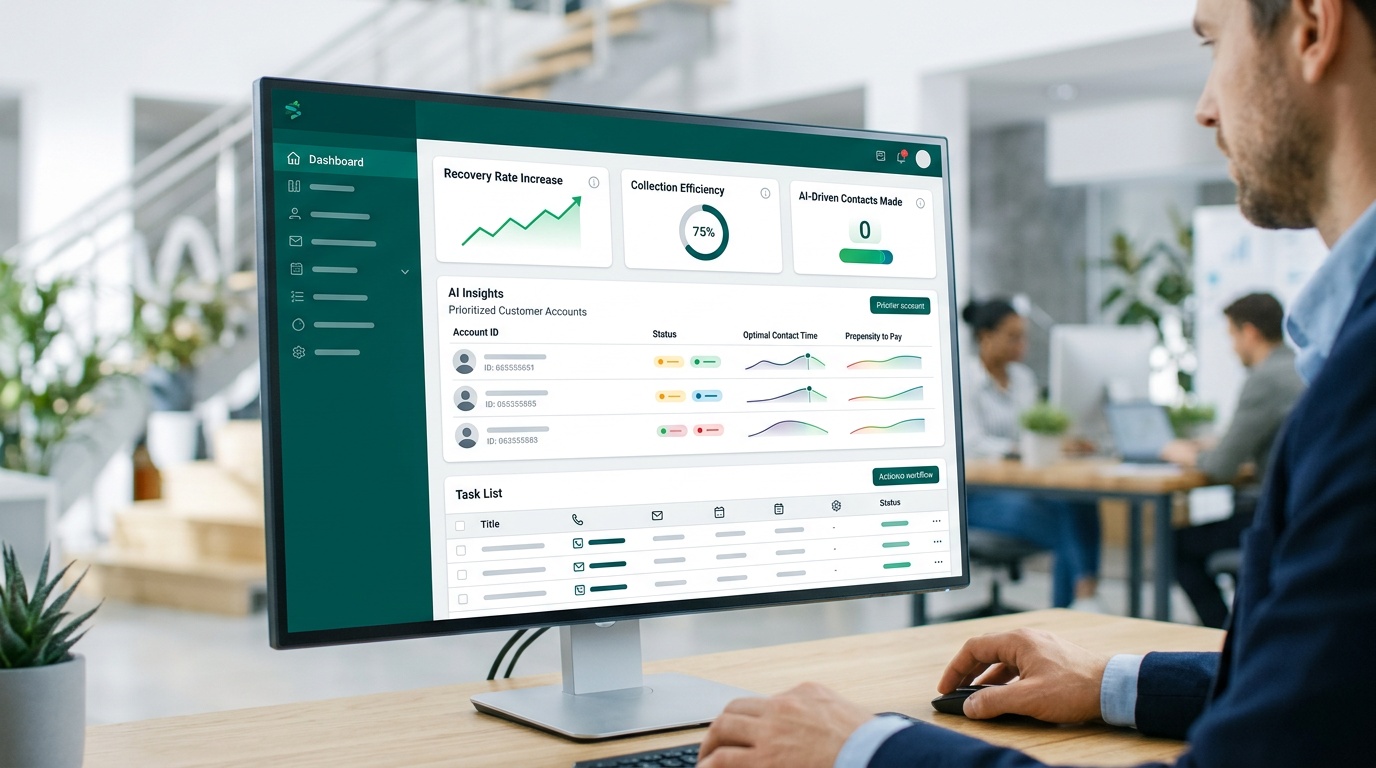
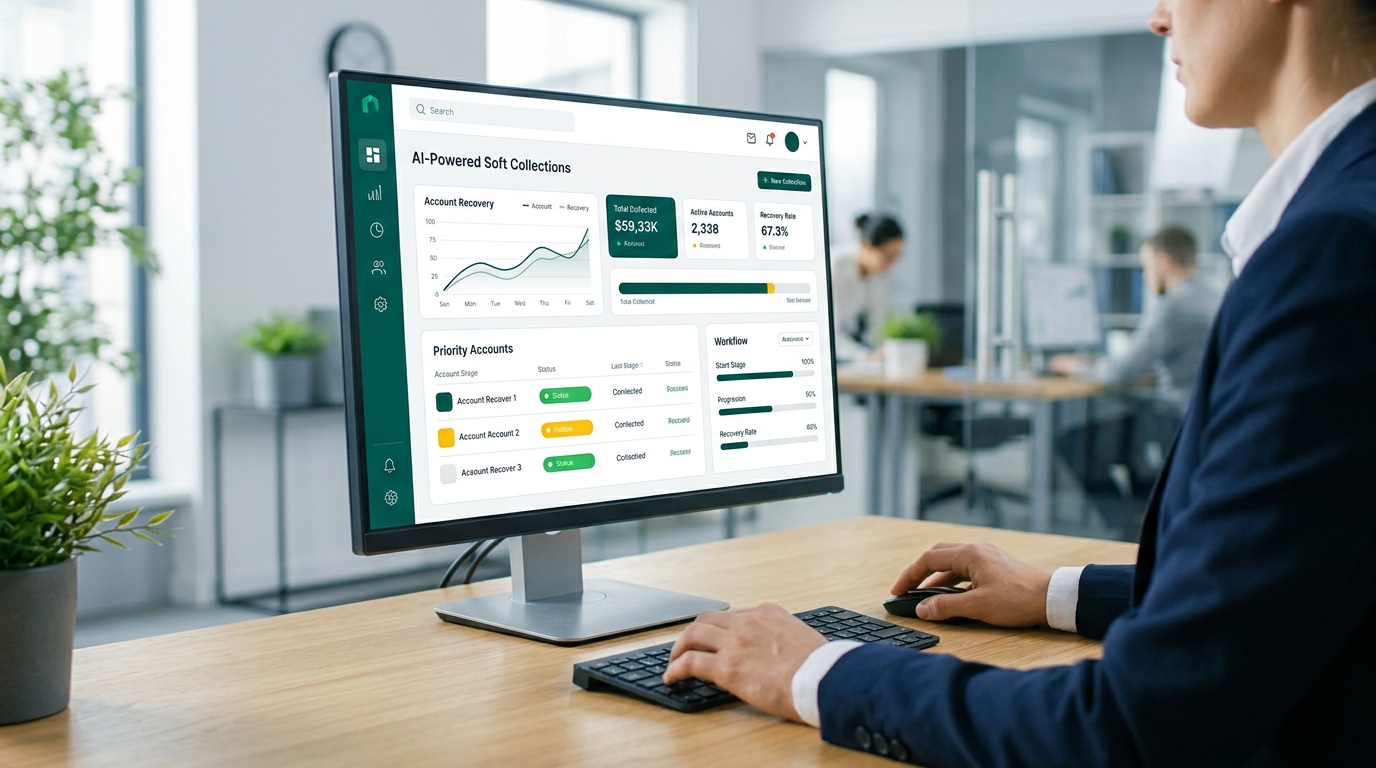
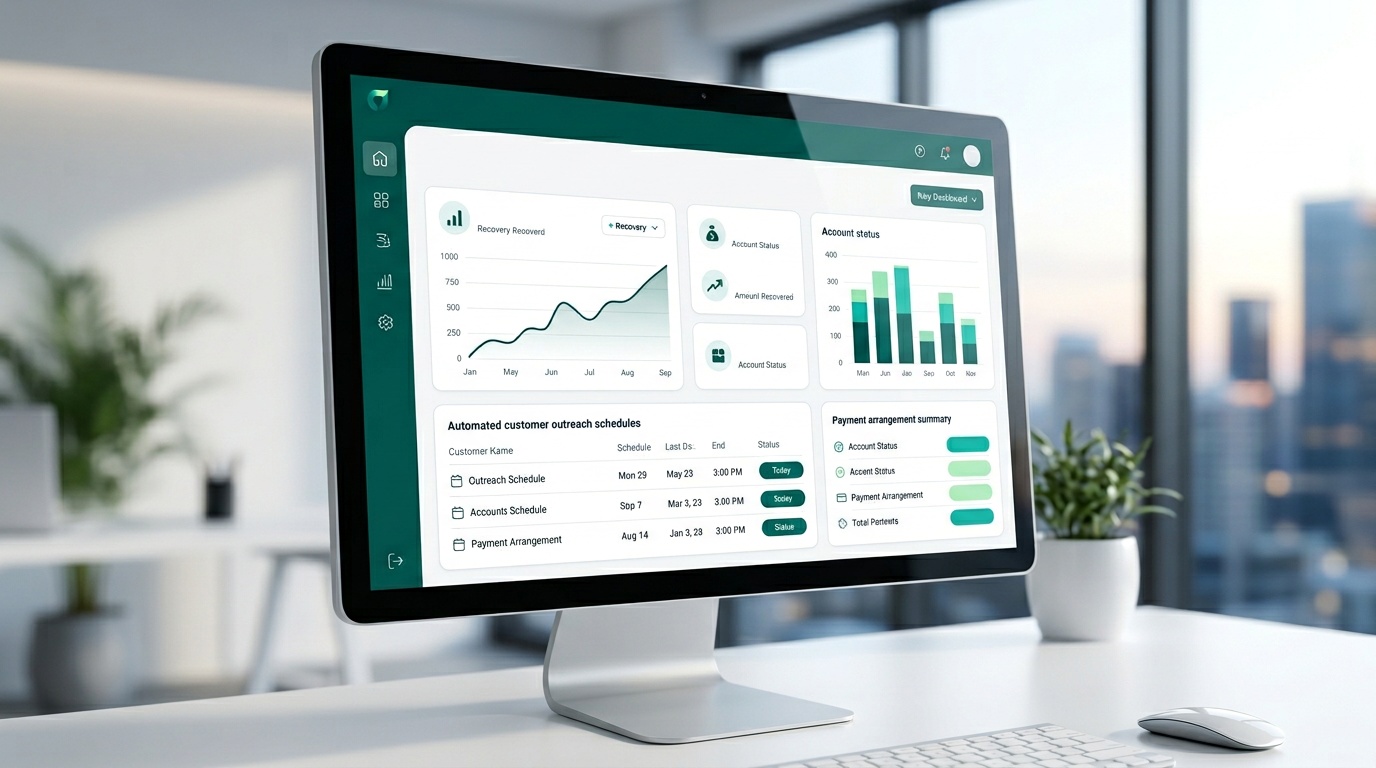
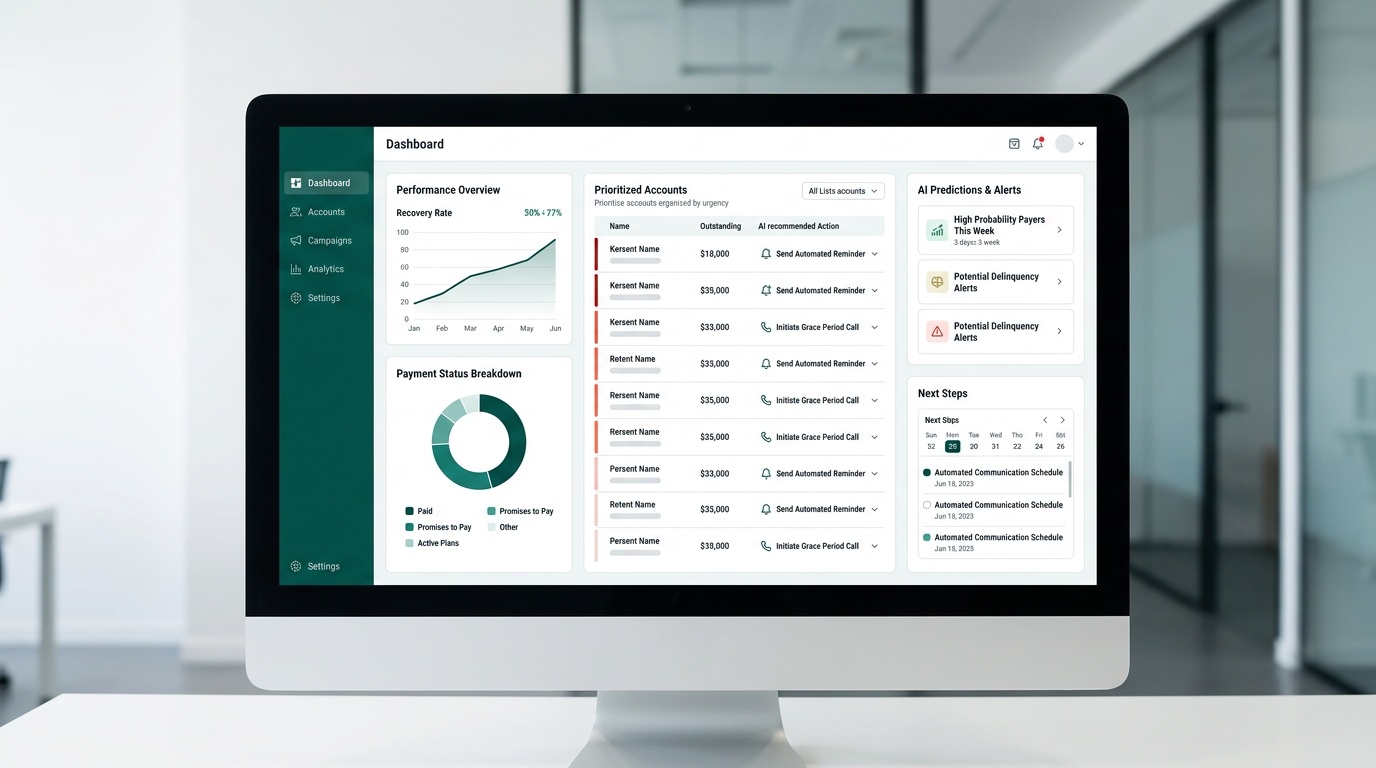
Dash helps businesses do exactly this. Rather than letting refused deliveries and unreconciled payments pile up, Dash automates follow-up outreach on open receivables, keeps a real-time log of outstanding balances, and gives your team a clear picture of what's been recovered and what's still pending. That visibility matters -- especially when COD volume is high and manual tracking is error-prone.
Reconciliation Speed Is a Profitability Variable
Every day an unresolved COD delivery sits in limbo is a day that cash isn't in your account and the cost of that delivery isn't offset. Slow reconciliation doesn't just create accounting headaches -- it masks your true margin on COD orders and makes it nearly impossible to decide whether the payment method is actually worth offering.
A disciplined reconciliation process logs each delivery, records payment status the same day, and flags anything unpaid for immediate follow-up. The cash on delivery order cycle isn't complete until payment is confirmed, recorded, and matched to the delivery record. Anything short of that is an open exposure.
Manual systems -- spreadsheets, paper logs, informal tracking -- break down at scale. The National Automated Clearing House Association (NACHA) consistently reports that businesses moving toward automated payment tracking reduce reconciliation errors and accelerate cash recovery. The same principle applies to COD: automation closes the loop faster and with fewer mistakes.
Key Insight: COD profitability isn't determined at the moment of delivery -- it's determined by how fast and consistently your team reconciles payments and recovers from refusals. The delivery is just the beginning of the cycle.
Making COD Work: A Practical Framework
COD isn't inherently risky or unprofitable. It becomes that way when businesses offer it without the infrastructure to support it. The framework below won't eliminate refusals, but it will make sure they don't quietly hollow out your margins.
- Set eligibility criteria. Don't offer COD to every customer automatically. Consider limiting it to existing customers with a clean payment history, orders below a certain value threshold, or specific geographic areas where your refusal rate is historically low.
- Log every delivery in real time. Payment status -- collected, refused, disputed, pending -- should be recorded the moment the driver completes or attempts the delivery. Delays in logging create reconciliation gaps that compound over time.
- Define your refusal policy before the first delivery. What happens when a customer refuses? Who initiates follow-up, through what channel, and within what timeframe? Having this documented before you need it prevents inconsistent handling.
- Track COD margin separately. Your COD orders carry different cost structures than prepaid orders. Run the numbers separately so you know whether the payment method is actually contributing to profit or just to revenue.
- Automate follow-up on open balances. The longer an unresolved COD delivery sits, the less likely you are to recover it. Automated outreach -- a structured text or email sequence -- keeps recovery rates higher without adding manual workload. Dash's receivables management platform is built for exactly this: systematic, compliant follow-up that protects relationships while recovering what you're owed.
The businesses that make COD work aren't the ones that hope customers pay -- they're the ones with systems that ensure they do. COD is a customer accommodation, not a collections gamble. Build the process around it accordingly, and it can be a genuine competitive advantage rather than a margin drain.
Frequently Asked Questions
What is a cash on delivery order?
A cash on delivery (COD) order is a business transaction where the customer pays for goods or services at the moment they are delivered. Instead of paying online or in advance, the payment, typically cash, is collected by the courier or driver upon receipt of the items. This method means the merchant ships goods trusting the customer will pay when they arrive.
What are the main disadvantages of offering cash on delivery?
Offering cash on delivery can lead to higher failed-delivery rates, which means businesses absorb delivery and return costs if a customer refuses an order. This ties up inventory in transit and creates additional reconciliation work. Without careful management, a high volume of COD orders can strain a business's cash flow.
Why do businesses still use cash on delivery in modern commerce?
Cash on delivery persists because it addresses trust gaps, appealing to customers who lack credit cards or are wary of online payment security. For merchants, offering COD can reduce chargebacks and attract a segment of customers who might otherwise abandon their checkout. It meets a steady demand, as seen in searches for local COD options.
How can businesses effectively manage cash on delivery orders?
Effective COD management requires a disciplined approach, including setting clear refusal policies and tracking each delivery's payment status quickly. Businesses should treat unresolved deliveries, like refused orders or disputed payments, as open receivables, not write-offs. Tools that help track outstanding balances and automate follow-up on unpaid deliveries can be valuable for protecting cash flow and preserving customer relationships.
Which types of delivery services typically offer cash on delivery?
Many local delivery services, especially for restaurants and food orders, commonly offer cash on delivery. Some e-commerce couriers also provide this option, depending on the merchant's specific agreements. Businesses considering COD should evaluate different delivery partners based on their operational realities, including delivery fees and refusal rates.