.png)
finance software systems
Finance Software Systems: A Complete Guide for Modern Finance Teams
Finance software systems have become the backbone of how businesses manage cash, track performance, and recover what they're owed. If your team is still piecing together spreadsheets, disconnected billing tools, and manual follow-up processes, you're not just losing time -- you're leaving money on the table. The right finance software system closes those gaps before they become cash flow problems.
The challenge most finance leaders face isn't a lack of tools -- it's having too many that don't talk to each other. Invoices go out, payments come back late, receivables age, and no one has a clean view of what's actually happening. That's the problem modern finance platforms are designed to solve.
This guide breaks down what finance software systems are, what they actually do, and how to choose the right one for your business. Whether you're evaluating an enterprise-wide platform or a specialized tool for a specific workflow like receivables recovery, you'll leave with a clear framework for making the right call.
Key Takeaways
- Finance software systems go beyond basic accounting -- they manage end-to-end workflows across AR, AP, treasury, and financial planning.
- Integration is the real differentiator: when modules share data in real time, finance teams reduce reconciliation work and leadership gets accurate, current visibility.
- Specialized platforms like Dash can deliver faster value than broad ERP rollouts when receivables recovery is the highest-impact gap.
- Selection should start with your most urgent workflow gap -- solve that first, then extend your stack as operational needs evolve.
Understanding Finance Software Systems: Beyond Basic Accounting
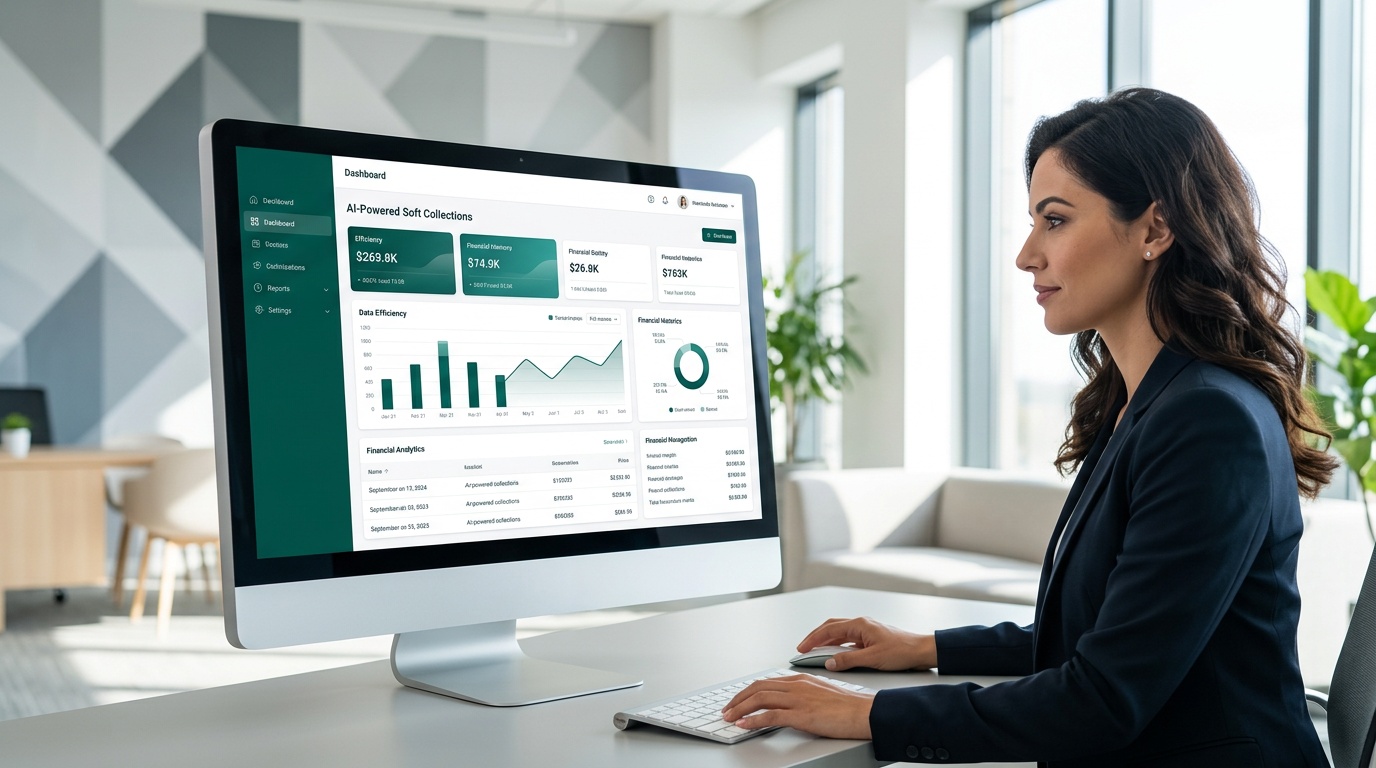
Finance software systems support modern business finance well beyond bookkeeping by unifying budgeting, forecasting, compliance, and cash flow management in one platform. While accounting software records transactions, a finance system runs end-to-end workflows across the organization.
The difference is practical. Basic tools track what happened. Finance software systems show what's happening right now -- and what actions to take -- so teams can run finance with fewer blind spots and faster response times.
Quick Answer
Finance software systems are integrated platforms that manage financial operations such as accounts receivable, accounts payable, treasury, and planning. They replace spreadsheets and siloed tools with unified workflows that improve accuracy and decision-making.
Key Components and Capabilities of Modern Finance Software
Modern platforms cover four core areas: accounts receivable (AR), accounts payable (AP), treasury management, and financial planning and analysis (FP&A). The biggest gains appear when these modules share data in real time rather than operating as separate systems with manual handoffs between them.
AR tools speed up invoicing and collections while reducing days sales outstanding (DSO). AP tools streamline vendor payments and approval workflows. Treasury supports cash positioning and short-term liquidity decisions. FP&A connects historical performance data to forward-looking models, so planning cycles move faster and reflect reality rather than stale assumptions.
According to Gartner's research on finance technology, finance teams that consolidate onto integrated platforms consistently report lower close times and higher forecast accuracy than those operating fragmented toolsets. The math is straightforward: fewer systems means fewer reconciliation gaps.
Key Insight
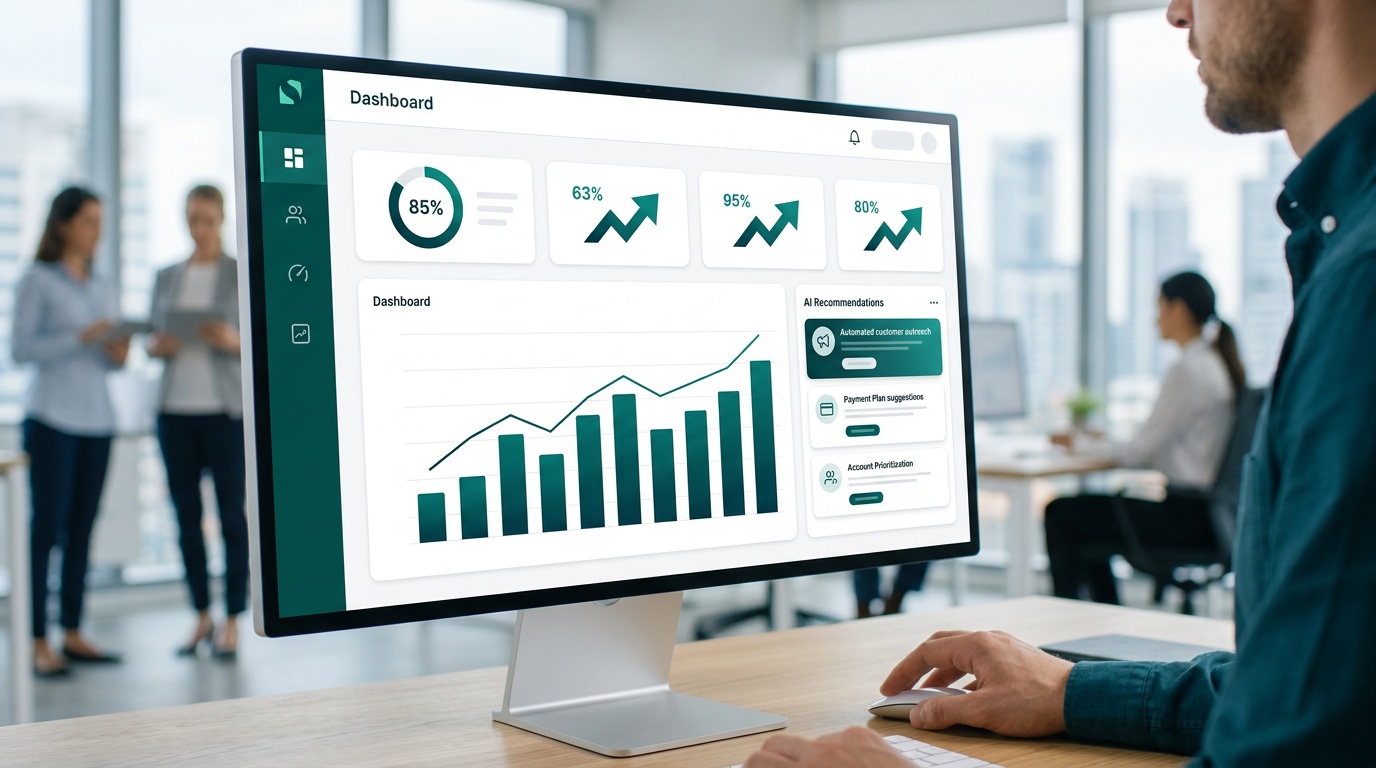
Integration is the differentiator. When AR, AP, and FP&A share a single data layer, finance teams reduce reconciliation work and leadership sees current performance without manual consolidation.
Transforming Receivables With Specialized Finance Software
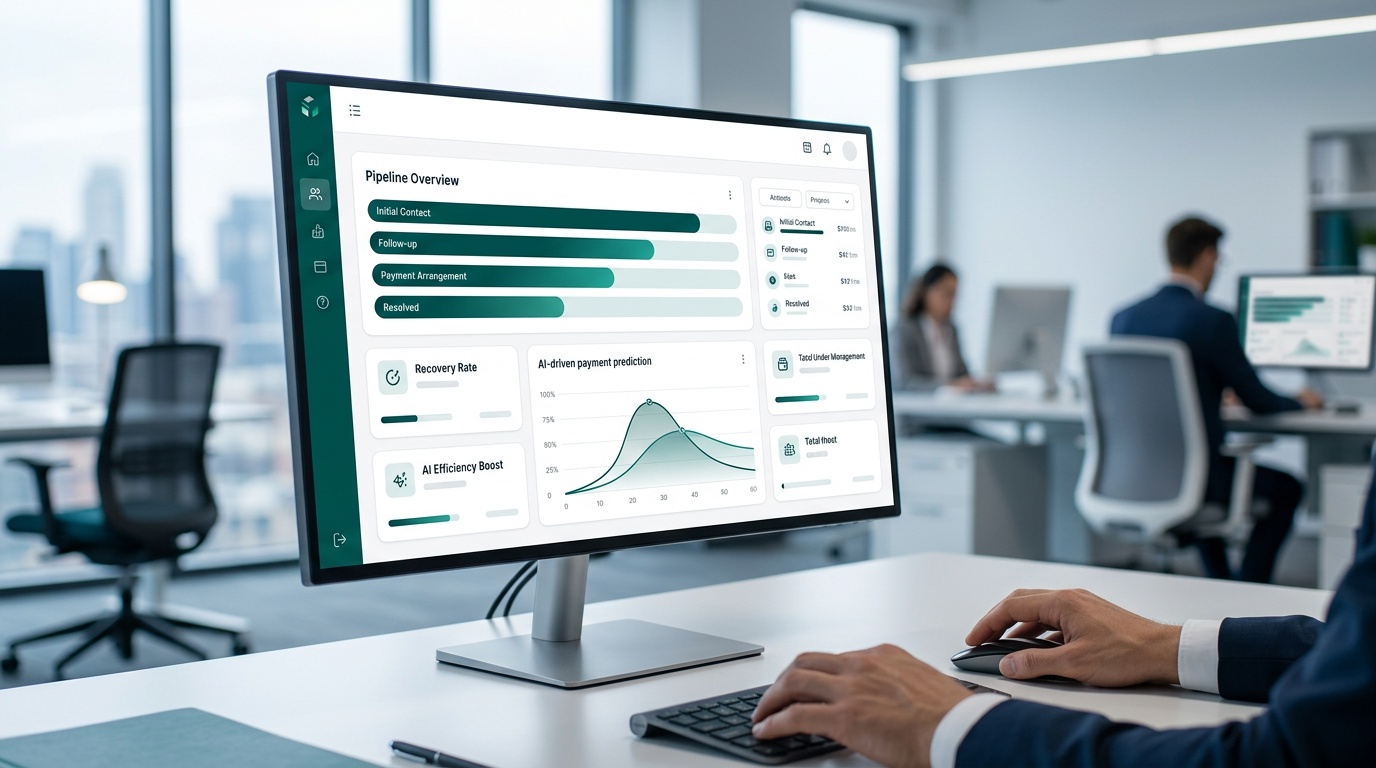
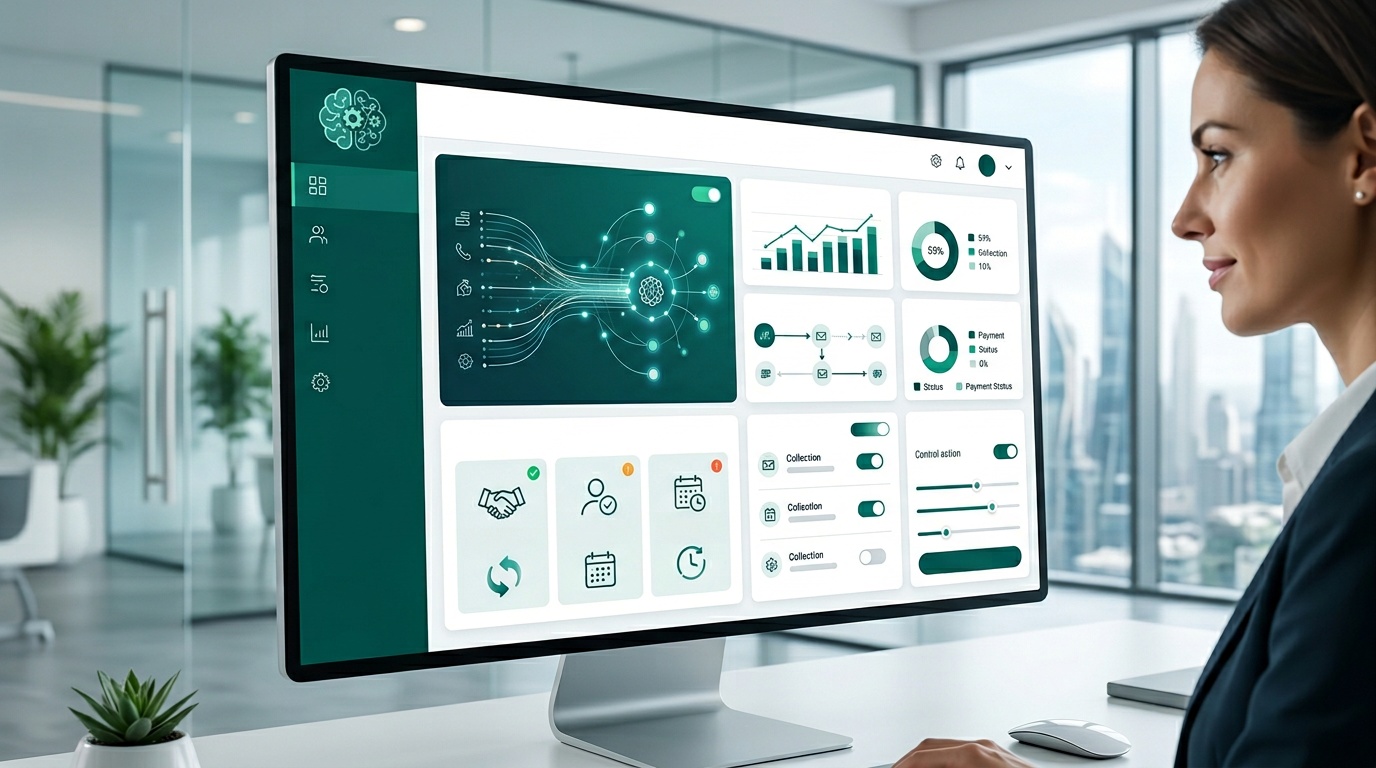
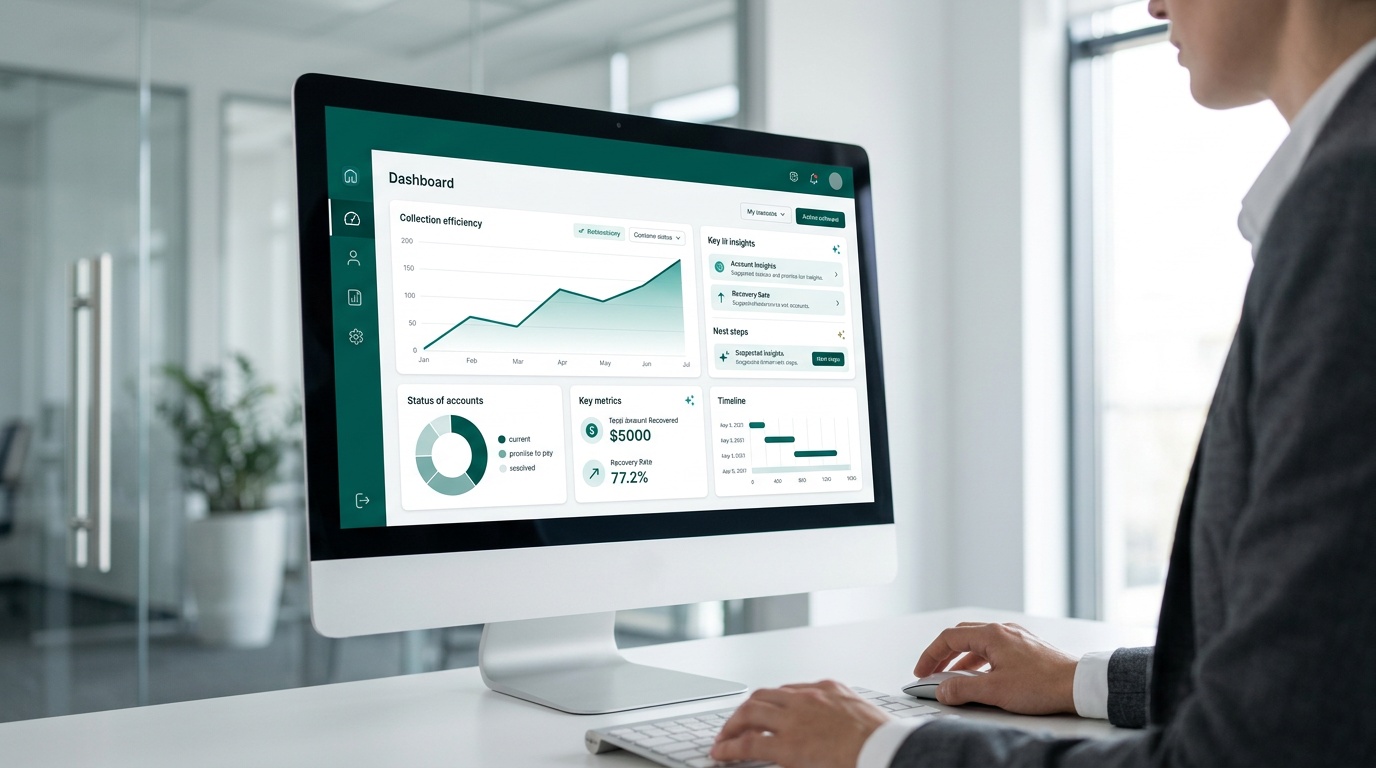
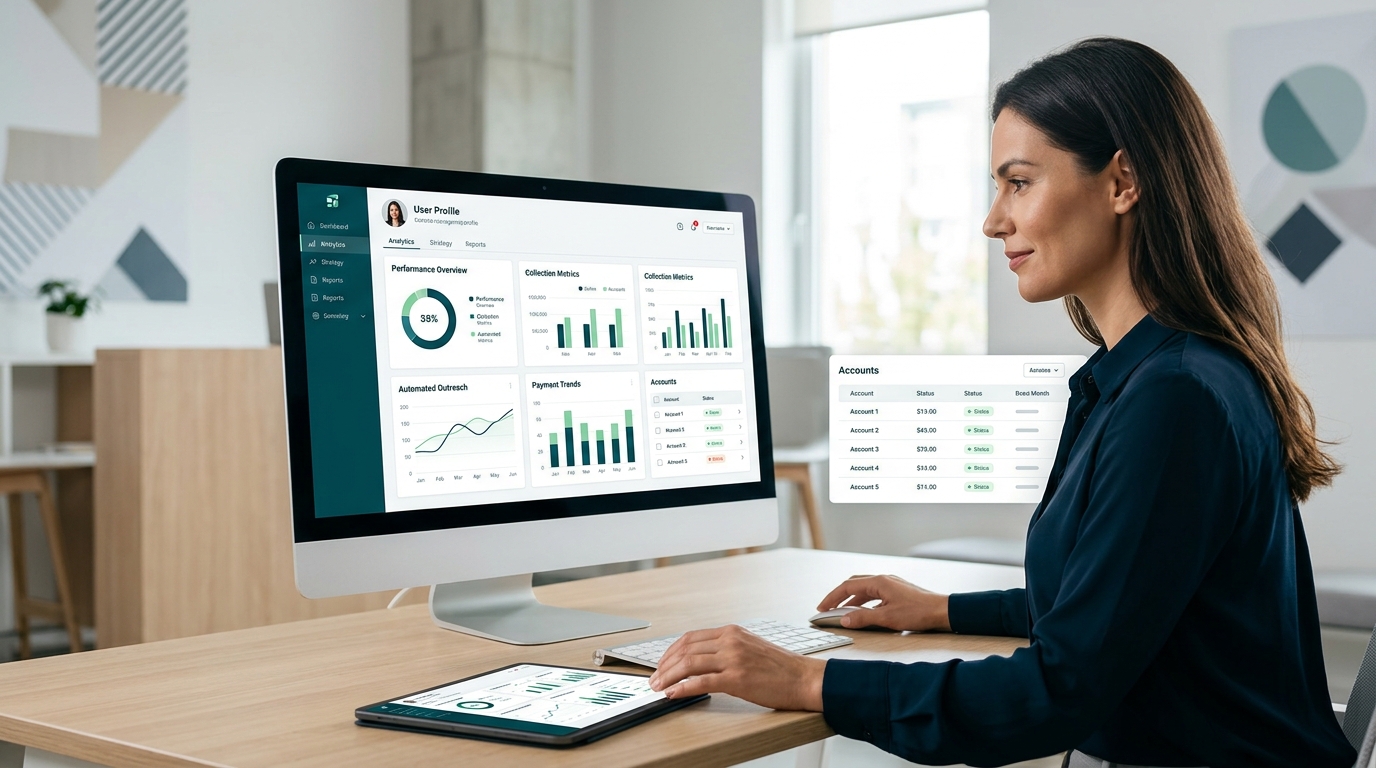
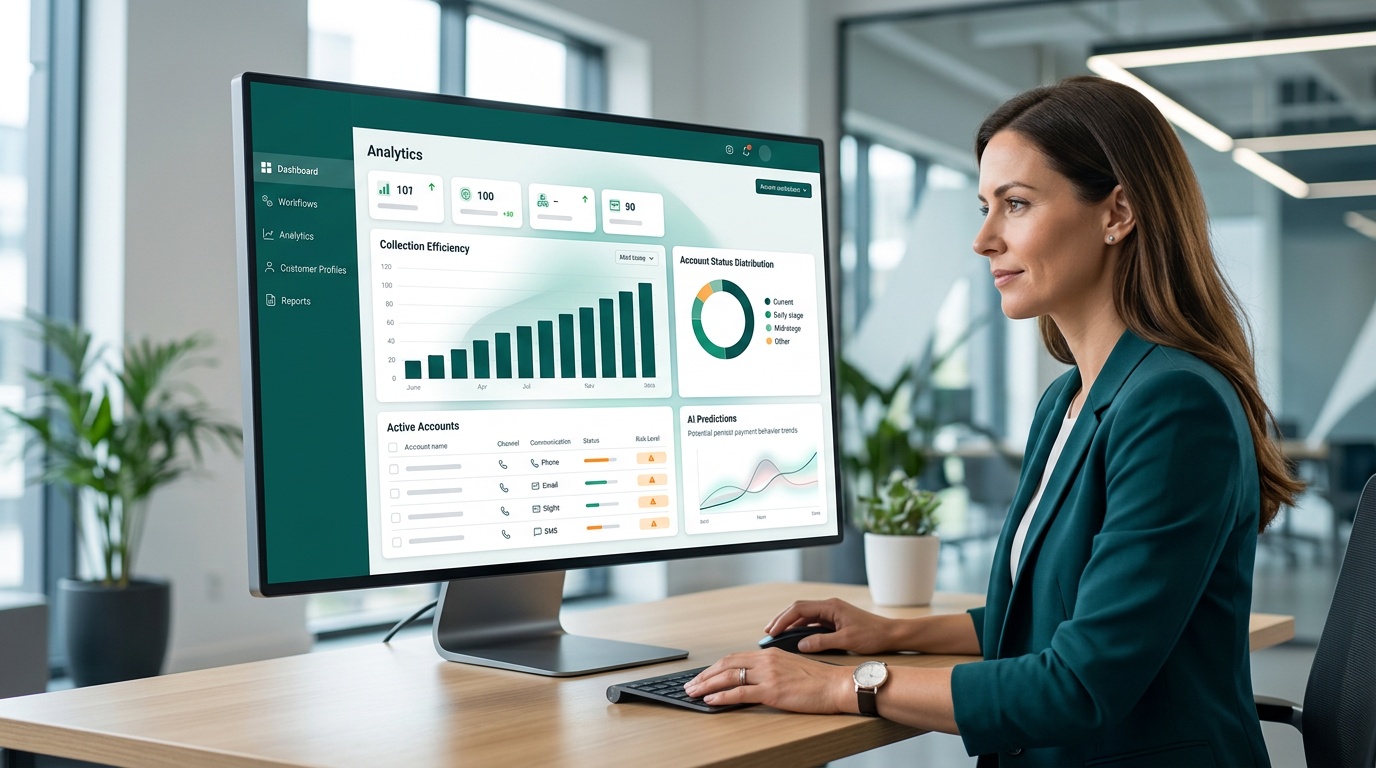
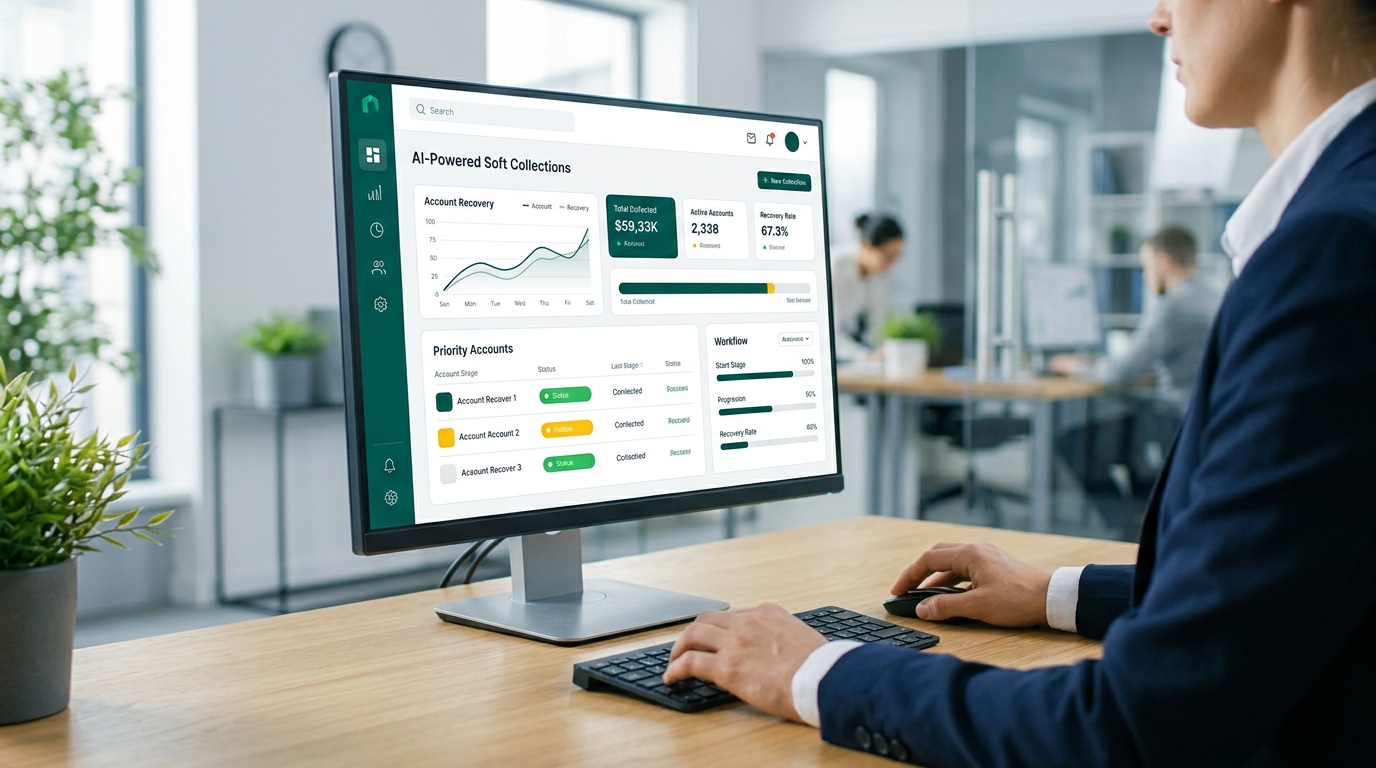
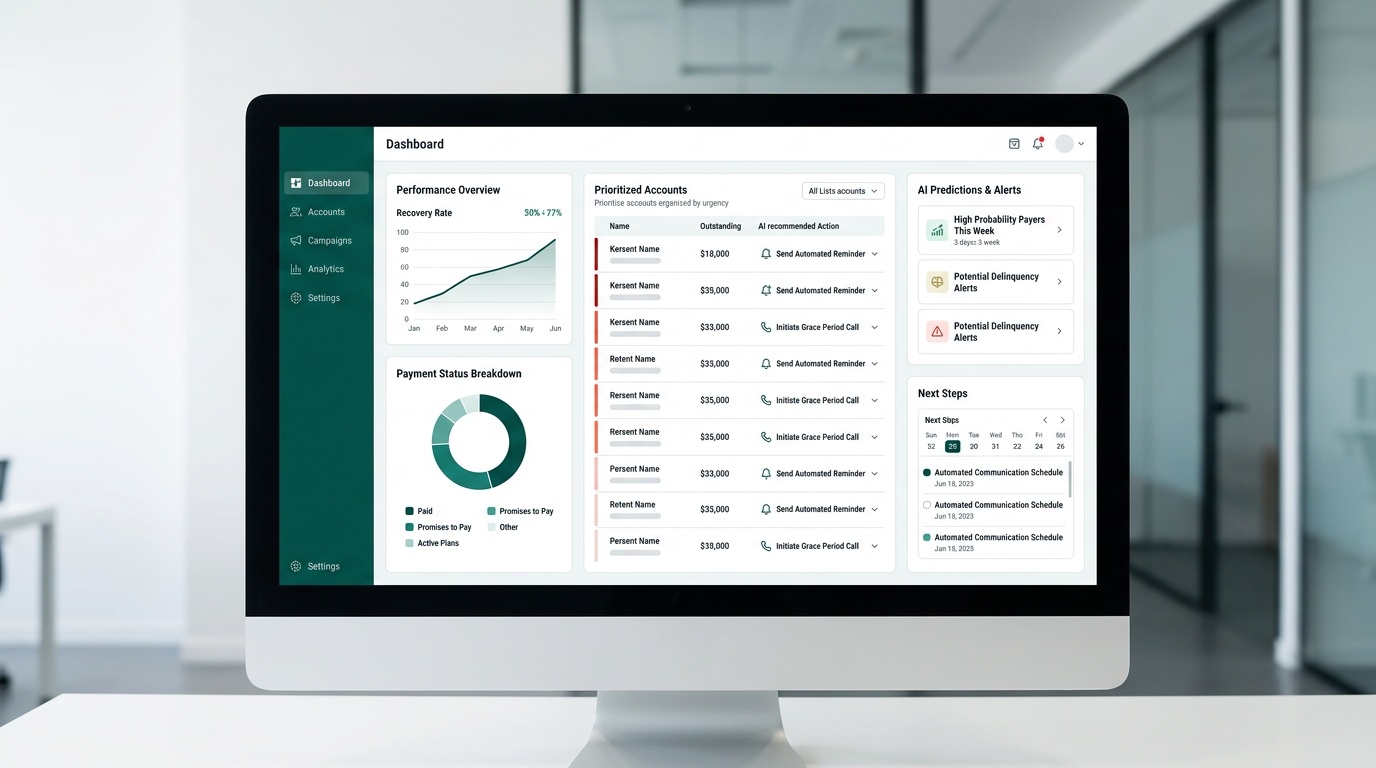
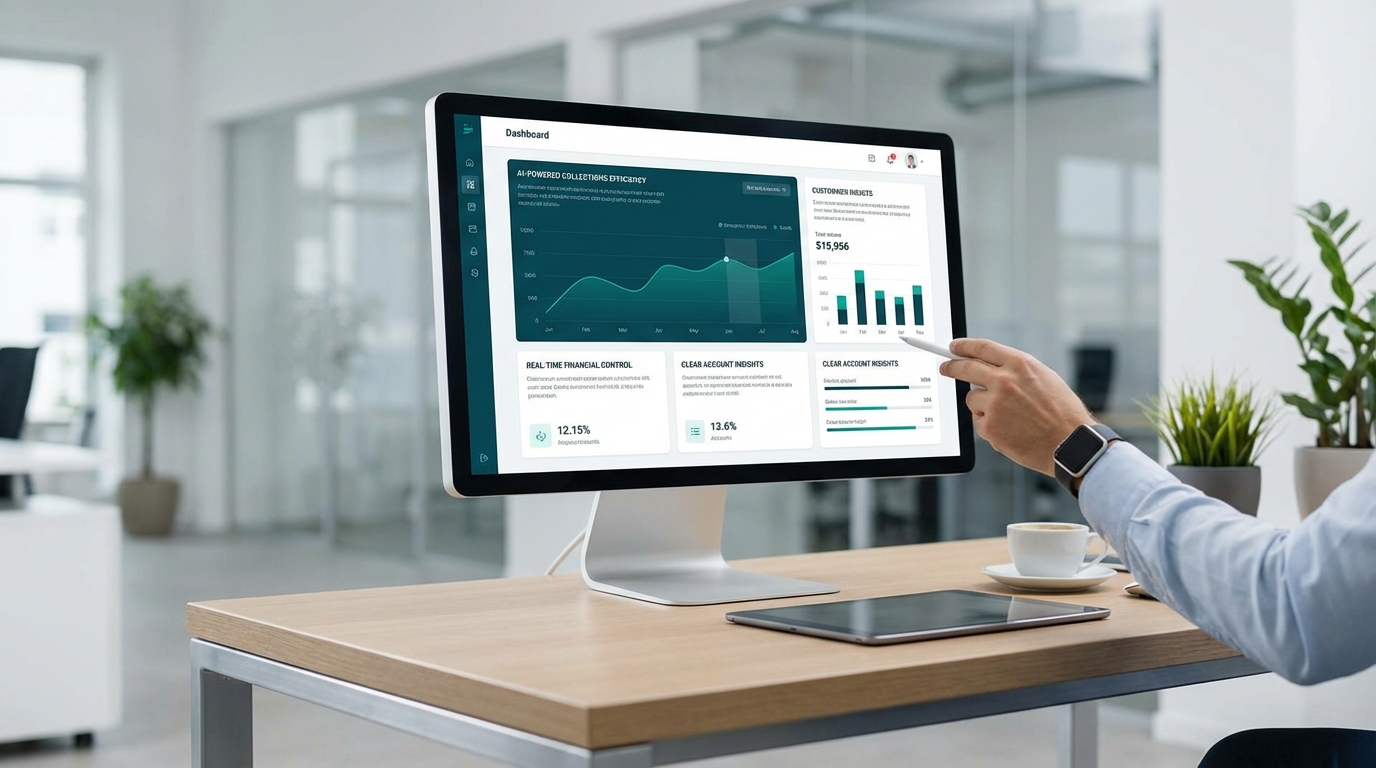
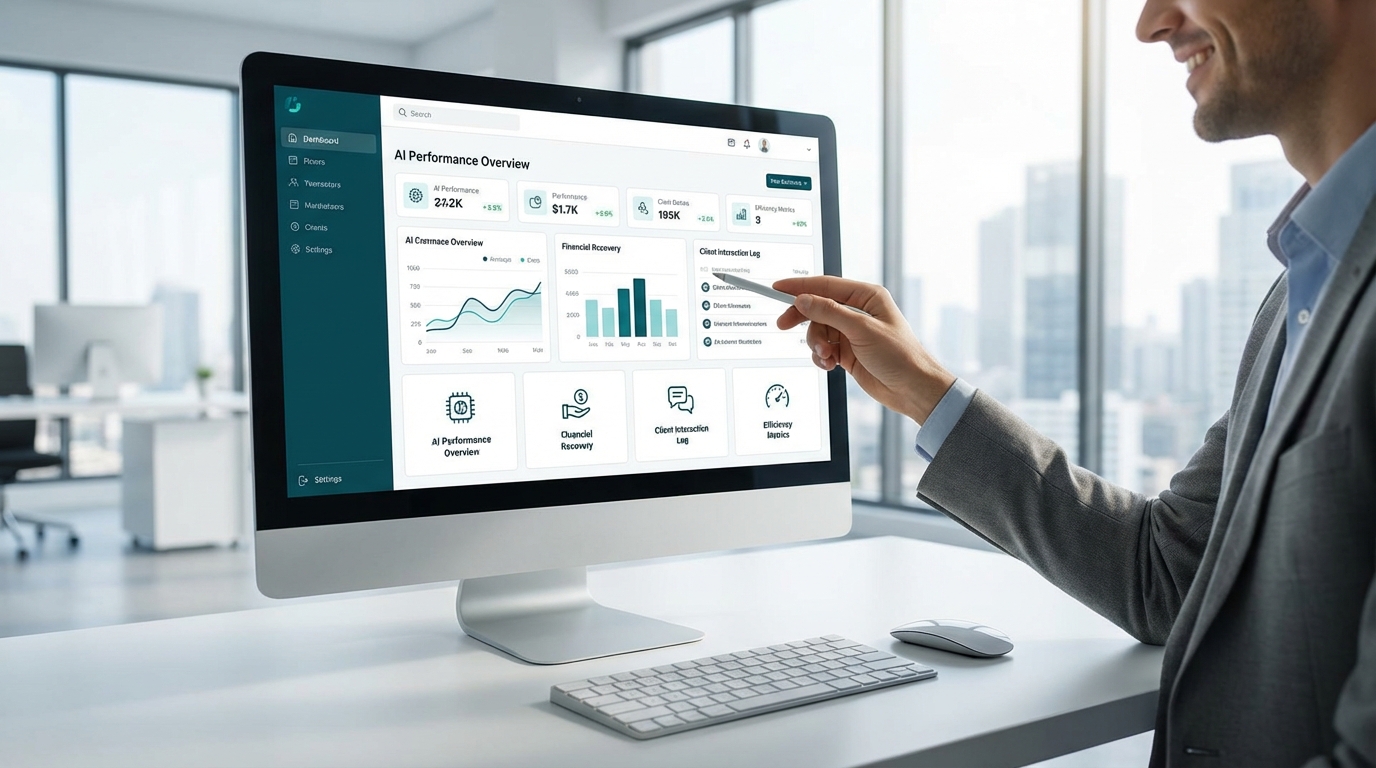
Overdue invoices drain cash flow and consume staff hours that should go toward higher-value work. Receivables software automates outreach, supports configurable payment plans, and helps teams operate within communication and privacy requirements -- without handing accounts off to a third party. Dash is built specifically for first-party account recovery workflows.
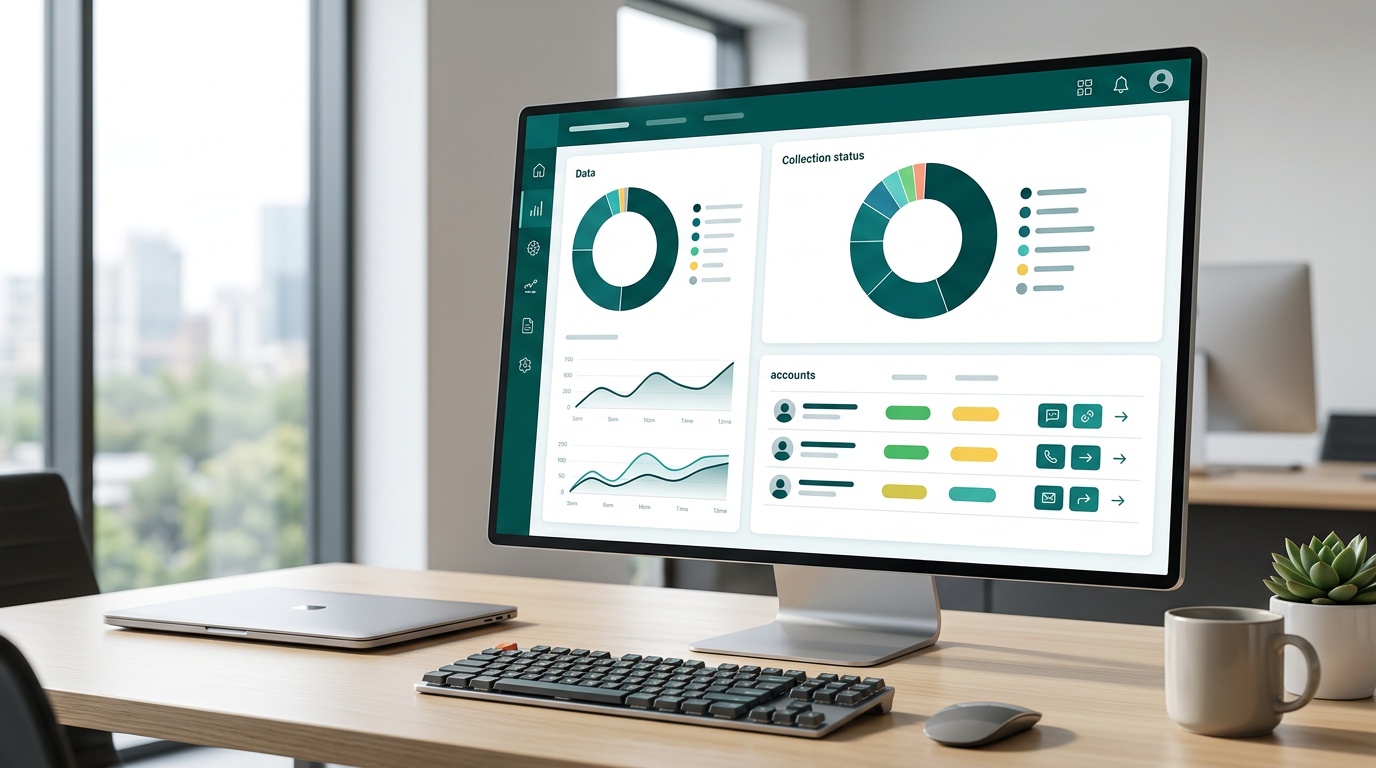
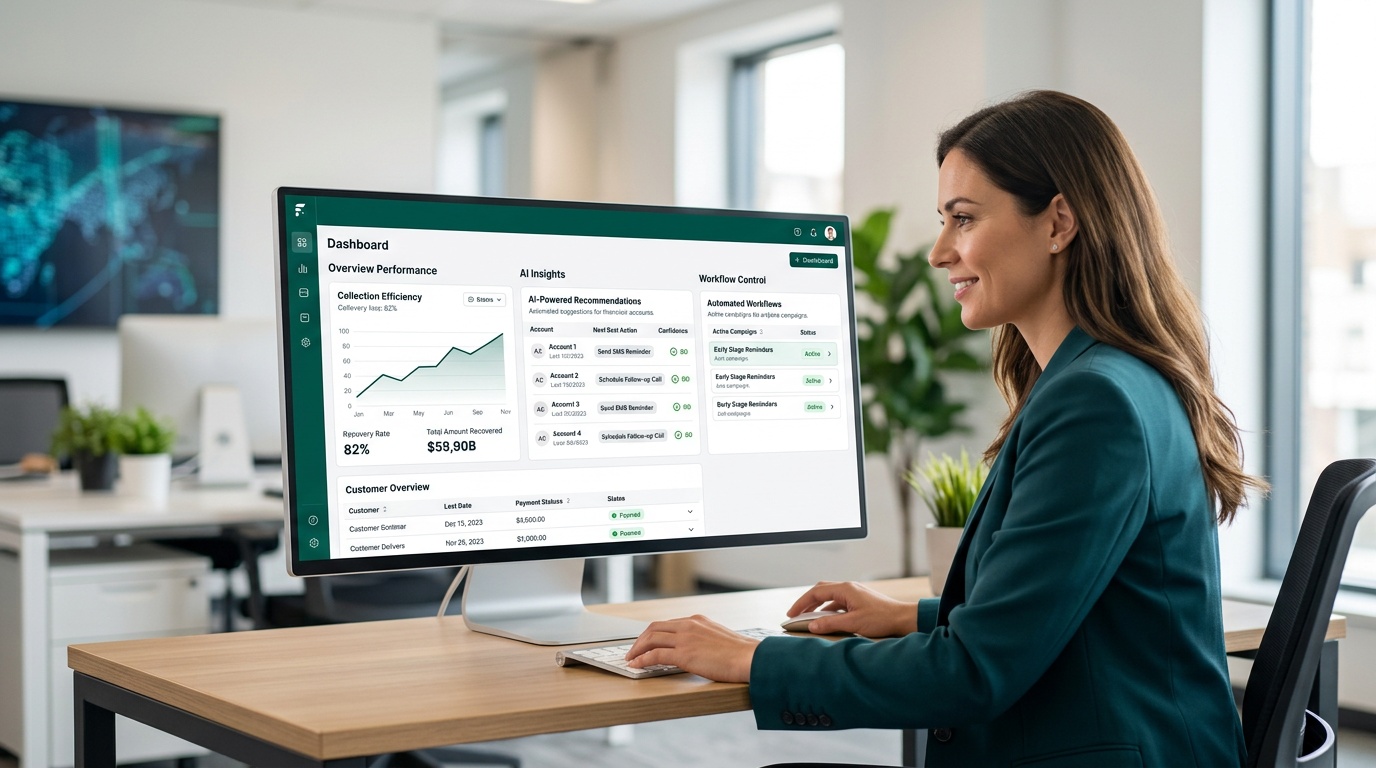
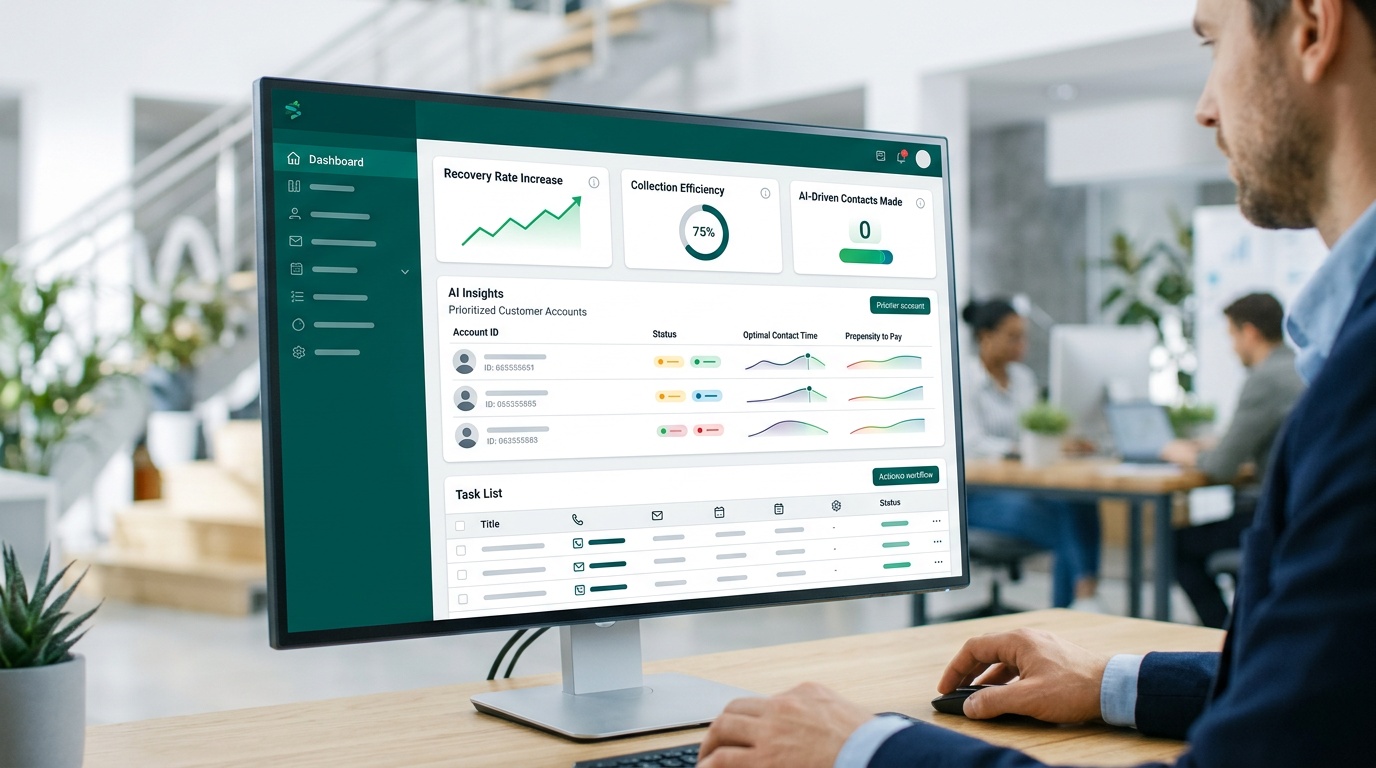
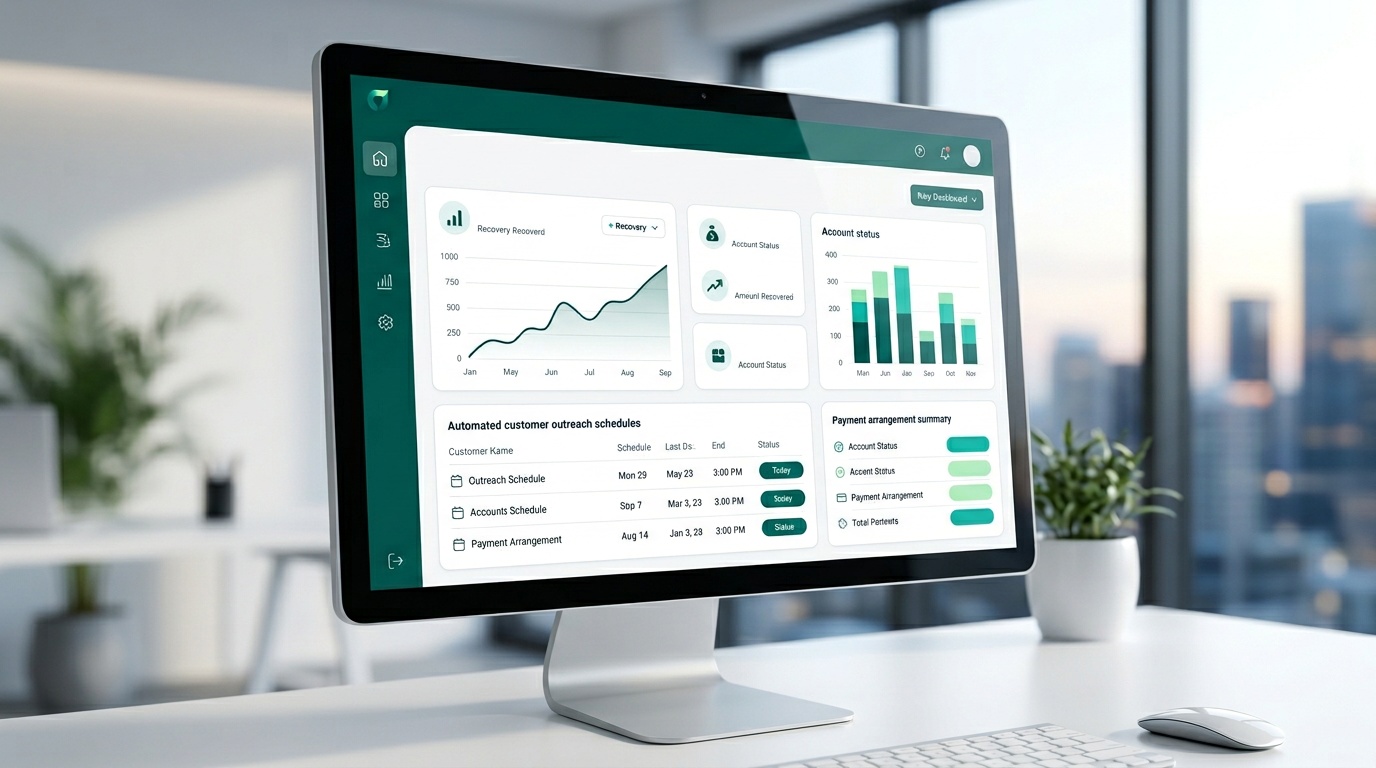
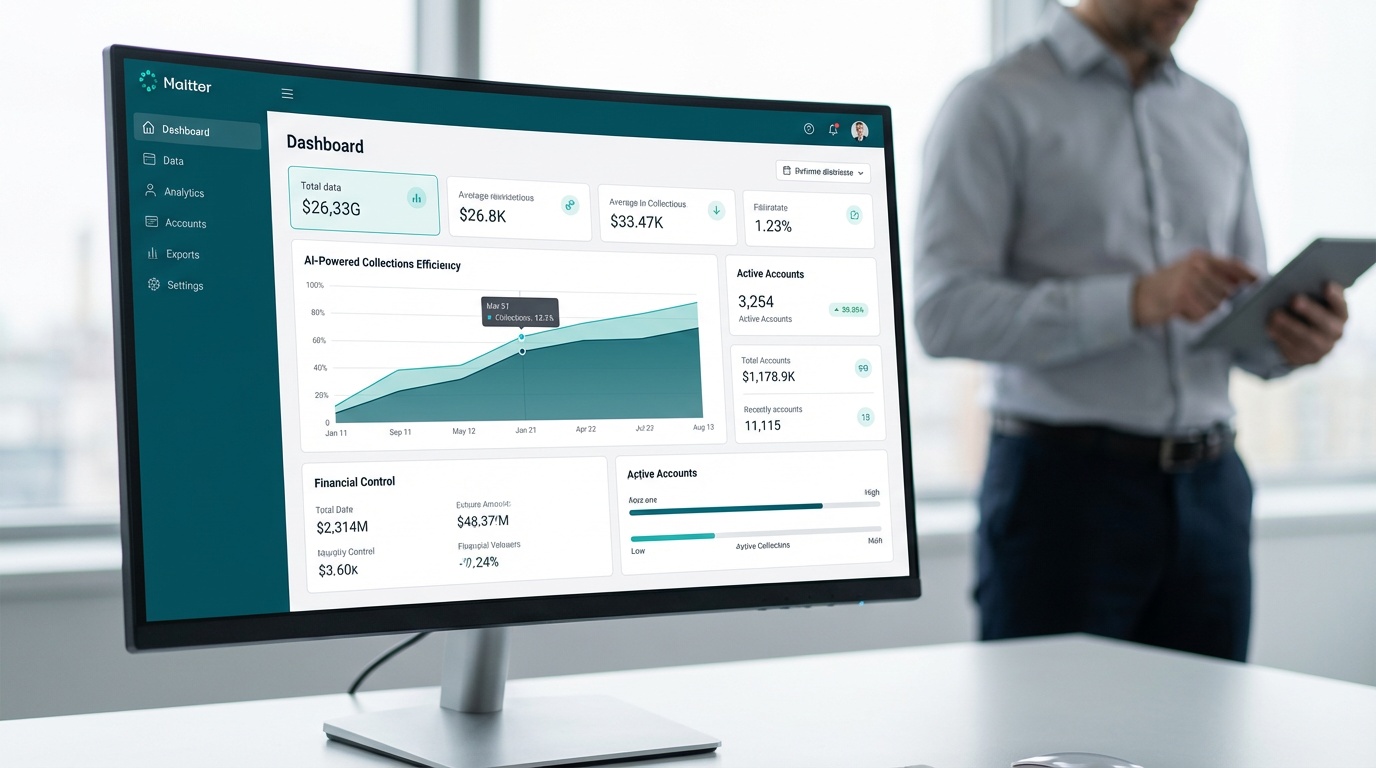
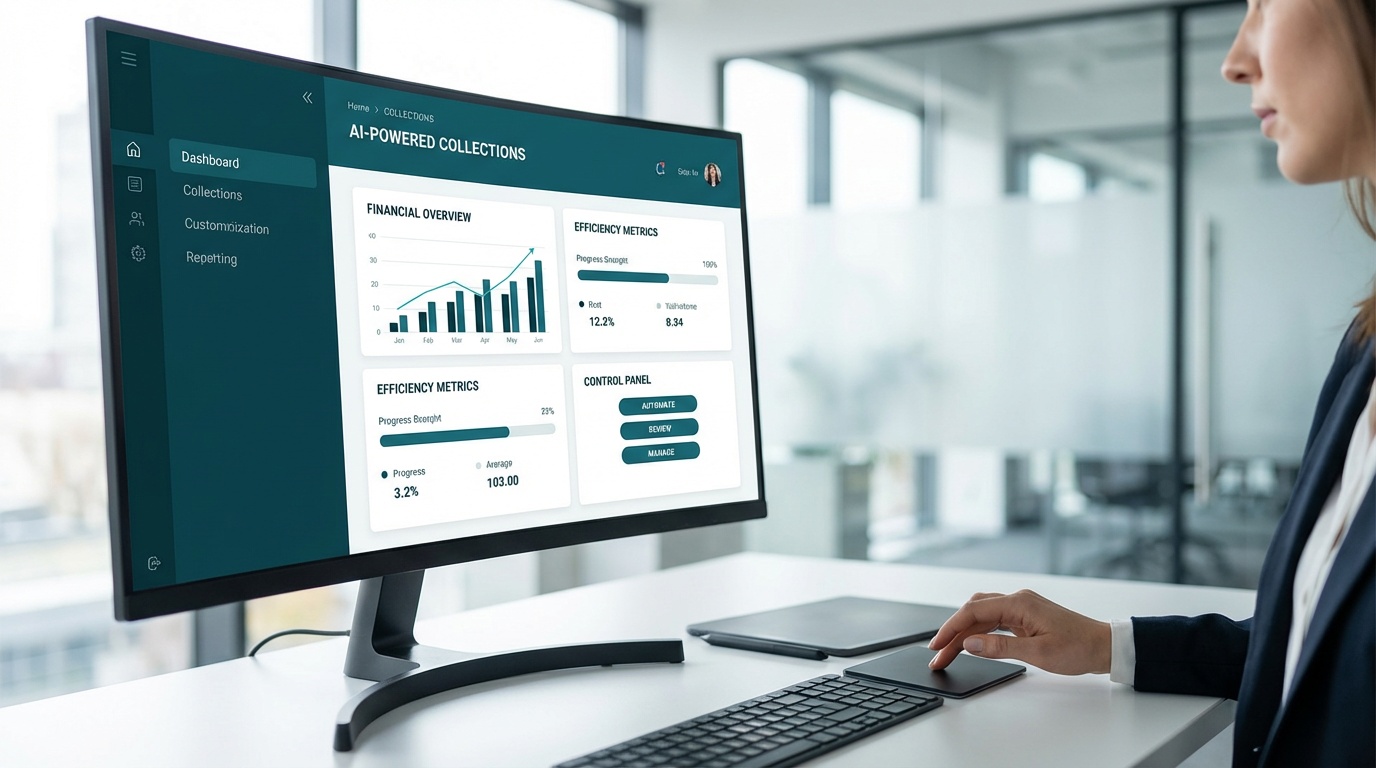
Dash supports automated text and email outreach, self-service payment portals, and compliance guardrails aligned with FDCPA, TCPA, HIPAA, and PCI DSS. Dash is SOC 2 Type 2 certified and includes real-time reporting so finance leaders can track account recovery performance without chasing down status updates. Teams typically see results within the first week of going live.
The key distinction from a general ERP is focus. A platform built around receivables recovery moves accounts forward through the collections cycle rather than simply logging activity. That's a meaningful operational difference when cash flow is the priority.
Specialized Collections Software: Weighing the Decision
Pros
- Automated outreach reduces manual follow-up work
- Compliance guardrails can reduce regulatory risk
- Self-service payment options can reduce friction for customers
Cons
- Integration planning is required with existing ERP or billing tools
- Staff training is required to use workflows consistently
- Specialized tools focus on receivables rather than broad financial reporting
Choosing the Right Finance Software System for Your Business
Start by mapping gaps across billing, receivables, cash visibility, and reporting. Decide whether you need enterprise-wide management, a specific module such as treasury, or a receivables recovery tool -- then match scope to need. Paying for features you won't use is a budget problem, not a technology upgrade.
The table below compares two common paths: a broad enterprise ERP versus a specialized platform like Dash built around receivables.
| Consideration | Enterprise ERP | Specialized Platform (e.g., Dash) |
|---|---|---|
| Primary Focus | Full financial operations | Receivables and collections |
| Implementation Time | Months to years | Days to weeks |
| Compliance Support | General financial controls | FDCPA, TCPA, HIPAA, PCI DSS |
| Pricing Model | Per-module or per-user licensing | Monthly platform fee |
| Best For | Large, multi-department organizations | Teams prioritizing receivables recovery |
Confirm integration compatibility with your billing, CRM, and ERP tools before committing. The right platform should fit your current stack and scale with your operating model without forcing a rebuild of processes that already work. See how Dash fits into an existing workflow.
Price clarity matters more than most buyers realize. Dash uses a fixed monthly platform fee, which keeps recovery costs predictable regardless of volume. That's a fundamentally different model from commission-based collection agencies, where the cost scales with every dollar recovered. Dash also provides audit logs and security controls that regulated industries require.
Decision Framework
Start with the highest-impact workflow. If receivables are the primary cash flow risk, a specialized platform can deliver value faster than a broad ERP rollout. Add or connect other modules as operational needs change.
Finance stacks rarely stay static. Most mature organizations end up combining a general ledger and reporting layer with specialized tools for high-impact workflows. Clean integrations and shared data keep reporting reliable without slowing execution on either side.
Automation will keep expanding -- across forecasting, payment plan configuration, and portfolio monitoring. Choose systems that support control, reporting, and security so your team can move quickly without accumulating process debt along the way.
If overdue accounts are the most urgent gap, start there. Request a Dash demo to see how account recovery workflows operate in practice and whether the platform fits your team's needs.
Frequently Asked Questions
What types of finance software systems do businesses use?
Businesses use various finance software systems, ranging from comprehensive enterprise resource planning (ERP) platforms to specialized tools. These systems manage core financial operations like accounts receivable, accounts payable, treasury, and financial planning and analysis. The choice depends on a business's specific needs, whether it's broad financial management or a focused workflow like receivables recovery.
How do finance software systems differ from basic accounting tools?
Basic accounting software primarily records past transactions, showing what has already happened. Finance software systems go beyond this by managing end-to-end financial operations, including budgeting, forecasting, and cash flow management. They provide a unified view of current performance and suggest actions, helping teams run finance with fewer blind spots.
What are the key components of a modern finance software system?
Modern finance software systems typically cover four core areas: accounts receivable (AR), accounts payable (AP), treasury management, and financial planning and analysis (FP&A). These modules work best when they share data in real time, which helps reduce reconciliation work and provides leadership with current performance insights without manual consolidation.
Why would a business choose a specialized finance software system?
Businesses often choose specialized finance software systems to address specific, high-impact workflows, such as managing overdue receivables. These platforms can deliver value faster than a broad ERP rollout by focusing on a particular area. For example, Dash helps teams recover overdue accounts faster using AI-powered outreach and self-service tools, with fast and easy setup.
What should I consider when selecting a finance software system?
When selecting a finance software system, first identify gaps in your current billing, receivables, cash visibility, and reporting. Decide if you need enterprise-wide management or a specific module, then match the scope to your needs to avoid paying for unused features. Always confirm integration compatibility with your existing billing, CRM, and ERP tools before committing.
How can finance software help with overdue accounts?
Finance software, particularly specialized platforms, can transform receivables management by automating outreach, supporting payment plans, and ensuring compliance. Tools like Dash offer automated text and email outreach for overdue accounts, configurable payment plans, and compliance guardrails aligned with FDCPA, TCPA, HIPAA, and PCI DSS. This helps teams operate within communication and privacy requirements while speeding up collections.