.png)
company credit history
What Is Company Credit History?
Your company credit history is a structured financial record that documents how your business manages payment obligations over time. Three major bureaus compile this data: Dun & Bradstreet, Equifax Business, and Experian Business. Each uses its own scoring model, but all evaluate similar signals.
Key components include:
- Payment history: On-time versus late payments to vendors and lenders
- Public records: Liens, judgments, and bankruptcies
- Credit utilization: Outstanding balances relative to available credit
- Business age and industry risk
Quick Answer
Company credit history is your business's financial track record, scored separately from personal credit. Lenders, suppliers, and insurers use it to assess risk before extending terms or financing.
Unlike personal credit, business credit is largely public. Vendors and partners can pull your profile without your authorization. A strong profile can support better terms, while a thin or negative record can limit options early.
In industries like trucking, healthcare, and property management, where extended payment terms are common, a well-maintained credit profile directly affects operational capacity. Dash helps businesses recover past-due balances efficiently, supporting on-time payments that bureaus tend to reward.
Why Company Credit History Drives Business Success
Lenders, suppliers, and insurers treat your company credit history as a signal of payment reliability. A strong profile can mean lower interest rates, longer vendor terms, and better insurance pricing. A weak record can lead to denials, prepayment requirements, and slower growth.
The link to cash flow is direct. When overdue receivables reduce cash on hand, businesses may miss their own payment due dates -- and that delinquency shows up in your credit file. Higher borrowing costs and tighter vendor terms follow, which compounds the cash pressure rather than relieving it.
Dash automates respectful, timely outreach to customers with past-due balances, helping businesses collect faster and pay their own obligations on schedule. For property management and solar companies operating on tight margins, faster collections can be the difference between a clean credit record and a missed-payment flag.
Strong vs. Weak Company Credit History
Strong Profile
- Access to favorable financing terms
- Supplier net-30 and net-60 terms approved
- Lower insurance premiums
- Faster vendor onboarding
Weak Profile
- Loan applications denied or heavily restricted
- Prepayment required by suppliers
- Higher borrowing costs
- Reduced negotiating power in contracts
How to Check Your Company Credit History for Free
Monitoring your company credit history doesn't have to cost anything. Each major bureau provides access options -- and checking more than one helps you spot discrepancies and errors across files before they affect a financing decision.
Dun & Bradstreet PAYDEX Score Explained
The PAYDEX score runs from 0 to 100 and measures payment promptness. A score of 80 or above signals on-time payment, and scores above 80 can reflect early payment behavior. To access your profile, claim your free D-U-N-S Number at dnb.com. After registration, D&B CreditSignal offers limited free monitoring with alerts when your score changes.
Getting Your Free Equifax Business Credit Report
Equifax Business compiles payment data, public records, and firmographic details into its scoring model. Visit the Equifax Business credit center to request access through its portal. Review your report carefully for inaccurate payment history or public records entries -- errors here can suppress your score without you knowing.
| Bureau | Score Range | Free Access Method | Primary Use |
|---|---|---|---|
| Dun & Bradstreet | 0-100 (PAYDEX) | D&B CreditSignal | Vendor payment behavior |
| Equifax Business | 0-100 | Equifax Business portal | Lender risk assessment |
| Experian Business | 0-100 | Experian Business portal | Credit risk and public records |
Build a Stronger Credit Profile With Smart Receivables Recovery
On-time payments are the single biggest driver of business credit scores. When overdue receivables limit available cash, paying vendors and lenders on schedule gets harder -- and your credit file reflects it. Collections discipline and payment discipline go hand in hand.
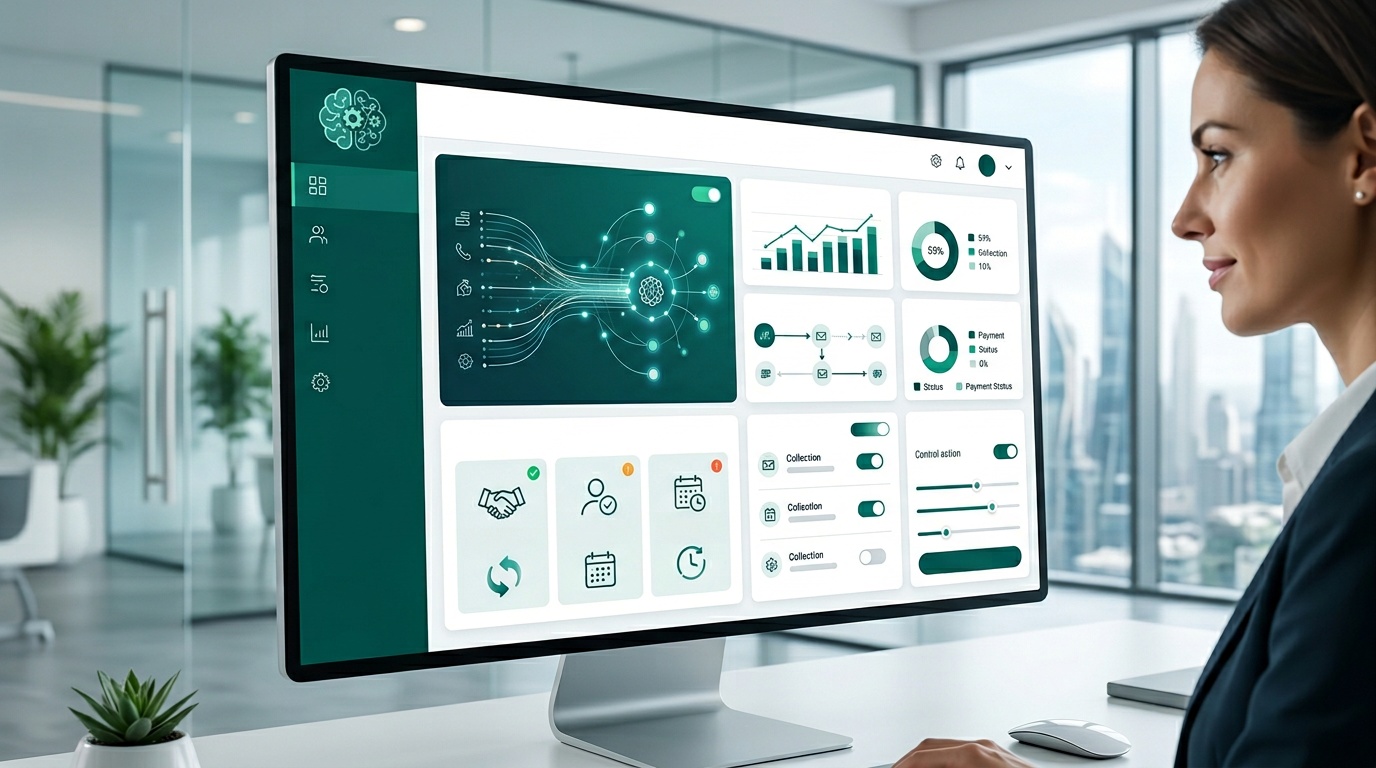
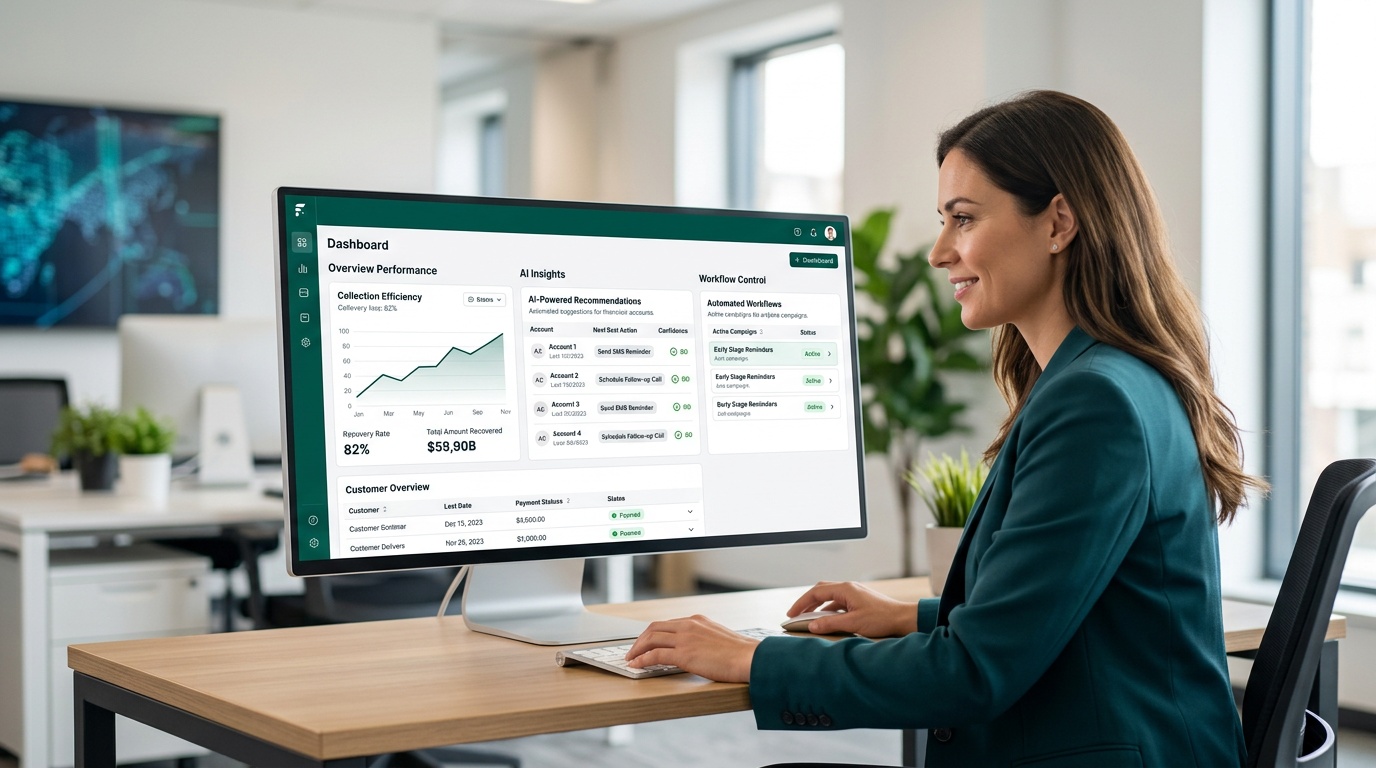
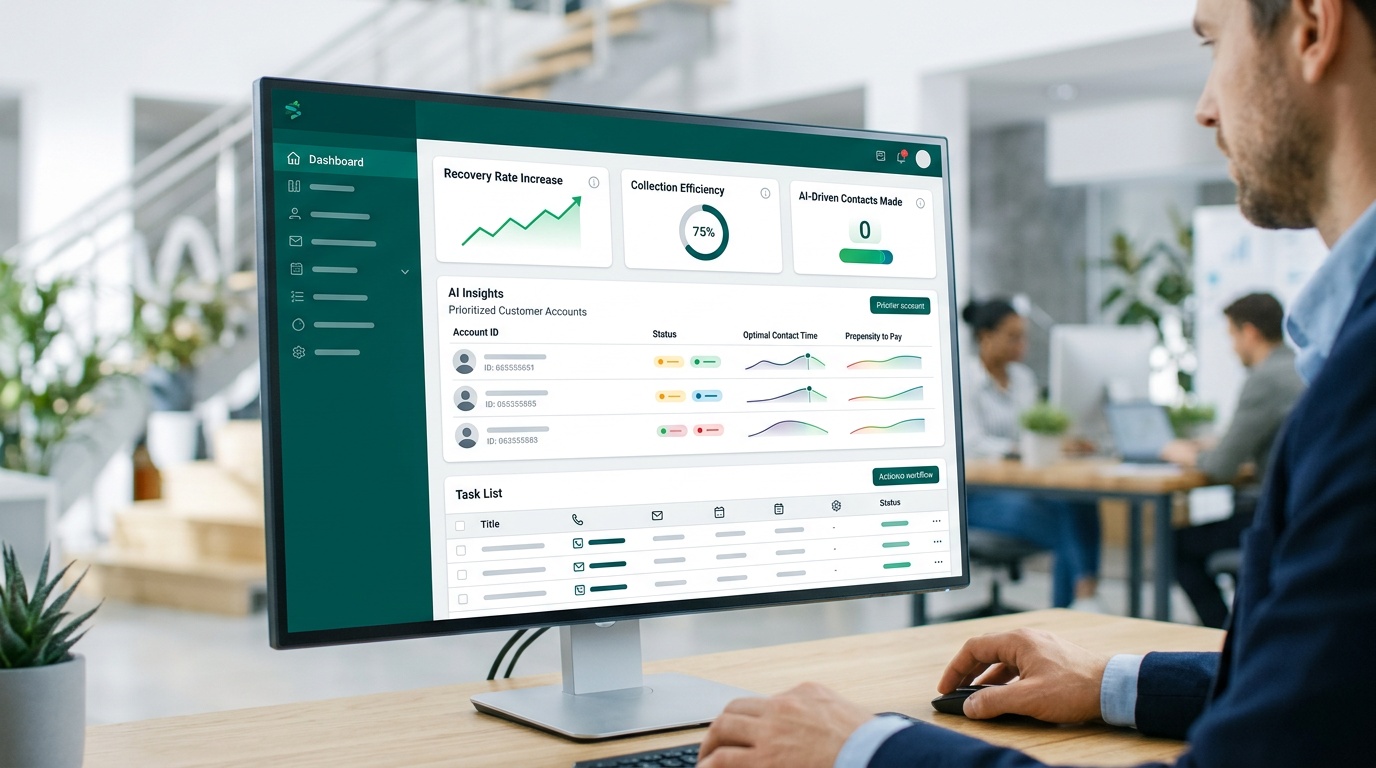
Dash automates respectful digital outreach to customers with outstanding balances to speed up recovery without straining relationships. AI-driven timing and personalization mean your customers hear from you at the right moment, through the right channel, with the right message -- not a form letter that gets ignored.
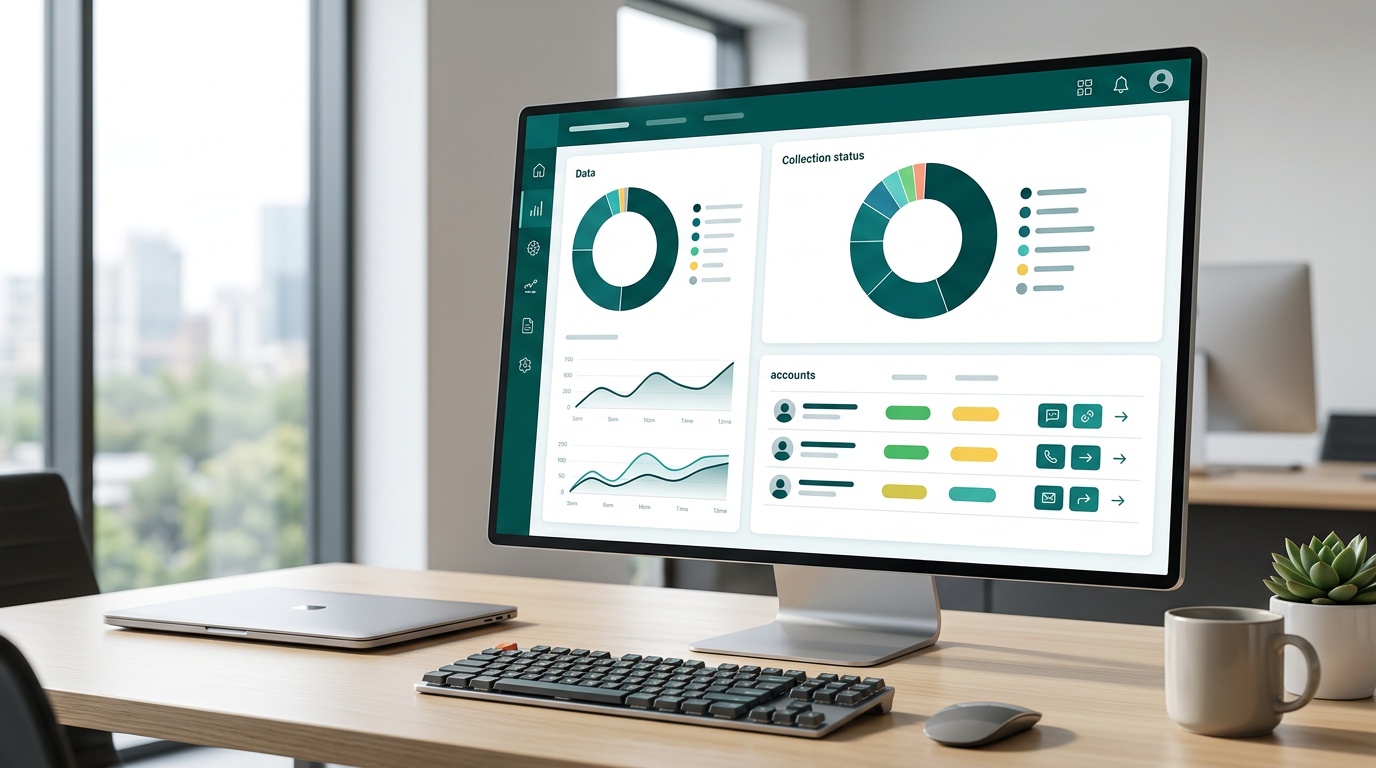
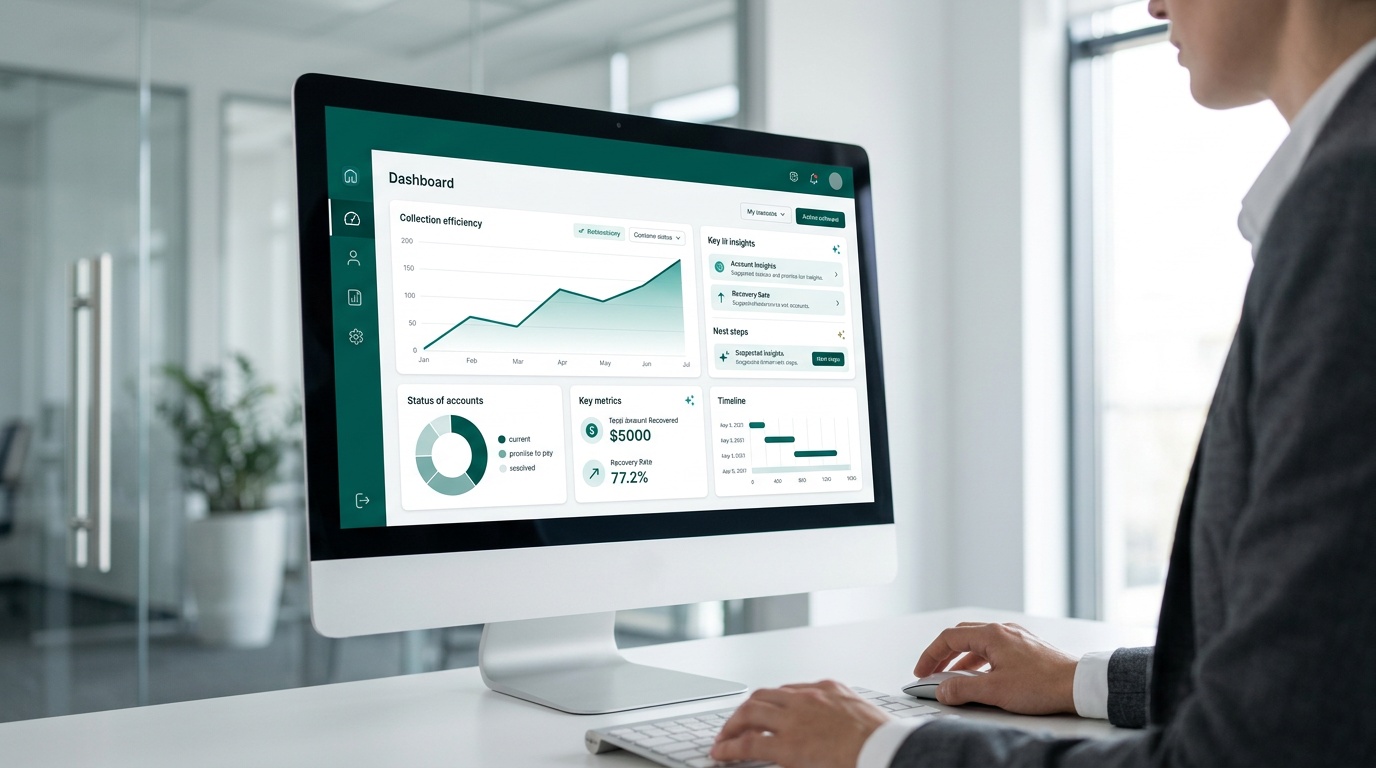
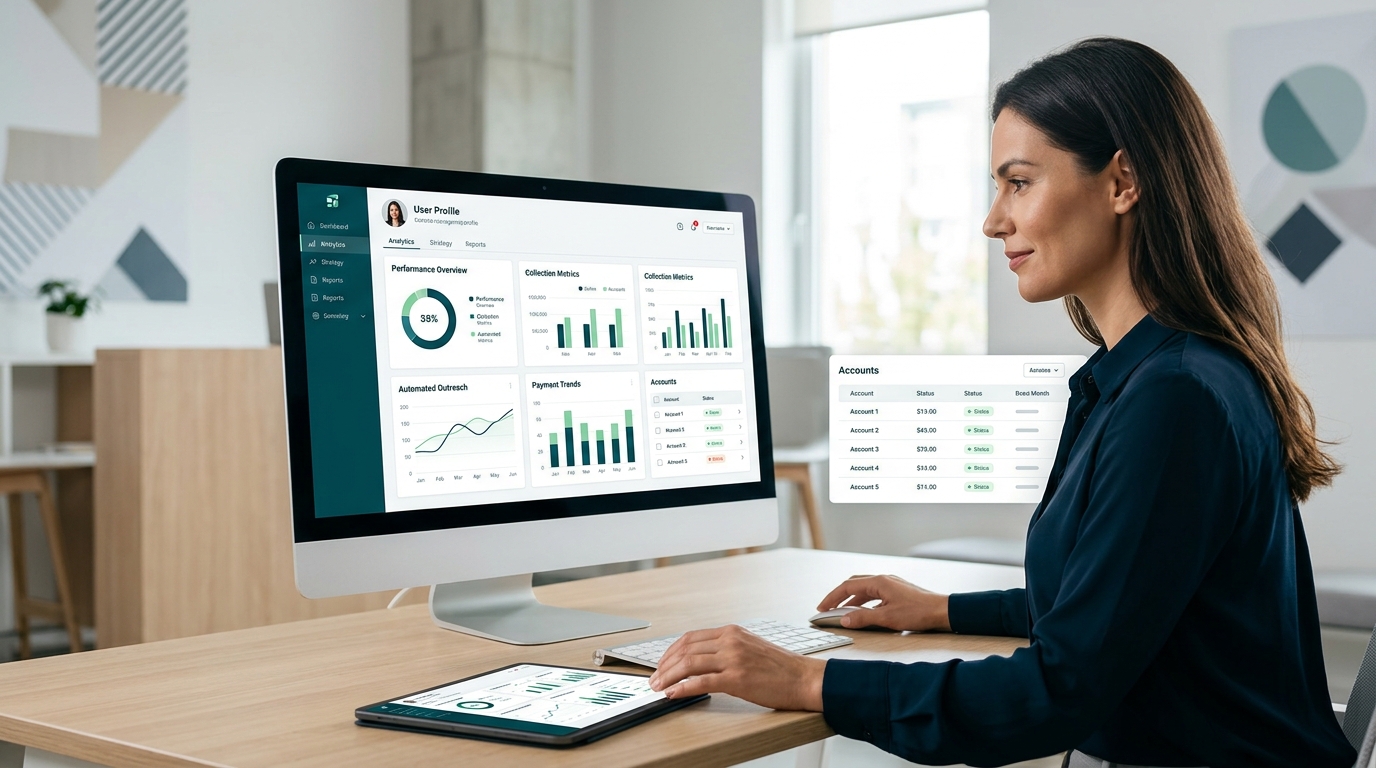
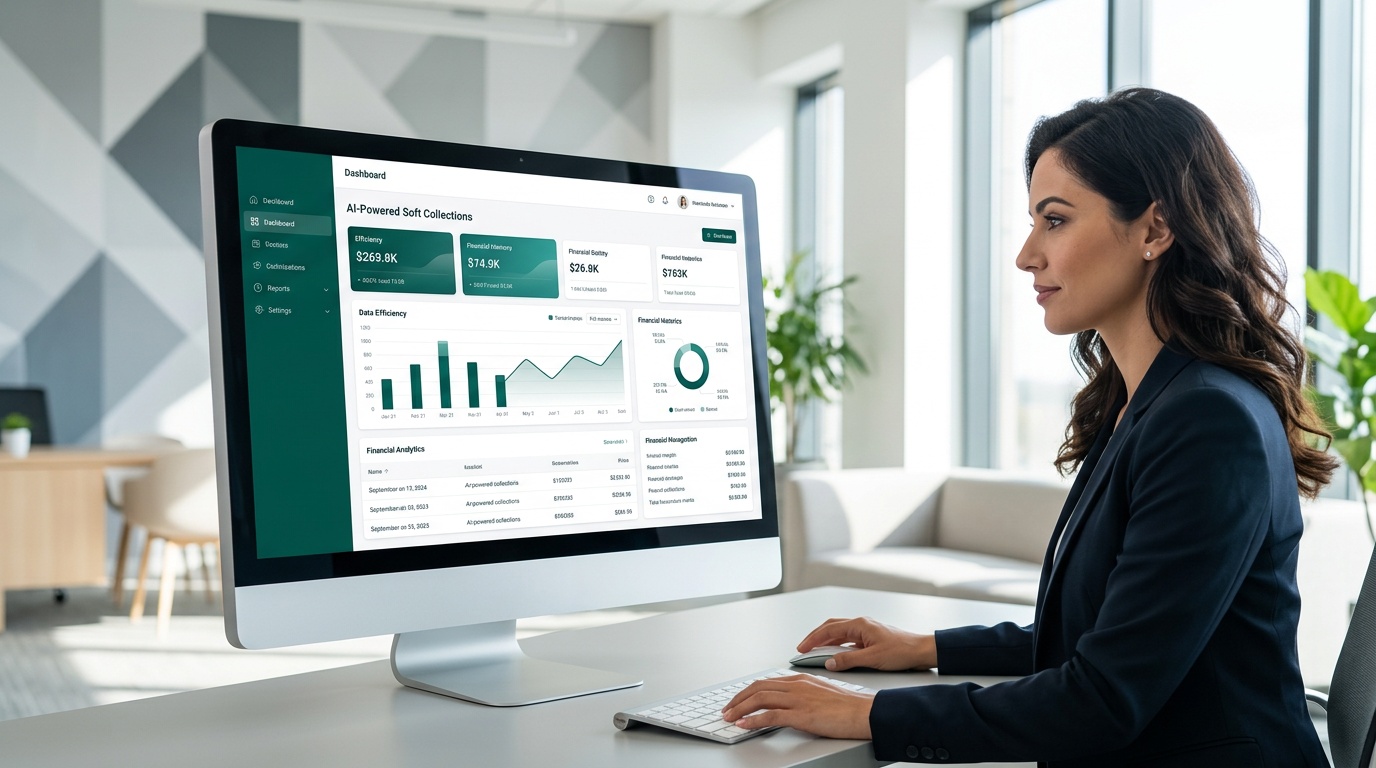
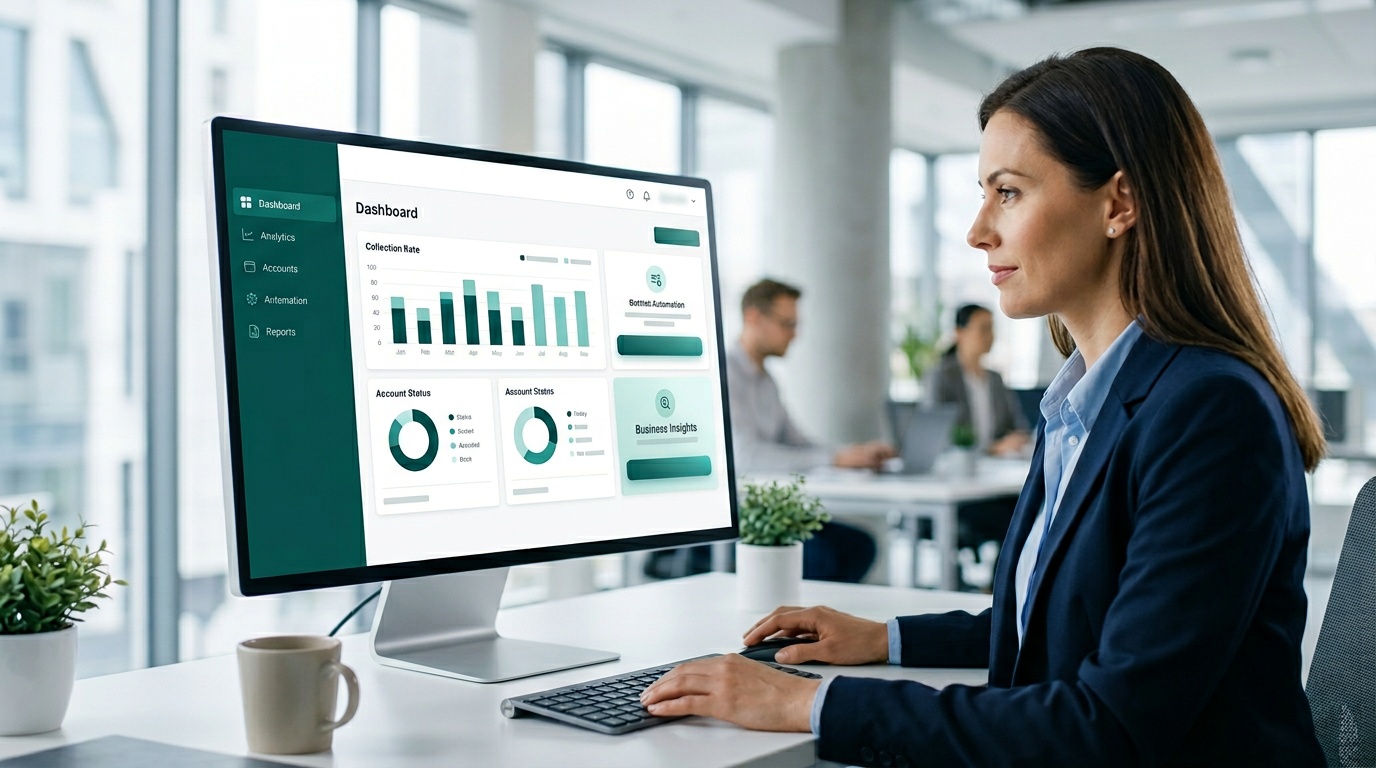
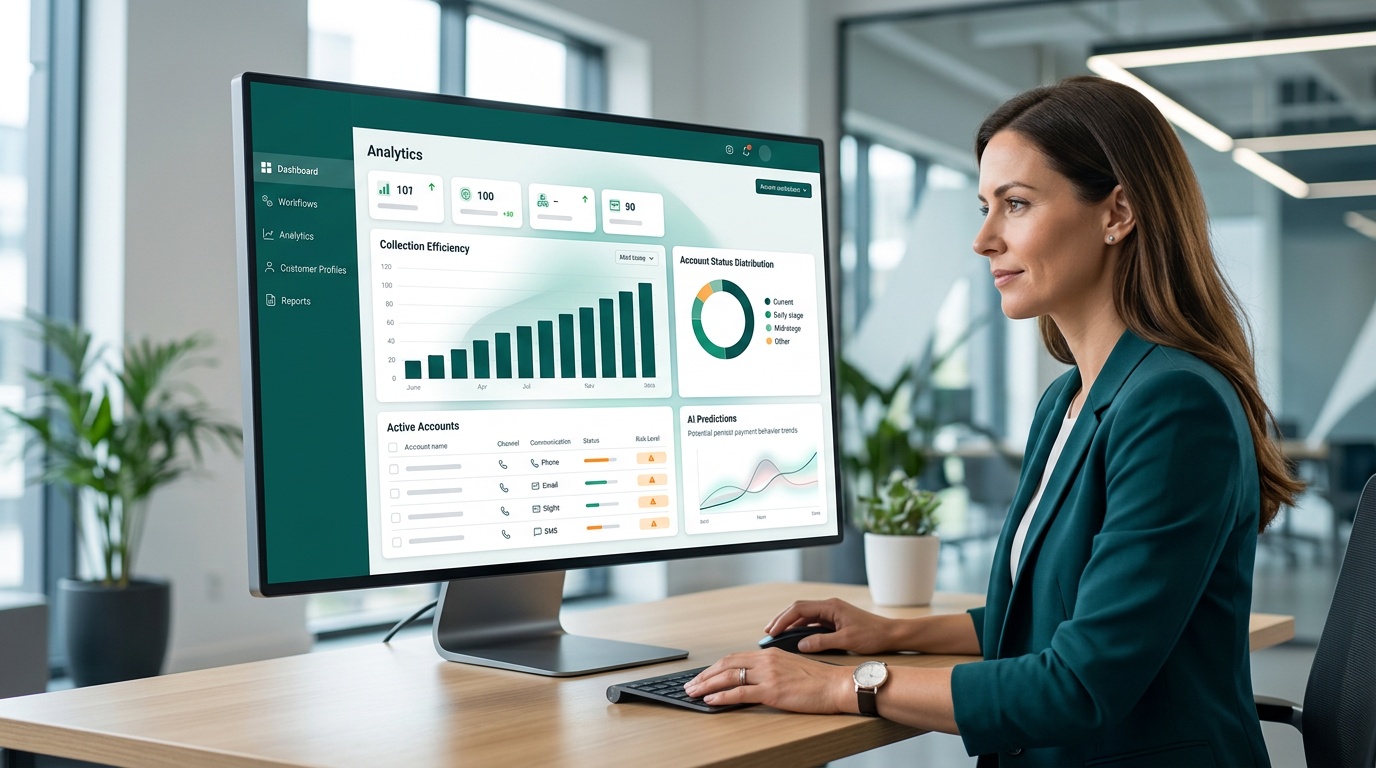
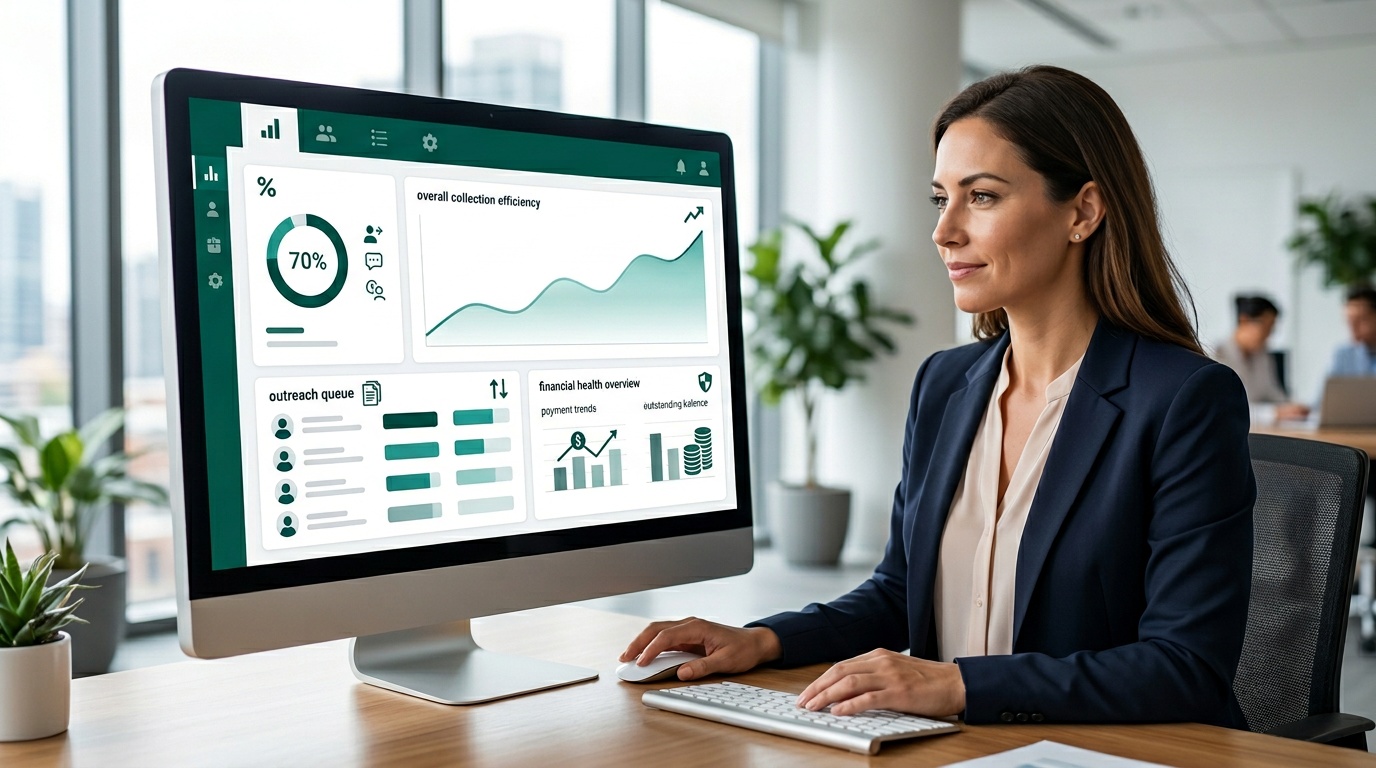
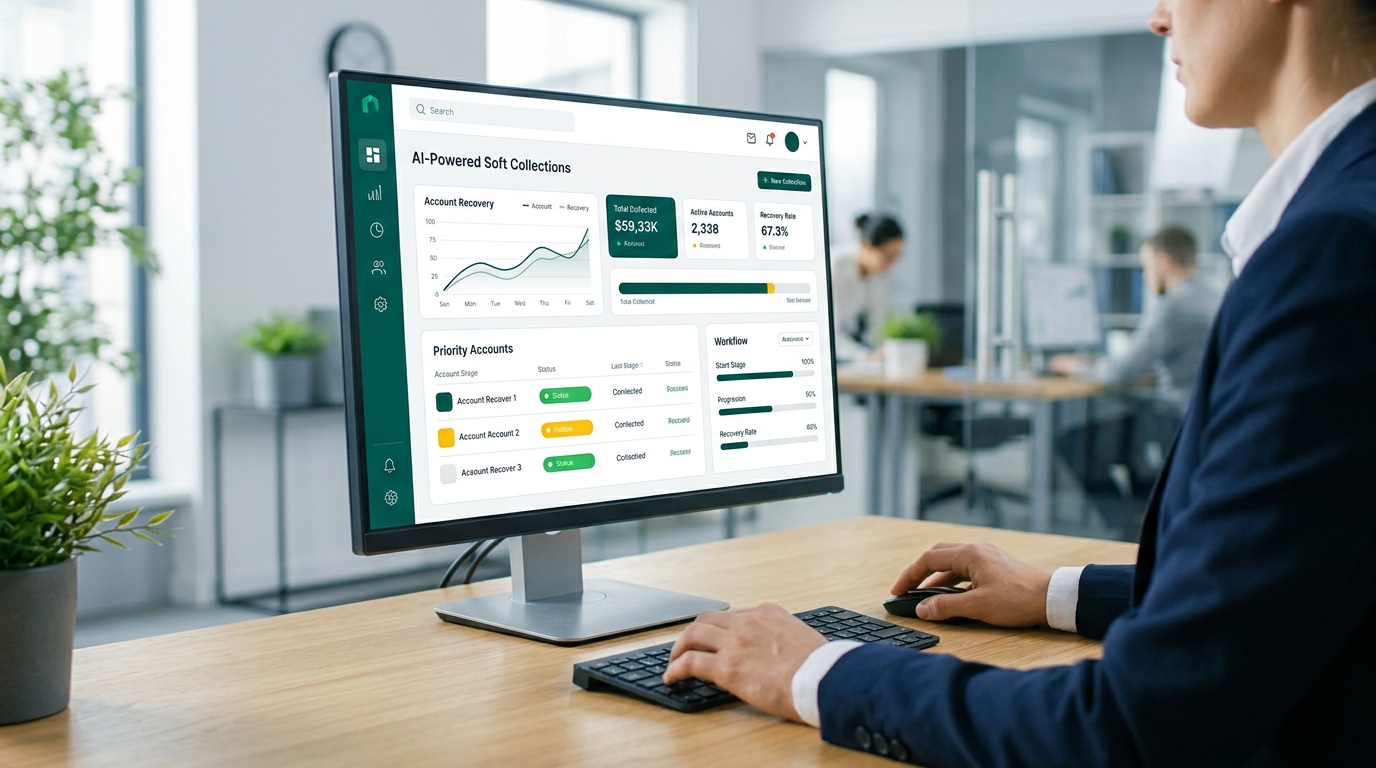
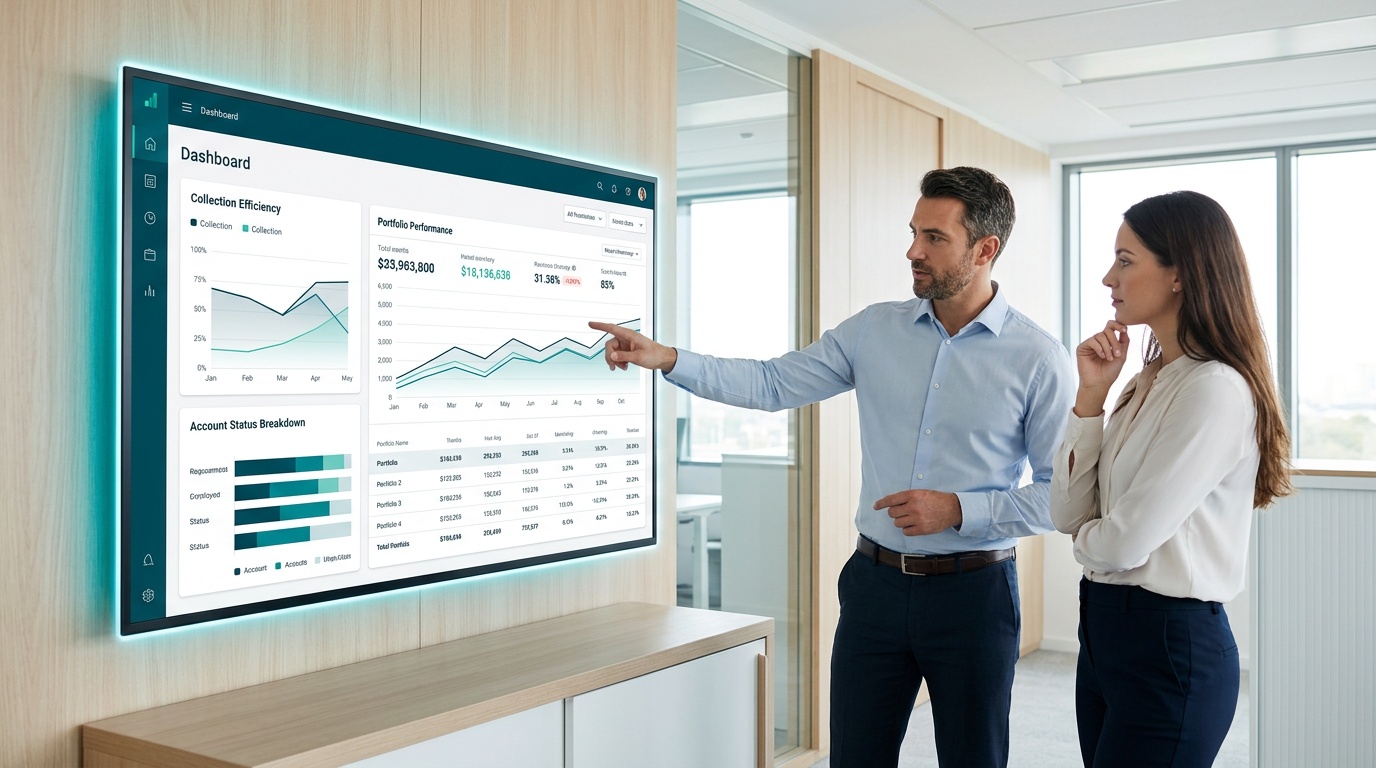
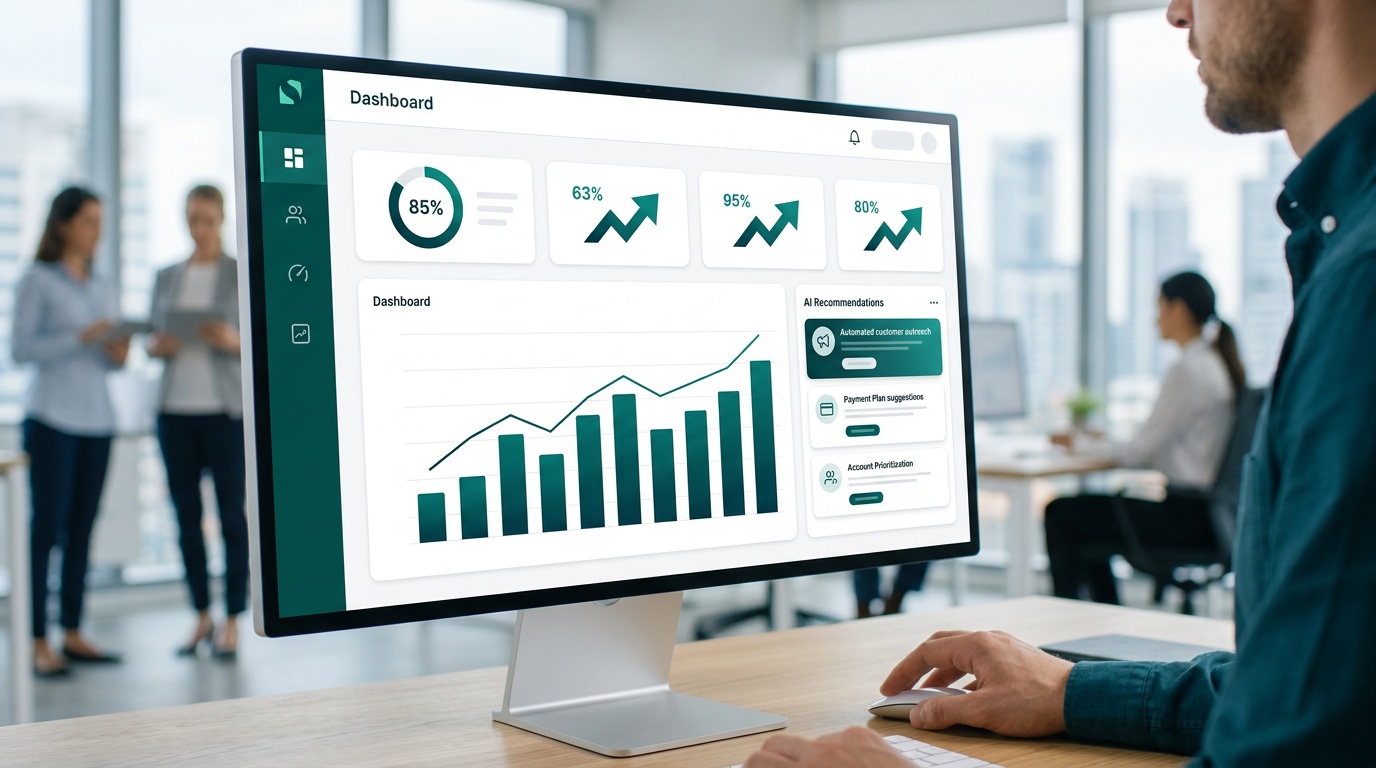
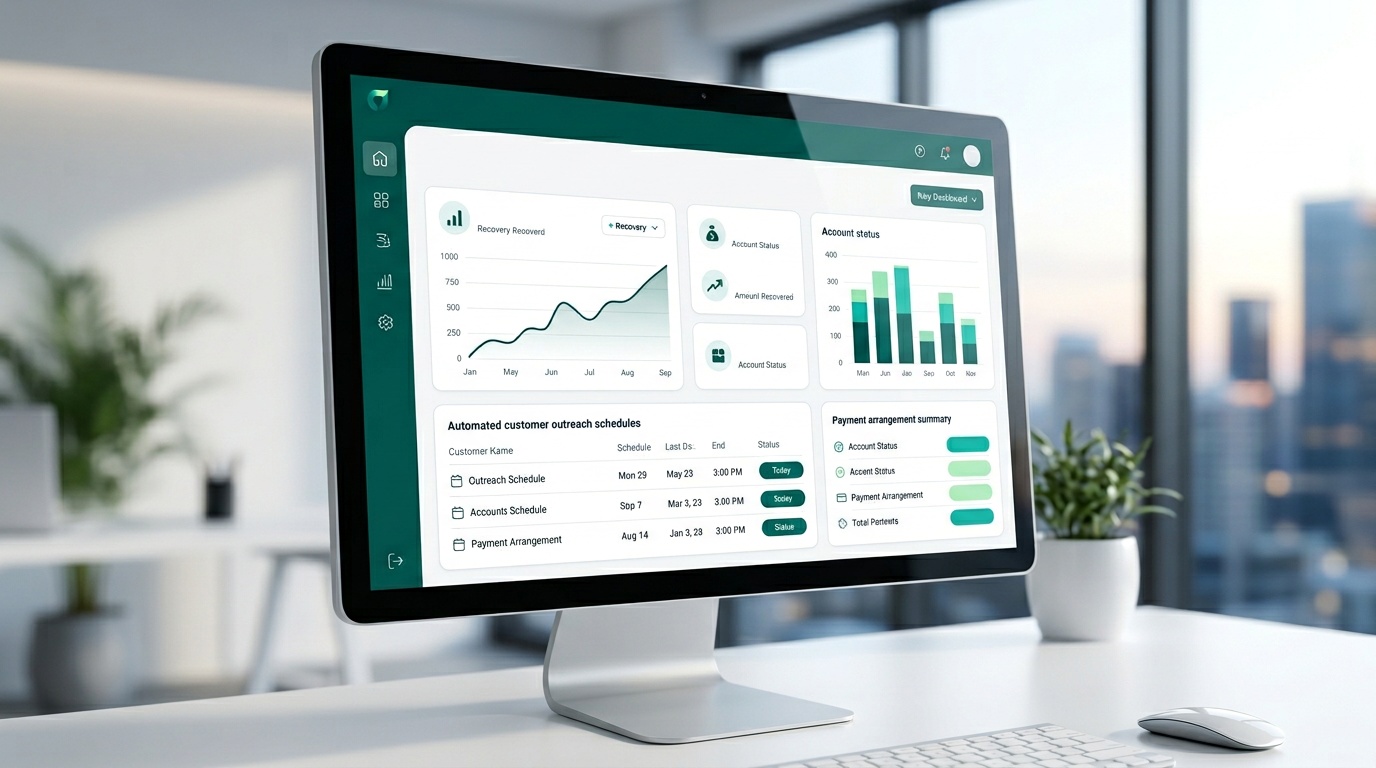
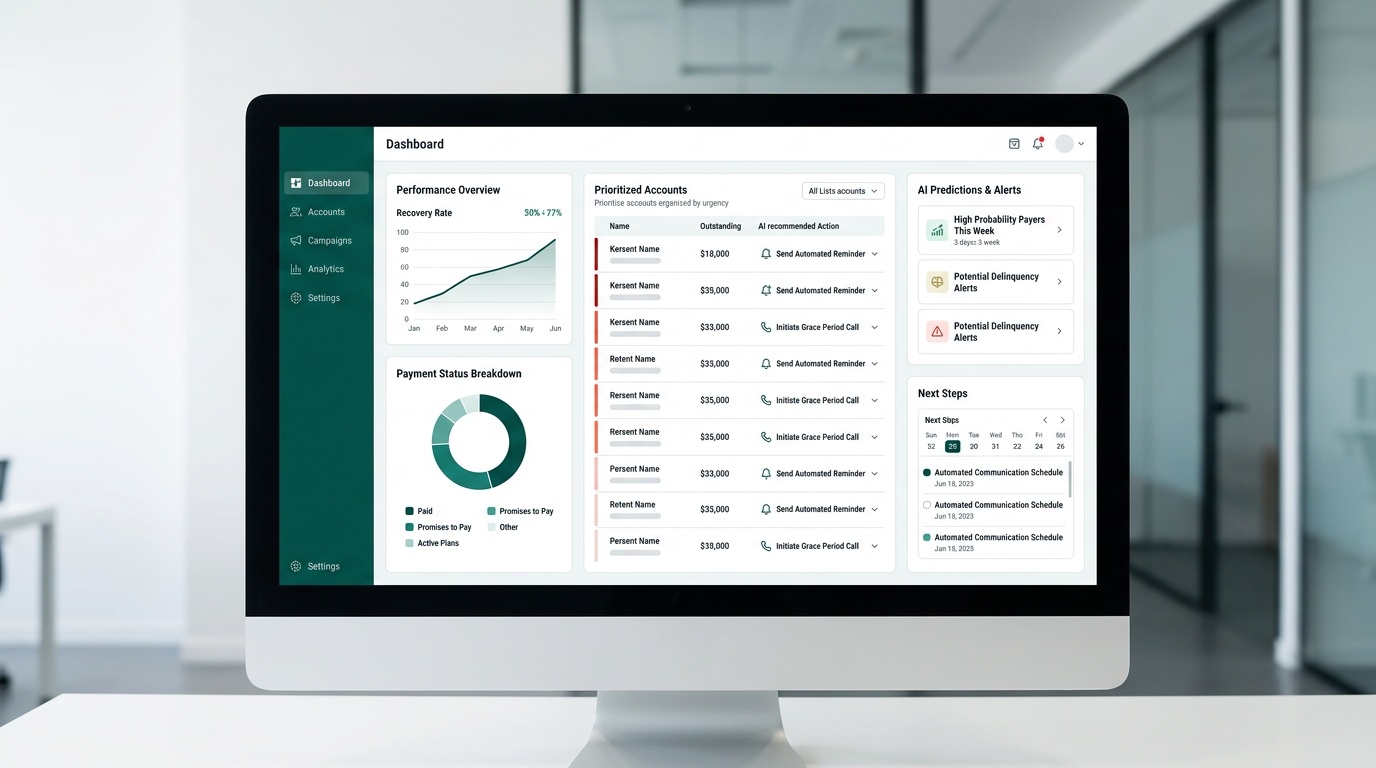
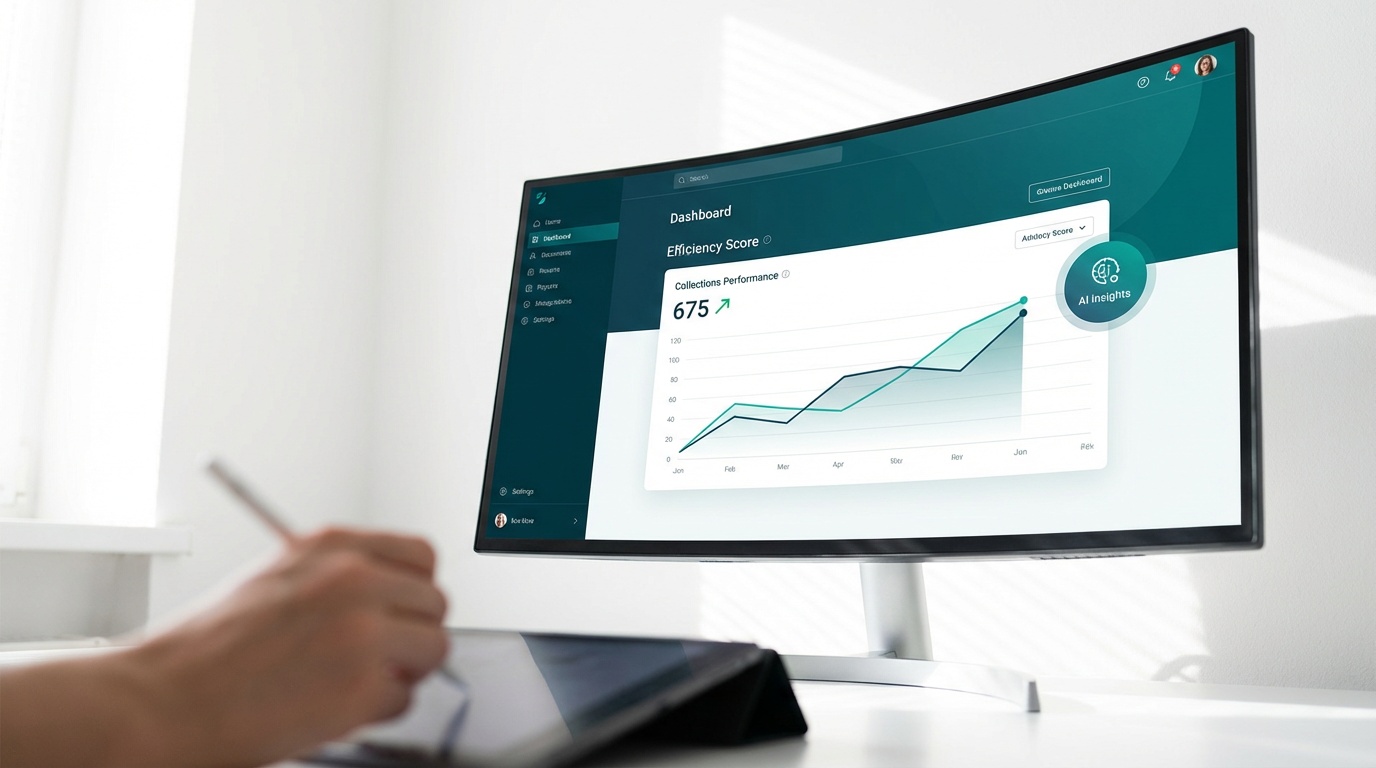
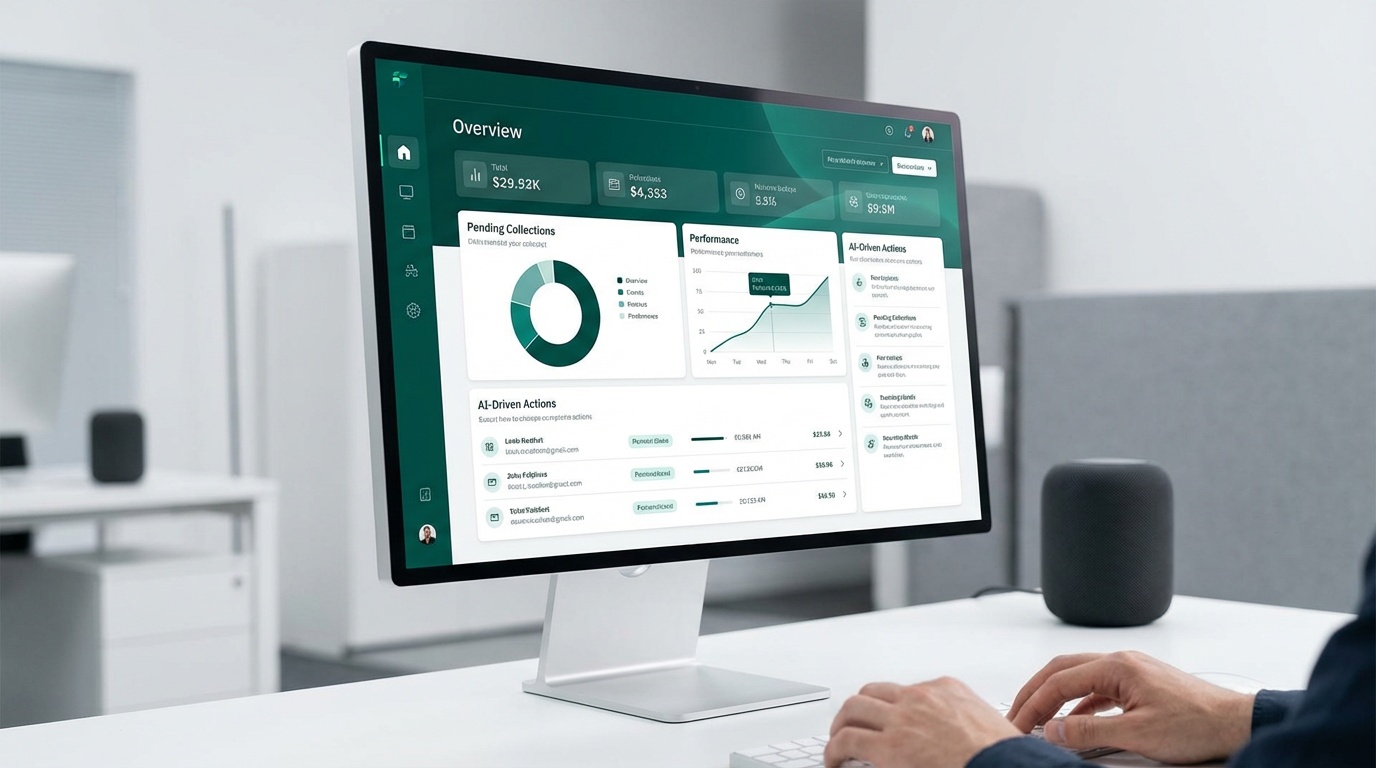
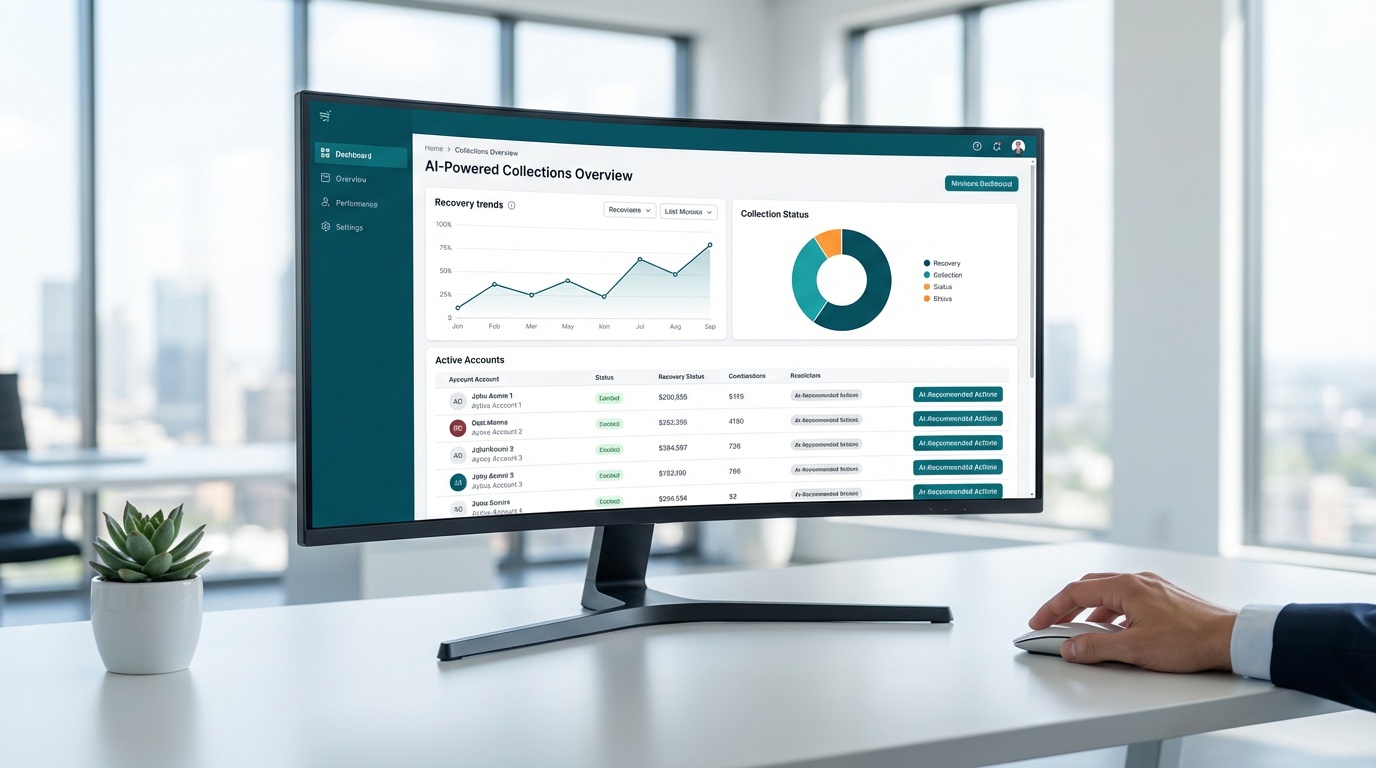
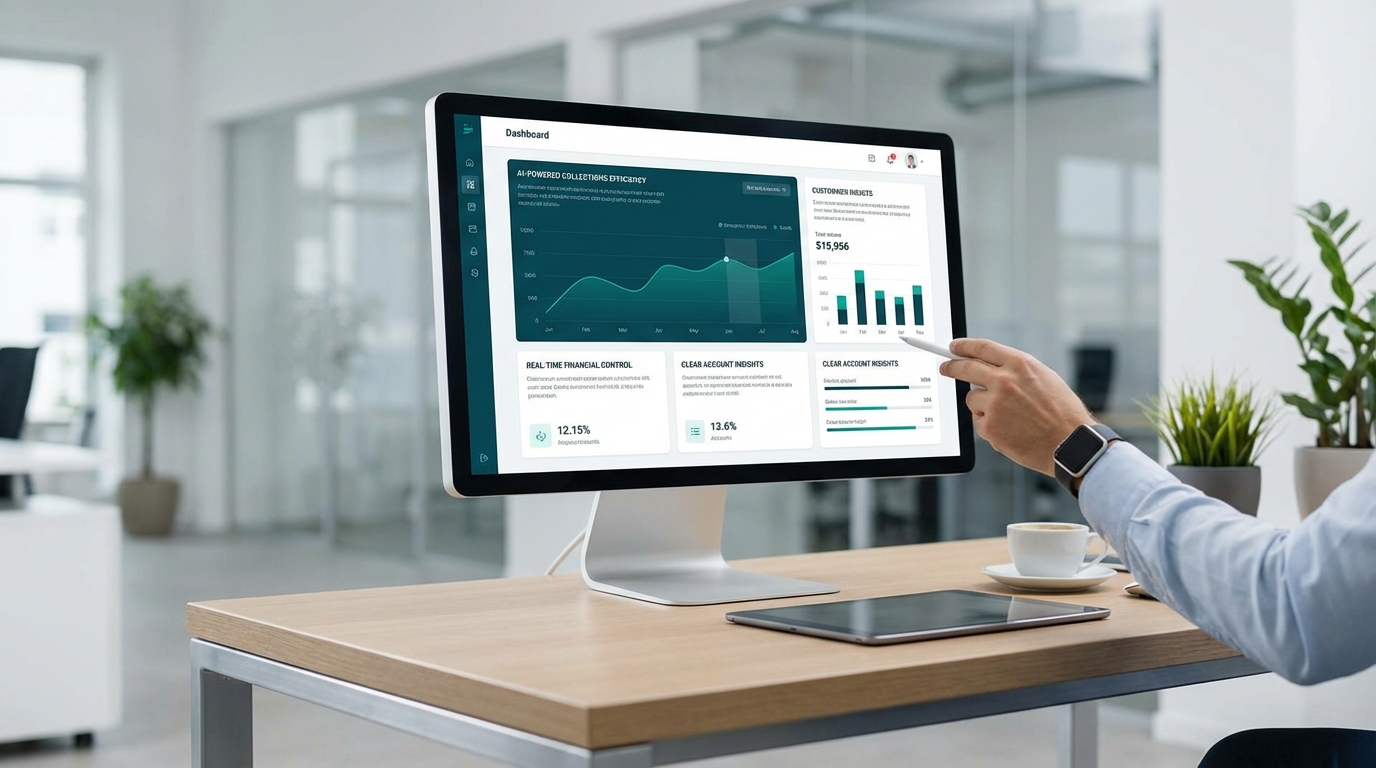
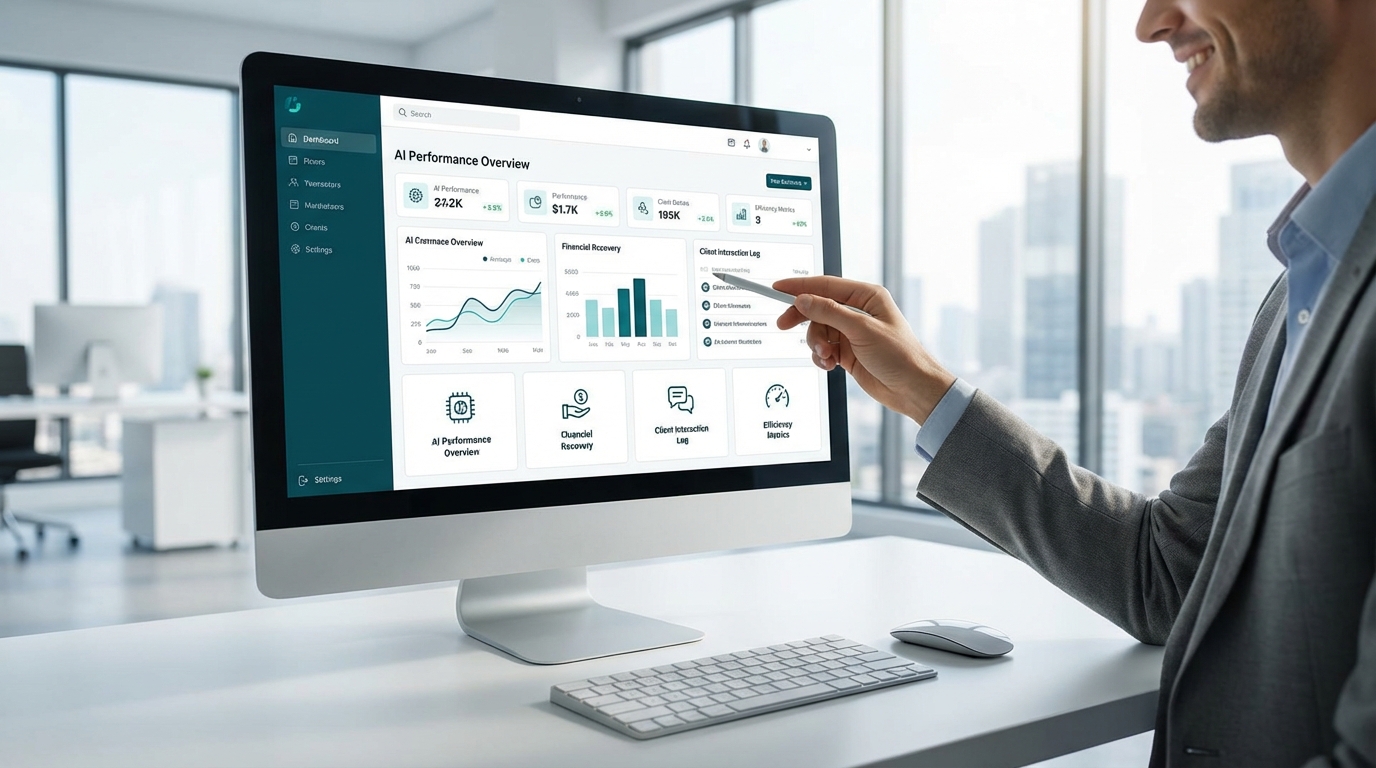
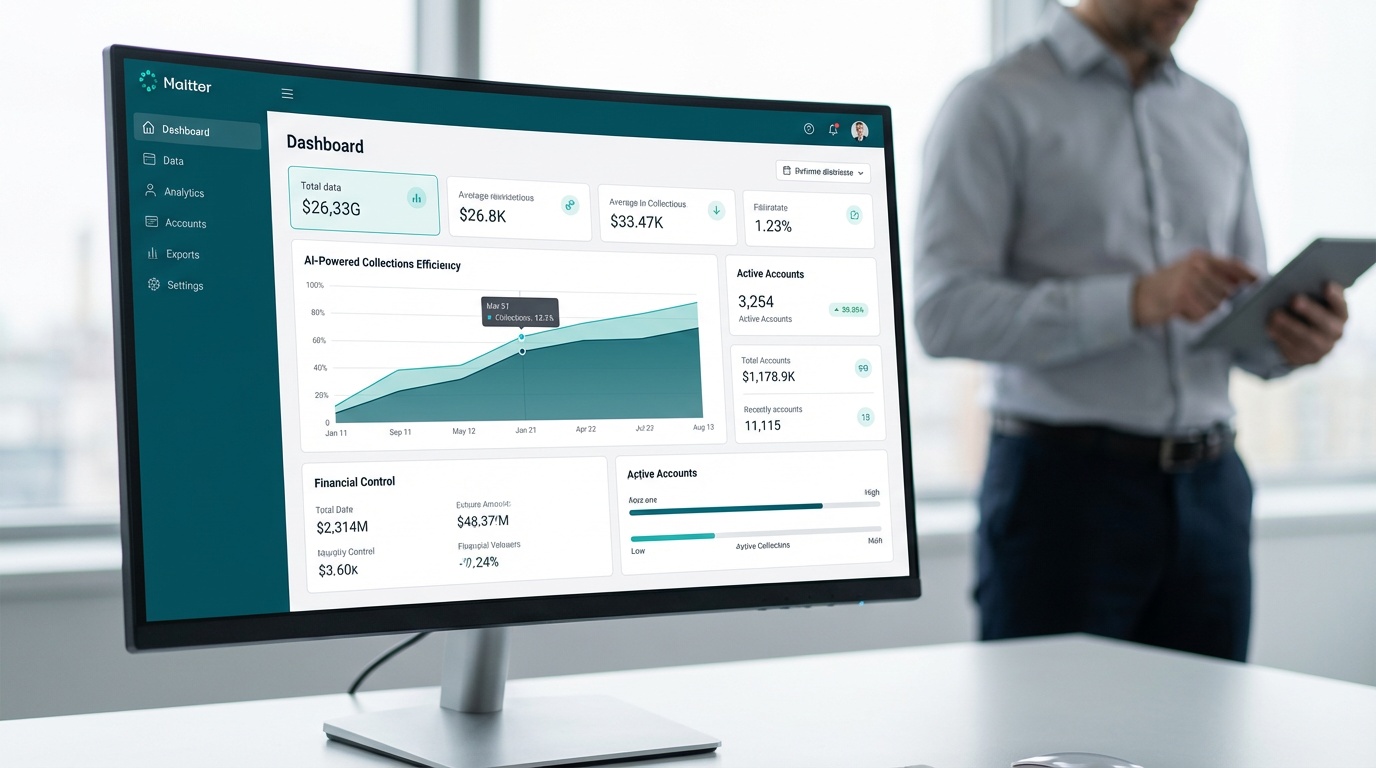
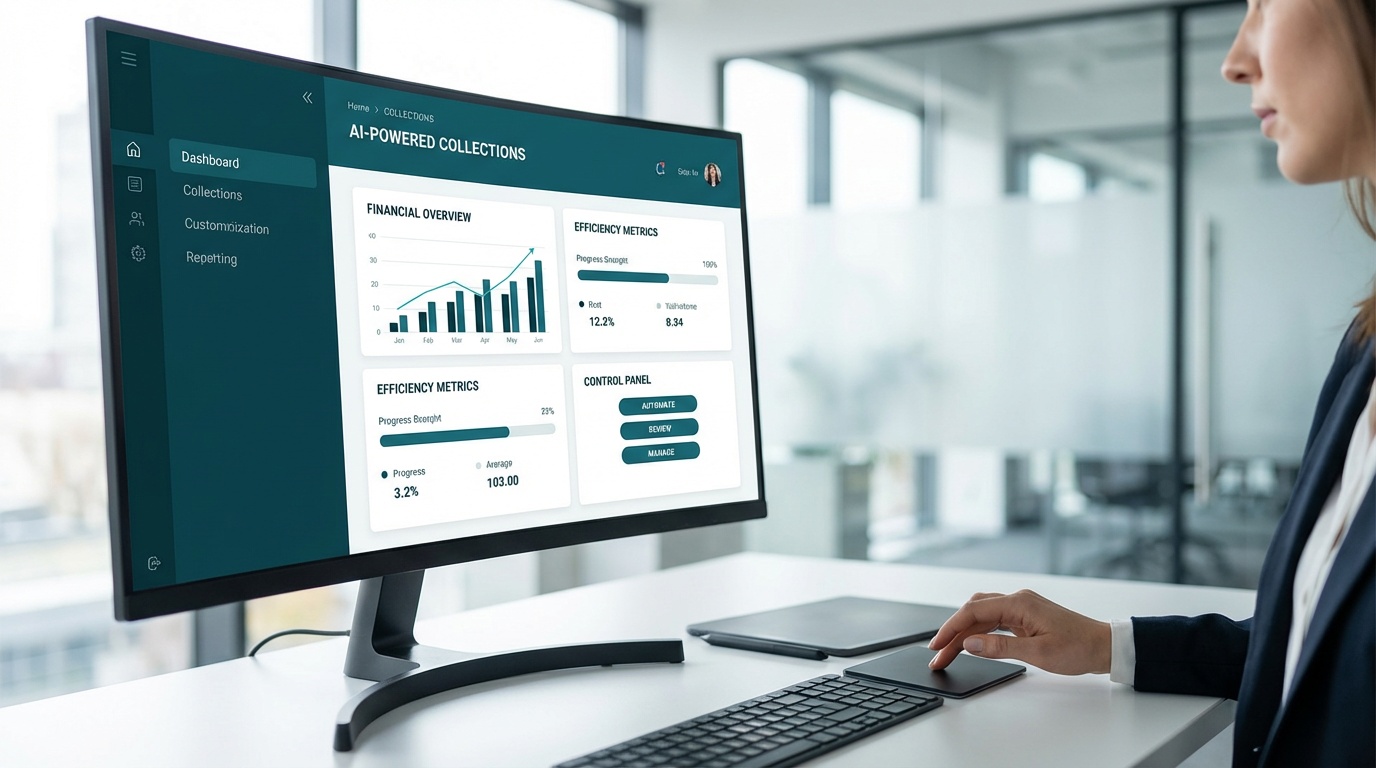
Dash also provides a real-time dashboard showing receivables status across every stage of the recovery process, so your team can prioritize follow-up where it matters most. Request a demo to see how Dash fits your receivables workflow and supports stronger payment consistency over time.
The Federal Trade Commission outlines specific rules about credit score disclosure and adverse action reporting in its guidance. Understanding these requirements helps businesses stay compliant when using credit reports to inform decisions about customers or partners.
Frequently Asked Questions
What is company credit history?
Company credit history is a detailed financial record showing how your business manages its payment obligations over time. It's compiled by major bureaus like Dun & Bradstreet, Equifax Business, and Experian Business, and includes payment history, public records, and credit utilization. This record helps lenders, suppliers, and insurers assess your business's reliability before extending terms or financing.
How can I check my business credit history?
You can check your company credit history for free through each of the major bureaus. Dun & Bradstreet offers limited free monitoring via D&B CreditSignal after claiming your D-U-N-S Number. Equifax Business and Experian Business also provide access options on their respective portals to review your business's financial track record.
Do LLCs have their own credit reports?
Yes, businesses, including LLCs, have their own distinct credit reports and scores, separate from the owner's personal credit. This business credit profile tracks the company's financial behavior and payment reliability. Lenders and suppliers use it to evaluate the business's ability to meet its financial commitments.
How can a business build a strong credit history?
Building a strong company credit history starts with consistently making on-time payments to vendors and lenders. Effectively managing your receivables is also key, as faster collections ensure you have the cash flow to meet your own obligations promptly. Dash helps teams recover overdue accounts faster using AI-powered outreach and self-service tools, which supports consistent on-time payments and a stronger credit profile.
Is my EIN linked to my company's credit score?
Yes, your Employer Identification Number (EIN) is the primary identifier used to track and link financial information to your company's credit profile. Just as a Social Security Number identifies an individual's personal credit, your EIN identifies your business for credit reporting purposes. This number is essential for bureaus to compile your company's payment history and generate its credit score.