.png)
HIPAA compliant collections vs general software
Using the wrong software to recover healthcare receivables is not a billing inconvenience--it's a federal liability. The distinction in HIPAA compliant collections vs general software comes down to one question: does your platform protect protected health information (PHI) at every touchpoint in the collections workflow? General software often does not. The consequences range from OCR investigations to penalties reaching $1.9 million per violation category annually.
Healthcare and dental providers face a collections challenge that no generic accounts receivable tool is built to solve. Patient account data, appointment history, and balance details become PHI the moment they appear in an outreach email, text, or payment reminder. Without encryption, audit trails, and a signed Business Associate Agreement (BAA), that outreach can become a reportable incident--and the provider bears the full weight of that exposure.
This article covers the core differences between purpose-built and general platforms, the real risks of non-compliant tools, the features that matter most, and why Dash is designed specifically for healthcare collections.
Key Takeaways
- General software often lacks BAAs, encryption standards, and audit controls required for HIPAA-compliant patient collections.
- Non-compliance can expose healthcare providers to OCR penalties, breach notification costs, and lasting reputational damage.
- Purpose-built platforms like Dash combine HIPAA, TCPA, and FDCPA guardrails with AI-driven outreach and first-party control.
Core Differences Between HIPAA Compliant Collections and General Software
General accounts receivable tools are built for invoices, not patients. They typically lack HIPAA requirements such as signed BAAs, PHI encryption in transit and at rest, role-based access controls, and auditable communication logs. When patient balance data enters an unprotected workflow, the provider retains the liability--regardless of which platform sent the message.
The gap is not minor. HIPAA-compliant collections platforms are architected from the ground up to handle PHI. That means every outreach event is logged, every data transmission is encrypted, and access to patient records is gated by role. General software may offer commercial-grade security, but commercial-grade is not the same as HIPAA-grade. The HIPAA Security Rule sets specific technical, physical, and administrative safeguards that go well beyond what most generic platforms provide.
Providers sometimes assume a workaround--exporting data into a compliant system after the fact, or restricting what information gets sent--can close the gap. It rarely does. PHI can slip through in subject lines, message previews, or payment portal URLs. A purpose-built platform eliminates that guesswork by design.
| Criteria | HIPAA Compliant Collections | General Software |
|---|---|---|
| Business Associate Agreement | Signed BAA provided | Not offered |
| PHI Encryption | End-to-end, at rest and in transit | Standard commercial encryption only |
| Audit Logs | Full communication and access trails | Basic activity logs, not HIPAA-grade |
| TCPA/FDCPA Guardrails | Built-in consent and timing controls | Not included |
| Patient Payment Plans | Configurable, compliant scheduling | Generic installment options |
Risks of Using General Software for Healthcare Collections
A single unencrypted payment reminder containing a patient name and balance can qualify as a PHI breach under HIPAA. The HHS Office for Civil Rights has issued penalties exceeding $1 million against providers for exactly this type of oversight. Beyond fines, breach notification requirements consume staff time, create audit exposure, and can erode the patient trust that practices spend years building.
Non-compliant tools can also accelerate the wrong outcomes operationally. When internal recovery stalls due to weak outreach controls or missing consent records, providers often resort to earlier third-party agency handoffs--paying commissions on balances they could have recovered themselves. That's a compounding loss: the commission, the lost margin, and the surrender of control over how patients are contacted.
There's also a regulatory cascade to consider. HIPAA non-compliance doesn't exist in isolation. Many of the same outreach events that create PHI exposure also implicate TCPA consent requirements and FDCPA communication rules. A platform without built-in guardrails across all three frameworks can trigger multiple simultaneous violations from a single poorly configured campaign. Learn how Dash's compliant automation keeps all three frameworks in check throughout the collections workflow.
Key Features of HIPAA Compliant Collections Software
What to require from any compliant collections platform: a signed BAA before onboarding, PHI-grade encryption, real-time audit logs, TCPA consent management, and configurable patient payment plans.
A signed Business Associate Agreement is the baseline--not a differentiator. Without a BAA in place before any patient data enters the platform, the provider is already out of compliance. Beyond that, look for end-to-end encryption for all stored and transmitted PHI, role-based access controls that limit which staff members can view specific account data, and immutable audit logs that document every communication event with timestamps.
TCPA consent management is equally non-negotiable for any platform sending text messages or automated calls. Healthcare providers must document consent, honor opt-outs in real time, and respect time-of-day restrictions--all within the same workflow handling PHI. AI-driven outreach timing can reduce contact violations by calibrating when and how often patients are reached, improving recovery rates without adding compliance risk. See how compliant automation works while keeping the tone patient-centered throughout.
Configurable payment plans round out the picture. Patients who can't pay in full are far more likely to resolve balances when they're offered a realistic schedule. A compliant platform needs to support flexible installment options without routing payment data through unsecured channels. The HIPAA Privacy Rule sets clear boundaries on how patient financial information can be used and disclosed--payment portals must meet those standards end to end.
Why Dash Delivers Superior HIPAA Compliant Collections
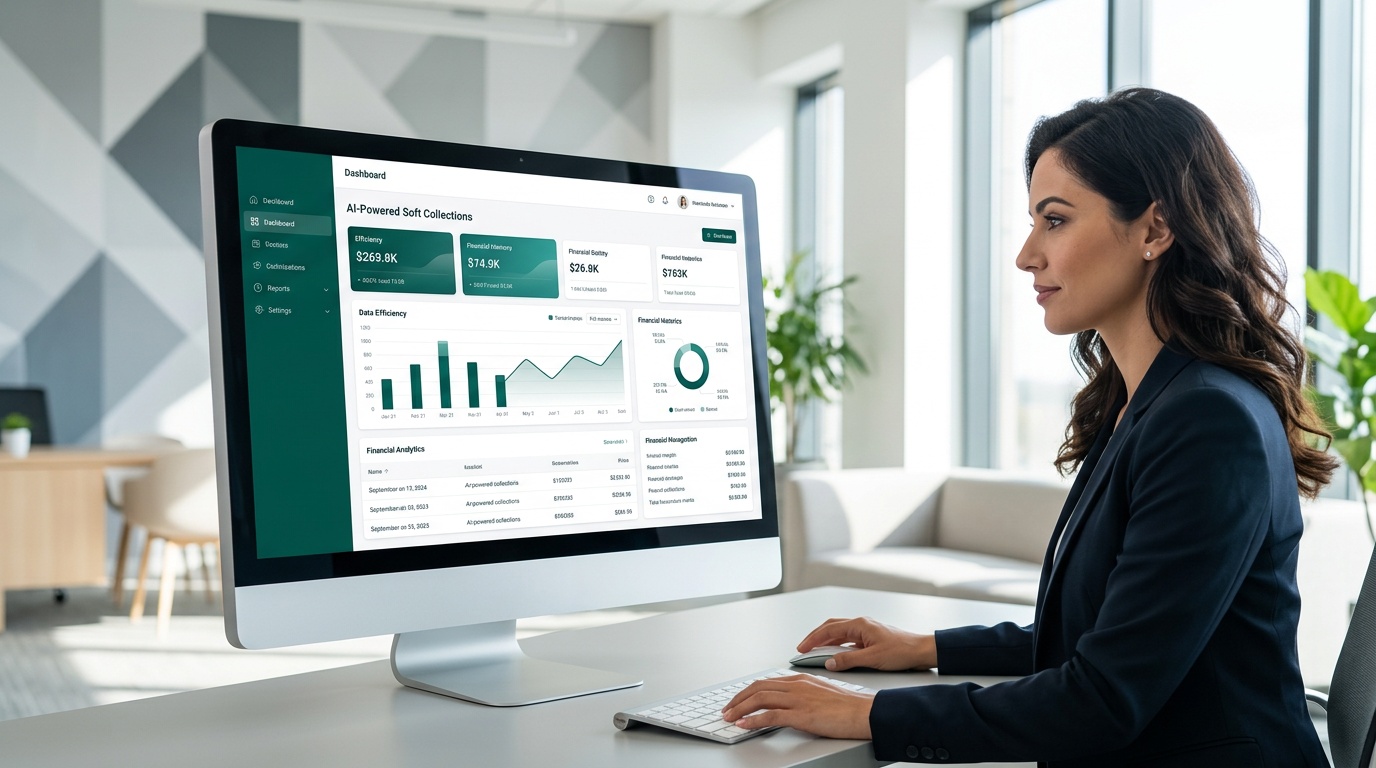
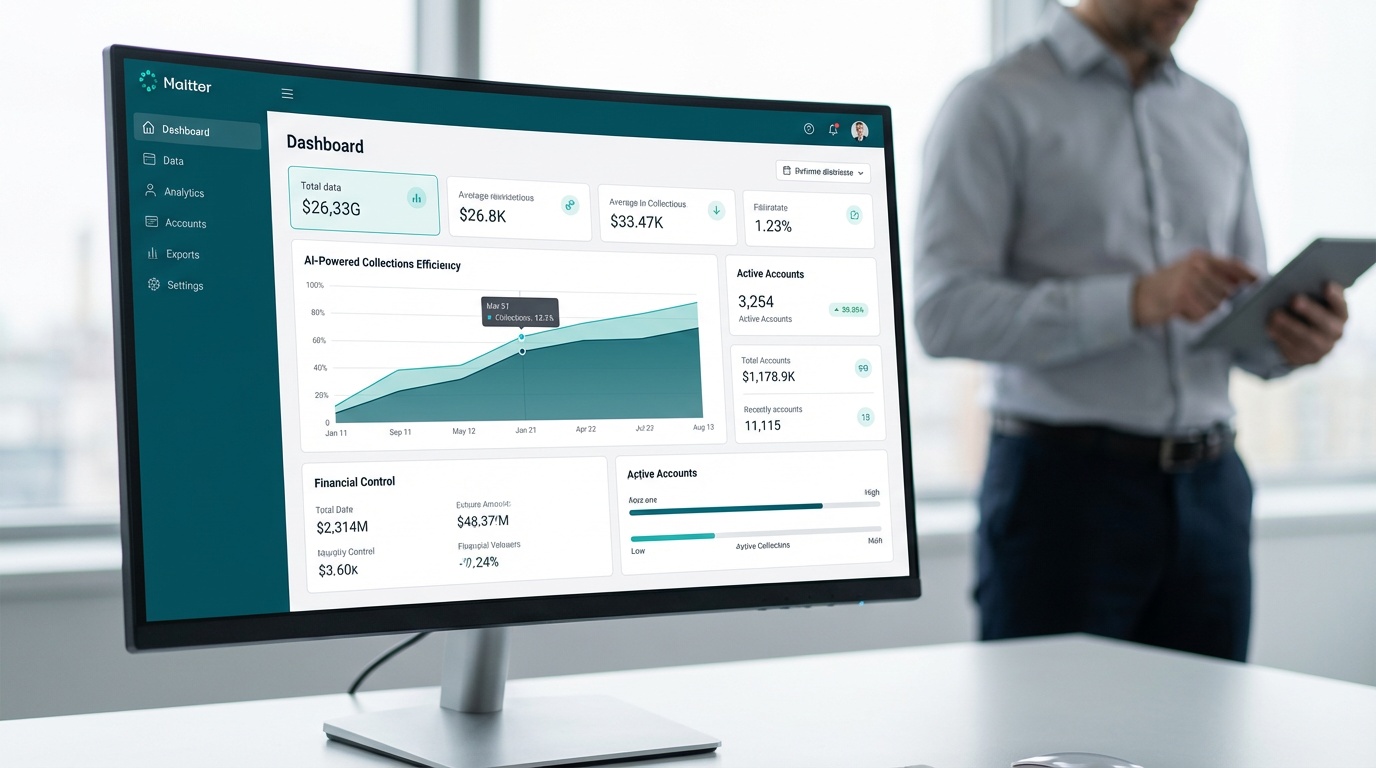
Dash is SOC 2 Type 2 certified and built for first-party collections, so healthcare and dental providers retain full control without third-party handoffs. Every patient communication runs through HIPAA, TCPA, and FDCPA guardrails, and real-time dashboards with immutable audit logs give compliance teams the visibility they need--without manual effort. Watch the Dash Account Receivables Management overview to see these features working together.
Pricing is built for clarity, not commissions. Dash operates on a fixed monthly platform fee with unlimited accounts, texts, and emails--so recovering a larger balance doesn't cost you more. Teams report results within the first week of onboarding, and the platform is backed by 40+ years of industry expertise. For healthcare organizations carrying overdue receivables, that combination of speed, control, and compliance is hard to replicate with a generic tool.
The choice between HIPAA compliant collections vs general software is a risk management decision with federal consequences. Providers that move collections into a purpose-built workflow reduce breach exposure, cut agency dependence, and protect patient trust--all at once. General software wasn't designed for PHI, and workarounds rarely close the gap. Purpose-built platforms like Dash address this by design, not by exception.
Sign up for Dash to start first-party, compliant receivables recovery with fixed costs and a patient-centered experience.
Frequently Asked Questions
Is collection a HIPAA violation?
Collections themselves are not a HIPAA violation, but the methods used can be. Any unencrypted communication containing protected health information, like a patient's name and balance, can constitute a PHI breach. Using general software that lacks HIPAA safeguards exposes healthcare providers to federal liability and significant penalties.
Does software have to be HIPAA compliant?
Yes, any software handling protected health information (PHI) in healthcare collections must be HIPAA compliant. General accounts receivable tools often lack essential features like signed Business Associate Agreements, PHI encryption, and auditable communication logs. Without these, using such software for patient collections creates a federal liability for providers.
What is the 7 7 7 rule in collections?
The article focuses on the critical need for HIPAA compliant collections software and practices to protect patient data. It does not specifically detail a '7 7 7 rule' in collections. Our primary concern is ensuring all outreach and data handling adheres to federal privacy and security regulations.
What are the three rules of HIPAA compliance?
While HIPAA is comprehensive, its core components include the Privacy Rule, which sets standards for the use and disclosure of protected health information, and the Security Rule, which outlines safeguards for electronic PHI. Additionally, the Breach Notification Rule requires covered entities to notify individuals and authorities following a breach of unsecured PHI. Adhering to these rules is essential for protecting patient data.
Do debt collectors have to follow HIPAA?
Yes, any entity that handles protected health information (PHI), including debt collectors acting as Business Associates, must comply with HIPAA. If patient balance data enters an unprotected workflow, the healthcare provider retains the liability for any breaches. This makes a signed Business Associate Agreement and compliant data handling practices non-negotiable for all parties involved in collections.