.png)
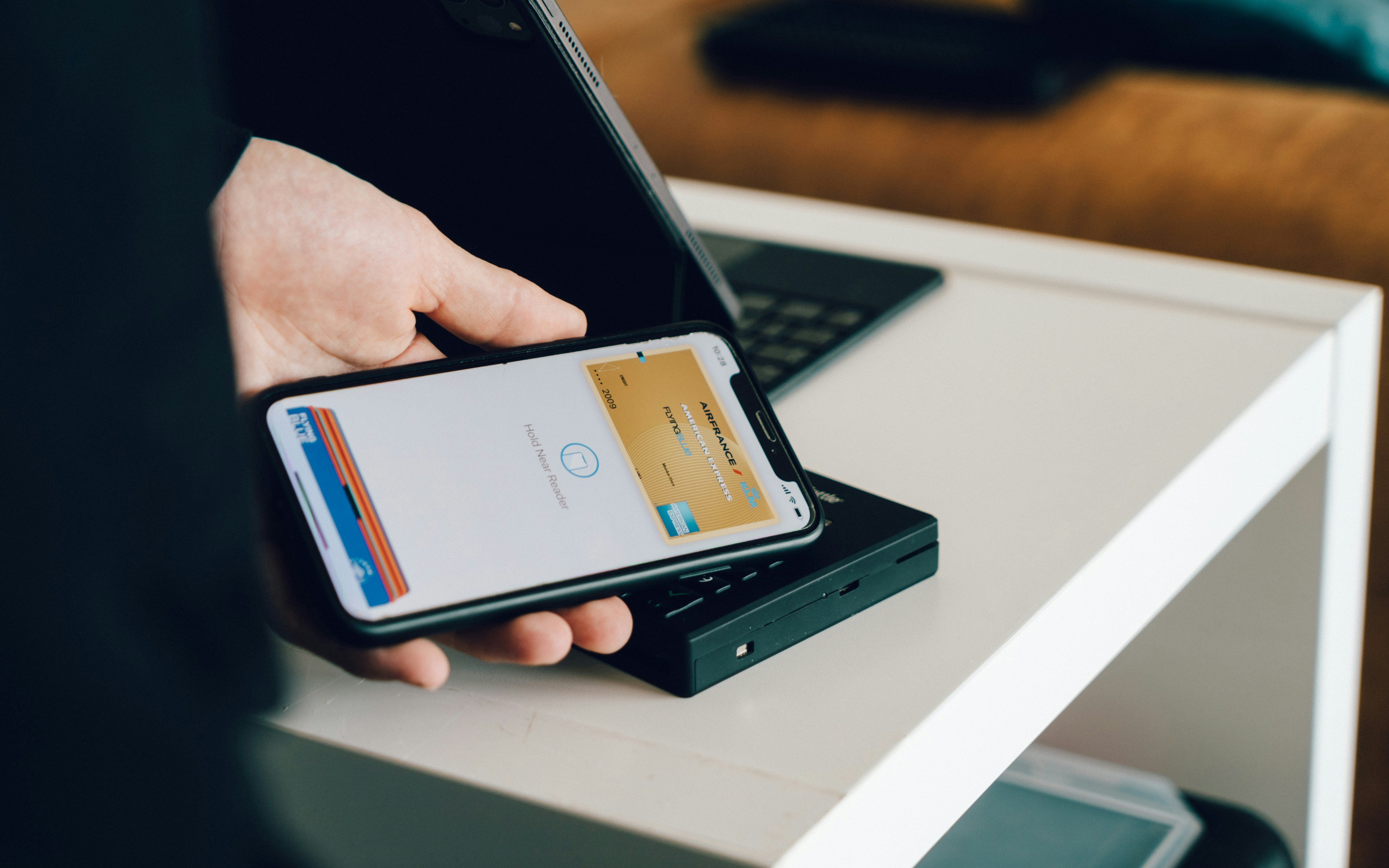
For years, “get paid faster” in collections meant sending one more reminder. The payment itself still crawled through the same slow rails: a paper check in the mail, a card payment that settled in a couple of days, an ACH transfer that cleared whenever the batch ran. In 2026, that’s changing. Instant payment networks have quietly reached real scale, and they’re about to reshape how overdue balances move from “promised” to “in your account.”
If your team manages accounts receivable in-house, this shift is worth understanding now — because the gap between when a customer intends to pay and when the money actually lands is where a lot of recovery quietly leaks away.
What “instant payments” actually means
Instant payments move money between bank accounts in seconds, any time of day, with the funds available immediately and the transfer final. That’s different from same-day ACH (faster than standard ACH, but still batched and reversible) and from card payments (fast to authorize, but settled and funded later, minus interchange fees).
Two networks are driving the change in the U.S.:
- The RTP network, run by The Clearing House, launched in 2017 and crossed 1 billion transactions in early 2025 — doubling its volume in just 18 months (PYMNTS). In the second quarter of 2025 alone it processed roughly $481 billion in value (The Clearing House).
- FedNow, the Federal Reserve’s instant-payment service, launched in mid-2023 and has since been adopted by roughly 1,800 banks and credit unions, including seven of the ten largest U.S. banks (The Financial Brand).
The takeaway isn’t the plumbing. It’s that instant payment rails now reach a large and growing share of American bank accounts — which means the option to settle an overdue balance instantly is becoming realistic for a real portion of your customers.
Why this matters for overdue accounts
Every day a balance sits unpaid is money you’ve already earned but can’t use. Instant payments compress the final, often-overlooked leg of recovery: the settlement itself.
Consider what usually happens after a customer agrees to pay. They say “yes,” then the payment travels through rails that can take one to three business days to fund — and during that window, a surprising number of payments stall, bounce, or get reversed. Faster settlement narrows that window. The money is final in seconds, which reduces the “I meant to pay” drift and the reversal risk that plague slower methods.
Businesses that have adopted faster payments report the downstream effect on cash flow directly: the Faster Payments Council found that 67% of business end-users now consider instant payments a “must-have,” and firms using faster payment options widely cite healthier working capital (Forbes). For a collections team measured on Days Sales Outstanding, shaving days off the settlement step is a lever that has nothing to do with sending more messages.
There’s a cost angle, too. Instant payments pull funds directly from a bank account, which sidesteps card interchange fees on the balances that clear that way. On large or partial recovery payments, that difference adds up.
Your customers already expect it
The demand side is moving even faster than the infrastructure. In recent consumer research, 82% of consumers said they want the ability to pay bills and have them post to their account in real time, and about 3 in 10 have already paid a bill through a same-day or real-time channel in the past year (Digital Transactions).
The generational split matters for anyone forecasting the next few years: Gen Z and Millennials are adopting real-time bill payment channels fastest, with Gen Z leading the pack. As those customers make up more of your aging report, “mail us a check” becomes less an inconvenience and more a reason they disengage entirely.
This is the same lesson in-house teams already learned with text-to-pay and self-service portals: the payment experience — not just the reminder — decides whether you actually get paid. Instant settlement is the next step in that same story.
What instant payments won’t fix
It’s worth being clear-eyed. Faster rails are a settlement upgrade, not a recovery strategy. Instant payments don’t:
- Find or engage the customer. Someone still has to reach the right person, at the right time, on the channel they respond to. Settlement speed does nothing if the account never opens the message.
- Replace compliance. The same rules that govern collections outreach still apply. Consent, opt-outs, timing windows, and the disclosures required under the FDCPA and Regulation F don’t relax because the payment moves faster.
- Undo friction elsewhere. If a customer has to hunt for their account number, create a login, or wade through five screens to pay, a faster rail at the end won’t rescue an abandoned payment. Instant payments reward workflows that are already simple.
In other words, instant settlement multiplies the value of good outreach and a frictionless payment flow. It doesn’t substitute for them.
How in-house teams can get ahead of the shift
You don’t need to rebuild your operation to benefit. A few practical moves position you for the transition:
Audit your current payment options. Know exactly how a customer can pay you today, how long each method takes to fund, and where people drop off. That baseline tells you where instant payments would help most.
Prioritize the payment experience now. The teams that gain the most from faster rails are the ones whose payment flow is already frictionless — mobile-friendly, no login required, a balance a customer can settle in a few taps. Fix that first; the rails are the easy part.
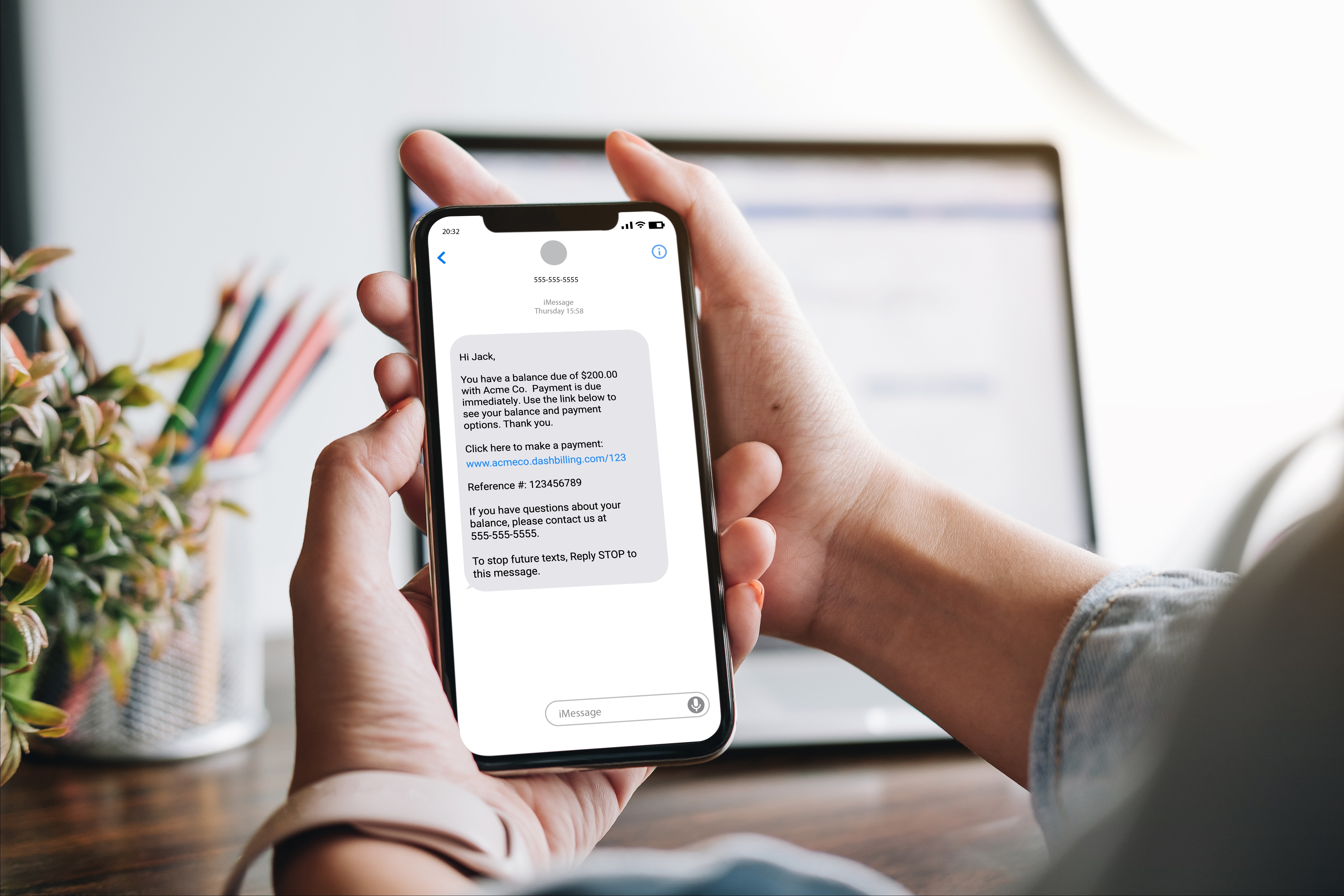
Meet customers on digital channels. Instant payment adoption skews toward the same customers who prefer text and self-service. Reaching them by SMS and email, with a direct link to pay, lines up naturally with how they want to settle.
Keep compliance built in. As you add faster payment methods, make sure consent, opt-out handling, and record-keeping travel with them. Speed should never come at the expense of a defensible process.
The bottom line
Instant payments won’t collect a debt for you — but they remove one of the last slow, leaky steps between a customer’s decision to pay and cash in your account. With RTP past a billion transactions and FedNow reaching most of the country’s largest banks, real-time settlement is shifting from novelty to expectation, and the customers most likely to use it are the ones filling your aging report.
The teams that win won’t be the ones with the fastest rails alone. They’ll be the ones who pair modern outreach and a frictionless, compliant payment experience with settlement that keeps up.
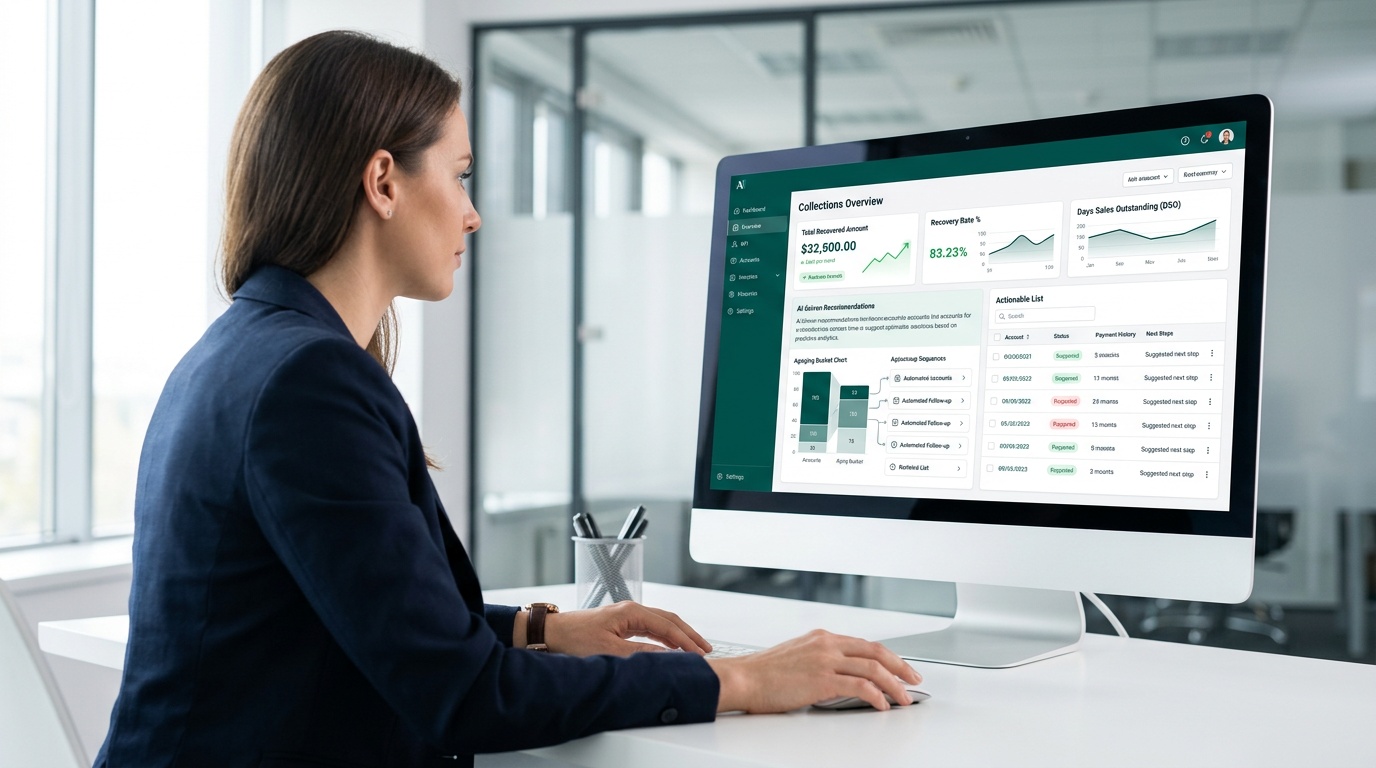
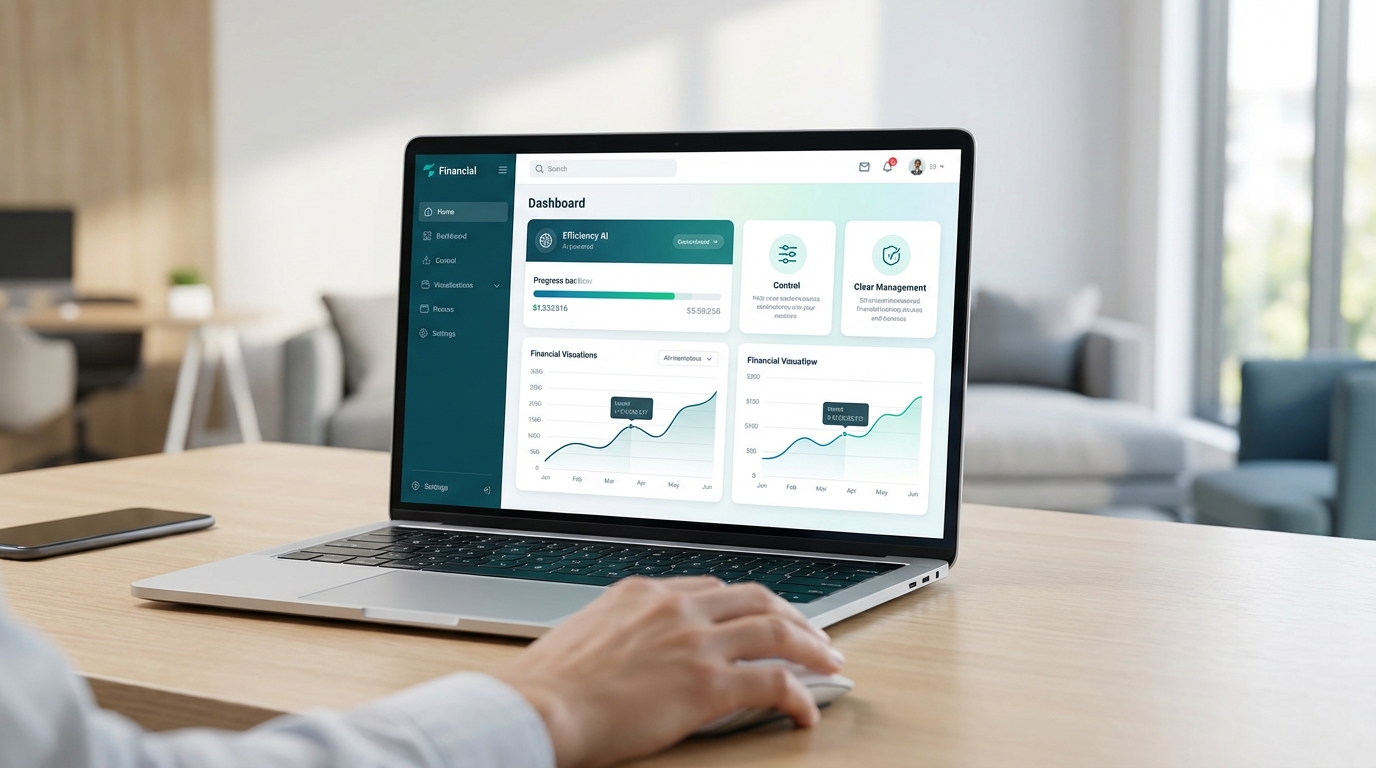
That’s exactly what Dash is built for. Dash helps in-house teams recover overdue accounts faster with AI-powered outreach, self-service payments, and full visibility from first reminder to final dollar — so when a customer is ready to pay, nothing stands in the way. See Dash in action and get overdue accounts paid faster in 2026.


















.jpg)







.jpg)