.png)
Regulation F Texting & Email Compliance in 2026: A Guide for In-House Teams
Digital outreach has quietly become the backbone of modern receivables recovery. Consumers ignore voicemails, screen unknown calls, and let paper statements pile up — but they read their texts. That shift is exactly why Regulation F, the Consumer Financial Protection Bureau's rule implementing the Fair Debt Collection Practices Act (FDCPA), spends so much time on email, text messages, and other electronic channels.
If your team recovers overdue balances in-house, it's tempting to assume these rules are somebody else's problem. They're increasingly not. Below is a practical walkthrough of what Regulation F actually requires for texting and emailing customers, and why 2026 is the year to get your process tight.
What Regulation F is (and who it covers)
Regulation F took full effect in November 2021 and lives in 12 CFR Part 1006. It modernized the FDCPA for the digital age, adding explicit permission to contact consumers by email and text, capping how often you can call, and standardizing the validation notice that explains a debt.
The important nuance for in-house teams: the FDCPA and Regulation F are written for third-party debt collectors. A business collecting its own debts, in its own name, generally falls outside the strict letter of the federal rule. But treating that as a free pass is a mistake for two reasons. First, many state debt-collection statutes apply the same standards to original creditors — and, as we'll see, states are enforcing them more aggressively. Second, the Regulation F playbook is simply the clearest, most defensible standard of care available. Following it protects your brand whether or not a court would say you're technically bound by it.
The core rules for digital outreach
Consent and a reasonable basis to send. Under Regulation F, a collector can email or text a consumer when it has a reasonable expectation the consumer will receive messages at that address or number — for example, because the consumer provided it, previously used it to communicate about the account, or opted in. The CFPB's debt collection rule FAQs describe procedures for confirming that channel is still valid before you rely on it. In practice: don't text a number just because it's in the file. Confirm it belongs to the customer and that they expect to hear from you there.
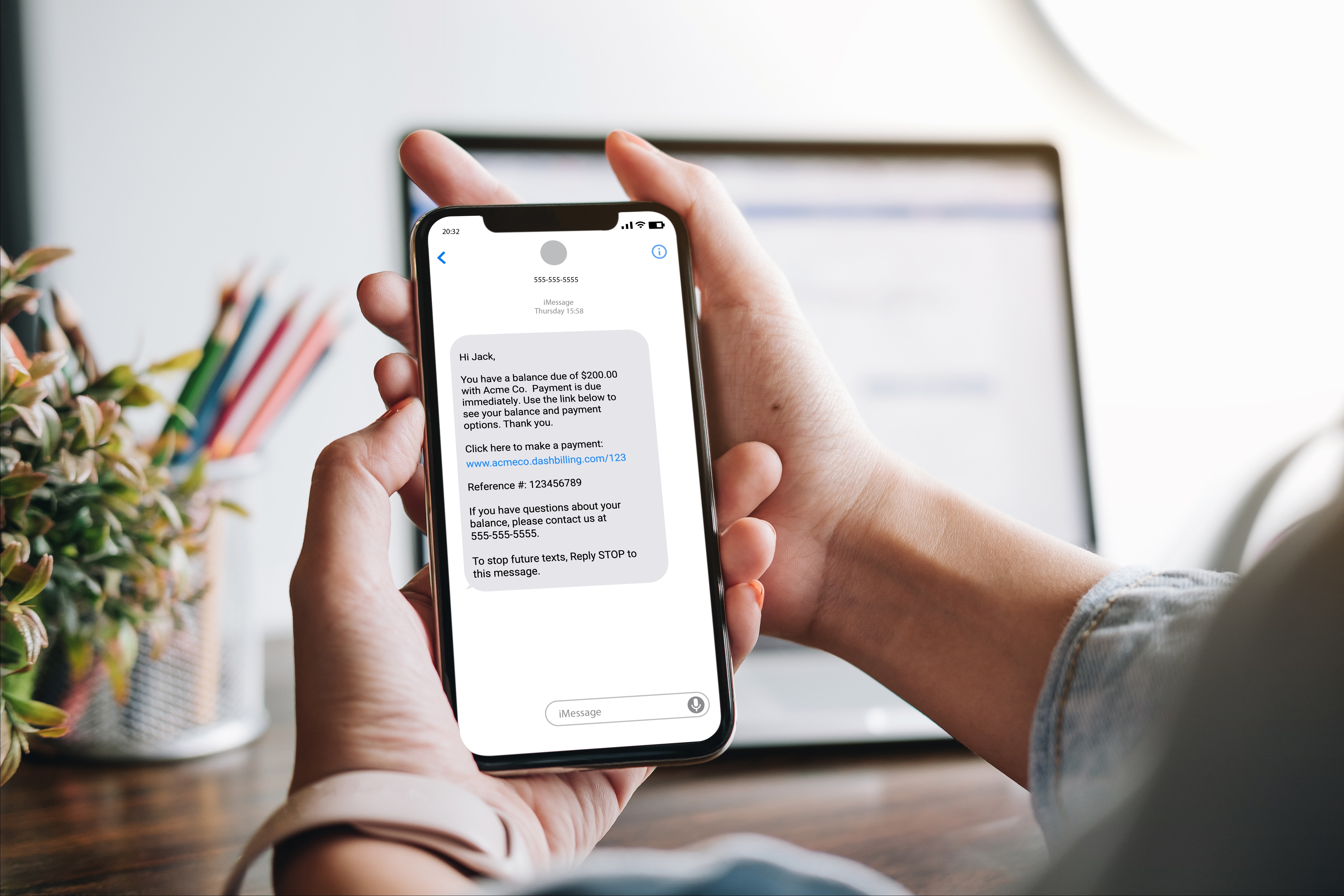
A clear, easy opt-out on every message. Each electronic communication must give the consumer a reasonable and simple way to stop messages through that channel. For email that might be an unsubscribe link; for text, a "reply STOP" instruction. Once someone opts out of a channel, you have to honor it and stop using it for that account.
Content and identification. Messages still have to identify who's contacting the consumer and, where required, include FDCPA disclosures such as the "mini-Miranda." A helpful concept here is the limited-content message — a voicemail (and, by extension, a carefully scoped message) that includes only permitted information like a business name that doesn't reveal it's about a debt, a contact name, and a callback number, without disclosing the debt itself to anyone who might overhear or see it.
Call-frequency caps. Regulation F's best-known provision is the "7-in-7" rule: a collector is presumed to violate the law if it calls a consumer about a particular debt more than seven times within seven consecutive days, or within seven days after having a phone conversation about that debt. The limit applies per debt, and — per guidance summarized by industry counsel — a limited-content voicemail counts as a call for this purpose. Texts and emails aren't "calls," but harassment standards still apply, so volume and timing matter on every channel.
Time and place. The FDCPA's convenient-hours window — generally 8:00 a.m. to 9:00 p.m. in the consumer's local time — is the baseline for outreach. Some states now go further. In 2025, Oregon enacted HB 3865, treating certain text messages as solicitations, tightening quiet hours to 8:00 p.m.–8:00 a.m., and limiting contact frequency; it took effect January 1, 2026.
Record retention. Regulation F requires collectors to retain evidence of compliance from the start of collection activity until three years after the last activity on the debt. If you can't reconstruct what you sent, when, and with what consent, you can't defend it.
Why 2026 raises the stakes
The federal enforcement picture has shifted. The CFPB has significantly scaled back supervision and enforcement amid staffing cuts and a narrowed focus. But the obligations didn't disappear — the referees changed. State attorneys general have stepped into the gap, using state statutes to pursue collection practices, including some that the FDCPA's creditor exemption would have shielded from federal liability. Coordinated multistate actions and new state laws mean an original creditor's practical compliance burden has arguably expanded, not relaxed.
For an in-house team, the takeaway is simple: "the CFPB is quiet" is not a compliance strategy. A missed opt-out or an ill-timed text can still generate a complaint, a state inquiry, or reputational damage — and those risks scale with message volume.
A practical checklist for compliant digital collections
You don't need a legal department to operate cleanly. You need consistent, documented process:
- Capture and store consent for each phone number and email, and confirm the channel is still valid before you use it.
- Put a clear opt-out in every message and suppress that channel instantly when a consumer opts out.
- Respect convenient-hours windows using the consumer's local time — and check whether any state you operate in imposes stricter hours or frequency limits.
- Track cadence per account so you never approach the 7-in-7 call presumption, and keep total digital volume reasonable.
- Log everything: message content, timestamps, consent, opt-outs, and delivery status, retained for the full FDCPA period.
- Review your templates periodically against current federal and state requirements.
How Dash helps you stay compliant by design
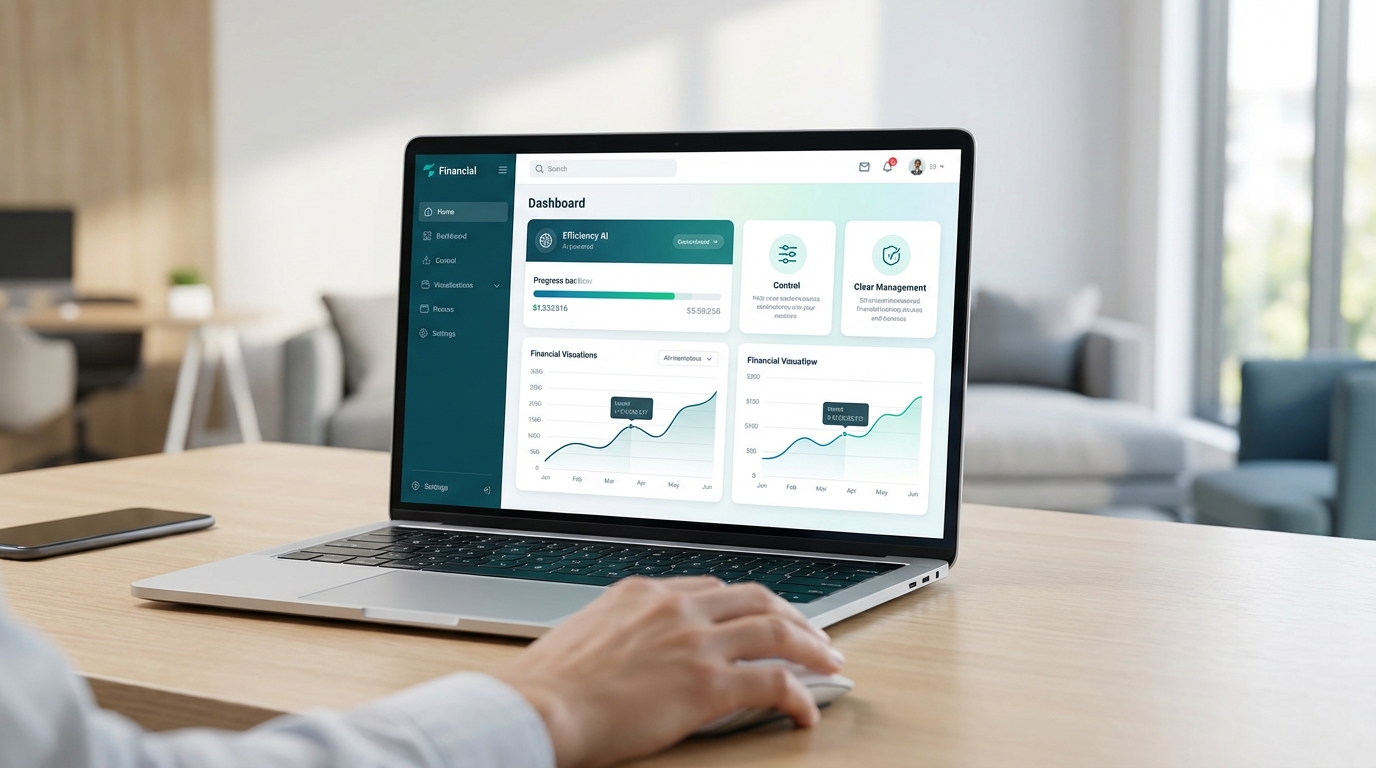
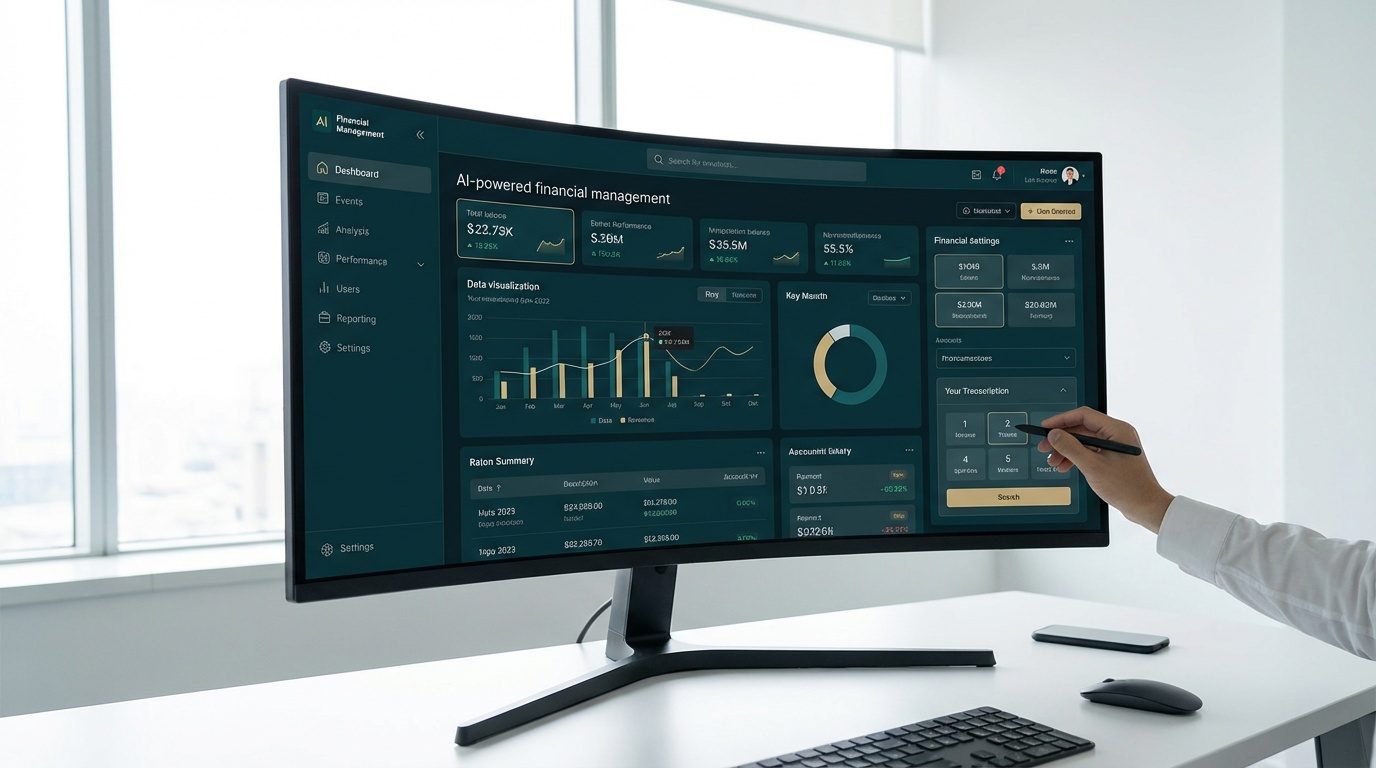
Compliance breaks down when it depends on people remembering rules in the moment. It holds up when the rules are built into the workflow. That's the idea behind Dash. Dash automates text and email outreach with consent tracking, built-in opt-out handling, and time-zone-aware sending, so your team engages customers on the channels they actually use while staying inside the guardrails. Every interaction, payment, and status change is logged in one place, giving you the audit trail record-retention rules demand — and a real-time view of recovery performance. Dash is built with TCPA and FDCPA compliance in mind and is SOC 2 Type 2 certified, so security and consumer protection aren't afterthoughts.
The result is what modern collections should feel like: faster recovery, a better customer experience, and documentation ready if anyone ever asks. See how it works with a quick demo.
This article is general information, not legal advice. Regulation F, the TCPA, and state collection laws change and vary by jurisdiction — consult qualified counsel about your specific practices.






.jpg)








.jpg)