.png)
real-time reporting
Real-Time Reporting: The Complete Guide for Receivables Recovery
Overdue invoices don't age gracefully. Every day an account sits unresolved, the probability of recovery drops -- and without live visibility into your receivables, you're making decisions based on yesterday's data. Real-time reporting changes that equation entirely, giving finance and operations teams the up-to-the-minute intelligence they need to act before accounts become unrecoverable.
For businesses managing overdue receivables in-house, the stakes are high. Cash flow pressure builds fast, compliance obligations don't pause, and customer relationships can fracture under heavy-handed follow-up. A live reporting system doesn't just show you what's happening -- it tells you where to focus, when to act, and whether your recovery efforts are working.
This guide covers what real-time reporting means in practice, why it matters specifically for receivables recovery, and how platforms like Dash put that live intelligence to work across industries ranging from healthcare and property management to trucking and solar.
Key Takeaways
- Real-time reporting replaces static, end-of-day snapshots with continuous data visibility -- so teams act on what's happening now, not what happened yesterday.
- For receivables recovery, live dashboards surface high-risk accounts automatically, improve outreach timing, and reduce the manual effort required to monitor hundreds of overdue balances.
- Built-in compliance audit logs update continuously, helping businesses document every communication and meet FDCPA and TCPA requirements without extra administrative overhead.
- Industries from healthcare to trucking see faster payment results when they pair live data with structured outreach -- Dash users commonly report measurable recovery improvements within their first week.
What Is Real-Time Reporting?
Quick Answer: Real-time reporting delivers live data on business operations the moment it is generated, replacing static snapshots with continuous visibility. For receivables management, it means knowing which accounts are overdue, which payments are in progress, and where recovery efforts stand right now.
Real-time reporting gives finance and operations teams instant access to current data without waiting for end-of-day exports or manual reconciliation. Unlike batch reporting -- which reflects a past state -- it reflects what is happening at this moment.
Think of the difference this way: batch reporting is a photograph. Real-time reporting is a live video feed. One captures a moment frozen in time; the other shows you the room as it is right now. In collections, that distinction is the difference between reacting to a problem and preventing one.
In collections management, every hour an overdue account goes unaddressed, recovery probability drops. Dash was built around this principle, equipping teams with live dashboards that surface actionable data early -- before accounts age past the point where standard outreach is effective.
Key Benefits of Real-Time Reporting for Receivables Recovery
Live data speeds up decisions at every stage of the recovery process. Teams can prioritize high-risk accounts, adjust outreach timing based on account behavior, and confirm payment activity the moment it posts -- no delays, no guesswork. Dash surfaces this intelligence automatically, so no account slips through undetected.
Speed is only part of the value. Real-time visibility also protects the customer relationship. When a team knows a payment is already processing, they don't send a follow-up reminder that erodes goodwill. That level of precision is only possible with live data.
Compliance visibility is another major benefit that's easy to underestimate. Audit logs that update continuously give teams documented proof of each communication -- when it was sent, through which channel, and what response it generated. That trail is essential for meeting requirements under FDCPA and TCPA regulations, and it's far easier to maintain when the system builds it automatically rather than leaving it to manual entry.
Real-Time Reporting in Action: Dash Platform Features
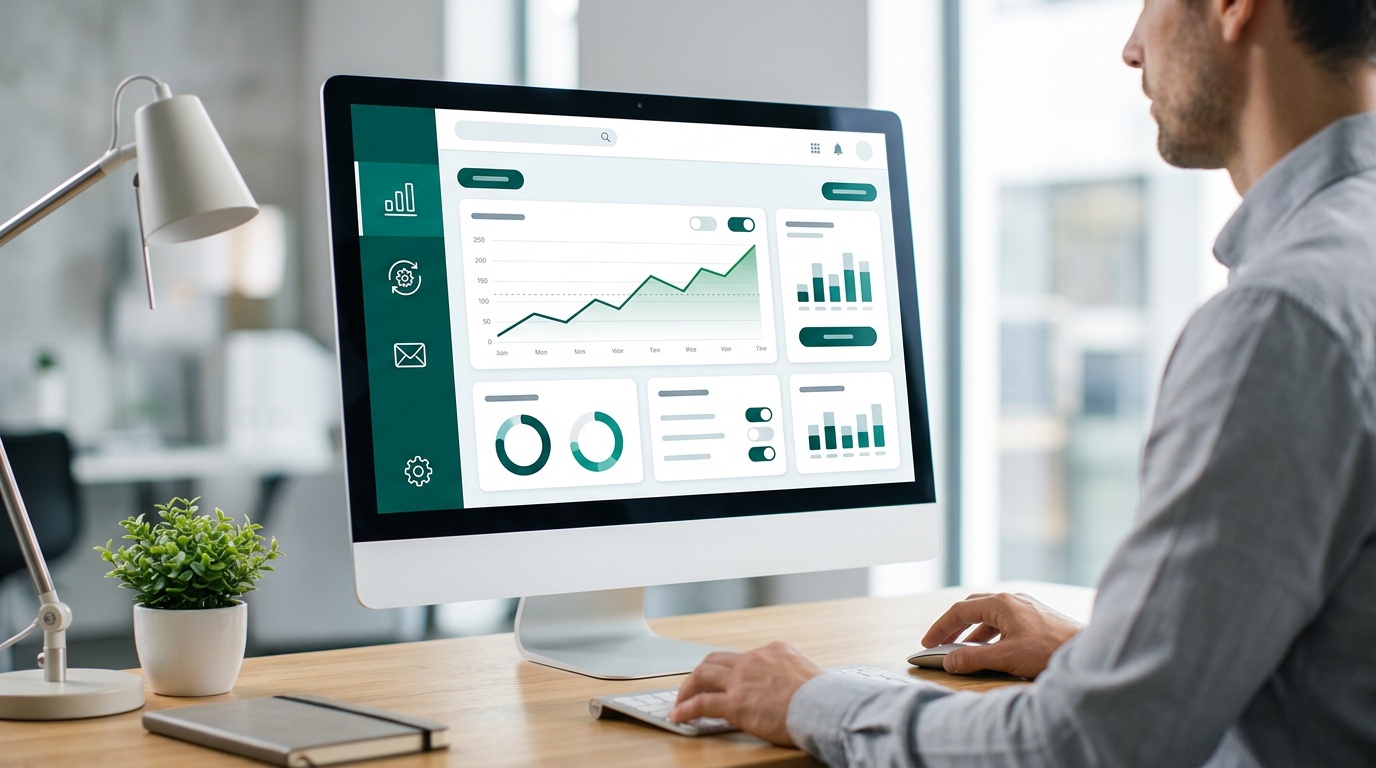
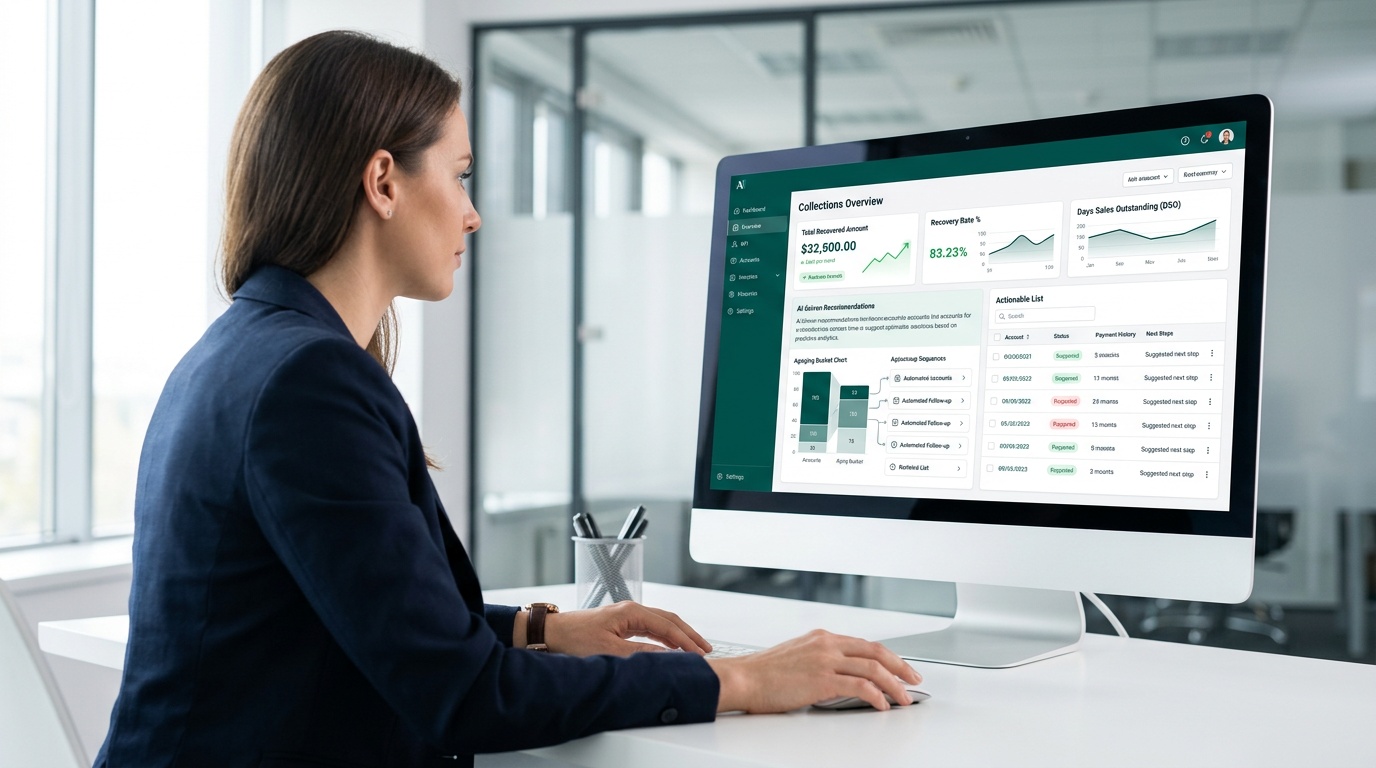
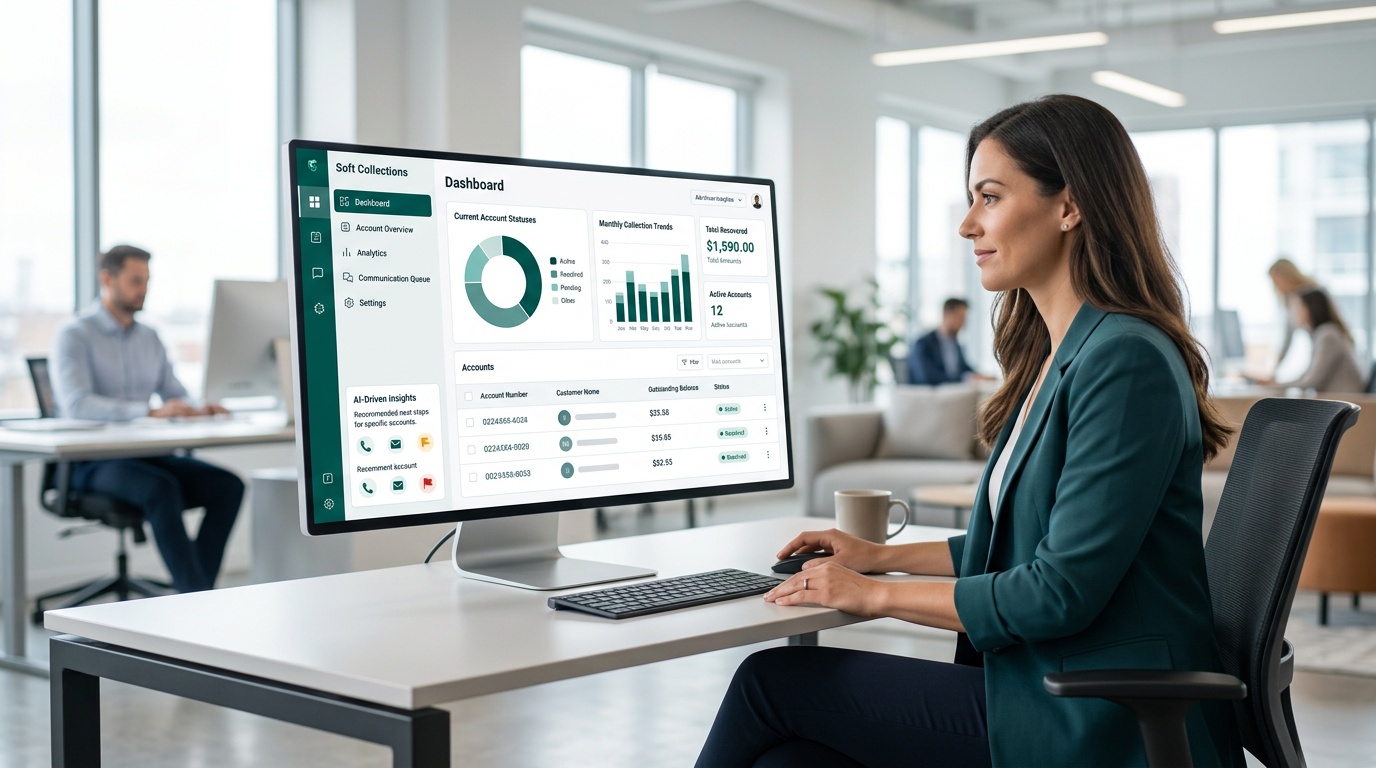
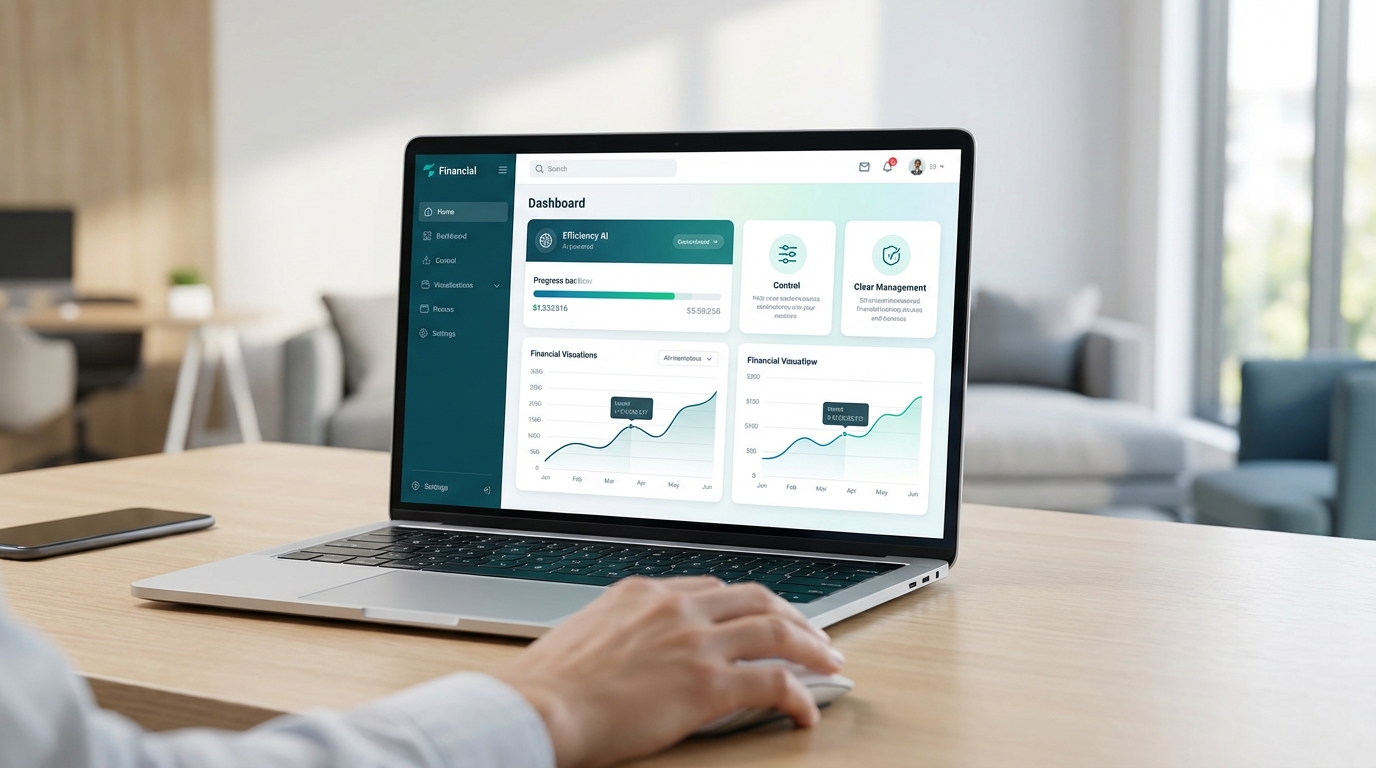
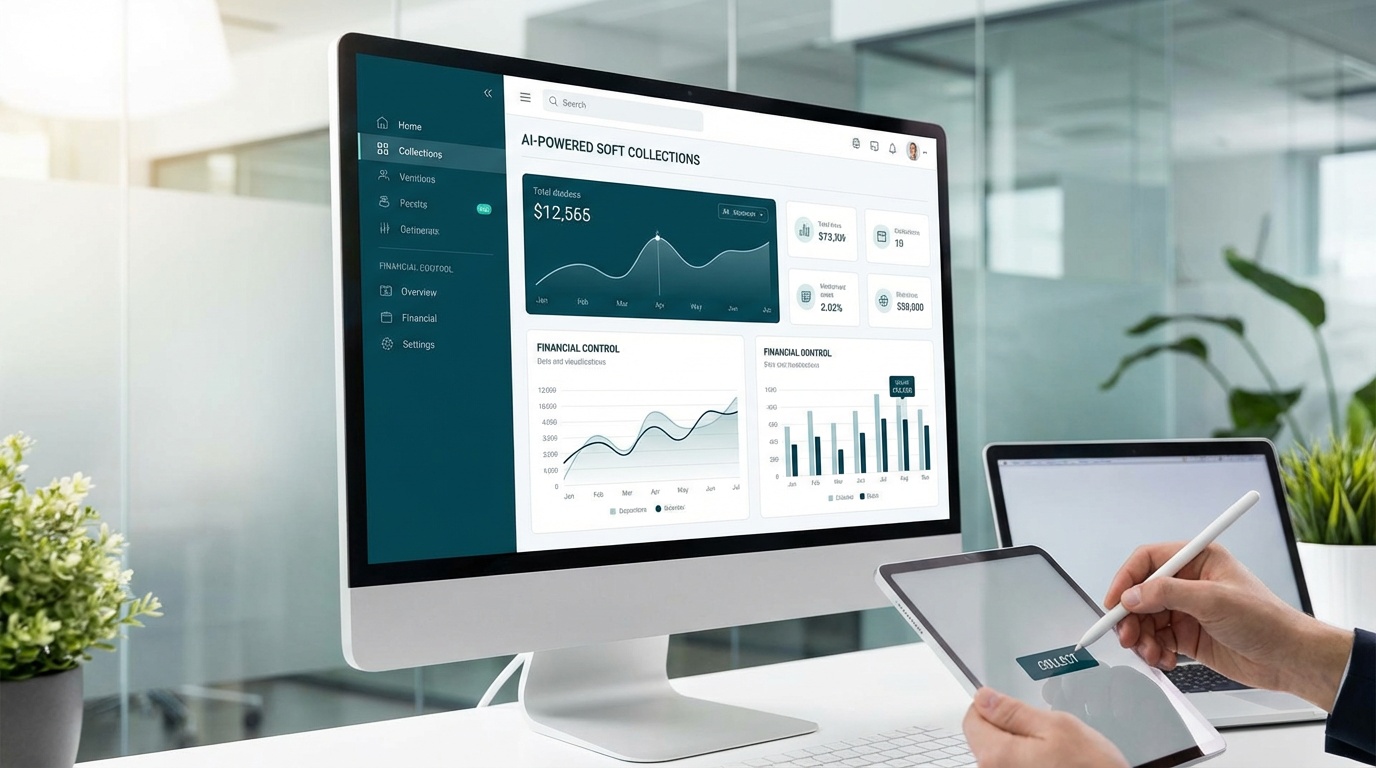
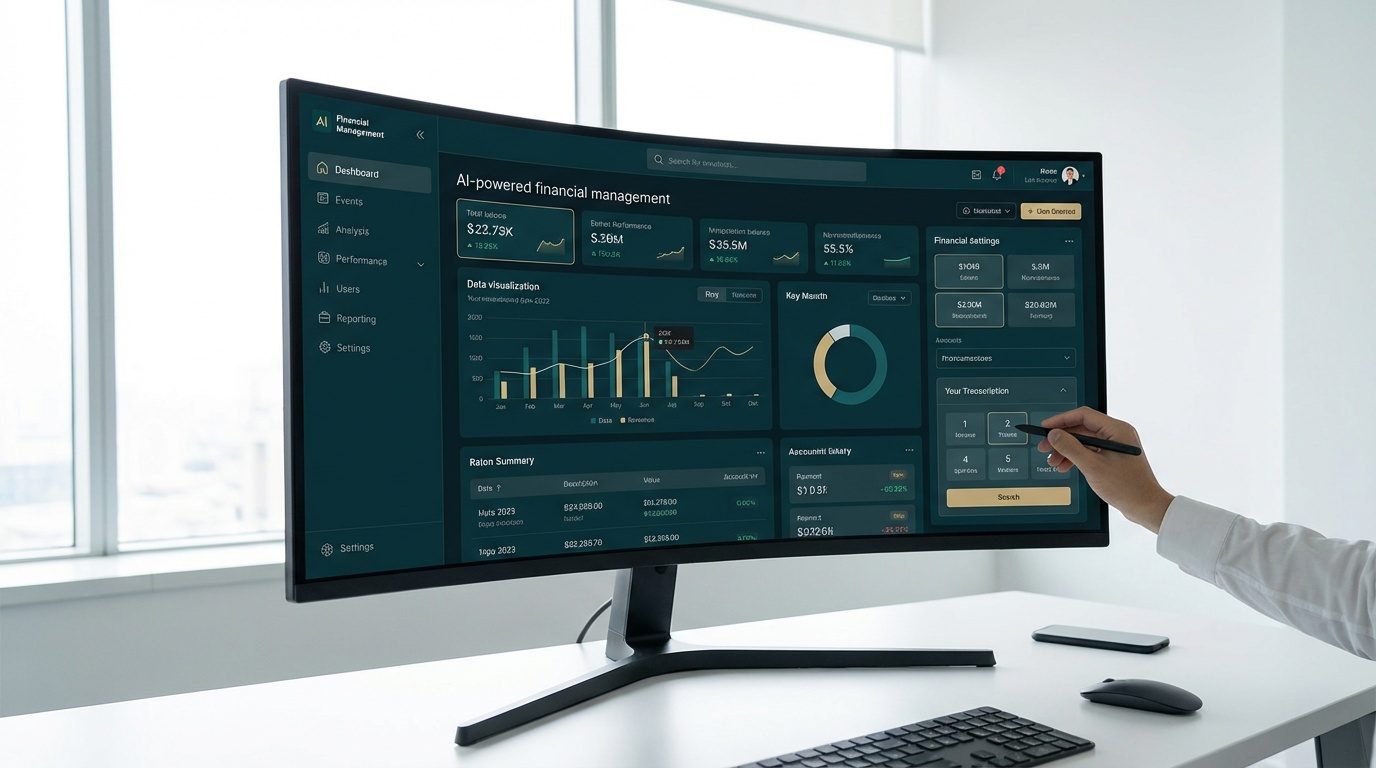
Dash provides a live dashboard that tracks overdue receivables and recovery performance across unlimited accounts -- no caps on volume, no degraded performance as your account list grows. Healthcare teams monitor patient balance activity in one consolidated view. Property managers see delinquent units flagged by risk level before they've had to open a single spreadsheet.
Every outreach step is logged instantly. Text messages, emails, and payment confirmations all hit the audit trail in real time, so your compliance record builds itself as your team works. Watch how Dash streamlines account receivables management end to end.
The comparison below shows where live reporting creates a practical edge over traditional batch systems:
| Feature | Batch Reporting | Dash Live Reporting |
|---|---|---|
| Data Freshness | End-of-day snapshots | Live, continuous updates |
| Account Prioritization | Manual review required | Automated risk surfacing |
| Compliance Audit Trail | Periodic exports | Continuously updated logs |
| Payment Confirmation | Next-day reconciliation | Instant payment visibility |
| Outreach Tracking | Static records | Each text message and email logged live |
Industry Use Cases and Implementation Best Practices
Real-time reporting supports faster, smarter action across every industry Dash serves. Solar providers confirm payment plan adherence without manual check-ins. Trucking companies spot delinquent freight invoices before they age past recovery thresholds. Legal firms monitor retainer balances and flag overdue accounts the moment they cross a defined limit -- not days later when the window for easy resolution has already closed.
Implementation works best when it follows a clear sequence. Start by segmenting accounts so the dashboard highlights priority risk first. Then set outreach triggers aligned to your recovery timeline -- accounts that are 15 days overdue warrant different messaging than those at 45 days. Review key metrics weekly to refine timing and messaging based on what's actually driving payments. According to the American Bankers Association, proactive receivables monitoring consistently correlates with improved collection rates.
Teams using Dash often see payment increases within the first week of onboarding. The reason is straightforward: they're acting on live data rather than waiting for day-old reports to flag what should have been addressed yesterday. Dash's platform keeps recovery measurable and managed, not reactive.
As AI-driven outreach becomes standard, the competitive edge will belong to teams that act on data fastest. Real-time reporting supports that speed while preserving customer relationships and maintaining compliance confidence. Advances in financial technology have significantly expanded what digital cash flow management looks like in practice -- and live reporting sits at the center of that shift. For businesses ready to put these capabilities to work, Dash's approach to receivables recovery is built around exactly this kind of continuous, actionable intelligence.
Frequently Asked Questions
What is real-time reporting?
Real-time reporting provides live data on business operations the moment it's generated, offering continuous visibility instead of static snapshots. For managing receivables, this means instantly knowing which accounts are overdue, which payments are processing, and the current status of recovery efforts. It gives teams immediate access to current data without waiting for end-of-day exports or manual reconciliation.
How does real-time reporting differ from batch reporting?
Real-time reporting reflects what is happening at this very moment, delivering continuous updates and live data. In contrast, batch reporting provides end-of-day snapshots, reflecting a past state of operations. This distinction is important for quick decision-making, especially in areas like collections management where every hour counts.
What kind of data does real-time reporting show for receivables?
For receivables, real-time reporting displays current information on overdue accounts, payment statuses, and the progress of recovery actions. Platforms like Dash provide a real-time, in-depth dashboard to monitor overdue receivables and recovery performance. It also logs each outreach step, including text messages, emails, and payments, instantly.
What are the main benefits of using real-time reporting for account recovery?
Real-time reporting significantly speeds up decisions in the recovery process by providing live data. Teams can prioritize high-risk accounts, adjust outreach timing, and confirm payment activity without delays. Another major benefit is continuous compliance visibility, with audit logs updating instantly to document communications and help meet regulations like FDCPA and TCPA.
Which industries can benefit from real-time reporting for managing overdue accounts?
Real-time reporting supports faster action across many industries. Solar providers can confirm payment plan adherence, trucking companies can spot delinquent freight invoices before they age too much, and legal firms can monitor retainer balances and flag overdue accounts immediately. This immediate insight helps teams act proactively rather than reactively.
What are some best practices for implementing real-time reporting?
Effective implementation of real-time reporting often involves a simple sequence. First, segment accounts so your dashboard highlights priority risks. Next, set outreach triggers that align with your recovery timeline. Finally, review key metrics weekly to refine your timing and messaging for better results.










.jpg)








.jpg)