
.png)
real-time dashboards in collections vs static reports
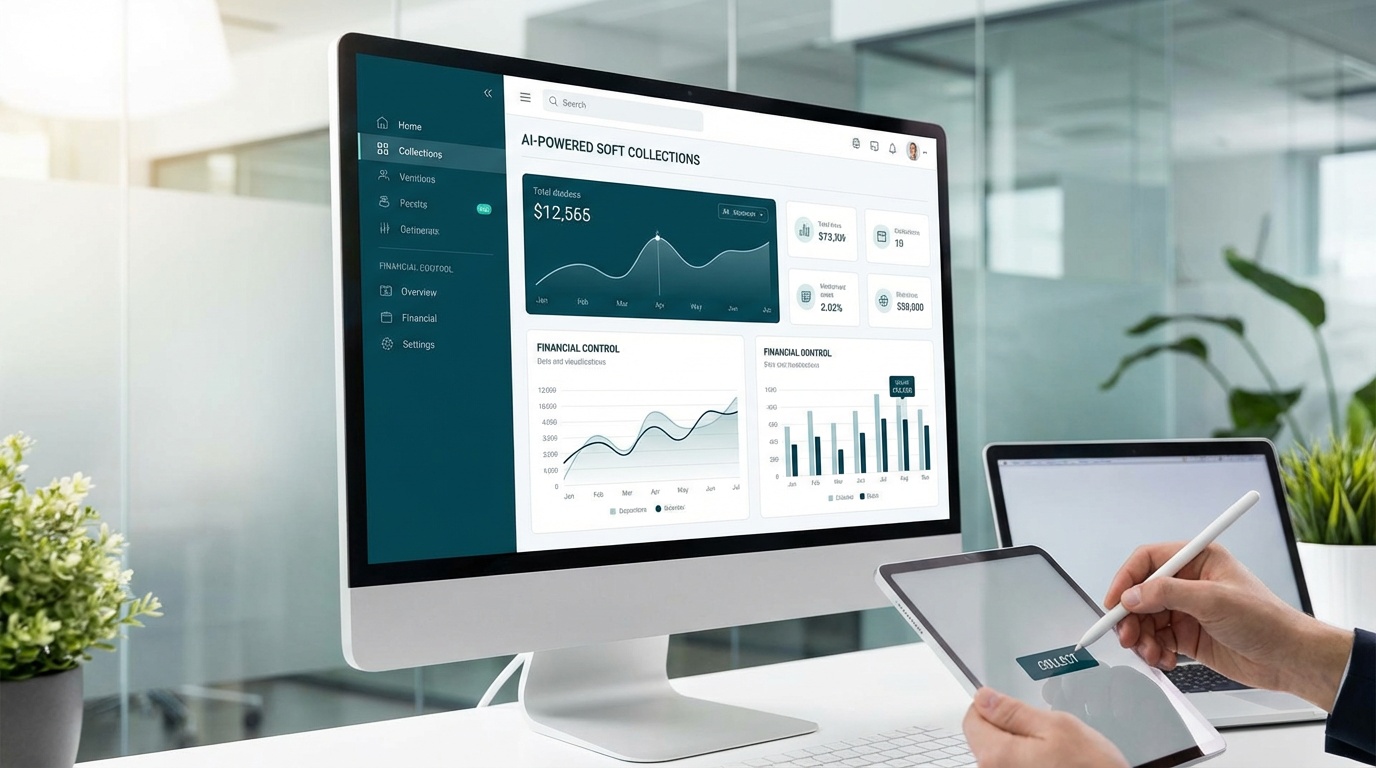
When overdue receivables pile up, response speed determines recovery success. Real-time dashboards in collections vs static reports boils down to instant visibility versus delayed decision-making. Static reports show last week's data--forcing reactive responses after problems worsen. Dash tracks payment activity as it happens, empowering teams to adjust strategies immediately.
Key Takeaways
- Real-time dashboards offer instant visibility into collections data, enabling immediate action.
- Static reports provide outdated information, forcing reactive responses to worsening problems.
- The speed of response directly impacts the success of recovering overdue receivables.
- Dash helps teams adjust collection strategies instantly by tracking payment activity as it occurs.
This isn't a minor operational upgrade. It's the difference between watching your cash flow drain in slow motion and stopping revenue leaks the moment they appear. Modern collections platforms combine compliance tracking, AI-driven insights, and self-service payment tools in unified dashboards that update every few seconds--not every few weeks.
Key Takeaways
- Real-time dashboards provide instant visibility into recovery performance, payment plan status, and customer engagement
- Static reports create decision delays that reduce revenue and strain customer relationships
- Modern collections platforms combine compliance tracking, AI-driven insights, and self-service payment tools in unified dashboards
Table of Contents
- Real-Time Dashboards in Collections vs Static Reports: Core Differences
- Why Real-Time Dashboards Excel for Overdue Receivables Recovery
- Industry Use Cases: Real-Time Dashboards Driving Cash Flow in Key Sectors
- Implementation Guide: Switch to Real-Time Dashboards with Dash
Real-Time Dashboards in Collections vs Static Reports: Core Differences
Static reports are snapshots frozen in time, compiled from prior periods and outdated by the time you review them. Real-time dashboards pull live data continuously, updating metrics as payments post, outreach completes, and customers engage. One shows you history. The other shows you now.
Decision speed changes everything in collections. A property management company reviewing a weekly report can't see which tenants entered payment plans this morning or which outreach messages bounced an hour ago. A healthcare provider relying on monthly summaries misses the chance to adjust when patient payment patterns shift mid-cycle. Dash eliminates these gaps with dashboards that refresh in seconds, showing recovery rates, payment plan adherence, and engagement without delays.
Interactivity separates modern dashboards from legacy reporting. Static reports require manual interpretation and separate follow-up work--you read a number, then hunt for the accounts behind it. Dashboards support drill-down views, filtering by account status, and workflow updates inside the same interface. Click a delinquency rate, see the accounts. Filter by payment plan status, send reminders. Act.
High-volume environments expose the weakness of summary-only reporting. Static reports reduce performance to averages--collection rate, days sales outstanding, aging buckets. Dashboards show which specific accounts respond to outreach, which payment plans look at risk, and where compliance items need attention. Teams act on accounts, not aggregates.
| Feature | Real-Time Dashboards | Static Reports |
|---|---|---|
| Data Freshness | Live updates as events occur | Periodic snapshots (weekly/monthly) |
| Decision Speed | Immediate strategy adjustments | Delayed response cycles |
| Interactivity | Drill-down, filtering, custom views | Fixed format requiring manual analysis |
| Compliance Tracking | Continuous monitoring with alerts | Retrospective audit trails |
| Team Coordination | Shared visibility across departments | Distribution delays and version control issues |
Why Real-Time Dashboards Excel for Overdue Receivables Recovery
Outdated data creates missed opportunities--period. When a customer starts a payment plan, immediate visibility lets teams confirm terms and send automated reminders while intent is high. Static reports compiled days later miss that window entirely. Trucking companies using Dash track payment commitments as drivers complete trips, aligning recovery work with revenue cycles instead of chasing shadows.
AI-powered dashboards surface patterns that static reports bury. Dash identifies optimal outreach timing based on account behavior, flags compliance risks before they escalate, and predicts which payment plans will succeed. The difference? You act during the collection cycle, not after the fact. That timing gap between insight and action determines recovery rates more than any other factor.
Consider compliance monitoring tied to FDCPA, TCPA, HIPAA, and PCI DSS requirements. Dash provides ongoing visibility with alerts that catch issues early--during active collection cycles when you can still course-correct. Static reports mainly document problems after they've occurred, when your options narrow to damage control. For regulated teams, this shifts compliance from audit risk to operational control.
Self-service payment portals integrated into dashboards transform customer experience. Debtors who receive a text with a payment link don't wait for business hours or navigate phone trees. They act immediately. Dash's platform tracks those interactions in real time, showing which customers engaged, which payment plans they selected, and which follow-up they need. Static reports tell you what happened last week. Dashboards show you what's happening right now--and let you respond.
Pros: Real-Time Dashboards
- Instant visibility supports fast strategy changes during active payment windows
- AI-driven pattern detection improves outreach timing and payment plan success rates
- Integrated monitoring reduces compliance issues before they escalate
Cons: Static Reports
- Stale data slows decisions and strains customer relationships
- Manual analysis pulls time away from account-level recovery work
- Retrospective compliance tracking surfaces issues after the optimal time to prevent them
Industry Use Cases: Real-Time Dashboards Driving Cash Flow in Key Sectors
Solar installation companies deal with receivables tied to project milestones spread across months. Real-time dashboards monitor payment plan adherence across dozens of active projects simultaneously. Dash shows which customers are on track, which missed installments, and which need outreach--all before the next milestone arrives. That visibility prevents revenue gaps from compounding.
Storage facility operators manage constant move-ins and move-outs, creating fluid delinquency patterns. Monthly reports miss short-term changes in payment behavior and response patterns. Dashboards reveal which units carry overdue balances, which customers responded to reminders in the last 24 hours, and which payment plans need immediate updates. According to business intelligence research, organizations using real-time dashboards report faster decision cycles and improved operational outcomes.
Legal firms managing client receivables need bulletproof audit trails without sacrificing recovery speed. Dash logs collection activity, payment posting, and plan changes as they occur--creating compliance documentation that supports active needs, not only year-end audits. Partners see which client accounts need attention during weekly reviews, not during quarterly close.
Property management companies juggling hundreds of tenant accounts benefit from unified visibility. When a tenant requests a payment plan, property managers approve terms, set up automated reminders, and track adherence--all from the same dashboard. No spreadsheet updates, no email chains, no version control issues. Just direct action on the accounts that matter most.
Implementation Guide: Switch to Real-Time Dashboards with Dash
Moving from reports to dashboards requires clear success metrics from day one. Dash's onboarding gets teams operational within the first week. Start with three core KPIs: payment plan adherence rate, outreach response time, and compliance event volume. Build dashboard views that surface these numbers at login, before you do anything else.
Import account data through secure processes aligned with PCI DSS and HIPAA requirements. Dash handles large account volumes without forcing teams to monitor only high-value receivables or arbitrary subsets. Set alerts for critical thresholds--missed installments, compliance risk signals, customer engagement drops--so teams respond within minutes instead of days. Research from Harvard Business Review shows that rapid alert response significantly improves recovery outcomes.
Track results against measurable baselines: days sales outstanding, payment plan completion rate, compliance event frequency. Don't rely on vendor promises or industry averages. Establish your own benchmark during week one, then measure improvement monthly. Most teams see measurable changes in recovery speed within 30 days--not because dashboards are magic, but because instant visibility eliminates the delays that kill momentum.
Request a demo to see how Dash supports modern collections workflows and how real-time dashboards in collections vs static reports impacts daily decision speed. The platform's data visualization converts raw payment data into actionable intelligence that preserves customer relationships while protecting cash flow.
Frequently Asked Questions
What's the main difference between real-time dashboards and static reports for collections?
Real-time dashboards provide live updates on payment activity and recovery performance as events occur, allowing for immediate strategy adjustments. Static reports, conversely, present data from prior periods, meaning decisions are based on information that is already outdated. This distinction moves collections from a reactive process to proactive control.
How do real-time dashboards improve overdue receivables recovery compared to static reports?
Real-time dashboards offer instant visibility into recovery performance, payment plan status, and customer engagement, enabling teams to adjust strategies immediately. This contrasts with static reports, which deliver yesterday's data, forcing teams to react after problems have worsened and opportunities may be missed. Dash helps teams recover overdue accounts faster using AI-powered outreach and self-service tools.
Can real-time dashboards help with compliance in collections?
Yes, real-time dashboards support continuous compliance monitoring with alerts, helping teams catch issues early in the collection cycle. This is a significant advantage over static reports, which primarily document issues retrospectively after they have occurred. Dash is designed to comply with TCPA and FDCPA regulations governing consumer communications and collections.
What kind of detailed insights can real-time dashboards provide that static reports cannot?
Real-time dashboards offer drill-down views and filtering by account status, showing which specific accounts respond to outreach or where payment plans are at risk. Static reports often reduce performance to a few summary numbers, making it difficult to act on individual account details. Dash provides a real-time, in-depth dashboard to monitor overdue receivables and recovery performance.
How quickly can a business start using real-time dashboards for collections?
Moving to real-time dashboards can be a quick process, especially with platforms designed for ease of use. Dash's onboarding aims to get teams operational within the first week, starting with a short list of key performance indicators. Dash has fast and easy setup for account recovery management.
Are real-time dashboards suitable for different industries?
Yes, real-time dashboards are highly adaptable across various industries, from property management and healthcare to solar installation and legal firms. They help businesses monitor payment plan adherence, track delinquency changes, and log collection activity specific to their operational cycles. This adaptability allows diverse sectors to drive cash flow effectively.