.png)
In-House Collections Compliance in 2026: What First-Party Teams Get Wrong
If your team recovers overdue balances in-house, there's a good chance someone in the building has said some version of this: "The FDCPA is a collection-agency problem. We collect our own accounts, so it doesn't apply to us." That statement is technically half-right — and operating as if it were fully right is one of the fastest ways to turn a routine reminder text into a five-figure legal problem.
The reality in 2026 is that compliance risk for first-party creditors hasn't disappeared. It has moved. As federal oversight softens, state regulators and private plaintiffs are picking up the slack, and much of that scrutiny lands squarely on the everyday outreach in-house teams do. This guide breaks down what actually applies when you collect your own debt, why the stakes rose this year, and how to keep recovering revenue without inviting liability.
The exemption that lulls first-party teams into a false sense of security
The Fair Debt Collection Practices Act (FDCPA) was written to govern third-party debt collectors. Original creditors collecting their own debts under their own name generally fall outside its requirements, a point industry attorneys have made repeatedly (American Bar Association). The same logic extends to Regulation F, the Consumer Financial Protection Bureau's rule implementing the FDCPA, which took effect in November 2021 and formalized limits like the well-known "7-in-7" call-frequency presumption and standardized validation notices.
Here's the catch most teams miss: the FDCPA exemption is narrow, and it is not a general immunity from consumer-protection law. It disappears entirely if your outreach uses a name that implies a third party is doing the collecting (American Bar Association). And even when it holds, several other bodies of law apply to first-party collections regardless.
The rules that still apply when you collect in-house
The TCPA governs every text and call you send
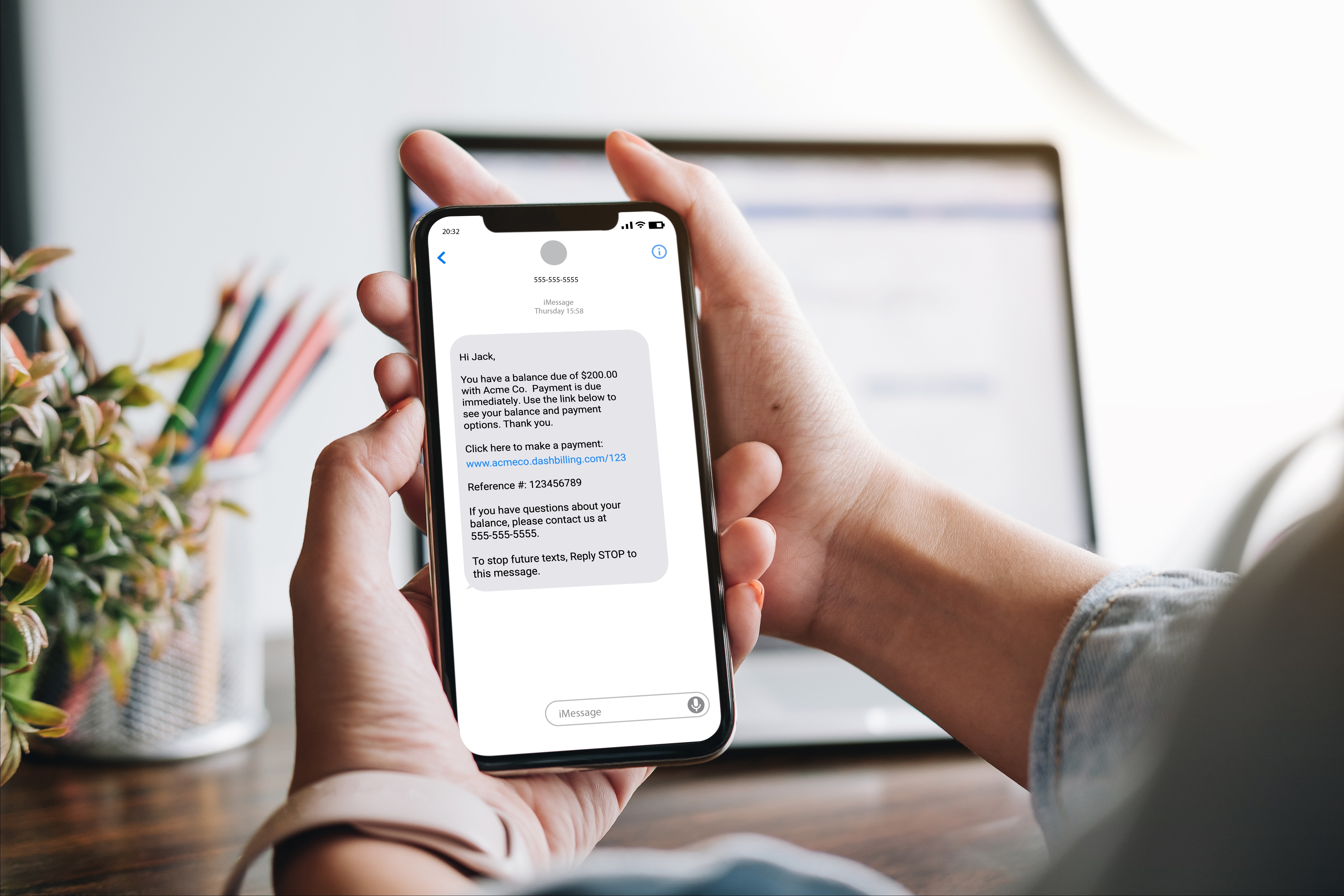
The Telephone Consumer Protection Act (TCPA) applies independently of the FDCPA and does not care whether you are a creditor or an agency (Nexa Collect). If you use automated texts or calls to reach customers about balances — exactly the kind of outreach most modern recovery workflows rely on — the TCPA is your primary exposure. Statutory damages run from $500 to $1,500 per call or text, and because those figures multiply across a contact list, class actions are where the real damage happens (Gryphon.ai).
UDAAP applies to original creditors, full stop
Even with the FDCPA exemption, first-party creditors remain subject to the prohibition on unfair, deceptive, or abusive acts or practices (UDAAP) under Dodd-Frank (American Bar Association). Misleading balance statements, opaque fees, or pressure tactics can be actionable as UDAAP violations no matter who is doing the collecting.
State law increasingly closes the first-party gap
This is the fast-moving frontier. A growing number of states have enacted their own collection statutes that extend FDCPA-style protections to first-party creditors, meaning conduct the federal exemption would shield can still create liability at the state level (Tratta). Because every state layers its own licensing rules, disclosures, and communication limits on top of the federal baseline, multi-state operations face a genuine execution challenge rather than a single checklist.
Why 2026 raised the stakes for in-house teams
For years, the mental model was simple: stay off the CFPB's radar and you're fine. That model broke this year.
The CFPB has sharply reduced its supervisory and enforcement footprint through staffing cuts and a narrowed focus (HealPay). But reduced federal activity has not meant reduced risk — it has meant a handoff. State attorneys general are now using state statutes to pursue exactly the collection practices the FDCPA's creditor exception would otherwise shield (HealPay). California's DFPI expanded annual reporting requirements under its Debt Collection Licensing Act in 2025, and New York's Department of Financial Services brought a former senior CFPB enforcement official into its consumer-protection division (Southwest Recovery Services).
At the same time, private litigation is surging. More TCPA class actions were filed in the first quarter of 2026 than in any quarter on record (Gryphon.ai). For an in-house team, that combination — motivated state regulators plus aggressive plaintiff's attorneys — means the "we're exempt" assumption is riskier now than at any point in the last decade.
A practical compliance checklist for in-house recovery
You don't need a legal department to operate defensibly. You need consistent, documented processes. Start here:
- Get and honor consent for automated outreach. Track how and when each customer agreed to be contacted by text or call, and make opting out effortless. Every electronic message should carry a clear opt-out, and every opt-out should stick.
- Respect frequency and timing. Even though the 7-in-7 presumption technically targets third-party collectors, it's a sensible ceiling to adopt voluntarily — and it maps to what many state laws and reasonable-conduct standards expect.
- Keep messaging accurate and non-deceptive. Balances, fees, and next steps should be stated plainly. This is your UDAAP shield.
- Document every interaction. A time-stamped record of each contact, channel, and consumer response is your best defense if a claim ever surfaces.
- Map your state obligations. If you collect across state lines, inventory the licensing, disclosure, and communication rules for each jurisdiction you touch.
The through-line is documentation. Regulators and courts don't just ask whether you followed the rules; they ask whether you can prove it.
Compliance is easier when it's built into the workflow
Most compliance failures aren't decisions — they're accidents. A reminder sent one text too many, an opt-out that didn't register, a channel used without consent on file. Manual processes and spreadsheets make those accidents almost inevitable.
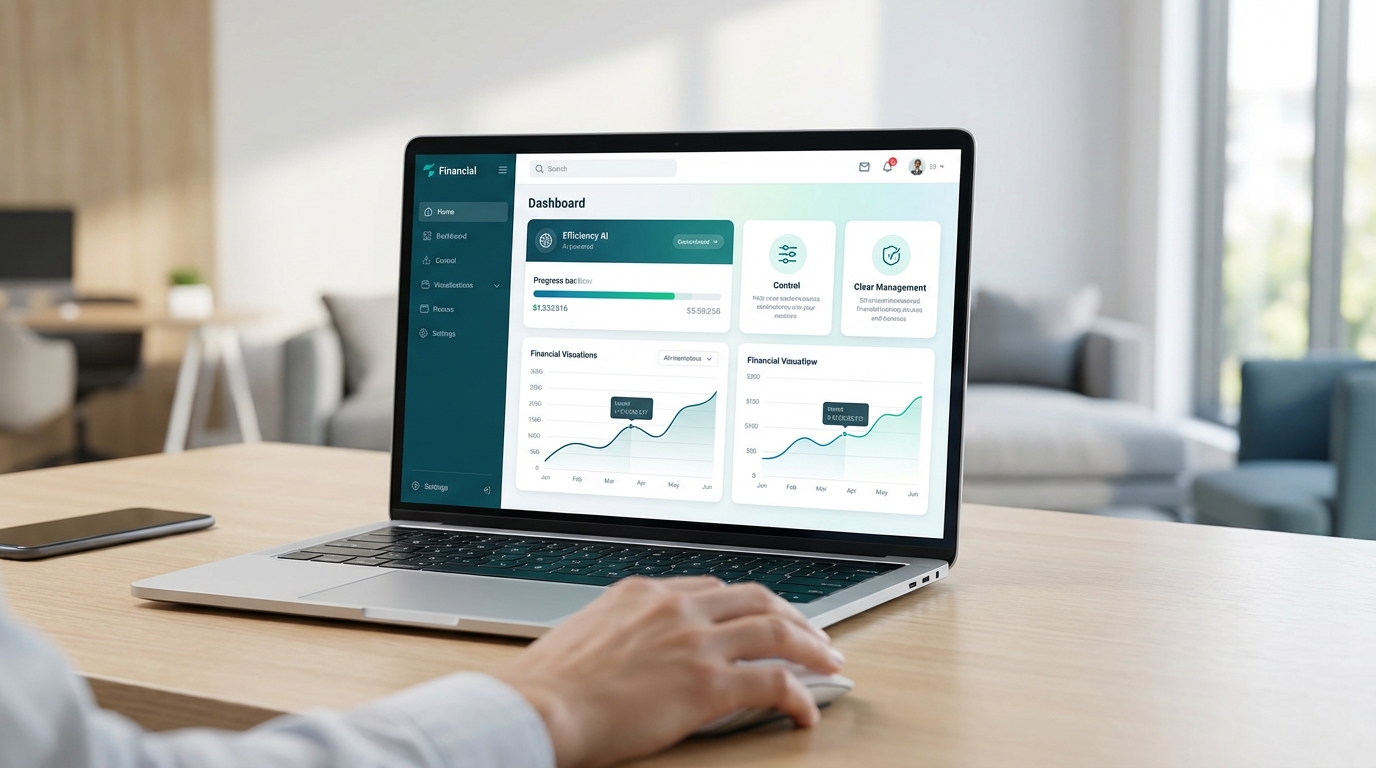
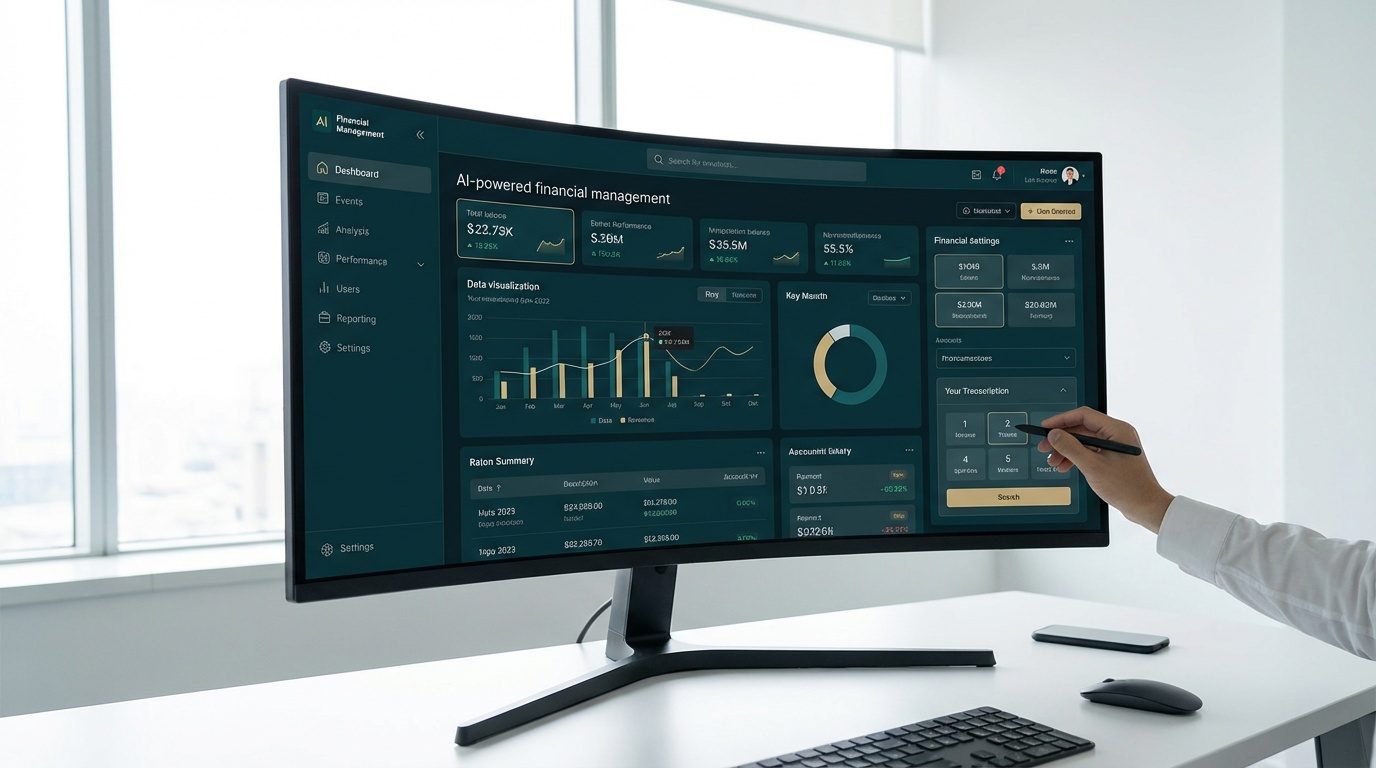
That's the case for handling recovery on a platform built for compliance from the ground up. Dash automates outreach across text and email while keeping opt-outs, consent, frequency, and a complete interaction history under control — and it's designed to help teams adhere to TCPA and FDCPA standards, backed by SOC 2 Type 2, PCI DSS, and HIPAA safeguards. You keep the revenue and the customer relationship, without turning every message into a manual compliance judgment call.
The teams that thrive in the 2026 landscape won't be the ones who assumed the rules didn't apply. They'll be the ones who made compliance automatic. See how Dash keeps in-house recovery compliant and in your control.
This article is for general informational purposes and is not legal advice. Consult qualified counsel about your specific obligations under federal and state law.






.jpg)







.jpg)