.png)
When a customer falls behind, the instinct is to ask for the full balance now. It feels like the fastest route to getting paid. In practice, a lump-sum demand often does the opposite: it stalls the conversation, because the person on the other end simply doesn't have the money sitting in their account. Offering a payment plan on an overdue account meets customers where they actually are — and, done well, recovers more of what you're owed without adding default risk.
This guide covers why installment options outperform all-or-nothing demands, how to structure plans that customers actually complete, and how to keep the whole process compliant.
Why lump-sum demands leave money on the table
The math on household cash reserves is sobering. A 2025 Bankrate study found that 59% of Americans don't have enough savings to cover an unexpected $1,000 expense (CBS News). When most of your overdue accounts belong to people who can't absorb a surprise four-figure bill, asking for the entire balance in one payment isn't a strategy — it's a filter that screens out the majority of customers who would otherwise pay.
There's also a time cost to waiting. Recovery rates fall steeply as accounts age: debts that are highly collectible in the first 30 to 90 days become much harder to recover once they've sat for a year or more (Kaplan Group). A customer who says “I can't pay $900 today” is not a lost cause — but if the only option you give them is $900 today, the account quietly ages into your least-recoverable tier.
A payment plan converts a “no” into a “yes, over time.” Instead of losing the account, you keep it moving.
Payment plans recover more — when they're built right
Flexibility only helps if customers can act on it easily. That's where the payment experience matters as much as the offer itself.
McKinsey's research on digital-first collections found that consumers who self-serve resolve their debts at higher rates, are more likely to pay in full, and report higher satisfaction than those who pay over a collection call (McKinsey). One implementation cured roughly 15% more customers through self-service while cutting cost-to-collect. The lesson: people are far more willing to commit to a plan when they can set it up themselves, on their phone, without a phone call or an awkward negotiation.
Pairing a flexible plan with a frictionless, self-service portal is what turns “I'll think about it” into an enrolled, auto-paying account.
How to structure payment plans that actually get paid
Not every plan is a good plan. A poorly designed arrangement just delays the write-off. Here's how to build plans that hold.
Right-size the installments
Base the plan on what the customer can realistically pay each month, not on how fast you'd like the balance cleared. A plan that clears the debt in three payments looks efficient on paper but breaks the moment a customer's budget is tight. Offering a few preset options — for example, 3, 6, or 12 months — lets customers self-select an amount they can sustain, which is the single biggest driver of completion.
Make enrollment self-service
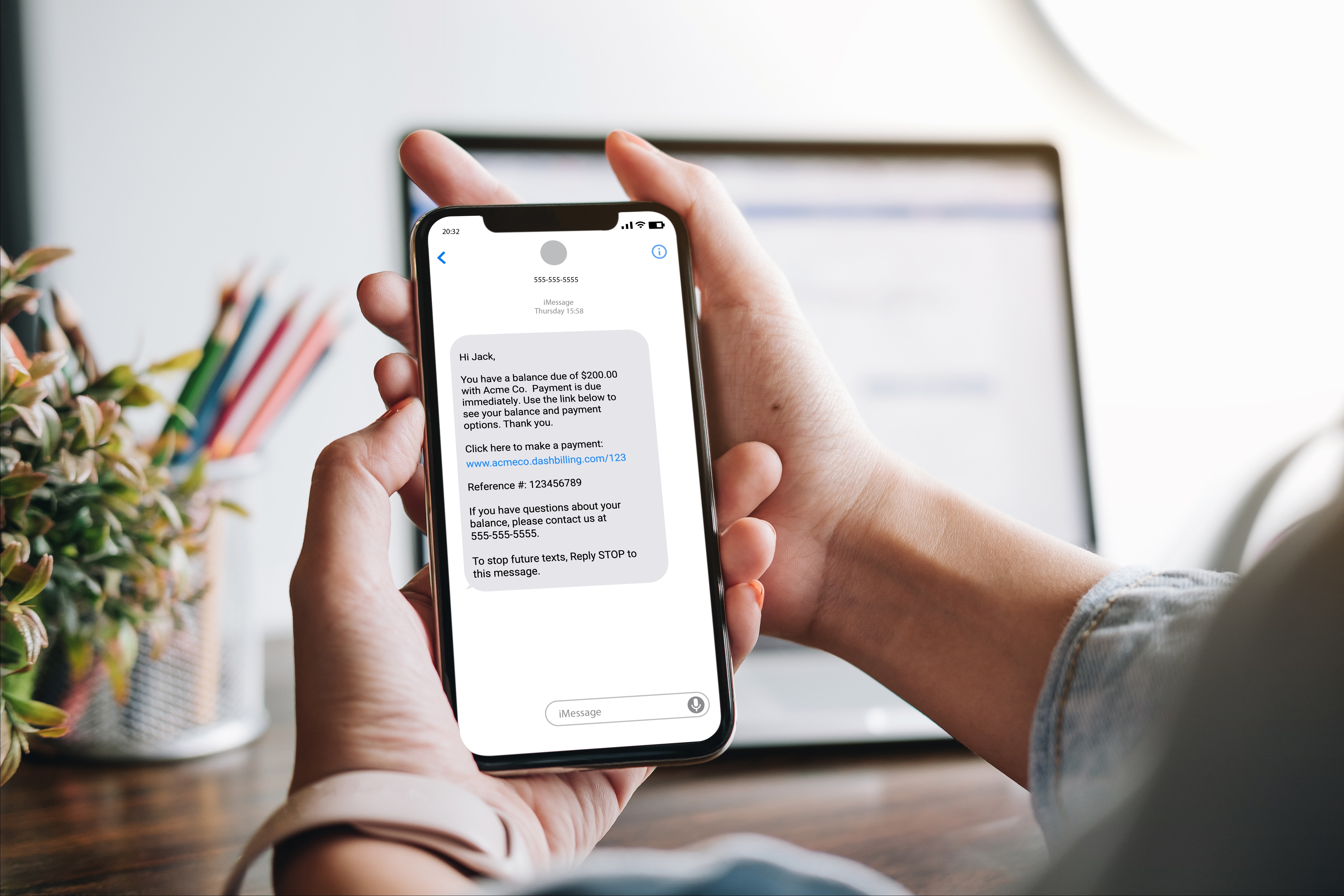
Every step that requires a phone call or a callback is a step where accounts drop off. Let customers view their balance, choose a plan length, and enroll in a few taps from a text or email link. Self-service removes the friction — and the discomfort — that keeps people from committing.
Automate reminders and auto-pay
The most common reason plans fail isn't unwillingness; it's a missed date. Scheduled reminders by text and email, plus an option to enroll in automatic payments, keep installments on track without your team chasing each one manually. Auto-pay in particular dramatically improves the odds that a plan runs to completion.
Document the terms clearly
Spell out the number of payments, the amount, the dates, and what happens if a payment is missed — then confirm it in writing. Clear terms protect you if an account defaults, and they give the customer confidence that the arrangement is legitimate and fixed. Good documentation also creates the audit trail you'll want if the account is ever disputed.
Keep payment plans compliant
Offering flexibility doesn't change your compliance obligations. A few points to keep front of mind:
- Don't misrepresent the arrangement. Under the FDCPA and the CFPB's Regulation F, terms have to be stated accurately — the amount owed, what each payment covers, and whether interest or fees continue to accrue. Overstating urgency or implying consequences that won't happen is a UDAAP risk even for first-party, in-house teams.
- Honor the plan you agreed to. If a customer is making agreed payments, your outreach and reporting need to reflect that. Continuing aggressive collection activity on an account in good standing invites complaints and disputes.
- Respect communication rules. Reg F's guardrails on contact frequency, opt-outs, and consent apply to the reminders that keep a plan on track. Automated systems should honor opt-outs immediately and keep records of consent.
For a deeper walkthrough of texting and email rules, see our Regulation F compliance guide. None of this is legal advice — when in doubt, confirm your specific plan terms with counsel.
Move faster on early-stage accounts
Because collectibility decays with time, the best moment to offer a payment plan is early — before an account becomes distressed. Building the offer into your first few rounds of outreach, rather than holding it back as a last resort, catches customers while they're still engaged and while the balance is still highly recoverable. A plan offered on day 20 will complete far more often than the same plan offered on day 200.
Turn flexibility into recovered revenue
Payment plans work because they align with reality: most customers want to pay and simply need a path they can afford. Give them right-sized installments, a self-service way to enroll, automated reminders, and clear terms — and you'll recover more of your overdue balances while keeping the customer relationship intact.
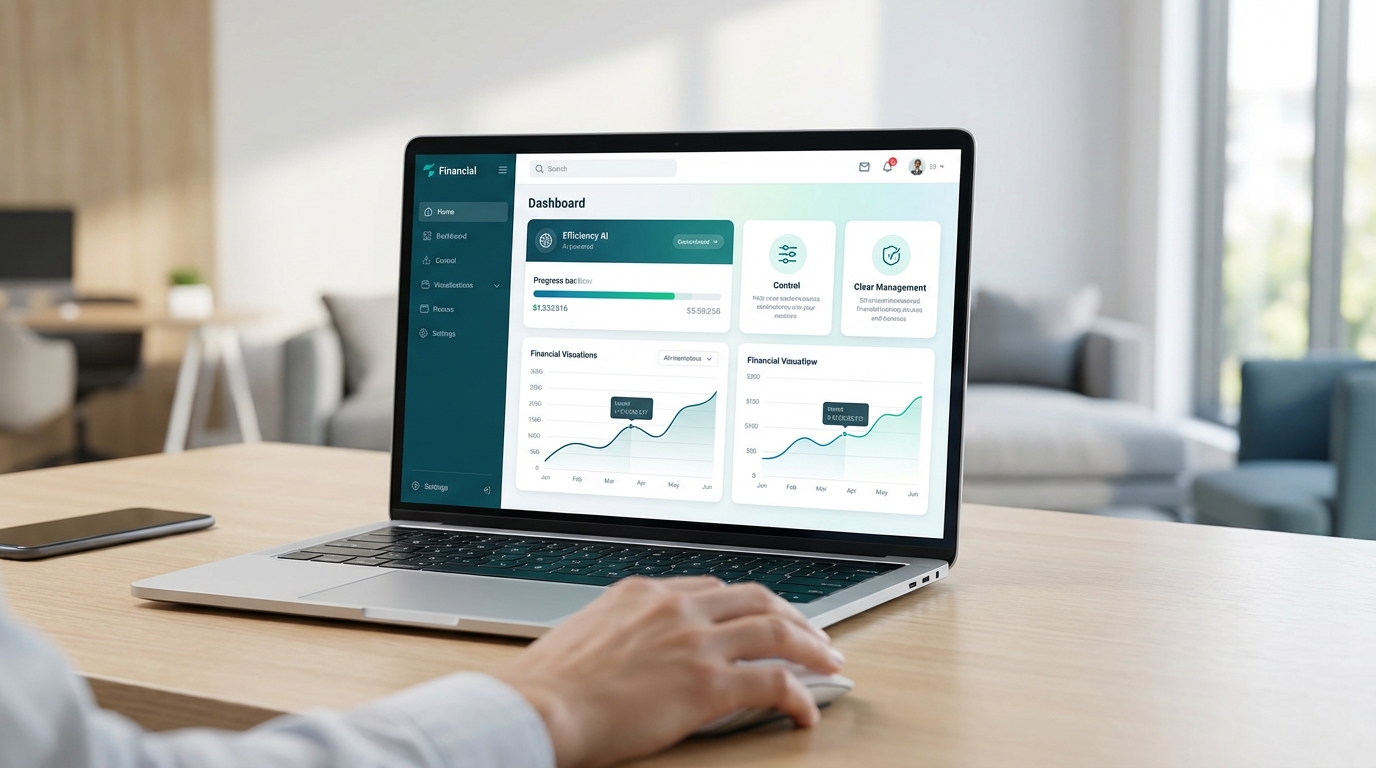
That's exactly what Dash is built to do. Dash lets your team offer self-service payment plans, automate reminders by text and email, and track every arrangement in real time — so you recover more revenue in-house without adding headcount or handing accounts to a third-party agency. See Dash in action and start turning overdue accounts into paid ones.


















.jpg)








.jpg)