.png)
When a customer can’t pay an overdue balance in full, you have two options: keep pushing for a lump sum they don’t have, or give them a realistic way to pay over time. The second path—a payment plan—almost always recovers more. Yet many in-house teams still treat installment arrangements as an afterthought, offered reluctantly over the phone rather than built into the recovery workflow from day one.
That’s a missed opportunity. Structured well, payment plans for overdue accounts turn “I can’t afford that” into steady, predictable cash flow while keeping the customer relationship intact. Structured poorly, they break within a payment or two and leave you worse off than before. This guide covers why payment plans work, why they’re harder to keep in 2026, and how to design ones that get completed.
Why payment plans recover more than a single demand
The math behind collections is unforgiving: the older an account gets, the less you recover. Accounts worked within 30 days of default typically recover at 70–90%, while balances more than a year old fall to just 10–25%, and recovery probability drops roughly 10–15% for every additional 30 days an account goes unworked (SW Recovery). Every week you spend waiting for a full payment that isn’t coming is a week your recovery odds erode.
A payment plan changes the question you’re asking. Instead of “Can you pay $1,200 today?”—which for many people is an automatic no—you ask “Can you pay $100 a month?” That’s a far easier yes, and it converts a stalled account into an active one. It also meets a real and growing consumer preference. Card installment plan usage rose from 23% in April 2025 to 36% by March 2026 as households increasingly reach for structured, predictable payments (PYMNTS). The same instinct that drives buy-now-pay-later adoption applies to overdue bills: people will engage with a balance they can break into manageable pieces.
There’s a relationship benefit, too. Dash was built on the idea that you can recover revenue without torching goodwill—keep the revenue, keep the relationship. A fair payment plan signals that you’re working with the customer, not against them, which matters enormously if you ever want their repeat business.
The 2026 problem: more demand, but faster breakage
Here’s the tension collections teams are feeling this year. Demand for installment options is up, but the plans themselves are more fragile. Household debt reached $18.8 trillion in Q1 2026, with roughly 13.1% of credit card balances seriously delinquent—the kind of pressure that pushes more customers toward payment arrangements in the first place (Federal Reserve Bank of New York). At the same time, industry analysts note that delinquencies are surfacing earlier in the lifecycle and payment plans are breaking faster, with balances rolling forward before they’re fully recovered (Tratta).
In other words: more customers want a plan, and more of those plans are failing before completion. The teams that win in this environment aren’t the ones offering payment plans—almost everyone does that now—they’re the ones designing plans that actually get finished.
How to design payment plans that get completed
Right-size the plan to the balance and the person
The fastest way to break a plan is to set the installment too high. A plan a customer agrees to under pressure but can’t sustain isn’t a win; it’s a delayed write-off. Align the payment amount and frequency to the account balance and, where you have it, the customer’s payment history. Accounts with a track record of partial payments can handle a more aggressive schedule; accounts that have gone quiet may need smaller, more frequent installments to build momentum. The goal is a first payment the customer can comfortably make, because the first completed payment is the strongest predictor that the rest will follow.
Make it self-service and digital-first
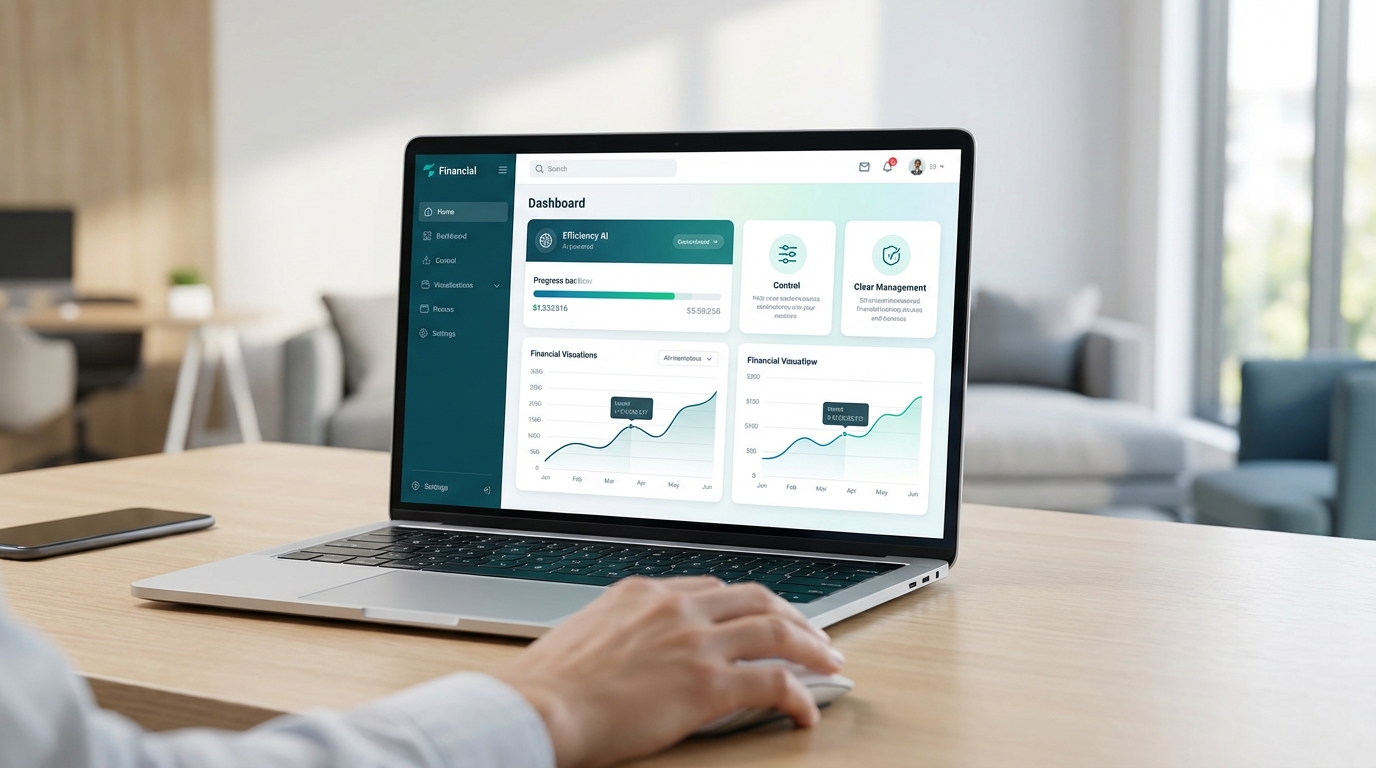
Most past-due customers are easier to reach and convert through digital channels than through outbound calls, and a self-serve model lifts cure rates while pulling cost out of the operation (MSB). Offer a payment portal where customers can select a plan, pick a start date, and enroll in autopay in a few taps—no phone call, no waiting for business hours, no awkward negotiation. Self-service removes the friction and the embarrassment that keep people from engaging, and autopay dramatically reduces the “I forgot” breakage that kills plans mid-stream. Dash’s consumer portal is built for exactly this: locate the account, see the balance, choose a payment plan, and pay in under five steps.
Automate reminders around every installment
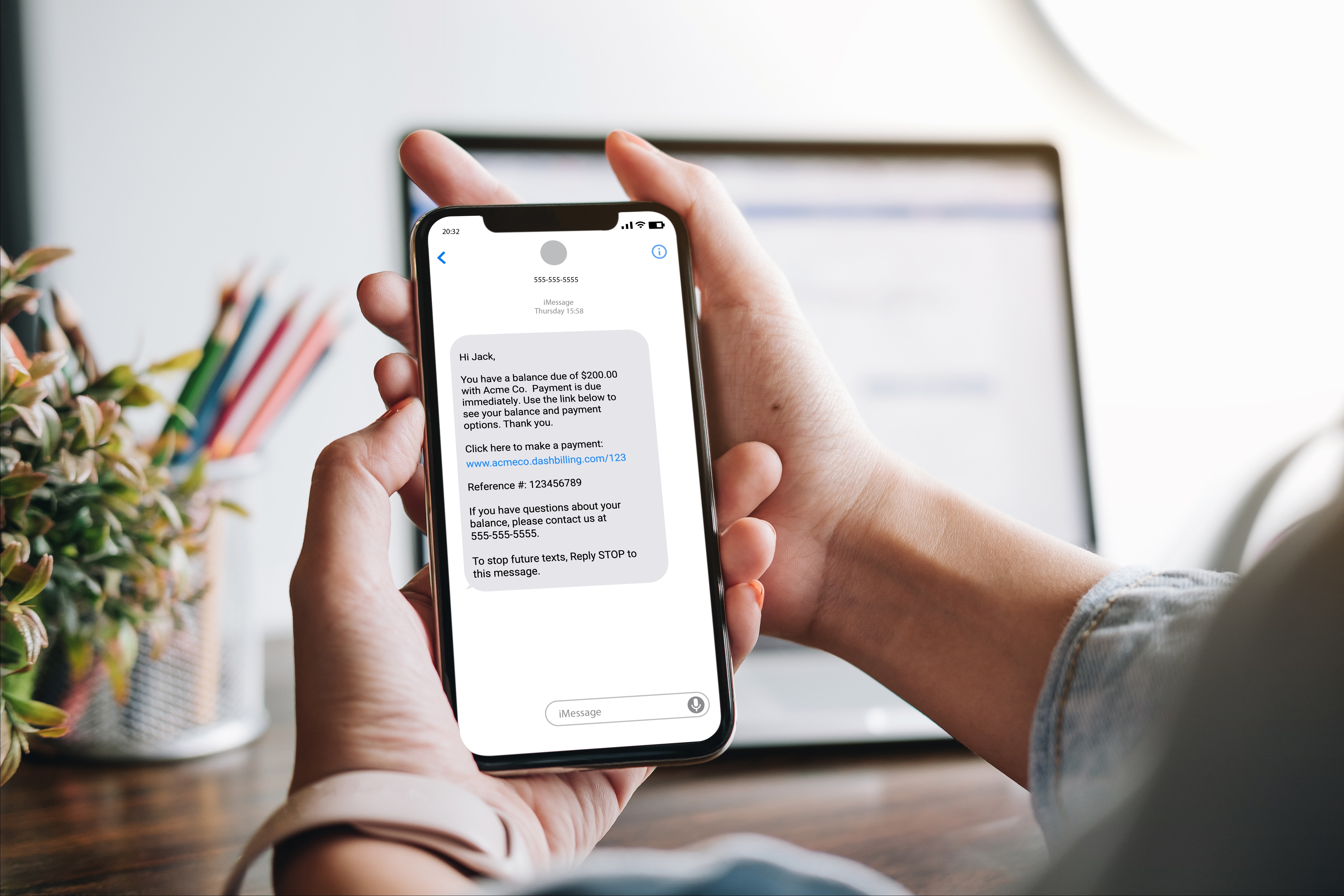
A payment plan is only as good as the customer’s memory of it. Automated reminders before each installment—by text and email—keep the plan top of mind and give customers a one-tap path back to the portal if a card expired or a date needs to move. Automation does the heavy lifting: reminder sequences resolve a large share of overdue balances with no manual effort, and applying that same cadence to active plans keeps them from silently lapsing. The point isn’t to nag; it’s to make paying the easy, obvious next step at exactly the moment it’s due.
Keep it compliant
Texting and emailing customers about a payment plan still falls under the same rules as any other collection communication. Regulation F sets expectations around consent, opt-outs, and contact frequency, and the TCPA governs the messaging channels themselves—obligations that apply to first-party and in-house teams, not just third-party agencies. Build consent capture and easy opt-outs into your enrollment flow, and keep records of every communication and agreement. A platform that handles compliance guardrails automatically saves you from turning a good-faith payment plan into a legal exposure.
Measure what matters: promise-to-pay completion
Offering plans isn’t the metric—finishing them is. Track your promise-to-pay completion rate, the percentage of payment arrangements that get fulfilled, and watch it by plan size, installment amount, and channel. If plans in a certain balance tier consistently break at the second payment, your installments are probably too high. If autopay enrollees complete at far higher rates than manual payers—and they almost always do—that tells you where to steer new enrollments. Real-time reporting turns these patterns into adjustments you can make this month, not next quarter.
Turn overdue balances into steady cash flow
Payment plans are one of the highest-leverage tools an in-house collections team has, but only when they’re designed to be completed rather than just offered. Right-size the installments, make enrollment self-service, automate the reminders, stay compliant, and measure completion—and you convert a growing pile of overdue accounts into predictable, recoverable revenue.
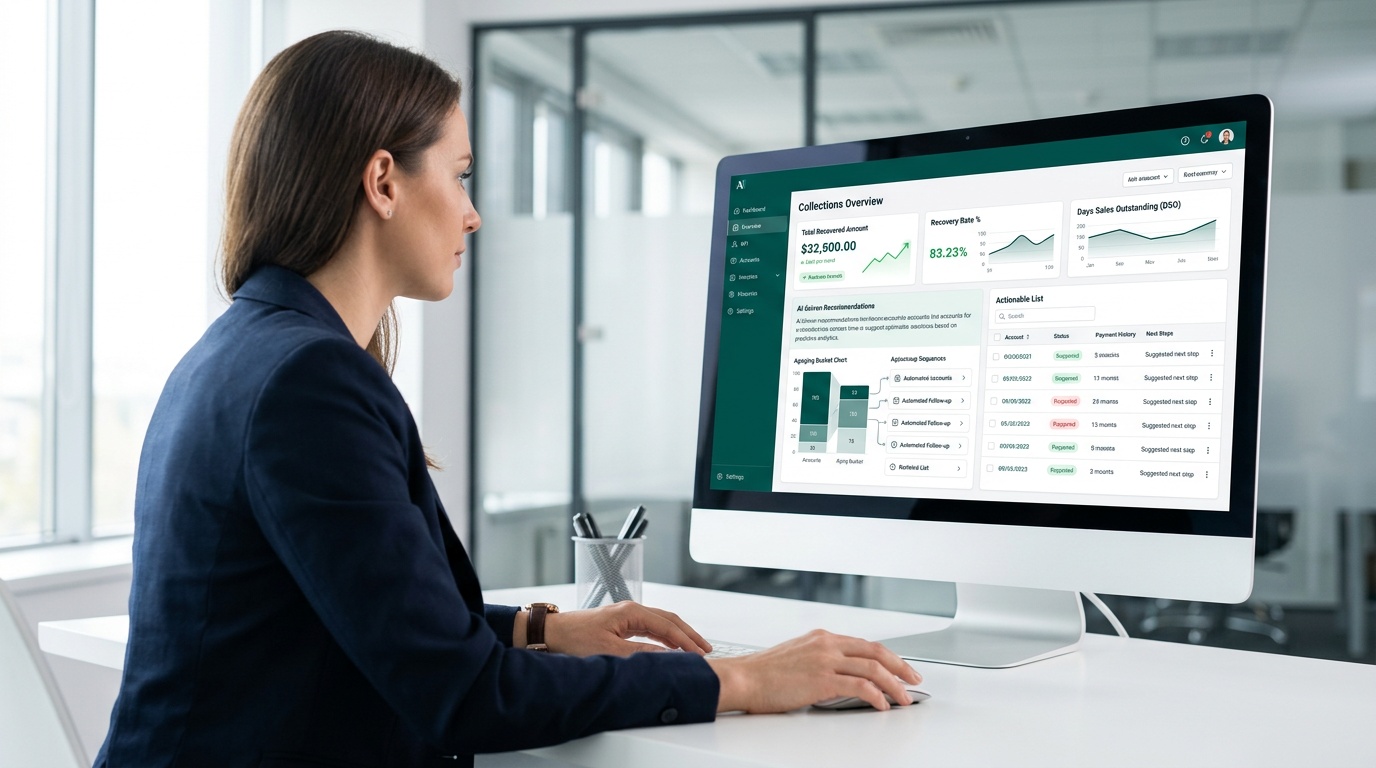
Dash brings all of that into one platform: automated text and email outreach, a self-service consumer portal with flexible payment plans, built-in compliance support, and a real-time dashboard that shows exactly how your recovery is performing. See Dash in action and start recovering more of what you’re owed—without adding staff or straining customer relationships.















.jpg)







.jpg)