.png)
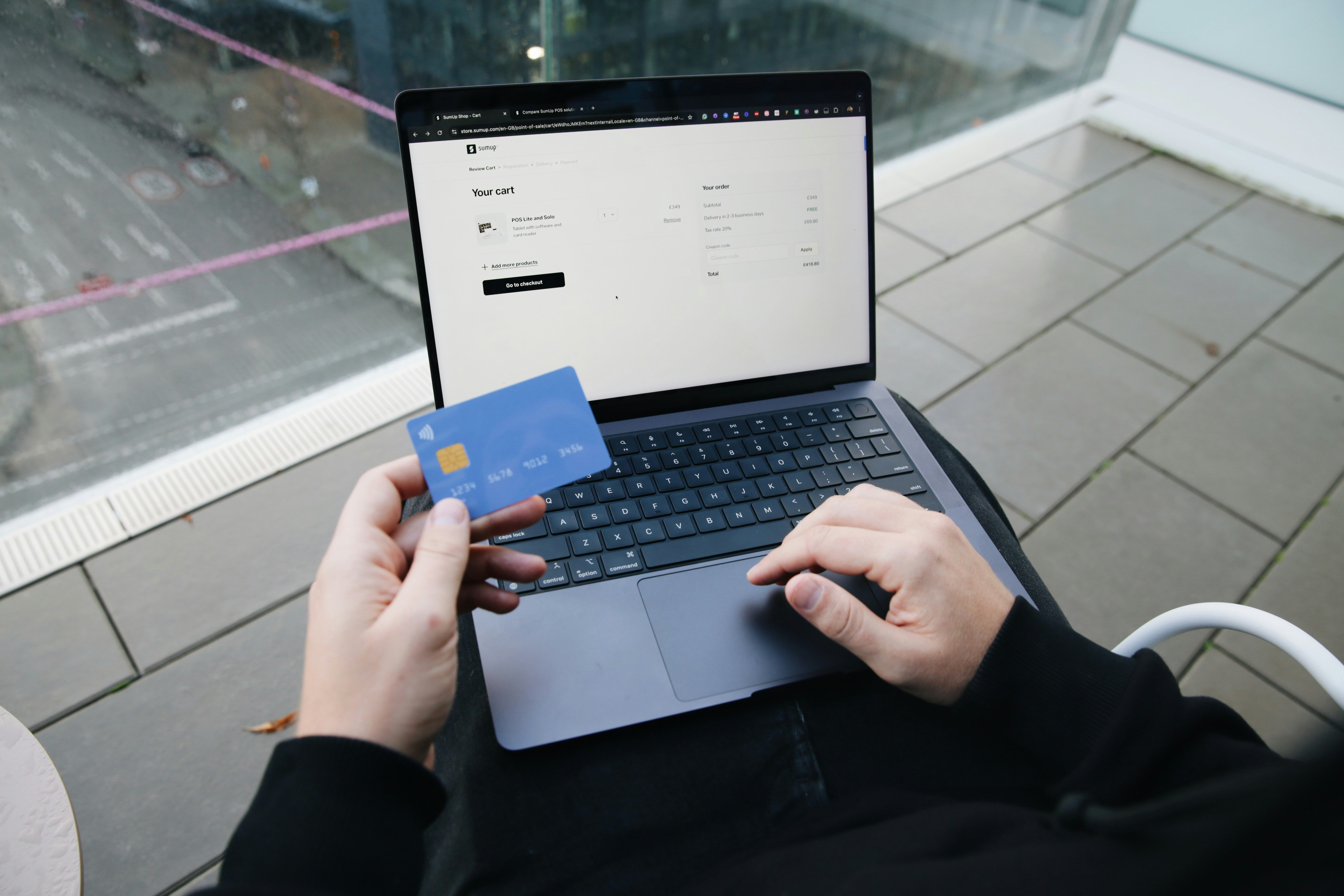
You did the hard part. You found the right contact, sent a compliant reminder, and the customer clicked through to pay. Then they hit a payment screen that only takes a credit card — and they don't have one handy, or they'd rather pay from their bank. So they close the tab, meaning to come back later. Most never do.
That last step — the actual moment of payment — is where a surprising amount of recovery quietly leaks away. For in-house teams working overdue accounts, the payment options you offer are as important as the message that gets someone to the checkout. Here's what the data says, and how to give customers more ways to pay without adding cost or complexity.
The moment of payment is where recovery is won or lost
Everyone in accounts receivable obsesses over outreach: the timing, the channel, the wording. That matters. But once a customer is ready to pay, a narrow set of payment methods becomes a real barrier.
Consumer research makes the pattern clear. In a 2026 global payments study, roughly 13% of shoppers abandoned checkout when their preferred payment method wasn't available (Worldpay). The same body of research found payment-related abandonment dropped to about 5% for sellers offering six or more payment options, versus roughly 13% for those offering three or fewer (checkout abandonment analysis).
That's a shopping-cart context, but the psychology transfers directly to overdue balances. A customer paying a past-due bill is often already reluctant. Any speed bump — no bank-transfer option, no digital wallet, a form that demands a card number they'd rather not type — becomes a reason to delay. And in collections, a delayed payment is frequently a payment you never get.
What "more payment options" actually means
You don't need dozens of methods. You need the handful your customers actually use. For most consumer-facing AR teams, that's four categories.
Credit and debit cards
Still the baseline. Cards are fast, familiar, and expected. Most people will pay by card if that's all you offer — but "most" isn't "all," and cards carry the highest processing cost of the common methods (more on that below).
ACH and bank transfers
For larger balances and payment plans, paying directly from a bank account is often the customer's preference and your cheapest option. It's also growing fast: Same Day ACH transaction value rose about 25% year over year in early 2025 (Nacha, via industry reporting). Many consumers simply trust a bank debit more than handing over card details.
Digital wallets
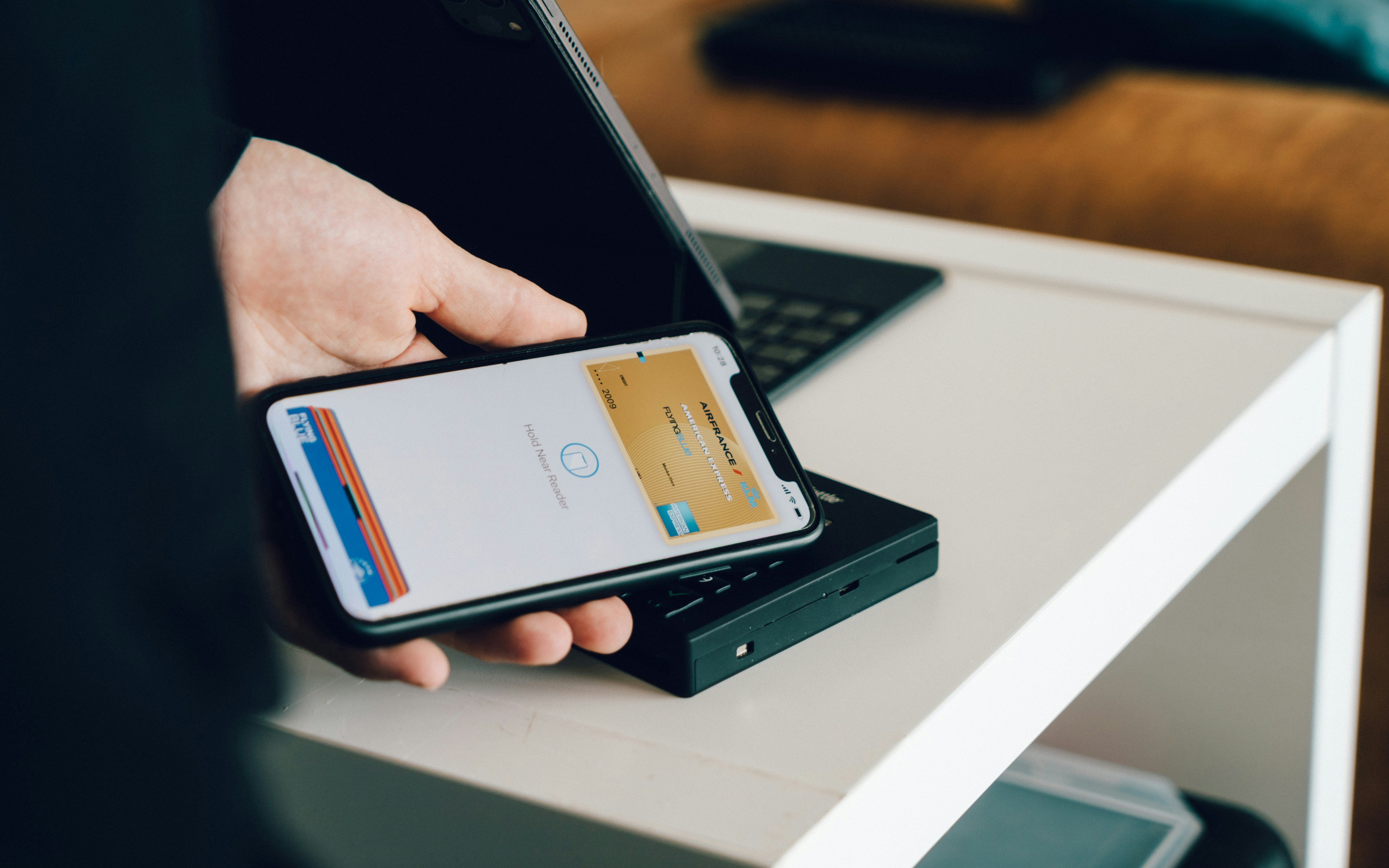
Apple Pay, Google Pay, PayPal, and Venmo have moved from novelty to default. Digital wallets now account for roughly 40% of U.S. online transaction value (2026 Global Payments Report data), and consumers made an average of 11 mobile payments a month in 2024, up from just 4 in 2018. When someone gets a text-to-pay link on their phone, a wallet lets them pay in a couple of taps with no card to dig out. That convenience is exactly what turns intent into a completed payment.
Payment plans and partial payments
Not everyone can clear a balance in one transaction. Letting a customer split it into installments — or make a partial payment today — keeps a stalled account moving instead of writing it off. The appetite is broad: a 2023 Federal Reserve study found 74% of consumers had used an instant payment, digital wallet, or same-day ACH in the prior year, and most expected to use those faster methods even more going forward (Federal Reserve, via industry reporting).
The cost angle: cheapest to you vs. easiest for them
More options also give you a lever on cost — if you use it thoughtfully.
Card processing typically runs 1.5%–3.5% of the transaction plus a small fixed fee, while ACH transfers usually cost between $0.25 and $1.00 per transaction (Swipesum). On a $2,000 balance, that's the difference between paying tens of dollars in card fees and paying under a dollar by bank transfer.
The takeaway isn't "force everyone onto ACH." Pushing customers toward a method they distrust just recreates the abandonment problem. Instead, present ACH as an easy, clearly-labeled choice — especially on larger balances and payment plans — and let customers self-select. You recover the balance either way; you just keep more of it when the customer happens to pick the low-cost rail.
A quick compliance note: if you're considering passing card fees to the customer as a surcharge or "convenience fee," tread carefully. Those charges are governed by card-network rules, state surcharge laws, and — for collections specifically — the FDCPA and Regulation F. Offering a fee-free option like ACH is often the cleaner path than adding a fee to cards.
More options, but not more friction
Here's the trap: adding payment methods can increase friction if each one lives behind a different login, a phone call, or a clunky form. The goal is more ways to pay on a single, self-service screen — not a longer maze.
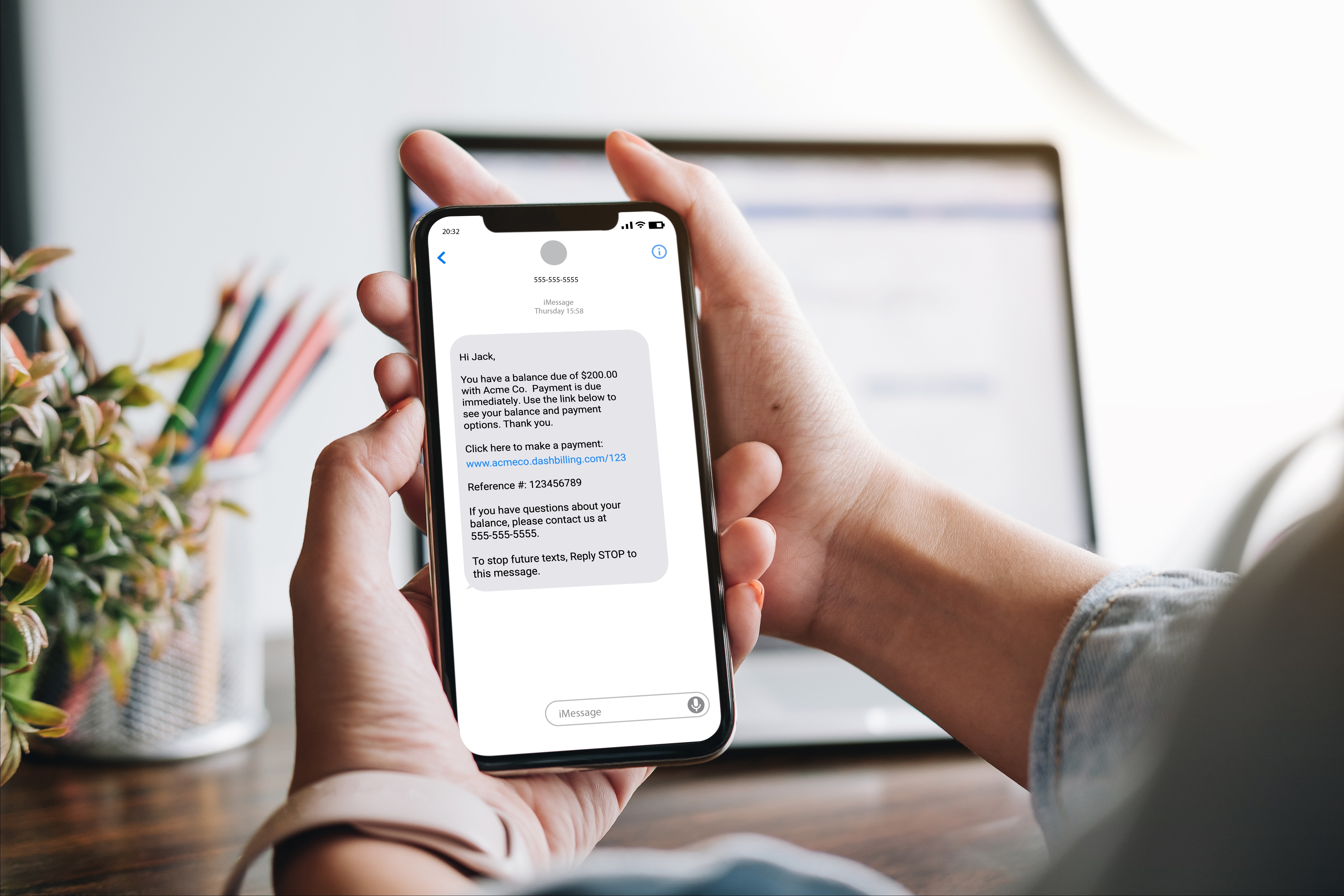
The teams that recover best let a customer land from a text or email link on one mobile-friendly page that shows the balance, offers every relevant payment method side by side, and completes in a few taps without an account or a phone call. Self-service also protects compliance: a customer paying on their own, at 9 p.m., through a documented portal creates a clean, timestamped record and sidesteps the call-frequency and disclosure risks that come with live outreach.
Every method you offer should also be PCI-compliant and secure by default. Customers notice trust signals at the moment of payment, and a secure, professional checkout does as much for completion as the payment options themselves.
How to add payment options without adding staff
For most in-house teams, the blocker isn't strategy — it's plumbing. Standing up card, ACH, digital-wallet, and payment-plan support separately, then keeping each one compliant and reconciled, is real work.
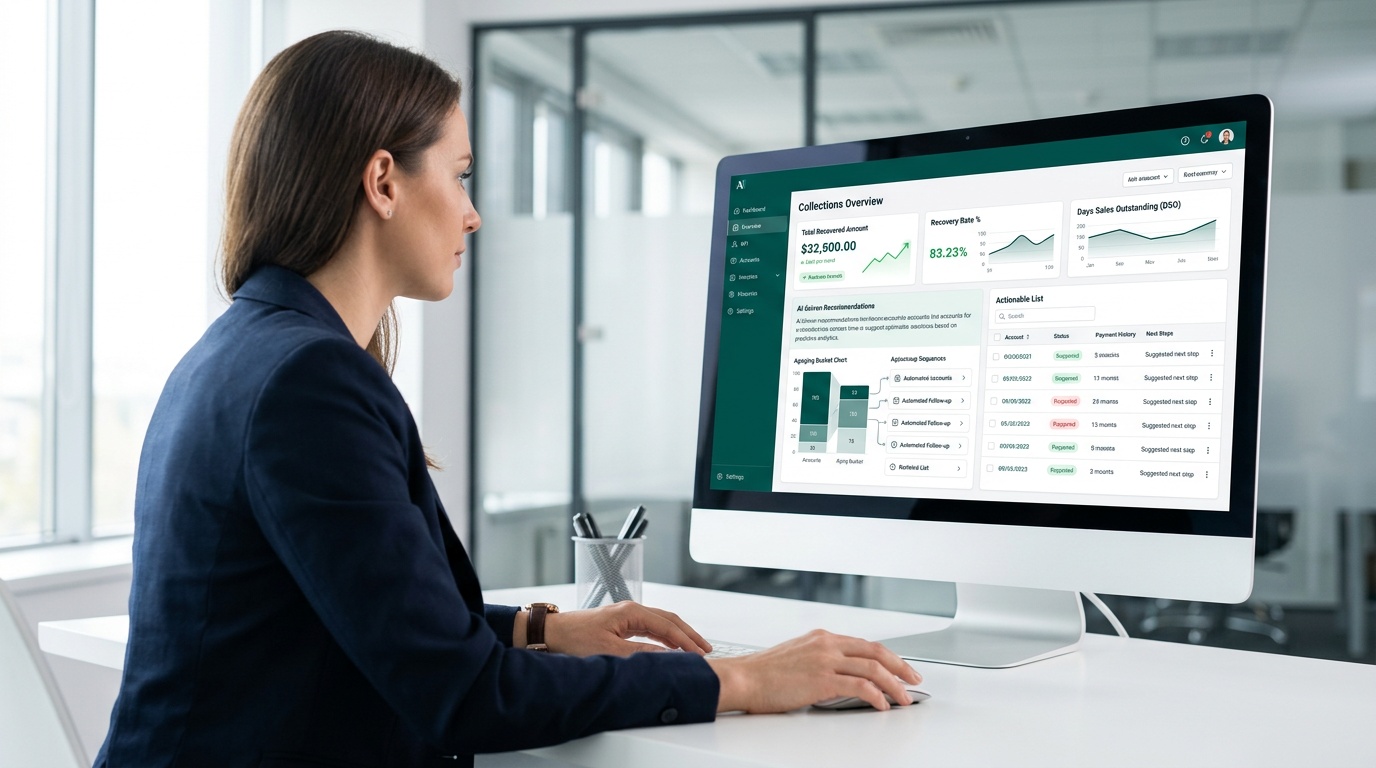
That's the gap Dash is built to close. Dash pairs automated text and email outreach with a self-service payment experience where overdue customers can choose how they pay — card, bank transfer, or digital wallet — and set up a payment plan on their own, all from one secure, SOC 2 and PCI-compliant portal. Your team keeps full visibility into every payment and status update, and you keep more of what you recover because customers can pick the method that's easiest for them and lowest-cost for you.
If your recovery process still ends at a card-only payment screen, that's the highest-leverage thing to fix. Give overdue customers the ways to pay they already expect, remove the friction around them, and you'll turn more "I'll get to it later" into paid today.











.jpg)








.jpg)