.png)
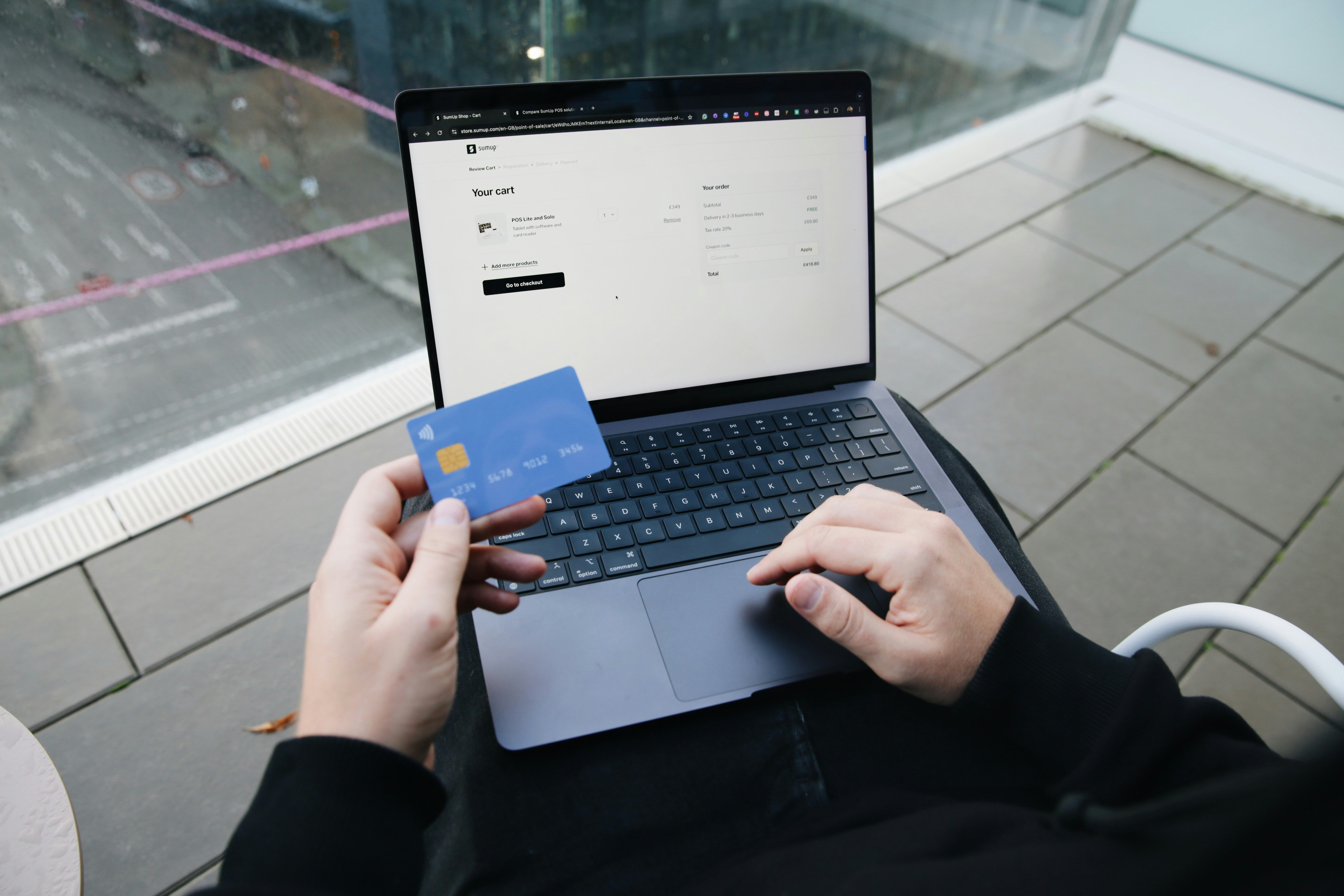
When your team recovers an overdue balance, the win isn't the amount collected — it's the amount that actually lands in your account. And on card payments, a surprising slice never does. Processing fees, interchange, and network assessments skim a few percent off the top of every transaction, which adds up fast when you're recovering thousands of past-due invoices a month.
In 2026, that math is getting harder to ignore. “Pay by bank” — moving money directly between bank accounts instead of over card rails — has moved from a niche experiment to a mainstream checkout option, and it's a natural fit for collections. Here's how it stacks up against cards, and how to decide what belongs in your payment mix.
The hidden cost of card-only collections
Cards are convenient, but that convenience has a price. Credit card processing fees generally run 1.5% to 3.5% of each transaction, plus a fixed fee of about $0.10 to $0.30, according to WalletHub's 2026 data. Visa and Mastercard, which together handle more than 80% of U.S. card volume, carried an average combined interchange rate of 2.36% in 2025.
For a collections operation, that percentage is a recovery tax. Bring in $500,000 in recovered balances on cards at roughly 2.9% all-in, and you've handed back about $14,500 in fees — money you already earned and had to work to collect. The bigger the balance, the more a percentage-based fee stings, because card costs scale with the payment amount rather than the effort to process it.
What “pay by bank” actually means
Pay by bank — also called account-to-account (A2A) — lets a customer pay you straight from their checking account, bypassing card networks entirely. Instead of interchange, these payments ride bank rails, so the cost structure is fundamentally different: a flat fee, typically $0.25 to $1.00 per transaction, rather than a slice of the total.
The savings are dramatic on larger payments. The Federal Reserve's 2025 analysis of pay-by-bank notes that bypassing card networks can meaningfully lower merchant costs, and industry estimates put the savings at 40% to as much as 85% versus cards. Put concretely: a $1,000 payment might cost about $1 via ACH versus roughly $29 on a card.
ACH vs. instant rails (FedNow and RTP)
Not all pay-by-bank payments settle the same way. Most currently run over the traditional ACH network, which is inexpensive but takes a day or more to clear. A growing share now use instant rails like FedNow and RTP, which move funds in seconds — closing the one real gap cards used to hold over bank payments. For collections, instant settlement matters: it confirms the payment landed before you update the account or release a hold, reducing the reconciliation guesswork that comes with slower ACH.
Why pay by bank often recovers more, not just cheaper
Lower fees are the obvious headline, but the recovery angle is just as important. Overdue customers abandon payments when the experience is clunky or their preferred method isn't offered. Roughly 70% of consumers say they'd rather resolve a debt through a digital self-service portal than talk to anyone, per industry research on 2026 collection trends. Meeting that preference is what gets balances paid.
Pay by bank reinforces self-service in a few practical ways:
- No card required. Many past-due consumers have maxed or expired cards but still have a funded checking account. Removing the card requirement removes a common reason payments stall.
- Fewer failed and returned payments. Card declines, expirations, and chargebacks all create rework. Bank payments avoid the expiration problem entirely and, with account verification, cut down on returns.
- It's familiar now. Pay-by-bank adoption is climbing fast — active merchants offering it grew more than 40% year over year in 2025, according to Aeropay's pay-by-bank review. Customers increasingly recognize and trust it at checkout.
Because the fee is flat, pay by bank also lets you keep payment plans and partial payments affordable. When a customer pays a $75 installment, a flat sub-dollar fee barely registers; a percentage card fee on many small installments quietly erodes the plan's value.
Where cards still win
Pay by bank isn't a wholesale replacement — it's the missing option most collections operations don't yet offer. Cards still earn their place:
- Speed of consumer setup. Typing a card number can feel faster to some customers than authenticating a bank login, especially for a quick one-time payment.
- Ubiquity and habit. Plenty of people simply prefer cards, and forcing a single method is how you lose payments.
- Rewards-driven payers. Some customers want the points, and that's fine — you'd rather collect on a card than not collect at all.
The takeaway isn't “drop cards.” It's “stop making cards the only door.” Offering both, and nudging toward the lower-cost bank option where it makes sense, is how you protect margin without sacrificing recovery.
How to offer both without adding friction
Adding a payment method shouldn't mean adding staff, a new vendor, or a compliance headache. A few principles keep the rollout clean:
- Put every option on one screen. Let the customer choose card or bank in the same self-service flow, with no redirects or logins that break the payment. Friction is where recovery leaks.
- Keep fees transparent and compliant. If you pass along any convenience fee, the rules differ by method and by state — worth reviewing before you switch anything on. (See our guide on convenience fees on overdue payments.)
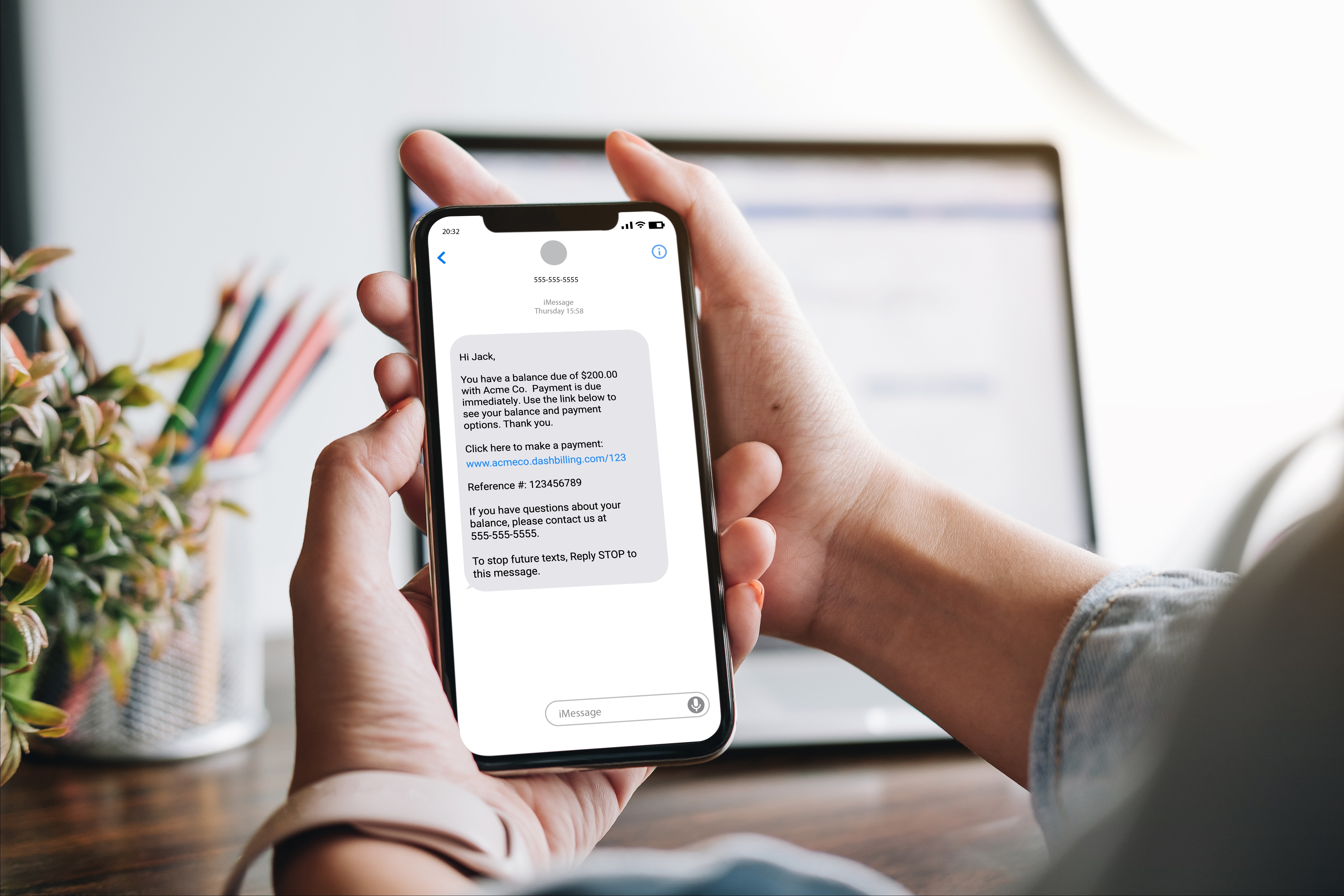
- Meet customers where the message lands. Pair the payment options with text and email outreach so the link to pay is one tap away, not buried in a portal.
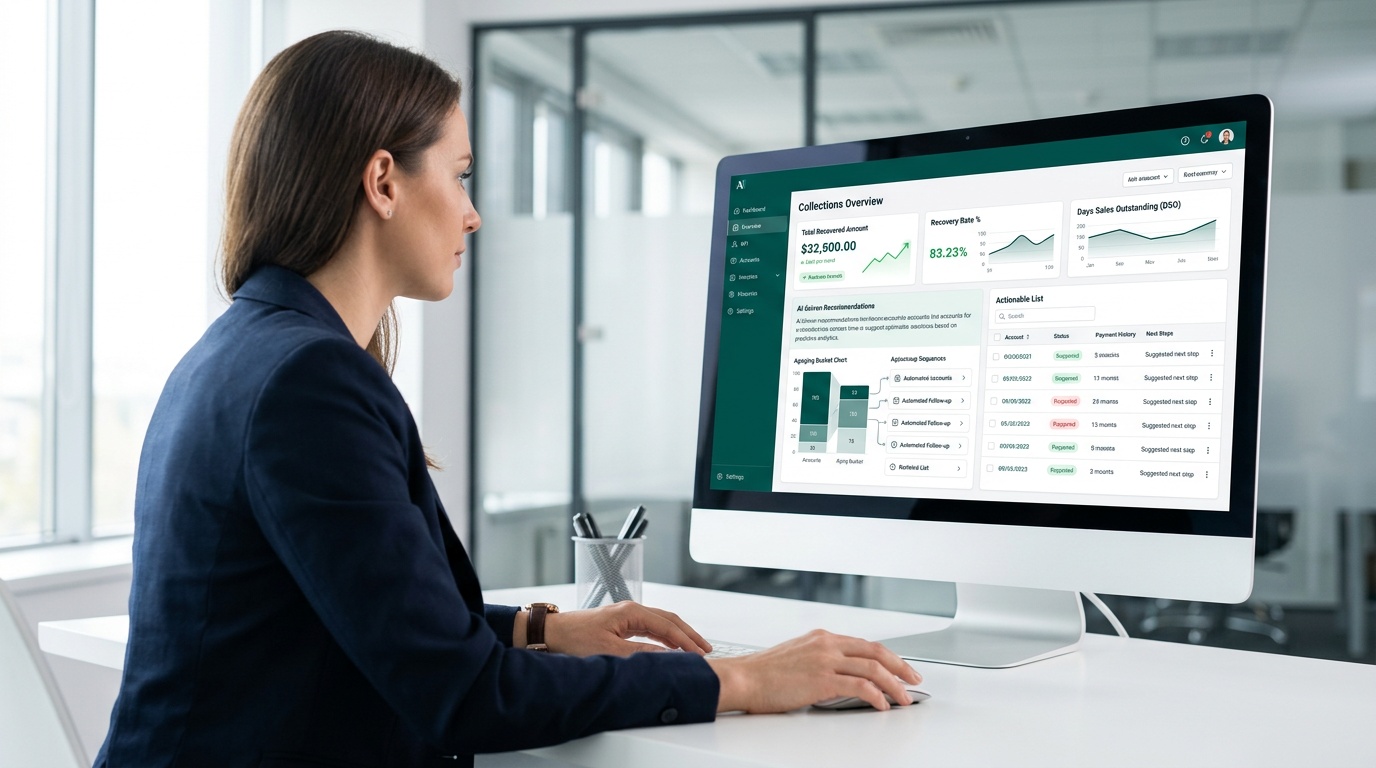
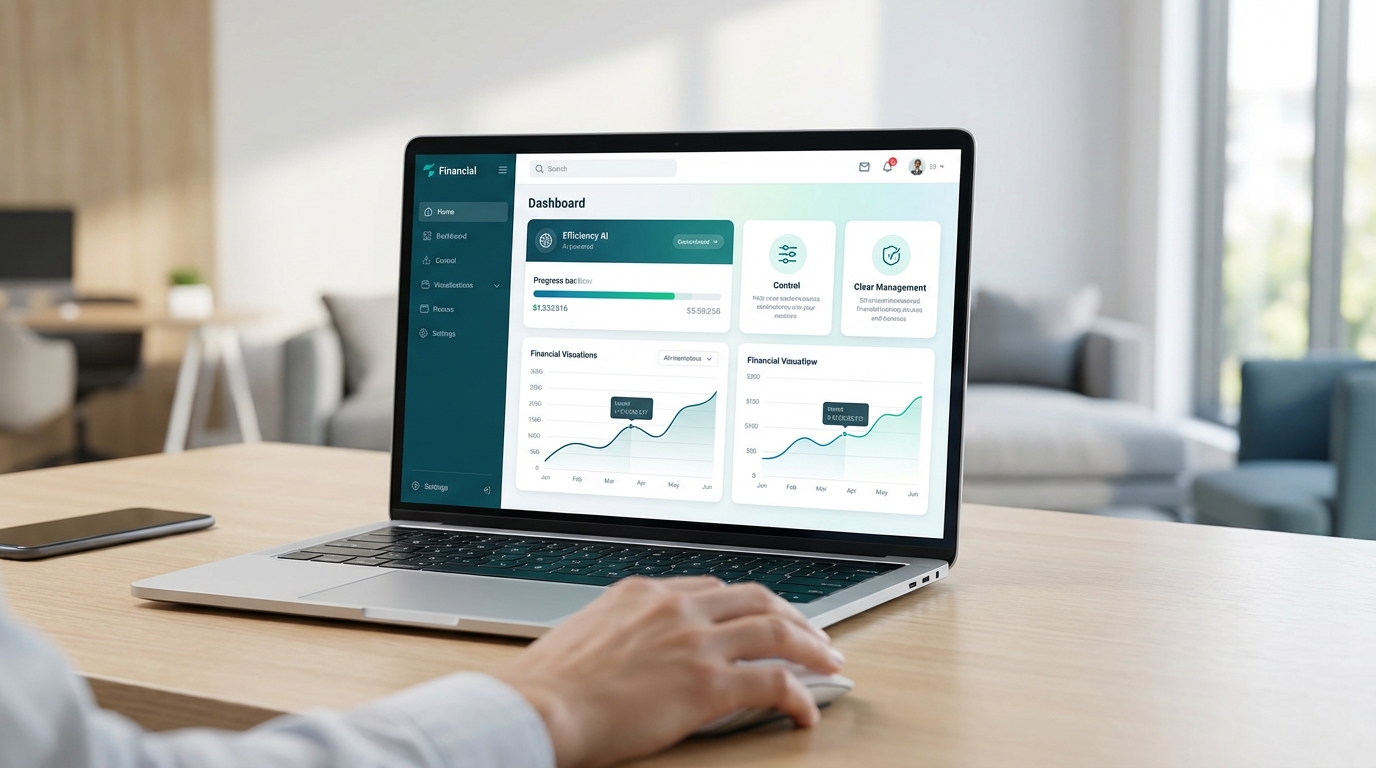
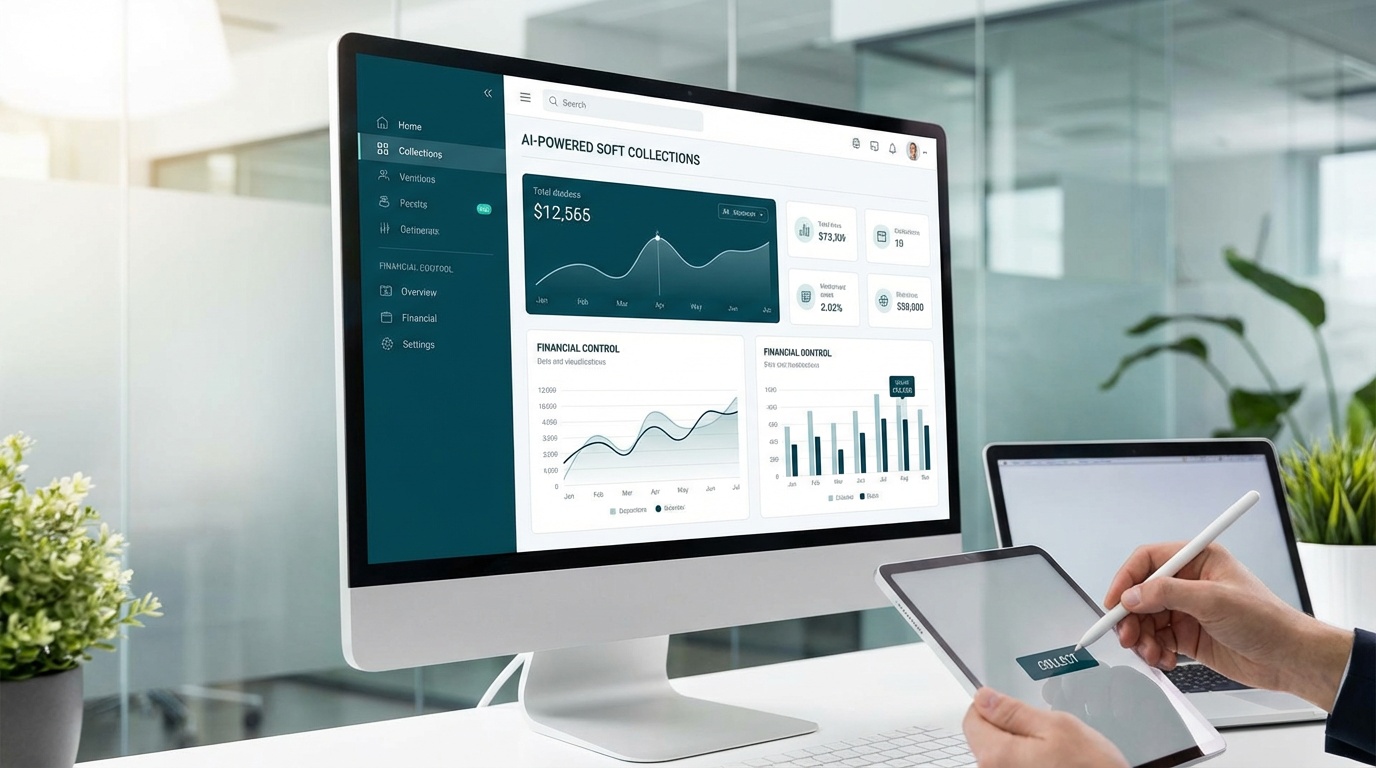
This is exactly the workflow Dash is built around. Dash gives in-house collections and accounts-receivable teams automated text and email outreach paired with a self-service payment experience — so overdue customers can settle a balance, or start a payment plan, in a few taps using the method that works for them. You keep more of every recovered dollar, and you keep control of the customer relationship from first reminder to final payment.
The 2026 takeaway
Cards will remain part of how you get paid, but making them the only way to pay is now a measurable cost. With pay by bank cheaper by a wide margin, faster on instant rails, and increasingly familiar to consumers, the smart move for collections teams in 2026 is simple: offer both, remove the friction between them, and let customers pay the way that gets the balance cleared.
If you're recovering overdue accounts in-house and still routing every payment through cards, you're leaving money on the table twice — once in fees, and again in the payments that never start because the right option wasn't there. See how Dash makes both easy.
This post is for general informational purposes and isn't legal or financial advice. Payment-fee surcharging and collections communications are governed by federal rules and a patchwork of state laws; confirm your specific obligations before making changes.











.jpg)







.jpg)